
Stress and Tattoo Removal Results in Liverpool This Winter
Tattoo removal results Liverpool clients see depend on more than the laser. The laser breaks ink into fragments, but your immune system does the clearing over the weeks that follow, and that process is sensitive to how you are sleeping, eating and coping day to day. Winter adds its own load: shorter days, cold commutes, Christmas spending and work deadlines that do not pause because your skin is healing. In this guide we explain how stress can slow clearance, what we see most often in clients during the colder months, and which habits are worth changing before your next session.
Table of Contents
- Quick Takeaways
- How Stress Reaches Your Tattoo Results
- Winter Pressure on Sleep, Routine and Skin
- Stress, Sleep and Immune Clearance
- Habits That Support Recovery Under Pressure
- Comparing Stress Management Habits
- Mistakes That Slow Healing Under Pressure
- Planning Sessions Through a Liverpool Winter
- Frequently Asked Questions
- References
Quick Takeaways
| Key Insight | Explanation |
|---|---|
| Stress does not remove ink, but it can slow the clean-up | Immune cells carry pigment fragments away after each session. Under sustained pressure, that clearance can run more slowly and feel less comfortable. |
| Sleep is the habit worth protecting first | Much of the body’s repair happens overnight. A run of broken sleep during a course is a clear signal to review your routine. |
| Winter schedules are where stress sneaks in | Festive deadlines and late nights push people into skipped aftercare. Book sessions for a quieter part of the calendar when you can. |
| Keep a simple diary alongside your sessions | Note your sleep, stress level and skin condition after each visit. Patterns usually show up after two or three sessions. |
| Do not use sessions to escape stress | Booking closer together to finish sooner gives the skin less time to clear. Respect the healing window, even when you want the process over. |
| Tell your practitioner about a rough patch | A hard month can change how your skin responds. Knowing about it lets us adjust your timing and aftercare. |
How Stress Reaches Your Tattoo Results
Stress does not interfere with the laser pulse itself. The energy hits the pigment the same way whether you slept well or badly the night before. The difference comes afterwards, when your body has to carry the fragments out, and that work depends on circulation, inflammation control and how well your skin is supported.
From the treatment room, the pattern is fairly consistent. Clients who arrive exhausted, tense or running on little sleep often describe more tenderness, a longer redness period and a slower sense of settling after a session. We cannot promise that stress causes any specific result, because every tattoo, skin type and ink colour behaves differently. We would still rather you know the link now than wonder about it after a disappointing session.
What Clients Tend to Notice First
The early signs are usually small. Skin that stays pink for longer than it did last time, a little more itch in the days after treatment, or a sense that the area is slower to calm down are the first things people mention. None of these means something has gone wrong, but they are worth recording, because they often appear in the weeks when life is at its most crowded.
Stress is not a separate issue from your tattoo removal. It is one of the conditions your skin heals under, so it belongs in your treatment plan.
Think of stress as background load rather than an on-off switch. It does not stop healing, but it takes capacity away from the process. When your body has spare capacity, the clean-up of pigment fragments runs quietly. When it is busy coping with pressure, the same work can feel slower and more uneven.
Winter Pressure on Sleep, Routine and Skin
Winter in Liverpool means dark mornings and early evenings, which pushes many people into later nights and heavier tiredness. Sleep is when much of the body’s repair work happens, so a run of short nights in the middle of a treatment course matters more than it would in a quieter season.
In practice, the clients who struggle most are rarely the ones who skip sleep on purpose. They keep their working pattern, stay up later scrolling and get up early for shifts, and their nights shrink without them noticing. That slow drift is harder to spot than one bad night, and it is often the thing that changes how the skin responds.
Festive Routines That Quietly Undo Aftercare
December brings late meals, more alcohol, skipped water and shopping trips that leave people cold and rushed. None of these alone will stop your results, but together they lower the margin your body has for clearing fragments. Keeping one or two basics steady, such as regular meals and a glass of water with each one, does more than most people expect.
The clients who protect their aftercare best plan it into the day. They keep their moisturiser in the same bag as their keys and set an evening reminder, instead of relying on memory when they are tired.
Pro tip: Set a fixed bedtime for the days around each session. Consistency matters more than perfection, and a steady pattern is easier to keep when the days are short.
Dry Air and Indoor Heating
Central heating and cold outdoor air both dry the skin, and dry, tight skin over a fresh treatment area is harder to keep comfortable. A plain, fragrance-free moisturiser used after washing, rather than only when the skin feels rough, helps keep the area supple. For fabric and layering choices on cold commutes, our guide to dressing for healing skin in Liverpool winters covers what to wear and what to avoid.
Stress, Sleep and Immune Clearance
Why Clearance Needs Steady Conditions
After a session, the immune system has to locate pigment fragments, pick them up and carry them out of the skin. Immune cells swallow the pigment, break down and release it for the next cell to collect, which is why removal is a multi-week process rather than a single event. Anything that disrupts your body’s normal rhythm, including poor sleep and sustained pressure, can make that recycling less efficient, even though you will not feel it directly.
If you want the cell-level detail behind this, our article on tattoo removal and your immune system response walks through the mechanics step by step. For clinical background, a 2015 review in the Journal of Cutaneous and Aesthetic Surgery covers complications of both tattooing and tattoo removal, which is a useful starting point if you want the wider risk picture.
Where Stress Fits in the Clearance Timeline
Clearance happens over weeks, and stress tends to land in the middle of that window. By then the skin often looks settled, and clients assume the job is finished. That is exactly when aftercare slips, sleep drops and the next appointment gets pulled forward because it feels like progress.
We would rather you slow down in that stretch. A session that moves back because you need a steadier week costs far less than one booked too soon while your skin is still clearing.
Habits That Support Recovery Under Pressure
The habits that help most are not complicated, and most of them are about consistency rather than intensity. Clients who do well through stressful stretches pick two or three basics and keep them steady across every session, instead of trying a long list of fixes for a fortnight and dropping them.
Start with what you can control on an ordinary weekday. That means regular meals, steady fluids and a sleep window you protect as far as work allows.

Eating Regular Meals Through Busy Weeks
Skipped meals are a common side effect of busy weeks, and they tend to show up as irritability, low energy and poor sleep by evening. Regular meals with some protein and vegetables give your body the raw material it needs during a demanding period. You do not need a special diet, and we would not recommend cutting out food groups while your skin is healing.
Gentle Movement Without Sweating Over the Area
A walk around the block helps many people reset after a stressful day, and it keeps you moving without asking much of the body. Heavy sweating over fresh treatment is different. Change out of damp clothing quickly, and if you have a hard workout planned in the days after a session, ask us whether to move it.
Protecting a Fixed Wind-Down
A short, repeatable wind-down works better than an elaborate routine. Dim the lights, put the phone out of reach and do the same few things each night. The goal is to signal to your body that the working day is over, which is the condition under which rest tends to go deeper.
Pro tip: Keep your recommended aftercare product beside the bed. Stress makes people skip the routine they know they should follow, and that is much easier to fix when the product is in front of you.
Comparing Stress Management Habits
Not every habit earns the same return. Here is how three common approaches compare for clients balancing tattoo removal with a busy winter.
| Approach | What It Changes | Best Suited To |
|---|---|---|
| Fixed sleep and wake times | Steadier overnight recovery and less morning fatigue | Clients on irregular shifts or with late screen habits |
| Booking sessions around known busy periods | Fewer clashes between treatment and peak deadlines or festive stress | Clients with seasonal work or heavy family commitments in December |
| Short daily walks outdoors | Lower tension and regular movement without heavy sweating | Clients who struggle to switch off after work |
If you can only change one thing, change your sleep. It has the widest effect on how you feel during the clearance window, and it is the habit most likely to slip without anyone noticing. Booking flexibility matters too, because a session placed in the worst fortnight of your year makes every other habit harder to keep.
Walking is the easiest habit to start and the easiest to drop, so attach it to something you already do, such as your lunch break or the walk to the bus stop. A habit tied to an existing routine survives busy weeks far better than one you have to remember to schedule.
Mistakes That Slow Healing Under Pressure
Cancelling Aftercare When Life Gets Busy
The most common mistake is dropping aftercare exactly when it matters most. Clients tell us they forgot the cream, ignored the layering advice or stopped covering the area against cold wind. A routine you follow on calm weeks should still hold on busy ones, so keep the minimum version going rather than dropping it altogether.
Leaning on Alcohol or Stimulants to Cope
A late drink or a strong energy drink can feel like a fix for a rough day, but both tend to make sleep lighter and fluids harder to keep up. Over a winter course, that trade is rarely worth it. If you rely on either to get through the week, tell us, and we can help you plan sessions around your real pattern rather than around the cravings.
Pushing Sessions Closer Together to Get It Over With
Stress makes people want the process finished. The result is often booking sessions too close together, which gives the skin less time to clear what the last session left behind. Patience is part of the treatment, and a plan that respects the healing window will usually beat one that rushes it.
Ignoring Changes in the Skin
Redness that spreads, unusual pain or swelling that gets worse rather than settling should be reported straight away, not left to fade on its own. Stress can make people hesitant to bother a clinic with what feels like a small worry. A quick message costs you very little, and it lets us check the area and adjust the plan.
Planning Sessions Through a Liverpool Winter
Winter planning starts with a simple question: which weeks in the next few months are going to be heavy? Mark exam periods, year-end deadlines, family commitments and the busiest shopping days on a calendar before you choose a date for your next session. If this is your first course, our guide on what to know before session one covers the basics.
Our clinic at 59 Crosby Road N, Waterloo, sees clients from across Liverpool, Crosby and the wider Merseyside area. The schedule that works best for most people is the one built around their quietest fortnight, not the first free slot on the booking page.
Build a Simple Stress and Skin Diary
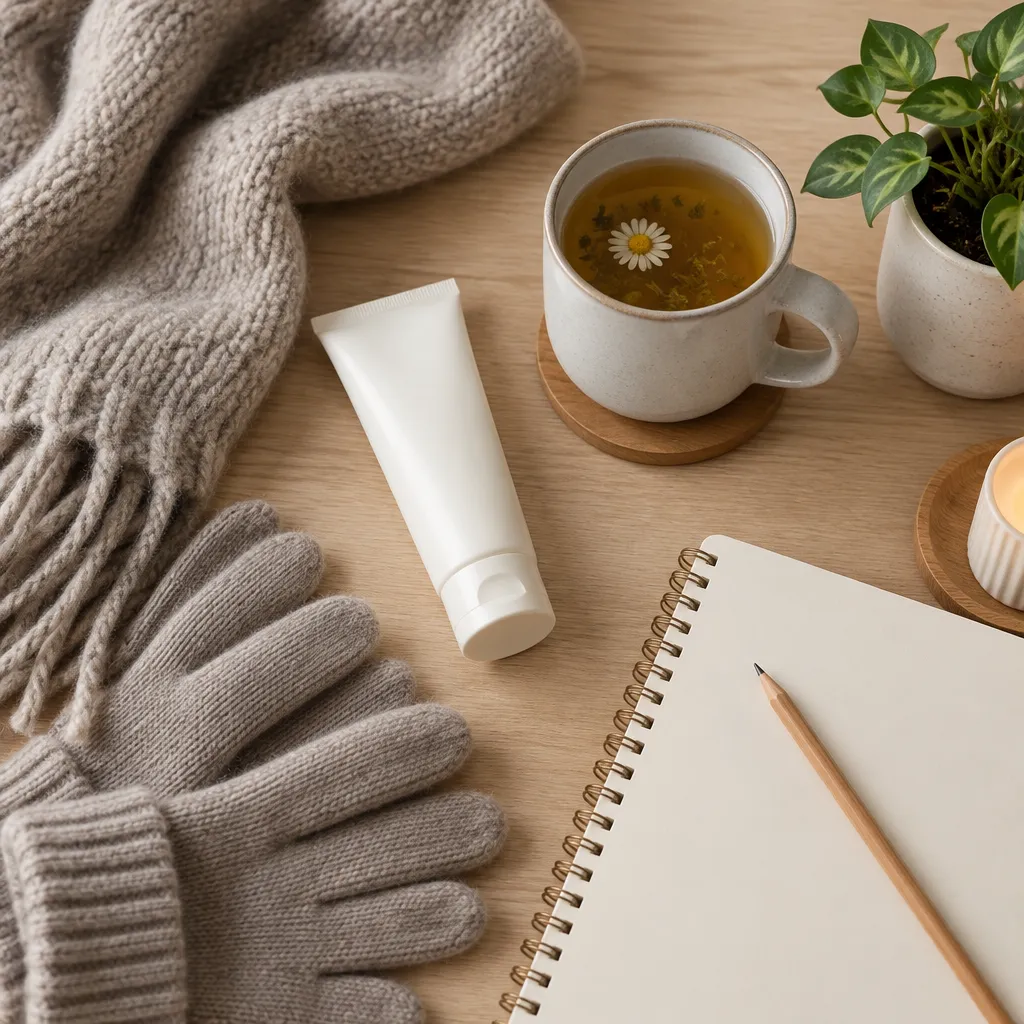
After each session, write down three things: your sleep over the previous few nights, your stress level on a simple scale and any changes in the skin. Take photos in the same light each time. After two or three sessions the pattern is usually clear, and you can plan the next appointment around it.
When to Tell Us Before Your Appointment
If a stressful spell starts before a booking, contact us early. Call 07544 834277 or 01519286087, or email info@faithlaser.co.uk, and we can talk through whether to keep the date, move it or adjust your aftercare. Our opening hours are Monday, Wednesday and Thursday from 10am to 2:30pm, Friday from 10am to 6pm and Saturday from 9am to 4pm, with Tuesday and Sunday closed.
Pro tip: Ask for a short check-in when you book, not just a session time. A brief conversation about your current workload can prevent a poor appointment later in the month.
Frequently Asked Questions
Can stress really slow tattoo removal results?
Stress does not stop the laser from working, but it can make the clearance phase slower and less comfortable for some people. The effect is hard to judge from a single session, so look at the pattern across several appointments.
How long does the clearance phase last after each session?
Clearance runs over weeks, and the pace varies between people. Plan your sessions around that window rather than watching for a single finish date.
Should I cancel a session if I am feeling stressed?
Not automatically. If you are unwell, badly short of sleep or taking medication that could affect healing, tell us and we will decide together. Stress alone is rarely a reason to cancel, but unusual redness or pain after a session should be checked promptly.
Does winter weather affect tattoo removal healing in Liverpool?
Yes, mostly through dry air, indoor heating and tight clothing rather than the cold itself. Loose, breathable layers and a simple moisturiser go a long way.
Can I still book if my Christmas schedule is busy?
Yes. Tell us about your schedule and we can talk through timing. Our opening hours are Monday, Wednesday and Thursday from 10am to 2:30pm, Friday from 10am to 6pm and Saturday from 9am to 4pm, with Tuesday and Sunday closed.
How can I tell whether my results are improving?
Take photos in the same light at each session and record your sleep and stress levels alongside them. Comparing those notes over several appointments shows far more than comparing any single week.
Tell us at info@faithlaser.co.uk how a stressful stretch has changed your skin’s healing after a session, because your experience helps us plan better winter schedules for clients.
We would love your feedback and any insights you would share with others. What perspective would you add?