Tattoo Removal Liverpool Winter: Dressing for Healing Skin
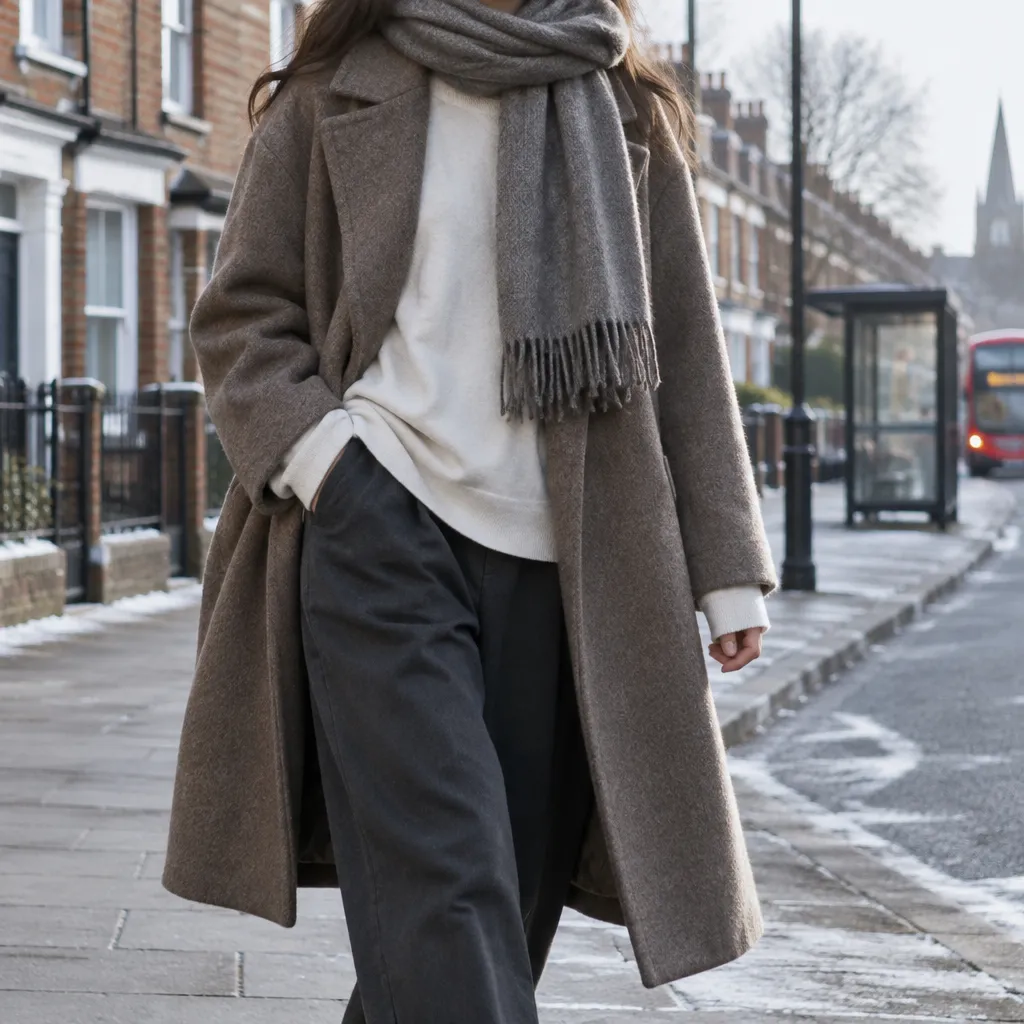
Winter in Liverpool means layers: a thick coat over a jumper, a scarf that sits against the neck, and jeans that rub the same patch of skin every time you walk to the bus. If you are in the middle of tattoo removal, those layers can quietly undo the care you are taking. Fresh laser treatment leaves skin sensitive for days, and the wrong fabric can cause friction, sweating and irritation at exactly the wrong time. This guide covers how to dress for tattoo removal in Liverpool winter weather without slowing your healing, from fabric choice to the layering habits that work on cold commutes.
Table of Contents
- Quick Takeaways
- Why Winter Coverage Matters During Tattoo Removal
- Fabrics That Calm Treated Skin
- Layering Without Friction
- Outdoor Time and Liverpool Winters
- Covering Options Compared
- Common Mistakes to Avoid
- A Winter Aftercare Routine That Works With Your Clothes
- Planning Sessions Around the Cold Months
- Frequently Asked Questions
- References
Quick Takeaways
| Key Insight | Explanation |
|---|---|
| Loose, breathable layers beat tight thermal layers over treated skin | Friction and trapped sweat are the two main risks, so choose fabric that moves freely over the treatment area. |
| Soft cotton or bamboo should sit against the skin | A smooth, breathable base keeps the area dry and calm, and an outer layer can block wind and rain. |
| Skip coarse wool and scratchy knits directly over the area | Fibres can catch on healing skin, and wool holds heat and moisture against it. |
| Moisturise before you dress, not instead of protecting the skin | Cold air and central heating dry skin out, and tight clothing can make that dryness worse. |
| Carry a spare loose top on wet days | Damp clothing next to the skin keeps the area wet for hours, so change if you have been sweating or caught in rain. |
| Protect exposed skin on bright winter days | Winter sun is weaker, but any skin not covered by clothing still needs sun protection when it is bright outside. |
Why Winter Coverage Matters During Tattoo Removal
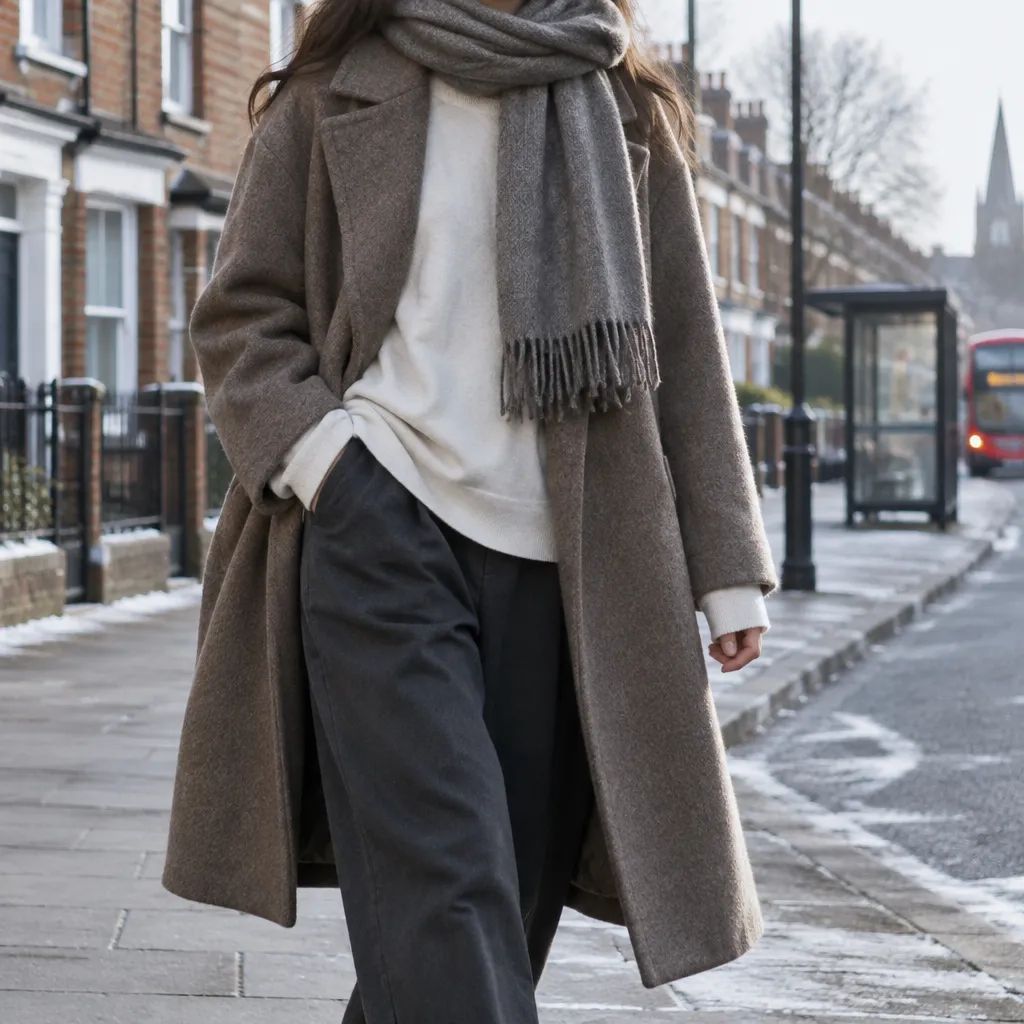
Laser tattoo removal works by breaking ink into fragments that your body clears over the weeks after each session. The skin over the tattoo is temporarily more fragile, so it needs to be kept calm while that process runs. Winter adds pressure from every direction, from the wool scarf to the waistband of your jeans.
What friction does to a fresh treatment site
Friction is the most underrated problem we see during the colder months. A coat sleeve that drags across the same patch of skin all day can cause redness, small blisters or a rubbed, patchy look that makes healing harder to judge. The treated area does not need to be sealed off, but it does need to stop being rubbed.
The spots that cause trouble are fairly predictable. Inner arms, the sides of the ribs, the back of the neck and the top of the thigh all take the pressure of bags, seatbelts and collars. If your tattoo sits in one of those places, plan your layers around it rather than hoping the fabric behaves.
Why cold weather changes the healing picture
Cold, dry air pulls moisture out of the skin, and central heating does the same thing indoors. Many clients walk from a warm bus into a cold street and back again several times a day, so the skin is constantly adjusting. Dry, tight skin is more likely to crack and itch, which is why our aim is to keep the surface supple rather than letting it dry out under clothing.
Protect, do not wrap. Clothing that is loose and breathable does far more good than clothing that is warm and snug.
Fabrics That Calm Treated Skin
Fabric choice does more than any other single decision. The clothes you already own may be fine, but a few materials consistently cause problems in winter, and they are not always the ones you would expect.
Fabrics that breathe and move
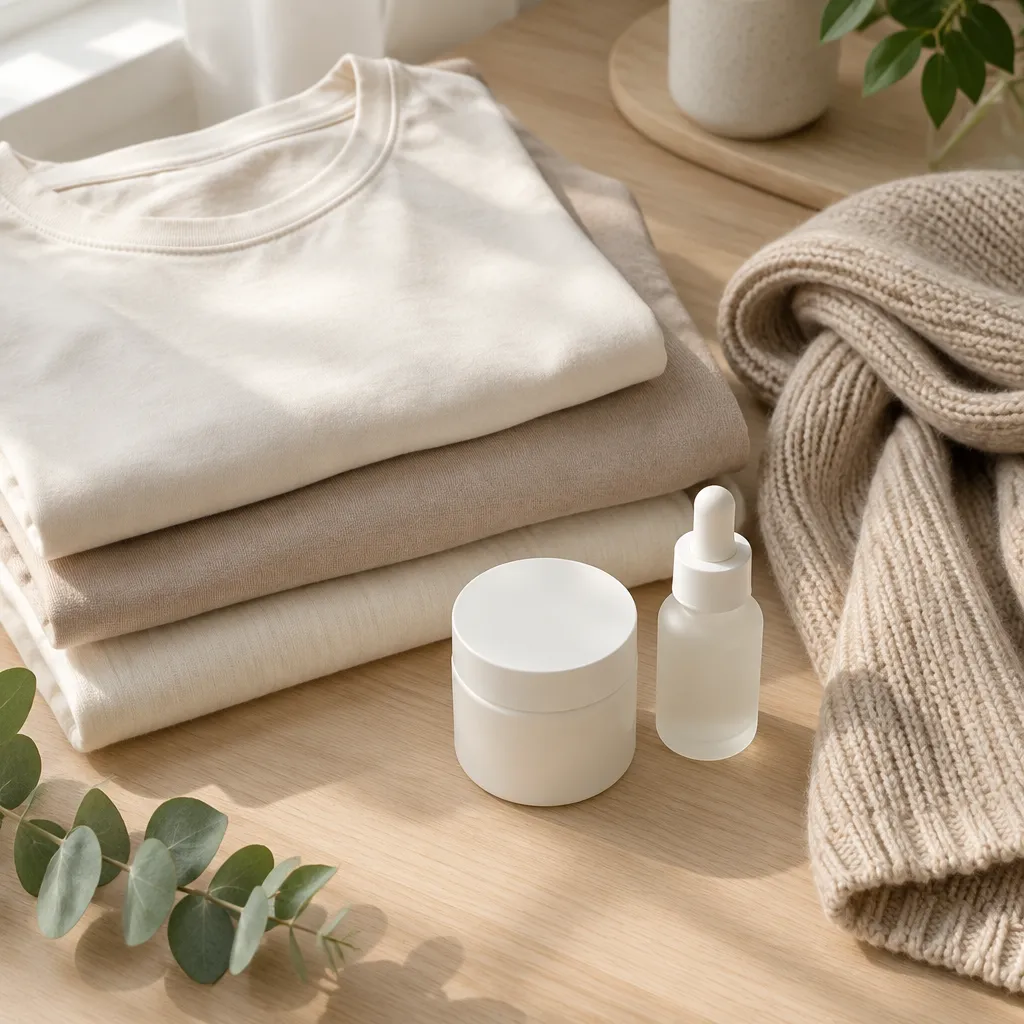
Soft, smooth-knit cotton and bamboo viscose tend to suit treated skin because they are smooth, breathable and wash to a soft finish. They let moisture escape rather than holding it against the skin, which matters when you are indoors with the heating on and then outside in the cold.
Wash new garments before you wear them. Many new clothes carry a stiffening finish that makes the fabric feel scratchy, and a single wash softens it considerably. Choose a loose weave over the treatment area, so the cloth moves with you instead of dragging.
Fabrics to keep away from fresh skin
Coarse wool and scratchy acrylic knits are the first to go. They rub, and they trap heat, which is a poor combination when you are already sweating under layers. Fleece is another common offender, since it holds sweat and can grip the skin as you move.
Tight synthetic thermals are the worst of the lot in practice. They feel warm for the first ten minutes, then sweat collects at the seams and the fabric rubs every time you lift your arm or turn your body. Denim is not automatically a problem, but stiff raw denim that is tight at the knee or hip will rub the same way.
Clothing should protect healing skin from rubbing and weather, not trap heat and sweat against it.
Layering Without Friction
Layering works in winter when each layer has a clear job. The base keeps sweat away from the skin, the middle layer holds warmth, and the outer layer blocks wind and rain. Problems start when one layer tries to do all three jobs.
A three-layer system that breathes
Start with a soft cotton or bamboo base that is loose over the treated area. Add a light jumper or cardigan in the middle, making sure it does not cling to the site, and finish with a coat that has a smooth lining. Keep zips, toggles and buckles away from the treatment area, since they tend to scrape when you move.
In practice, this system lets you adjust without stripping off in public. If the bus is warm, you can remove the middle layer and keep the base and coat on. If you step outside into a cold wind, you add the layer back without changing anything underneath.
Seams, waistbands and straps
Seams and waistbands are where friction concentrates. A tattoo on the hip is often rubbed by a tight waistband all day, while a shoulder piece can be irritated by a bag strap that sits in the same place every morning. Choose trousers with a soft, wide waistband if your tattoo is near the hip or lower back, and move the bag strap to the other shoulder for the duration of your healing.
Bra straps and underwire can cause the same problem on the chest and upper back. Pick styles with wide, soft straps and avoid underwire that sits directly on the treated area.
Pro tip: Pack a spare loose cotton top in your bag on cold days. If your outer layers get wet in the rain, you can change straight away instead of spending the afternoon in damp fabric against healing skin.
Outdoor Time and Liverpool Winters
Liverpool winters are rarely extreme in one way. They are damp, windy and often grey, with long stretches where a light jacket is not enough and a heavy coat is too much. That mix makes it tempting to pile on layers, and piled-on layers are where most winter problems start.
Commuting and walking in wet weather
Wet clothing against the skin is the real issue, more than the cold itself. If rain soaks through a jacket, the base layer gets wet and stays wet, and the treated area sits in damp fabric while you walk. Carry a dry spare top on longer journeys, and change if you have been sweating heavily or caught in a downpour.
Whether you live in central Liverpool or travel in from Crosby, Formby or Ormskirk, the commute is usually where clothing goes wrong. Long waits at the bus stop in the wind mean the layers you chose at home rarely match the conditions you actually face.
Hats, scarves and collars
A scarf that sits at the neck or chin rubs constantly as you turn your head. If your tattoo is on the neck, shoulder or upper chest, wear a loose scarf worn low, or a snood with a soft lining. Avoid the chunky wool scarf that has been wrapped tight all day, since it is one of the most common causes of irritation we hear about.
Hats are less of a problem unless the tattoo is on the scalp area or the forehead, where a tight knit hat can rub. Choose a soft, loose hat, and keep it off the treated area if you can.
Covering Options Compared
Three approaches come up most often when clients ask how to cover treated skin in winter. They are not interchangeable, and each suits a different situation. The table below sets them side by side.
| Approach | How It Performs in Winter | Best Used For |
|---|---|---|
| Loose cotton or bamboo base with a light outer layer | Breathable and low friction, and easy to adjust as the temperature changes through the day | Daily commuting, office days and most standard winter routines |
| Tight synthetic thermal base layer | Warm, but traps sweat and rubs at the seams, especially during walks or stair climbing | Short outdoor stints in dry cold, with a change of top afterwards |
| Non-stick dressing under loose clothing, only when your clinic advises it | Protects one specific spot from rubbing, though it adds bulk and must be changed as instructed | High-friction spots such as the elbow, rib or strap line, used only on clinic advice |
Reading the comparison honestly
The loose cotton system wins for most people. It costs little, it is easy to adjust, and it does not depend on you remembering to change a dressing on schedule. Dressings have a place, but only when the clinic recommends one, because a dressing left on too long can hold moisture against the skin.
The thermal base layer is the option most people reach for first, and it is usually the one that causes problems. It works for a short walk in dry cold, but it becomes a liability on a wet day or during a long shift. If you choose it, plan to change into a fresh top as soon as you get indoors.
Common Mistakes to Avoid
Most winter problems we see come from habits rather than bad luck. The same few mistakes show up again and again, and most are easy to fix once you know what to look for.
Wearing the same top for a whole week
The most common mistake is wearing one thermal top every day through a cold week. Sweat builds up, the fabric stays damp, and the treated area is rubbed each time you move. Change into a fresh, breathable top each day, and wash the one you wore before you wear it again.
Going straight from a hot car or a heated office into a cold street is another habit to watch. You arrive sweating, the damp layer stays against the skin, and then you cool down quickly. Loosen the outer layer before you go indoors so you are not overheating under it.
Using heavy creams under tight clothing
Thick, greasy creams can feel like the right answer in winter, but applied under tight clothing they can trap heat and leave the skin feeling clogged. A light, fragrance-free moisturiser that absorbs before you dress is usually the better choice. Give it a few minutes to settle before you pull on a top.
Scented products are also worth avoiding on treated skin. Fragrance is an unnecessary irritant when the skin is already sensitive, and clothing can carry the scent against the area all day.
A Winter Aftercare Routine That Works With Your Clothes
Good aftercare in winter is less about adding products and more about putting the right routine in the right order. The sequence below fits around a normal day and keeps the treated area protected from the moment you wake up.
Moisturise before you dress
Apply a light moisturiser to the treated area in the morning, then wait until it has absorbed before you put on clothing. Repeat in the evening if the skin feels tight. This gives the surface a barrier against the dry air and stops the fabric from pulling at dry skin.
Keep the rest of your skin hydrated too. Central heating dries out the whole body, so a daily routine on the rest of your skin helps the treated area as well.
Hydration and winter activity
One winter-focused tattoo aftercare guide makes a point we agree with: drink plenty of water, and consider electrolytes if you are active. Winter activity is easy to underestimate, since you may sweat under layers without noticing. Staying hydrated keeps your skin in better condition and makes the daily routine simpler.
Pro tip: Lay out your next day’s clothes the evening before, checking that each piece is loose over the treated area. You are far less likely to grab a tight jumper in a rush on a cold morning if the right option is already waiting.
Planning Sessions Around the Cold Months
The American Society of Plastic Surgeons gives an average cost of $697 for laser skin treatments such as laser tattoo removal. That is a US figure rather than a Liverpool price, and it does not include related expenses, so treat it as a rough reference point. At Faith Laser, our packages are tailored to individual needs, so a consultation gives you a figure that reflects your own tattoo.
Planning matters as much as cost. Winter is a good time to think about your schedule, because it is the season when covering up is easiest and when you can choose clothing that suits healing without compromise.
Why size and colour change the number of sessions
Large, colourful and elaborately designed tattoos are generally likely to need more removal sessions than small, simple, single-colour designs. Each extra session is another point at which you will need to plan around the treated area. A large piece also covers more skin, which means more opportunities for friction from clothing.
When we talk through options at a consultation, we look at how the design sits on the body as well as its size. A tattoo on the forearm, for example, will need different clothing choices than one on the back or the ribs.
Booking around the coldest weeks
There is no single perfect month, but a clear plan helps. If you know your next session falls during the coldest weeks, plan your wardrobe in advance and make sure you have loose layers that fit well before the appointment. Clients who schedule with clothing in mind tend to have fewer problems between sessions.
Pro tip: Book your consultation before the cold sets in, and bring a photo of the clothes you usually wear. Talking through your real daily outfits makes it easier to spot which garments will cause friction and which will work well.
Frequently Asked Questions
Can I wear a coat over a fresh tattoo removal treatment?
Yes, as long as the coat sits loose over the treated area and has a smooth lining. Keep zips, toggles and buckles away from the site, and avoid heavy, tight coats that press into the skin when you sit down.
What is the best fabric for tattoo removal aftercare in winter?
Soft, smooth cotton or bamboo is usually the best choice for the base layer. It breathes, it moves with you, and it does not trap sweat against the skin the way synthetic thermals and coarse wool can.
Should I cover my tattoo with a dressing in cold weather?
Only if your clinic advises it. For most people, loose breathable clothing is enough, and a dressing that is not changed as instructed can hold moisture against the skin.
Does cold weather slow healing after laser tattoo removal?
Cold itself does not stop the healing process, but dry air, heated rooms and tight clothing can make the skin more irritated. That is why our advice focuses on reducing friction and keeping the skin moisturised.
How much does tattoo removal cost in Liverpool?
The price depends on the size, colour and complexity of the tattoo, along with the number of sessions it needs. The $697 average cited by the American Society of Plastic Surgeons is a US figure, so a consultation is the best way to get a realistic estimate for your own tattoo.
What has worked best for you when covering a tattoo removal treatment through a Liverpool winter, and where did your clothing cause the most trouble?