Specialist Laser Clinic Liverpool: 7 Reasons to Choose One
If you have ever booked a laser treatment at a general beauty salon and walked out wondering whether anything actually happened, you are not alone. The gap between what a specialist laser clinic in Liverpool delivers and what a multipurpose beauty salon offers is not a matter of opinion. It shows up in your skin, in your results, and sometimes in an injury claim. Before you book another session anywhere, it is worth understanding exactly what separates these two settings, and why that difference matters far more than the price on the menu.
Table of Contents
- Quick Takeaways
- Training and Expertise That Goes Beyond a Weekend Course
- Clinical-Grade Technology Versus Consumer-Level Machines
- Safety, Regulations, and Accountability
- Personalised Treatment Plans, Not One-Size-Fits-All Sessions
- A Full Range of Laser Services Under One Roof
- Specialist Laser Clinic vs. Beauty Salon: Side-by-Side Comparison
- Real Results and Long-Term Value for Money
- Frequently Asked Questions
- References
Quick Takeaways
| Key Insight | Explanation |
|---|---|
| Operators matter more than machines | Even the best laser equipment causes harm in untrained hands. A specialist clinic employs operators trained specifically in laser technology, skin science, and contraindication screening. |
| IPL is not the same as laser | Many salons use IPL (intense pulsed light), which scatters light broadly and is less precise than true laser. Specialist clinics use medical-grade laser devices calibrated for your specific skin and hair type. |
| Laser hair removal is largely unregulated in the UK | The UK government deregulated cosmetic laser procedures, meaning beauty salons can legally offer laser treatments without specialist oversight. Choosing an accredited clinic protects you from this gap. |
| A proper consultation changes your results | Specialist clinics conduct thorough consultations and patch tests before any session, assessing skin tone, hair colour, medication use, and contraindications. Most salons skip this step. |
| Burns and pigment changes are the most common complaints | The main risks from unqualified laser treatment are burns, blistering, and hyperpigmentation or hypopigmentation. These are nearly always the result of operator error, not the technology itself. |
| Tattoo removal requires a completely different skill set | Tattoo removal demands knowledge of ink depth, pigment colour, and skin response. A specialist tattoo removal clinic uses dedicated laser technology that a beauty salon is not equipped to provide. |
| Cheap sessions often cost more in the long run | Underpowered machines and generic settings mean more sessions to achieve the same result, and potential corrective treatments if skin is damaged. Specialist pricing reflects genuine efficiency. |
Training and Expertise That Goes Beyond a Weekend Course
The single biggest differentiator between a specialist laser clinic and a general beauty salon is the depth of training behind the person holding the handpiece. Laser and IPL devices deliver concentrated light energy into the skin. Used correctly, they produce outstanding results. Used incorrectly, they cause burns, scarring, and lasting pigment damage.
In a specialist laser clinic in Liverpool, operators are trained specifically in laser physics, skin anatomy, and the clinical assessment of skin types using the Fitzpatrick scale. They understand how different wavelengths interact with melanin in hair follicles versus surrounding tissue. They know which settings to apply for darker skin tones, finer hair, and sensitive areas. This is not knowledge acquired in a weekend certification course.
In a beauty salon offering laser as an add-on service, the same therapist who does your nails or brows may have completed a basic IPL qualification that covers the minimum required to operate a machine. The gap in clinical knowledge is significant, and it shows in results and safety outcomes.
Pro tip: Before booking any laser treatment, ask your provider directly about the specific qualification their operators hold in laser and light-based therapy. If they cannot name it clearly, or if the answer is a general beauty NVQ, that is a sign to look elsewhere.
Why the Fitzpatrick Scale Matters for Your Treatment
The Fitzpatrick skin type scale classifies skin from Type I (very fair, always burns) through to Type VI (deeply pigmented, never burns). Laser parameters must be adjusted based on this scale because the risk of hyperpigmentation increases significantly when an operator uses the wrong wavelength or fluence for a darker skin type.
Specialist clinics build this assessment into every consultation as standard. In a general salon, it may not be assessed at all. For clients with deeper skin tones seeking laser hair removal in Liverpool, this is not a minor oversight. It is the difference between effective treatment and a painful, lasting mark on the skin.
Clinical-Grade Technology Versus Consumer-Level Machines
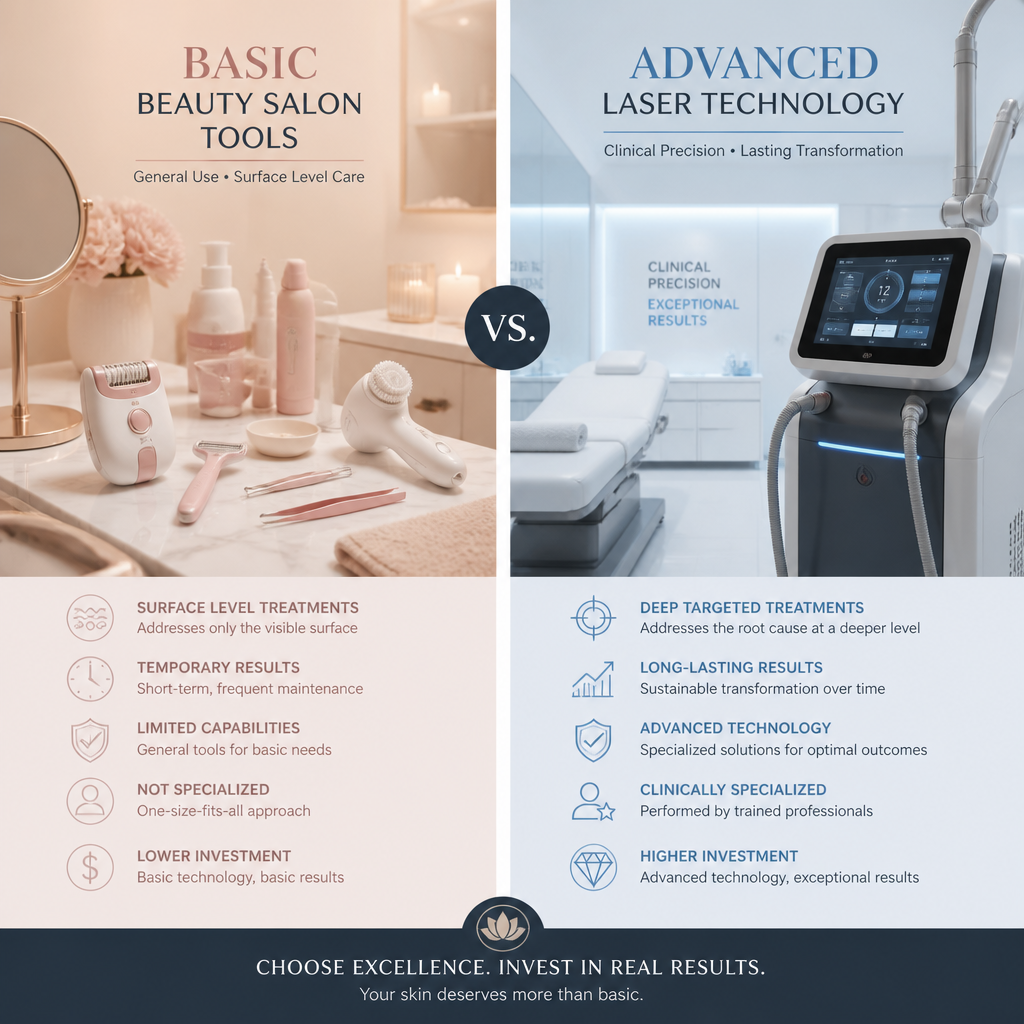
The word “laser” appears on the menu of many beauty salons across Liverpool, but the technology behind that word varies enormously. A true medical-grade laser device is calibrated to deliver precise wavelengths with consistent energy output. It targets the hair follicle at the correct depth without scattering light energy into surrounding tissue.
Many beauty salons operate IPL devices rather than true lasers. IPL emits a broad spectrum of light rather than a single wavelength. This makes it less precise and less effective on certain hair and skin type combinations. It also means the operator has less control over the exact energy delivered to the skin. The result is often underwhelming: patchy hair reduction rather than the lasting results a proper laser system achieves.
At a dedicated laser clinic, the equipment investment is substantial because results depend on it. Clinics that specialise exclusively in laser treatments use devices built for clinical performance, maintained to clinical standards, and calibrated regularly. This is not a detail you will find mentioned in a salon’s promotional material, but it is one of the most direct determinants of whether your treatment will actually work.
The treatment itself is genuinely safe. It is the shortcuts around it, including underpowered machines, generic settings, and skipped patch tests, that create the risk.
Crystal Freeze Cooling and Comfort Technology
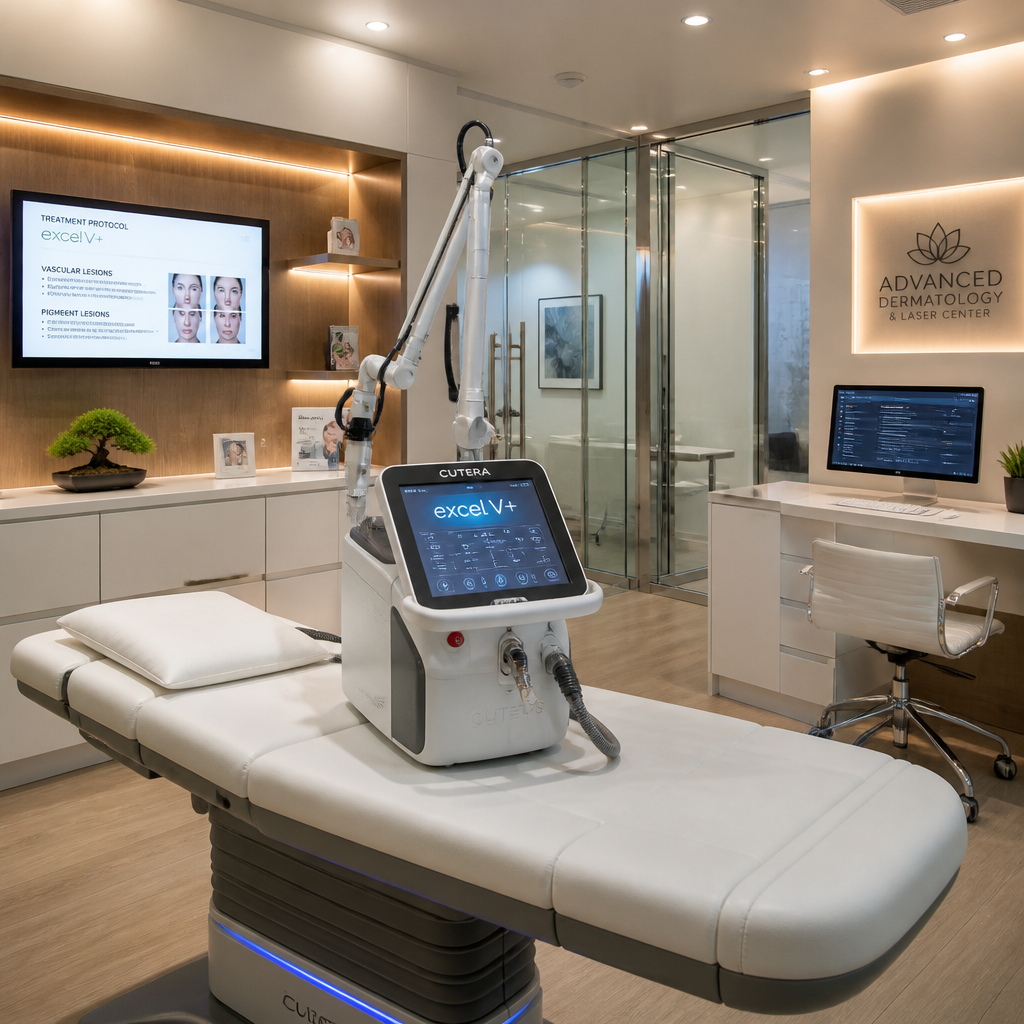
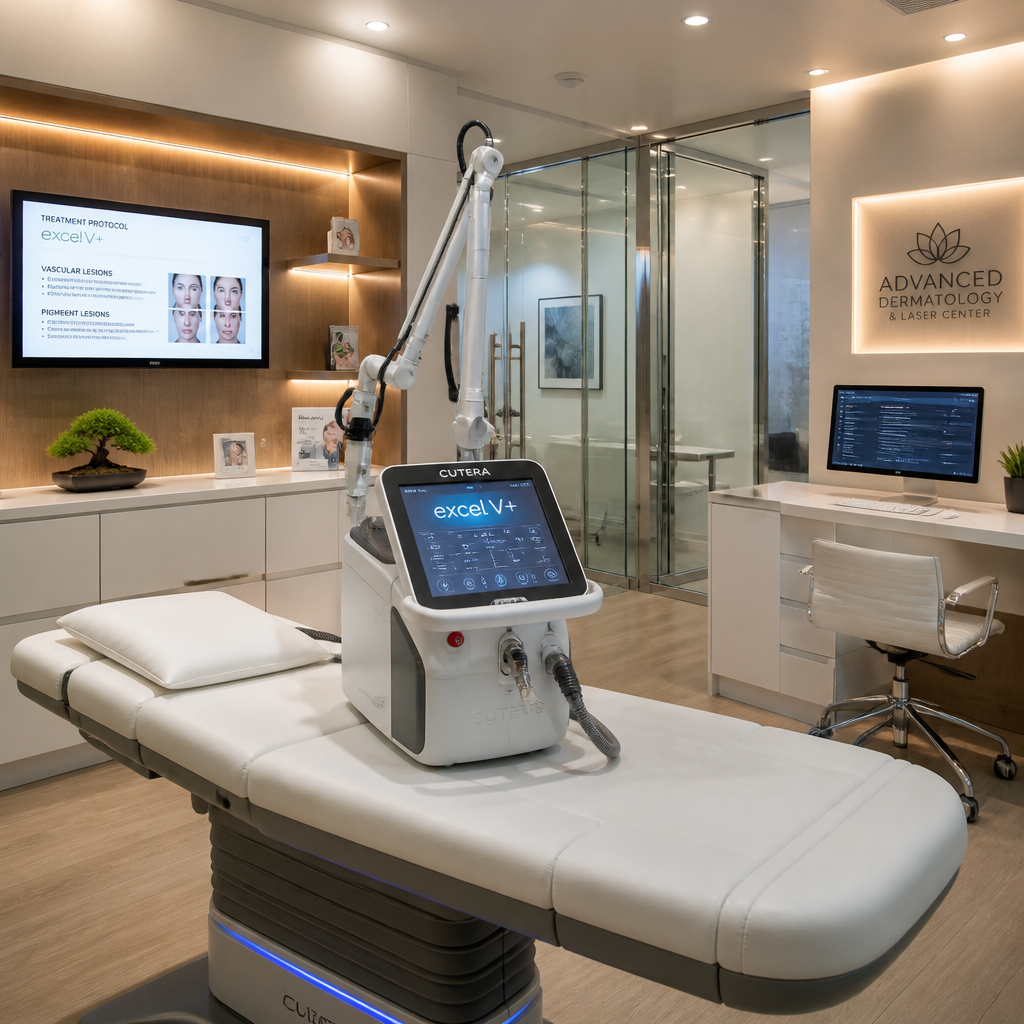
One practical marker of clinical-grade equipment is integrated cooling technology. Advanced specialist clinics use cooling systems that protect the skin surface during treatment, making sessions significantly more comfortable without reducing effectiveness. This kind of precision engineering is absent from the lower-grade machines found in general salons, and it reflects a fundamental difference in how the two types of providers approach the treatment experience.
Safety, Regulations, and Accountability
This is the part of the conversation that most salon marketing materials will not raise. In England, the UK government deregulated the cosmetic sector for non-surgical interventions, which means laser hair removal and IPL treatments do not legally require providers to register with the Care Quality Commission (CQC) in the way that other medical procedures do. The majority of the estimated tens of thousands of private clinics and salons providing these treatments in the UK operate without independent regulatory oversight.
What this means in practice is that any beauty salon can legally offer laser treatments without demonstrating specialist qualifications, maintaining clinical standards, or meeting any formal safety benchmark. There is no official industry body to handle complaints if something goes wrong, which means your only recourse in the event of an injury is through a personal injury claim in negligence, a slow and difficult process that does not repair damaged skin.
A reputable specialist laser clinic in Liverpool fills this regulatory gap voluntarily. They maintain professional indemnity insurance, follow recognised safety protocols, conduct thorough pre-treatment consultations, and use patch tests as standard. They screen for contraindications including photosensitising medications, skin conditions, and recent sun exposure. These are the markers that separate a clinic that takes your safety seriously from one that simply has a laser machine on the premises.
Pro tip: Ask any laser provider whether they conduct a patch test at least 24 to 48 hours before your first full treatment. If a patch test is not offered, or if it is dismissed as unnecessary, walk away. A patch test is a non-negotiable safety step for any reputable operator.
Personalised Treatment Plans, Not One-Size-Fits-All Sessions
Hair grows in cycles. Only follicles in an active growth phase (anagen) can be effectively targeted by laser energy. This is why multiple sessions are necessary, and why spacing those sessions correctly makes a real difference to long-term results. A specialist clinic builds a treatment plan around your personal hair growth cycle, the specific areas you want treated, and any factors that might affect how your skin responds.
General salons tend to sell packages in blocks of a fixed number of sessions spaced at standard intervals. This approach treats every client identically regardless of skin type, hair density, hormonal factors, or the area being treated. For something as variable as laser hair removal, that is a significant shortcoming.
Conditions such as polycystic ovary syndrome (PCOS) affect hair growth patterns in ways that require adjusted treatment plans. Facial hair, intimate areas, and underarms each have different skin sensitivity levels and hair densities. A specialist clinic takes all of this into account. A general salon typically does not have the clinical knowledge to do so, even if they wanted to.
The Consultation Is Not a Formality
At a specialist clinic, the initial consultation is a genuine clinical assessment. It covers your medical history, any medications that interact with light-based treatments, your skin and hair profile, and a realistic discussion of what results you can expect and over what timeframe. This kind of informed consent process protects both you and the clinic.
In a beauty salon, the “consultation” is often a short conversation about which areas you want treated and which package you would like to buy. The clinical depth simply is not there, and without it, your treatment plan is built on guesswork.
A Full Range of Laser Services Under One Roof
One of the practical advantages of choosing a specialist laser clinic over a beauty salon is the breadth of laser expertise available in one place. A dedicated clinic like Faith Laser in Liverpool provides both laser hair removal across multiple areas and professional tattoo removal, handled by operators with specific expertise in each treatment type.
Tattoo removal is an entirely different procedure from hair removal. It requires knowledge of ink composition, tattoo depth, pigment colours, and how the skin responds over a course of sessions. General beauty salons are not equipped for this, either in terms of technology or clinical knowledge. A specialist clinic that offers both services provides the continuity of care and consistent expertise that a generalist setting cannot match.
For clients in Liverpool looking to address pigmentation concerns, unwanted hair in intimate or facial zones, or old tattoos, having a single specialist provider who understands the full picture of light-based treatments is a meaningful advantage. You are not starting from scratch with every new concern.
Specialist Laser Clinic vs. Beauty Salon: Side-by-Side Comparison
| Factor | Specialist Laser Clinic (e.g. Faith Laser, Liverpool) | General Beauty Salon Offering Laser |
|---|---|---|
| Operator training | Specialist laser and light therapy qualifications, ongoing CPD | Often a basic IPL or general beauty qualification |
| Technology used | Medical-grade, calibrated laser devices with integrated cooling | Typically IPL or entry-level laser machines |
| Pre-treatment consultation | Full clinical assessment, contraindication screening, patch test | Often minimal, sometimes skipped entirely |
| Treatment personalisation | Settings adjusted per skin type, hair type, treatment area, and health history | Generic settings applied to all clients |
| Services available | Hair removal across all body areas, tattoo removal, pigmentation treatment | Hair removal as a side-service alongside unrelated beauty treatments |
| Safety accountability | Professional indemnity insurance, clinical protocols, documented aftercare | Variable, often no formal laser-specific accountability |
| Results reliability | Consistent, verifiable outcomes with appropriate session spacing | Inconsistent, often requiring additional sessions to compensate |
Real Results and Long-Term Value for Money
Price is often the first thing people compare when choosing between a specialist clinic and a beauty salon for laser treatment. On the surface, a salon may appear cheaper per session. In practice, the total cost of achieving your goal is almost always higher when the treatment is underpowered, settings are generic, and the machine being used is not calibrated for your specific profile.
Under-priced treatments are frequently supported by underpowered machines running on generic settings to save time. Each of those shortcuts reduces the effectiveness of the session. When sessions do not produce sufficient follicle damage to inhibit regrowth, more sessions are needed to approach the same result that a well-calibrated specialist clinic achieves in fewer visits. Factor in any corrective treatments needed if the skin is damaged, and the supposed saving evaporates entirely.
A specialist laser clinic in Liverpool that invests in state-of-the-art equipment and highly trained operators charges a price that reflects genuine clinical value. The goal is lasting results with minimal sessions and no adverse outcomes. That is a fundamentally different proposition from the cheapest option on a salon menu.
What Lasting Results Actually Look Like
For laser hair removal, lasting results mean a sustained, significant reduction in regrowth after completing a full course of correctly spaced sessions. For tattoo removal, it means progressive and complete fading of the ink with minimal residual marking to the skin. These outcomes are achievable with the right equipment and expertise, but they require both. One without the other is where results fall short and clients end up disappointed or, worse, injured.
Frequently Asked Questions
Is laser hair removal in a beauty salon actually unsafe?
It is not automatically unsafe, but the risk is significantly higher than in a specialist clinic. Beauty salons operate legally without specialist laser qualifications or formal clinical oversight in the UK. The most common adverse outcomes, including burns, blistering, and pigment changes, are caused by operator error and incorrect machine settings, not by the technology itself. A specialist clinic with properly trained operators and calibrated equipment eliminates most of these risks.
What is the difference between IPL and laser hair removal?
IPL stands for intense pulsed light and emits a broad spectrum of light across multiple wavelengths. True laser emits a single, precise wavelength calibrated to target the melanin in hair follicles. Laser is more precise, more effective across a wider range of skin and hair types, and gives the operator greater control over the energy delivered. Many beauty salons offer IPL and market it as laser hair removal. A specialist clinic will be clear about which technology it uses and why.
How many sessions will I need at a specialist laser clinic compared to a salon?
The number of sessions required depends on your hair type, skin type, the area being treated, and how consistently sessions are spaced. In general, a specialist clinic using properly calibrated equipment and personalised settings achieves effective results in fewer sessions than a salon running generic settings on a lower-grade machine. Most people require between six and eight sessions for laser hair removal when treated at a properly equipped specialist clinic.
Can a specialist clinic in Liverpool treat darker skin tones safely?
Yes, but only if the clinic uses the right laser wavelength and the operator is trained in treating darker skin tones. Darker skin tones carry a higher risk of hyperpigmentation if treated with the wrong device or incorrect settings. A specialist clinic assesses your Fitzpatrick skin type during the consultation and selects the appropriate technology and parameters for your profile. This assessment is frequently absent from general salon consultations, which is one of the reasons adverse outcomes are more common in non-specialist settings.
Does Faith Laser in Liverpool offer a consultation before treatment?
Yes. Faith Laser provides consultations ahead of treatment to assess your individual needs, discuss the process and expected results, and ensure the right approach is taken for your skin and hair type. This is standard practice for any reputable specialist laser clinic and is one of the clearest distinctions from general beauty salons that move straight to booking a session without clinical assessment.
Is tattoo removal something a beauty salon can offer effectively?
Tattoo removal requires specialist laser technology specifically designed to break down ink pigments at varying depths, along with clinical knowledge of how different ink colours and skin types respond across a course of treatments. This is a fundamentally different skill set from hair removal or general beauty services. A specialist laser clinic with dedicated tattoo removal expertise and the appropriate equipment is the only setting where consistent, complete results with minimal skin damage can be reliably delivered.
If you are considering laser treatment in Liverpool, we would love to hear about your experience. Have you noticed a difference between treatments received at a specialist clinic and a general salon? Share your thoughts below.
References
- Understanding the lack of CQC regulation for cosmetic laser and IPL treatments in the UK and the risks this creates for consumers
- The real risks of cheap or unqualified laser hair removal, including burns, pigment changes, and missed contraindications
- Laser and IPL hair removal demand, demographics, and risk management guidance for UK clinics
- Legal guidance on liability and negligence in laser hair removal claims in the UK