
Intimate Laser Hair Removal Liverpool: What to Know
Deciding to book intimate laser hair removal in Liverpool is a bigger step than booking a leg wax, and most people walk into their first consultation with far more questions than they let on. What does it actually feel like? How many sessions will you need? Is the whole process as awkward as it sounds? The honest answer is: it is a routine, professional treatment, and a well-run clinic makes the experience straightforward from day one. If you are researching intimate laser hair removal in Liverpool, this guide covers everything you need to know before you spend a penny, from how the technology works to what to expect in the treatment room.
Table of Contents
- Quick Takeaways
- What Counts as Intimate Laser Hair Removal?
- How the Technology Works
- How Many Sessions Will You Need?
- Does It Hurt?
- Who Is a Good Candidate?
- Preparing for Your Appointment
- Aftercare: What to Do and Avoid
- Comparing Your Treatment Options
- Frequently Asked Questions
- References
Quick Takeaways
| Key Insight | Explanation |
|---|---|
| Multiple sessions are non-negotiable | Most clients need 6 to 8 sessions spaced several weeks apart because laser only targets hair in its active growth phase at any given time. |
| Shave, do not wax, before treatment | Shaving 24 hours before your session is recommended. Waxing or plucking removes the root the laser targets and must be avoided for at least four weeks prior. |
| Bikini and Brazilian are not the same thing | Bikini laser covers the edges around the bikini line. Brazilian covers the full frontal pubic area and bikini line, while a Hollywood treatment removes all hair in the intimate zone including the behind area. |
| Technology matters for darker skin tones | Advanced multi-wavelength laser systems treat a wider range of skin tones safely. Always confirm the technology a clinic uses before booking, especially if you have a darker complexion. |
| Sun exposure before or after is a risk | Tanned or recently sun-exposed skin increases the risk of burns and pigmentation changes. Avoid sun exposure and self-tan products before and after each session. |
| Discomfort is manageable and brief | Most clients describe the sensation as a mild rubber-band snap. Sessions for the bikini area typically last 15 to 30 minutes depending on coverage. |
| Consultation and patch test come first | A reputable clinic will not laser you on the first visit without a proper consultation and patch test to confirm suitability and check for reactions. |
What Counts as Intimate Laser Hair Removal?
The terminology used across clinics is not always consistent, which creates genuine confusion when you are trying to compare services. In practice, intimate laser hair removal refers to any laser treatment applied to the pubic region, and it comes in three main coverage levels.
A bikini line treatment removes hair that falls outside the edges of a standard bikini bottom, tidying the inner thighs and the very top of the pubic region. A Brazilian goes further, covering the full frontal pubic area and bikini line while leaving the behind area untreated. A Hollywood, sometimes called a full bikini, removes all hair in the intimate zone including the behind area. Some clinics also use the term “intimate” to cover treatments for the perianal zone as a standalone option.
At Faith Laser in Liverpool, these options are clearly set out so you can choose the coverage that suits you without having to guess what a service label includes. If you are unsure which to book, the consultation is exactly the right moment to ask.

How the Technology Works
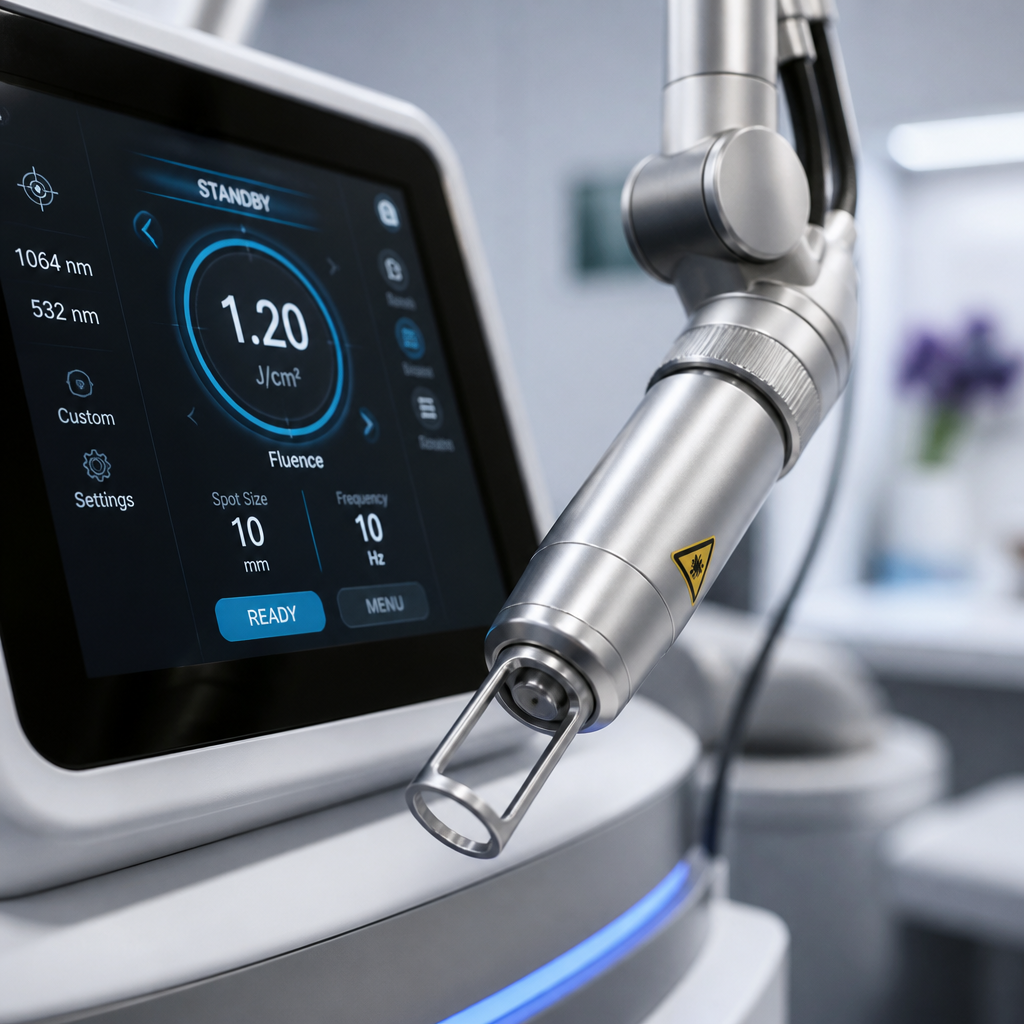
Laser hair removal works by directing concentrated light energy into the hair follicle. The pigment in the hair shaft absorbs that energy, which converts to heat and damages the follicle enough to disrupt or prevent future hair growth. The key word is follicle: the laser is targeting the root, not the surface hair, which is why shaving beforehand is essential and waxing is counterproductive.
Why Wavelength Matters in the Intimate Zone
Not all lasers are created equal, particularly for sensitive skin and varied skin tones. Alexandrite lasers perform well on lighter skin tones. Nd:YAG lasers are the safer choice for darker skin tones because they penetrate deeper without over-targeting melanin in the surrounding skin. Diode lasers offer a practical middle ground, working across a broader range of skin types. The most advanced systems combine multiple wavelengths into a single platform, sometimes called Triplicity technology, which allows a single device to be precisely calibrated for each individual client’s skin tone and hair colour.
Faith Laser uses advanced Triplicity wavelength technology, which means the treatment is not a one-size-fits-all approach. The energy settings are adjusted at every session based on how your skin and hair are responding, which is a meaningful difference from clinics running fixed protocols regardless of your profile.
The most common reason intimate laser hair removal underperforms is not the technology itself. It is the failure to adapt settings to the individual at each session. A static protocol delivers static results.
What Happens to the Hair After Treatment
After a session, treated hairs do not disappear overnight. They shed over the following one to three weeks as the damaged follicles push them out. You may notice what looks like regrowth during this period, but that shedding is part of the process. Between sessions, avoid plucking or waxing those hairs out, as this interferes with the follicle cycle the next laser appointment is designed to target.
How Many Sessions Will You Need?
Anyone who promises permanent full removal in two or three sessions is overselling. Hair grows in cycles and at any given moment a significant portion of your follicles are in a resting phase that makes them invisible and unreachable by the laser. Multiple sessions spaced several weeks apart are necessary to catch each follicle during its active growth phase.
For the bikini area, most clients need between six and eight sessions. Sessions are typically spaced four to eight weeks apart depending on the area and how your hair cycle responds. After completing a full course, the majority of clients see a dramatic and lasting reduction. Some choose a maintenance session once or twice a year thereafter to manage any fine regrowth, particularly if hormonal changes trigger it.
Pro tip: Book your course of sessions in advance rather than one at a time. Clinics with packages, like those offered at Faith Laser, tend to be significantly more cost-effective than paying per session, and you will not face booking gaps that extend your overall treatment timeline.
Individual factors that affect session count include hair colour (dark, coarse hair responds fastest), skin tone, hormone levels, and the size of the treatment area. Fine, light, or hormonal hair may require additional sessions. This is not a failure of the treatment; it is simply biology.

Does It Hurt?
This is the question almost everyone asks but few people want to be the first to raise. The honest answer is that it is uncomfortable rather than painful for most people, and the intimate area is more sensitive than legs or underarms. Clients most commonly describe the sensation as similar to a rubber band snapping against the skin, or a brief feeling of warmth and pinch.
A standard bikini line treatment typically takes around 15 to 20 minutes. A full Brazilian or Hollywood session may run up to 30 minutes. Modern laser systems often incorporate built-in cooling mechanisms to calm the skin in real time, which significantly reduces discomfort compared to older equipment. If you are particularly sensitive, mention it during your consultation. Topical numbing cream is sometimes an option, though clinics will advise whether it is appropriate for your specific treatment.
Pain tolerance also shifts across your menstrual cycle. Many clients find the days immediately before and during their period increase sensitivity in the intimate zone. Scheduling your sessions in the middle of your cycle, if possible, is a simple way to keep discomfort to a minimum.
Pro tip: Avoid booking your intimate laser session in the 48 hours before or during your period. Skin in the pubic region is significantly more sensitive at that point, and even if the pain is tolerable, inflammation is more likely, which affects how the skin recovers afterward.
Who Is a Good Candidate?
Laser hair removal on the intimate zone is suitable for most adults, but there are factors that determine whether you are ready to book or need to address something first. The treatment works best when there is a clear contrast between hair colour and skin tone, because the laser targets pigment in the hair. Dark, coarse hair on lighter skin responds most quickly. That said, modern multi-wavelength technology has made the treatment viable for a much wider range of skin tones than older single-wavelength systems.
When to Hold Off
You should not book intimate laser hair removal if you are pregnant, as a precaution. Active skin infections, cold sores, open wounds, or inflammatory skin conditions in the treatment area are also contraindications for that session. Certain medications increase photosensitivity, including some antibiotics and acne treatments like roaccutane, so always disclose your full medication list at consultation.
Very fair or grey pubic hair presents a genuine challenge because there is insufficient pigment for the laser to target effectively. If this applies to you, a clinic should be upfront about expectations rather than taking your money and underdelivering. Hormonal conditions such as polycystic ovary syndrome (PCOS) can result in denser, more resilient hair growth that requires additional sessions to manage, but the treatment is not off the table.
Preparing for Your Appointment
Preparation directly affects your results. The most important rule is to shave the area 24 hours before your appointment. This leaves the follicle in place for the laser to target while removing the surface hair that would otherwise absorb laser energy at the skin surface and cause unnecessary heat. Do not wax, thread, or use hair removal cream in the area for at least four weeks before your session, as these methods remove the root the laser needs.
Avoid any sun exposure to the treatment area in the weeks before your appointment. This includes sunbeds and self-tan products. Tanned skin carries more melanin near the surface, increasing the risk of the laser affecting the surrounding skin rather than just the follicle. Arrive with clean skin and no lotions, oils, or deodorants on the area.
Wear comfortable, loose clothing to your appointment. Tight waistbands or synthetic underwear immediately after treatment on the intimate zone will irritate freshly treated skin. Cotton and loose-fitting clothing are a better choice for your travel home and the rest of that day.
Aftercare: What to Do and Avoid
The 24 to 48 hours immediately after treatment are when you need to be most careful. Treated skin in the intimate zone will be sensitive and slightly inflamed, similar to mild sunburn. Apply a soothing lotion such as aloe vera gel to calm the area. Avoid hot baths, saunas, steam rooms, and intense exercise that causes sweating for at least 24 hours, as heat exacerbates inflammation and increases the risk of irritation.
Keep sun exposure off the treated area for at least two weeks after each session. Use SPF protection if any part of the treated zone is exposed to sun, though for intimate areas this is rarely an issue in practical terms. Avoid tight clothing, and resist the urge to exfoliate the area aggressively for the first week. As hairs begin to shed over the following two to three weeks, gentle exfoliation with a soft cloth can help prevent ingrown hairs during the shedding process.
Strong>Do not wax, pluck, or use depilatory creams between sessions. Shaving is fine if you want to manage surface growth between appointments, and it will not interfere with your treatment results.
Comparing Your Treatment Options
| Treatment Option | Coverage Area | Best For |
|---|---|---|
| Bikini Line Laser | Hair outside the bikini bottom edge, inner thigh border, top of pubic area | Clients wanting a neat, tidied bikini line without full intimate coverage; good starting point for first-timers |
| Brazilian Laser | Full frontal pubic area and bikini line, excluding the behind area | Clients wanting near-complete front coverage while maintaining some personal choice; most popular option overall |
| Hollywood (Full Intimate) Laser | All hair in the intimate zone including the behind area | Clients wanting complete, long-term removal of all intimate hair with no maintenance shaving between sessions |
The choice between these options is entirely personal. There is no medically superior option, and what works for one person’s lifestyle, comfort, and preference is the right choice for them. A good clinic will never push you toward a more expensive coverage level, and will always explain what each option includes in plain terms before you commit to anything.
Frequently Asked Questions
How long does a Brazilian laser hair removal session take at a Liverpool clinic?
A Brazilian laser session typically takes between 20 and 30 minutes depending on the coverage and the technology used. Bikini line treatments are shorter, often 15 to 20 minutes. The brief session time is one of the practical advantages of laser over waxing appointments, which often take longer including preparation.
Is bikini laser hair removal in Liverpool suitable for darker skin tones?
Yes, provided the clinic uses a laser system capable of treating darker complexions safely. Nd:YAG lasers and advanced multi-wavelength platforms are suitable for deeper skin tones. Always ask a clinic specifically which laser technology they use and confirm it is appropriate for your skin tone before booking. A reputable clinic will never proceed without a consultation and patch test first.
Will I need to take time off after intimate laser hair removal?
No. Most clients return to their normal daily activities immediately after a session. You will want to avoid strenuous exercise, hot baths, and saunas for 24 hours, and you should wear loose, comfortable clothing. There is no recovery period in the way there would be after a surgical procedure. Redness and mild sensitivity in the treated area typically resolve within a few hours to a day.
How much does intimate laser hair removal cost in Liverpool?
Costs vary by clinic, coverage area, and whether you book individual sessions or a course package. A full course of sessions purchased as a package is consistently more cost-effective than paying per visit. Faith Laser offers tailored packages designed to fit individual needs and budgets. The best starting point is a consultation where you can get a clear breakdown before committing.
Can I shave between laser hair removal sessions?
Yes. Shaving between sessions is fine and does not affect treatment results because it does not disturb the hair follicle. What you must not do between sessions is wax, thread, pluck, or use depilatory creams, as these remove the root that the next laser session needs to target. Surface shaving is the only hair removal method that is compatible with an ongoing laser course.
How many sessions of bikini laser hair removal will I realistically need?
Most clients need between six and eight sessions for the bikini and intimate area, spaced four to eight weeks apart. Some individuals, particularly those with hormonal hair growth or finer hair types, may benefit from additional sessions. After a full course, most clients see a substantial and lasting reduction, with optional maintenance sessions once or twice a year if any fine regrowth occurs.
Does Faith Laser offer intimate laser hair removal for both men and women?
Faith Laser provides laser hair removal across a wide range of areas for clients in Liverpool. The best approach is to contact the clinic directly or book a consultation to discuss the specific treatment area, coverage preferences, and any individual considerations. The consultation is free of obligation and is where all specific questions about your situation should be addressed.
If you have had an intimate laser hair removal experience in Liverpool or questions this guide did not answer, share them below so others preparing for their first appointment can benefit too.
We would love your feedback and any insights you would share with others. What perspective would you add?
References
- Cleveland Clinic overview of how laser hair removal works and what to expect from sessions
- Dermatology guide to bikini laser hair removal covering pain, timing, and coverage areas
- What to expect from bikini laser hair removal including skin type suitability and aftercare
- How many laser hair removal sessions are needed for the bikini area