Does Laser Hair Removal Hurt? What to Expect
If the fear of pain is the main thing stopping you from booking laser hair removal, you are not alone. Does laser hair removal hurt? is one of the most searched questions about the treatment, and the honest answer is: yes, there is some sensation, but for the vast majority of people it is far more manageable than they expect. Most clients describe it as a quick rubber-band snap against the skin rather than anything resembling genuine pain. At Faith Laser in Liverpool, our Crystal Freeze cooling technology is built into every session precisely to take the edge off that sensation, making treatments far more comfortable than the horror stories you may have read online.
Table of Contents
- What Does Laser Hair Removal Actually Feel Like?
- Quick Takeaways
- Pain by Body Area: A Realistic Breakdown
- Factors That Affect How Much It Hurts
- How to Reduce Discomfort Before and During Treatment
- What to Expect After Your Session
- Does It Get Easier Over Multiple Sessions?
- Laser Hair Removal vs. Other Hair Removal Methods
- Frequently Asked Questions
- References
What Does Laser Hair Removal Actually Feel Like?
The most accurate description most clients give is a quick snap, similar to a rubber band flicking against the skin, followed by a brief pulse of warmth. It registers and passes in a fraction of a second with each pulse. You are not lying there enduring sustained discomfort. You feel a pulse, your skin registers it, and the sensation is already gone before your brain has fully processed it.
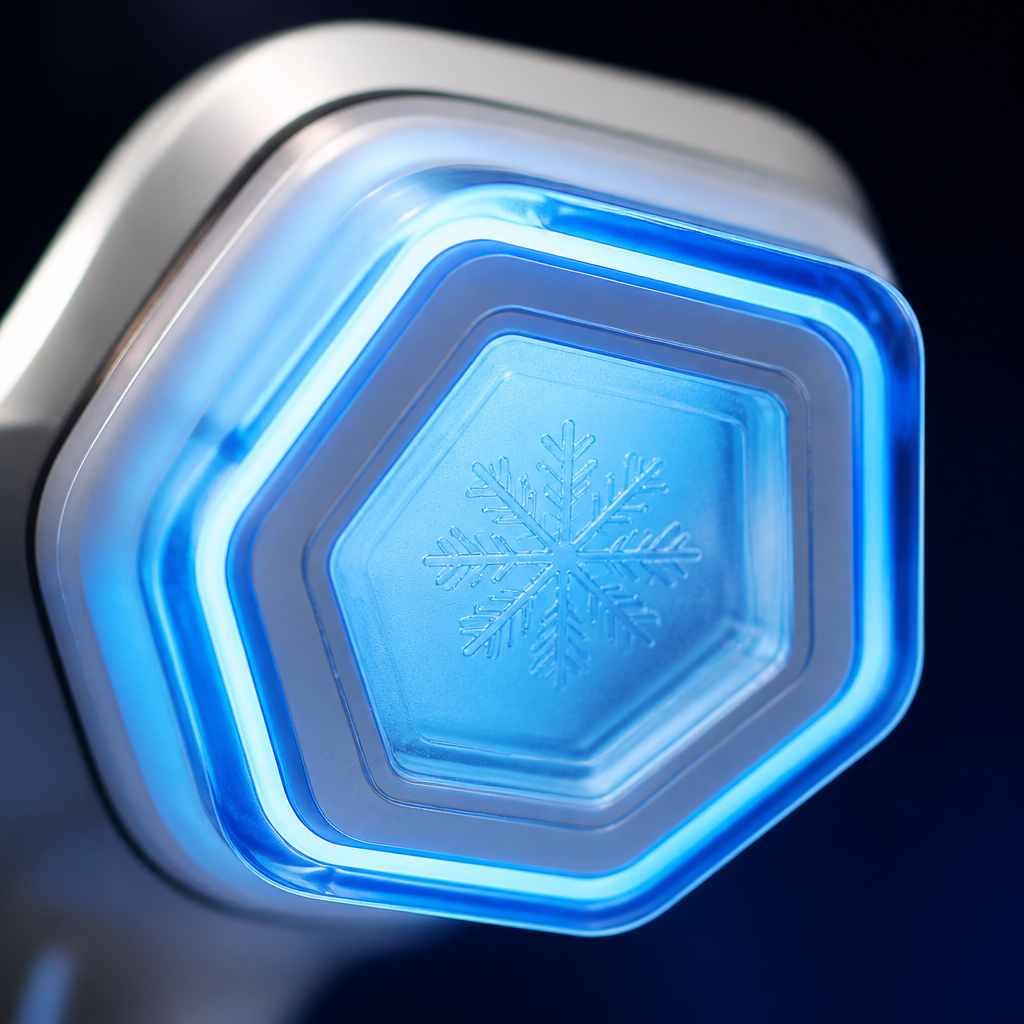
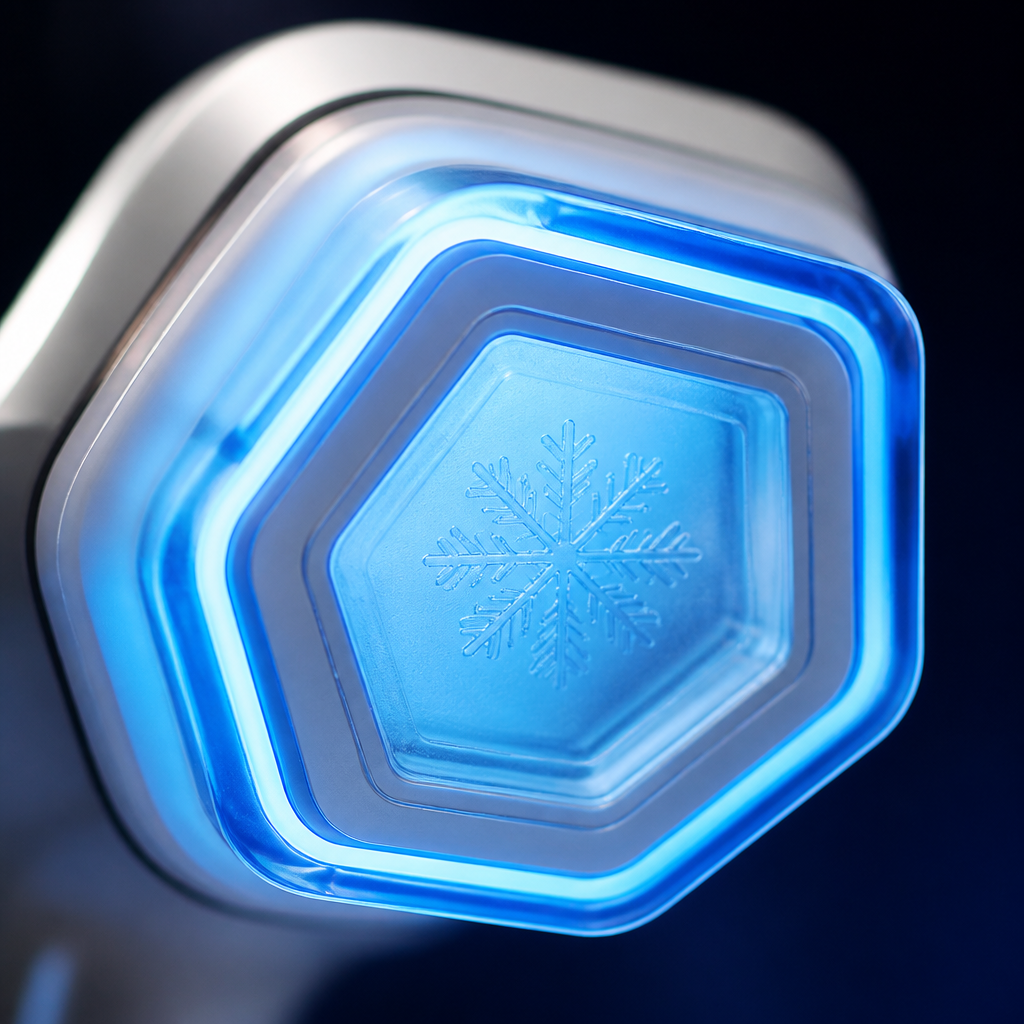
The process works by targeting hair follicles with concentrated laser energy. The pigment in the hair absorbs the heat, which travels down to the follicle and disrupts future growth. Because the laser targets pigment specifically, darker hair on lighter skin absorbs the most heat, which is why hair colour and skin tone both influence how the treatment feels. Modern equipment, like the AW3 system used at Faith Laser, also fires with a built-in cooling mechanism that chills the skin surface at the point of contact, reducing the sensation substantially.
The key distinction to make here is between discomfort and pain. Most people who dread this treatment have imagined something much worse than what actually happens. Discomfort is accurate. Agony is not.
Quick Takeaways
| Key Insight | Explanation |
|---|---|
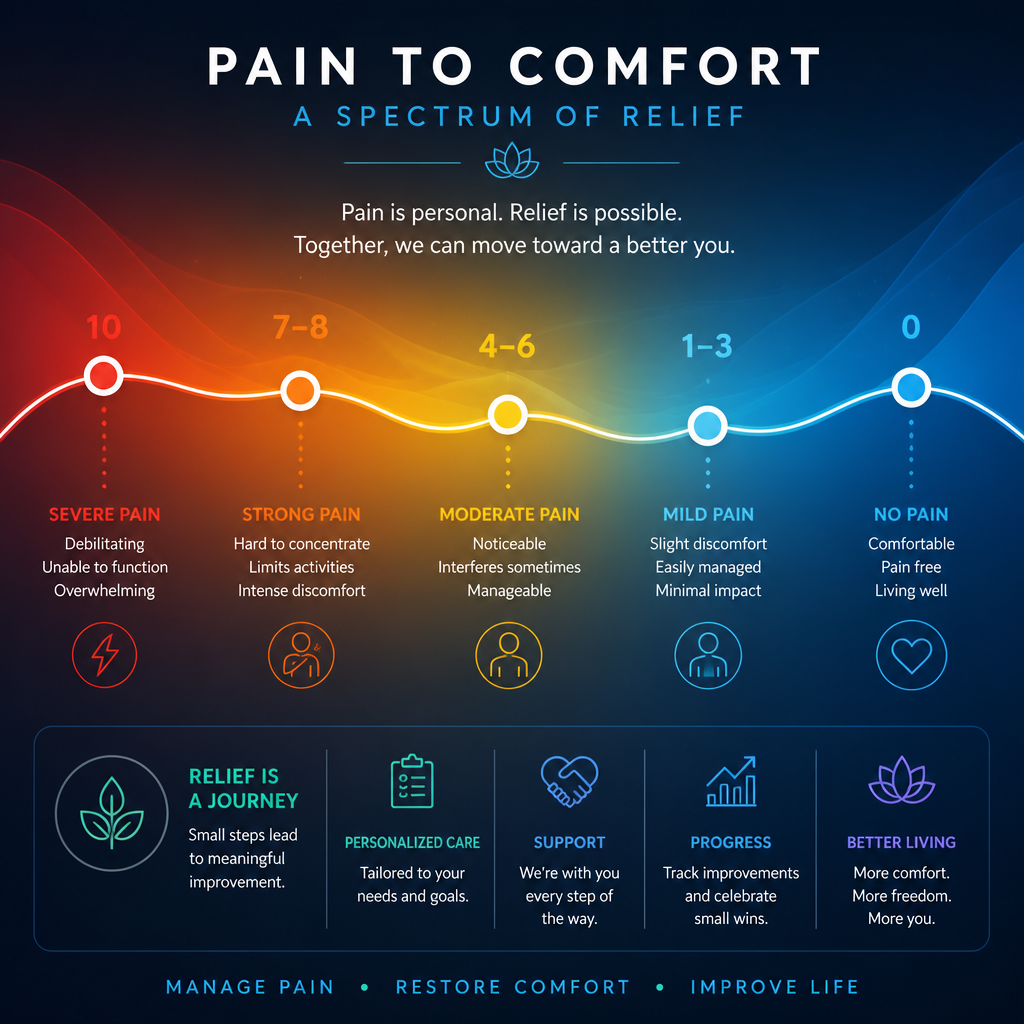
| Most clients rate pain between 2 and 4 out of 10 | On a scale where 10 is the worst imaginable pain, most people find laser hair removal mild to moderate, more like a mild annoyance than genuine pain. |
| The sensation lasts a fraction of a second per pulse | Each laser pulse is brief. You are not enduring sustained heat. The snap registers and fades almost instantly. |
| Body area matters significantly | Thinner-skinned areas like the upper lip, underarms, and bikini line are more sensitive. Legs, arms, and stomach are generally much easier to treat. |
| Cooling technology changes the experience | Built-in cooling systems, like Faith Laser’s Crystal Freeze technology, reduce surface heat and make the treatment noticeably more comfortable compared to older equipment. |
| First sessions can feel more intense | Hair is denser at the start of a course, and unfamiliarity with the sensation can amplify perception of discomfort. It typically becomes easier from session two onwards. |
| Shaving before your appointment reduces discomfort | Shaving the day before means less surface hair to absorb the laser energy at skin level, reducing the intensity of the sensation. |
| Post-treatment discomfort is mild and short-lived | Redness and mild sensitivity similar to a mild sunburn are the most common after-effects. These typically settle within one to three days. |
Understanding what to expect before your first appointment makes a genuine difference to how you experience the treatment. Anxiety about the unknown often amplifies pain perception more than the treatment itself ever does. The clients who walk in knowing what the sensation feels like almost always find it easier than those who arrive bracing for something terrible.
Pain by Body Area: A Realistic Breakdown
Not all areas of the body feel the same during laser hair removal. The thickness of the skin, the density of the hair, and the concentration of nerve endings all play a role. Here is a straight assessment of what to expect for the most commonly treated areas at Faith Laser.
Underarms
The underarms are among the more sensitive areas because the skin there is thin and the hair is often coarser. Most clients find it sharp for the first few pulses, then settle into the rhythm of the treatment. Sessions for this area are short, which helps significantly. With Crystal Freeze cooling, the sensation is considerably reduced compared to treatments without a cooling system.
Bikini Line and Intimate Zones
The bikini line and intimate areas are the areas clients most often worry about. The skin is thin and reactive, similar to the underarms. Many clients compare the sensation to waxing, though unlike waxing, there is no pulling or tearing. The sensation is a sharp pulse rather than a drag across the skin. For most people, once they have had their first session, the anticipation is worse than the reality. Faith Laser’s full body laser hair removal packages cover these areas with care and professionalism in a relaxed, private setting.
Face
Facial treatments vary considerably by zone. The upper lip is the most sensitive part of the face, with thin skin and a high concentration of nerve endings. The cheeks and forehead are far less intense, and most clients find those areas easy to manage. Chin and jaw treatments fall somewhere in between.
Legs and Arms
These are generally the easiest areas to treat. The skin is thicker, the hair tends to be finer, and the sessions are well tolerated by almost everyone. If you are new to laser hair removal and anxious about pain, legs are a good area to start with so you can get a feel for the sensation before moving to more sensitive zones.
Back and Stomach
The stomach, like the arms, has thicker skin and tends to be comfortable during treatment. The back can be more variable, with areas closer to the spine being more sensitive, similar to the bikini line. Overall, back treatments are manageable for most clients.
Factors That Affect How Much It Hurts
Two people can sit in the same treatment chair, receive pulses on the same body area, and have noticeably different experiences. That is not exaggeration. These are the real variables at work:
Skin sensitivity is a primary factor. Naturally reactive skin will feel the pulses more acutely. If your skin flushes easily or reacts to other topical treatments, expect slightly more sensitivity during laser sessions.
Your pain threshold is personal and not something to be embarrassed about. Some people are more sensitive to sharp, brief sensations. Others barely register them. Neither makes you a better or worse candidate for treatment. It simply means your experience will differ from someone else’s.
Hair thickness and density make a real difference. Coarser, denser hair absorbs more laser energy at the follicle, which can make the pulse feel sharper. As your course of treatment progresses and hair becomes finer and sparser, subsequent sessions consistently feel easier.
Where you are in your menstrual cycle can influence sensitivity. Skin tends to be more reactive in the days immediately before and during a period, so if you have the flexibility to schedule around that window, it is worth doing.
Finally, your general state matters more than people realise. Being well-rested, well-hydrated, and not stressed going into a session makes a measurable difference to how you experience it. Arriving anxious, tired, or dehydrated sets you up for a harder time than the treatment itself warrants.
The anticipation of pain is almost always worse than the treatment itself. Walking in knowing exactly what the sensation feels like, and why it is happening, takes away the anxiety that amplifies discomfort more than any laser pulse ever could.
How to Reduce Discomfort Before and During Treatment
There are practical things you can do before arriving at Faith Laser that genuinely reduce how much you feel during the session. These are not gimmicks. They work.
Shave the treatment area the day before your appointment. A small stub of hair above the skin means more energy is absorbed at the surface rather than directed efficiently to the follicle. Shaving the day before channels the laser energy exactly where it should go and reduces the sensation at skin level.
Avoid sun exposure for at least two weeks before your session. Skin that has been recently exposed to the sun is more reactive and sensitive to the laser. This is one of the most commonly ignored pre-treatment instructions and one of the most impactful. Liverpool’s weather makes this easy for most of the year, but if you have been on holiday, allow your skin to fully settle before booking.
Stay well-hydrated in the days leading up to your appointment. Hydrated skin responds better to treatment and is generally less reactive. Drink water consistently in the 24-48 hours before your session rather than trying to make up for it on the morning of your appointment.
Pro tip: Avoid caffeine on the day of your treatment. Caffeine heightens nerve sensitivity and can make the sensation feel sharper. Switching to water or herbal tea on your appointment day is a small change that makes a noticeable difference.
Communicate with your practitioner during the session. If a particular area feels more intense than expected, say so. Experienced practitioners can make adjustments to keep your treatment as comfortable as possible without compromising results. You are not expected to endure silently.
Pro tip: Avoid waxing, plucking, or using epilators in the weeks before your session. These methods remove the hair root, which is exactly what the laser needs to target. Shaving is the only hair removal method you should use between sessions.
What to Expect After Your Session
The most common post-treatment effects are mild redness, warmth, and slight swelling around the hair follicles. Think of it as similar to a mild sunburn. These effects are temporary and typically resolve within one to three days. In some cases they settle within a few hours.
Some clients notice small raised bumps around the follicles immediately after treatment. This is a completely normal response. It shows the follicles have been effectively targeted. It settles on its own with simple, gentle aftercare.
Here is what to do in the 48 hours after your session at Faith Laser:
- Apply a cold compress or ice wrapped in a clean cloth to soothe any warmth or swelling. Keep it on the area for five to ten minutes at a time.
- Wear loose-fitting clothing over treated areas to avoid friction. The follicles retain heat from the laser for a short time after treatment, and tight fabric will irritate the skin.
- Use only lukewarm water when showering. Hot water can aggravate sensitive post-treatment skin and prolong redness.
- Avoid deodorant on the underarms if that area was treated. Deodorant products can irritate freshly treated skin.
- Stay out of saunas, steam rooms, and hot tubs for a few days after each session.
- Protect the treated area from sun exposure. Wear SPF on any treated areas that will be exposed to daylight.
Do not use body scrubs or exfoliants for at least a few days after treatment. Your skin needs time to settle, and abrasive products will only prolong any irritation.
Does It Get Easier Over Multiple Sessions?
Yes, and this is not just reassurance. There is a practical reason for it. Most people need around six treatment sessions, spaced several weeks apart, to achieve lasting results. Hair follicles must be treated during their active growth phase, and not all follicles are in the same phase at the same time, which is why multiple sessions are required.
As the course progresses, the treated follicles produce finer, sparser hair. With less dense and finer hair to target, subsequent sessions feel progressively easier. Clients who found the first session most intense frequently report that by sessions three or four the discomfort is barely noticeable.
The first session also carries the added weight of not knowing what to expect. Once you have been through it once and know exactly what each pulse feels like, the psychological element disappears. That alone makes sessions two onwards significantly more comfortable than the first, regardless of what the laser is actually doing.
At Faith Laser, affordable treatment packages are tailored to individual needs, allowing you to plan and budget your sessions without pressure. A free consultation before your first session is the best way to ask every question you have, understand the process in detail, and walk in on your first appointment genuinely prepared.
Laser Hair Removal vs. Other Hair Removal Methods
The most useful way to contextualise how laser hair removal feels is to compare it honestly against the alternatives most people are already using. Pain tolerance is relative, and many people have already been putting themselves through far more discomfort with other methods without thinking twice about it.
| Method | Pain Level and Type | Long-Term Outcome |
|---|---|---|
| Laser Hair Removal | Brief, sharp pulse per session (2-4 out of 10 for most people). Built-in cooling significantly reduces sensation. Gets easier with each session. | Long-lasting reduction. Finer, sparser regrowth after a full course. Far fewer maintenance sessions needed over time. |
| Waxing | Moderate to high pain. Sustained pulling and tearing sensation with each strip. Repeated across the entire area in one session. Can cause ingrown hairs and skin trauma. | Temporary. Hair returns in 3 to 6 weeks and must be long enough to wax again. No long-term reduction in hair density. |
| Epilating | High and sustained. Multiple tiny tweezers pull many hairs simultaneously across the entire treatment area. Particularly harsh on sensitive zones. Most people find epilating significantly more uncomfortable than laser. | Temporary. Results last slightly longer than waxing but hair returns fully. No reduction in growth over time. |
The honest comparison here is that waxing, which most people do without a second thought every few weeks, is widely reported as more painful than laser hair removal, and produces no lasting benefit. Laser hair removal involves more upfront sessions but results in progressively less hair growth, less maintenance, and a genuine reduction in the overall time and discomfort you spend dealing with unwanted hair across months and years.
For clients in Liverpool looking for laser hair removal as an alternative to their existing hair removal routine, the trade-off is very straightforward: a small amount of temporary, manageable discomfort per session, in exchange for long-term results that make the whole routine simpler.
Frequently Asked Questions
Does laser hair removal hurt more than waxing?
Most people find laser hair removal less painful than waxing. Waxing involves pulling hair from the root across the entire treatment area in one session, which creates a sustained, dragging pain. Laser hair removal delivers brief pulses, each lasting a fraction of a second. Many clients who have been waxing for years are genuinely surprised by how manageable laser feels in comparison.
Which body areas hurt the most during laser hair removal?
The most sensitive areas are those with thinner skin and a higher concentration of nerve endings. The upper lip, underarms, and bikini line are consistently reported as the most intense zones. Legs, arms, stomach, and cheeks are significantly easier to treat. Even in sensitive areas, the discomfort is brief and the sessions are short, which makes the experience manageable for the vast majority of clients.
Can I use numbing cream before my laser hair removal session?
Topical numbing creams can help reduce sensitivity, particularly in very sensitive areas like the bikini line or upper lip. However, they need to be applied in advance, and some practitioners prefer not to use them because they can affect skin response during treatment. At Faith Laser, the Crystal Freeze cooling system built into the equipment handles a significant amount of the comfort management, often making numbing cream unnecessary. Always discuss this with your practitioner at your consultation before your first session.
Is laser hair removal safe for sensitive skin?
Yes, laser hair removal can be carried out safely on sensitive skin, but it does require an experienced practitioner using appropriate settings for your skin type. At your consultation, your skin type, hair colour, and any sensitivities will be assessed to ensure the treatment is calibrated correctly. Using the right settings for your skin is one of the most important factors in both safety and comfort during treatment.
How long does the discomfort last after a laser hair removal session?
Post-treatment redness, mild swelling, and warmth typically settle within one to three days. For many clients, particularly in easier treatment areas, the skin returns to normal within a few hours. Applying a cold compress immediately after the session, wearing loose clothing, and avoiding heat will speed up the settling process. Most people are comfortable going straight back to their regular activities after treatment.
How many sessions will I need, and does it get less painful each time?
Most clients need around six sessions to achieve long-lasting results, with sessions spaced several weeks apart to target hair in its active growth phase. As the course progresses and hair becomes finer and sparser, sessions consistently feel easier. Many clients find sessions two and three noticeably less intense than the first, and by the latter sessions the discomfort is minimal. The combination of reduced hair density and familiarity with the sensation makes each appointment more straightforward than the last.
Have you already had laser hair removal in Liverpool, or are you considering your first session? Share your experience or questions in the comments below, as your feedback genuinely helps others make an informed decision.
References
- Healthline overview of laser hair removal pain levels and sensitive body areas
- Cleveland Clinic guide to laser hair removal treatment, side effects, and recovery
- Healthline advice on laser hair removal aftercare and managing post-treatment skin
- Milan Laser breakdown of pain levels by body area and how cooling technology helps