
Winter Dry Skin and Laser Hair Removal: Aftercare Tips
Laser hair removal and winter skin do not always get along. Cold air, central heating and shorter days strip moisture from the surface of the skin, and dry, tight skin can look calm on the outside while it is irritated underneath. Between sessions, the way you look after your skin affects how comfortable each appointment feels and how well your skin copes with treatment. This guide covers what winter dryness does to the skin, which moisturisers and sun habits help, and which common routines quietly work against your results.
Table of Contents
- Quick Takeaways
- Why Dry Winter Skin Changes How Laser Feels
- Building a Moisturiser Routine Between Sessions
- Sun Protection in Winter
- Products to Pause Before and After Sessions
- Comparing Aftercare Approaches
- Shaving, Waxing and Timing Between Sessions
- When to Contact Your Clinic
- Frequently Asked Questions
- References
Quick Takeaways
| Key Insight | Explanation |
|---|---|
| Moisturise the treatment area twice a day | Use a fragrance-free moisturiser morning and night, starting about a week before your session, so the skin is supple on the day. |
| Sun protection still matters in winter | Pale winter sun carries UV, and snow and wet pavement reflect it. Use broad-spectrum SPF 30 or higher on exposed treated areas. |
| Pause retinol and exfoliants | Retinol, AHA and BHA exfoliants and abrasive scrubs thin the surface layer. Stop them at least a week before treatment and for at least three days after. |
| Do not wax, tweeze or thread between sessions | Removing hair from the root interrupts the follicle cycle your course depends on, and it irritates dry skin. Shaving or trimming is the safer choice. |
| Keep sessions on schedule | Most aftercare guidance spaces sessions about four weeks apart for facial areas and six to eight weeks for other body areas. |
| Skip heat for 24 hours after treatment | Hot baths, saunas and hot tubs increase redness and itching, so wait a day before using them. |
| Report blisters or unusual pain straight away | Blisters, open skin or pain that worsens over several days need prompt contact with your provider rather than extra creams. |
Why Dry Winter Skin Changes How Laser Feels
Laser hair removal sends light energy through the outer layer of the skin to reach the hair follicle beneath. When that outer layer is dry, it is less flexible and holds less water, so the treated area can feel tighter, sting more and look redder than it did in summer. Most clients notice this as a change in comfort rather than a change in results, but comfort matters because it decides whether people keep their appointments.
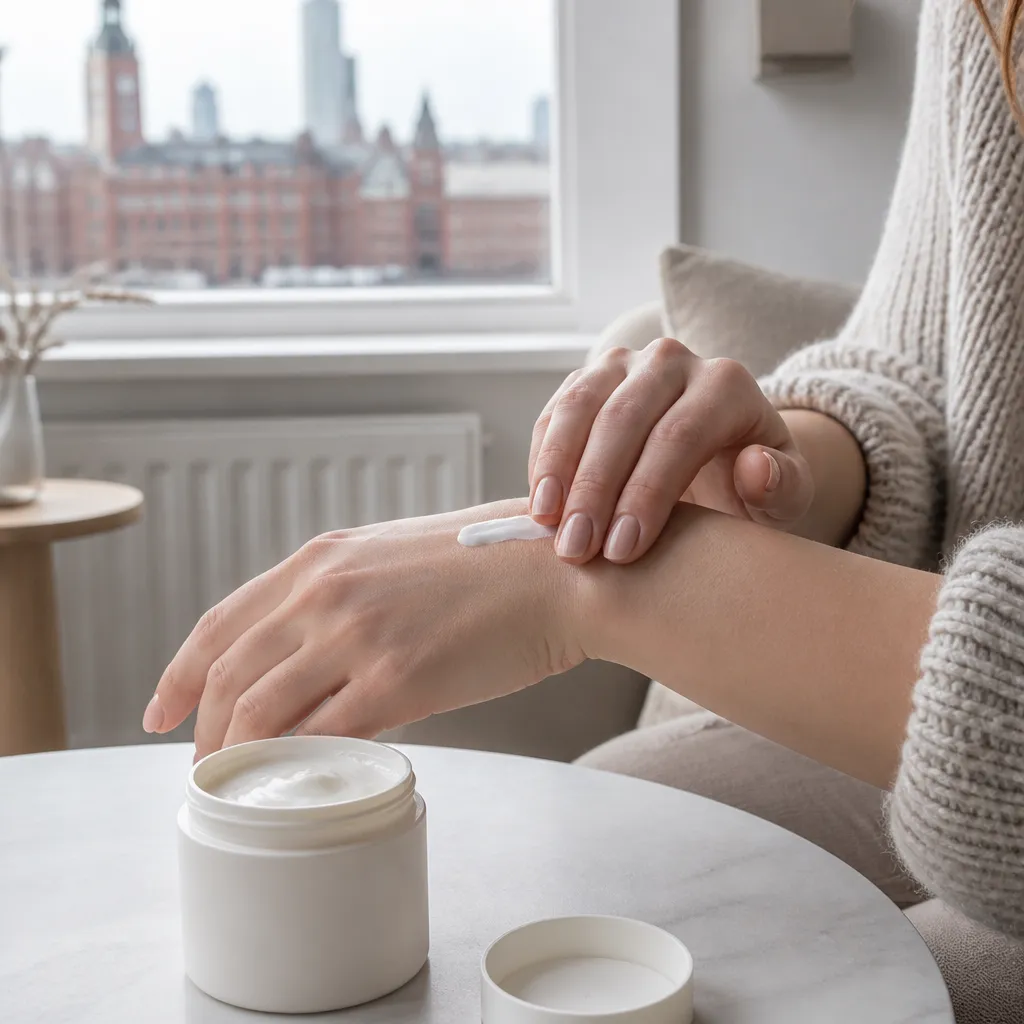
In practice, the most common winter pattern we see is a client who books a session after a dry spell, arrives with rough skin on the legs or underarms, and finds the first pass more uncomfortable than usual. The skin is not damaged, but it is not in its best condition to be treated either. A few weeks of consistent moisture before the appointment usually makes a noticeable difference.
What Cold Air and Central Heating Do to the Skin Barrier
Cold outdoor air holds very little moisture, and central heating dries the air further indoors. Together they increase water loss from the skin surface, which leaves a barrier that feels tight, looks dull and can crack along joints and in the creases of the underarm. The barrier is the first thing to fix, because everything else you apply sits on top of it.
Shaving adds to the problem. A razor pass removes a thin layer of surface cells, which leaves dry skin more exposed to friction and irritation. If you shave daily through the winter, your skin needs more support between sessions, not less.
Why Flaky Skin Is a Problem Before Treatment
Flaking skin is more than an uncomfortable nuisance, because it can make treatment less predictable. Flakes and rough patches make it harder to achieve even contact with the skin, and irritated patches may react more strongly to the light. If the skin looks inflamed or broken, your practitioner may adjust the approach or suggest moving the appointment.
Dryness does not change how many hairs you have, but it changes the surface you are treating through. That is why a steady routine matters far more than a single emergency moisturise the night before.
Building a Moisturiser Routine Between Sessions
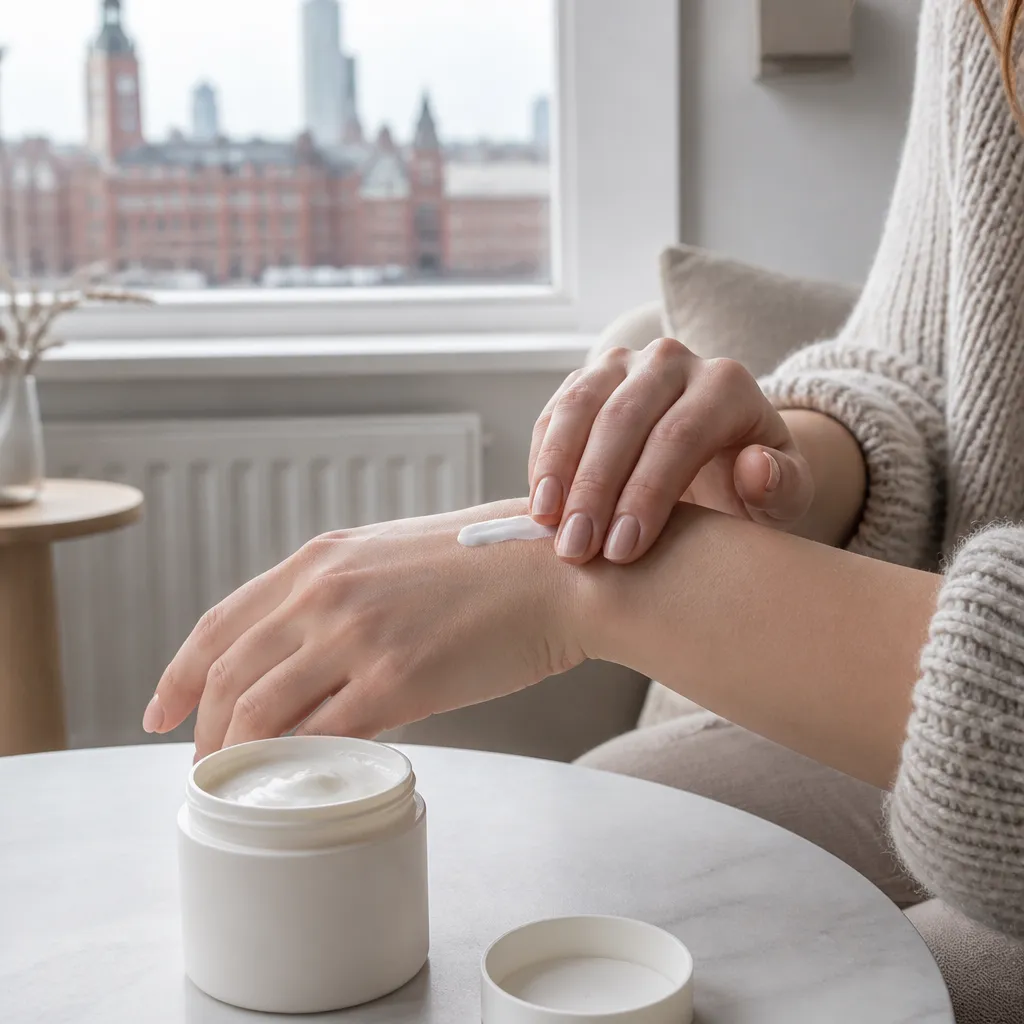
The simplest routine that works is a fragrance-free moisturiser applied twice a day to the areas you are treating, with a richer product at night. Morning application keeps the barrier supple under clothing, and the night application gives the skin time to recover while you sleep. Consistency over several weeks matters more than any single expensive product.
Winter aftercare works best when it is dull and consistent. A simple routine you follow every day beats an elaborate one you abandon by the second week.
Choosing a Moisturiser That Does Not Irritate
Look for products labelled fragrance-free, and check the ingredient list for alcohol, essential oils and strong acids. Ceramides, glycerin and hyaluronic acid are common humectant and barrier ingredients that suit dry skin, but any product can irritate, so patch test a small area of the inner arm first. Pure aloe vera gel without added fragrance is a common choice for soothing treated skin straight after a session.
A thick occlusive balm can help on very dry patches, especially on the lower legs and elbows. Use it at night rather than during the day, because heavy layers can trap heat and sweat under clothing. Think of balm as a targeted repair product rather than a full body base layer.
Timing Your Application Around Treatment Day
Start your routine at least a week before a session so the skin is hydrated when the appointment arrives. On the day itself, avoid applying new products to the area you are having treated. Bring a fragrance-free moisturiser with you for afterwards if you want something to hand.
After the session, keep the area clean and cool for the first 24 hours. For the first 48 hours, loose, soft cotton clothing reduces friction and helps the skin settle. Hold off on any exfoliating routine until the redness has gone.
Pro tip: Keep a small tube of your moisturiser in your coat pocket or bag during winter. Reapplying after a cold outdoor walk or a long stretch in a heated office makes more difference than one heavy application at bedtime.
Sun Protection in Winter
Many clients stop thinking about sun protection once summer ends, and that is where winter results often go wrong. UV exposure still reaches the skin on bright, cold days, and snow, wet pavement and water reflect some of it back at you. For freshly treated skin, unprotected sun exposure raises the risk of irritation and hyperpigmentation.
For at least two to three weeks after treatment, avoid direct sun and tanning beds entirely. After that window, and for the rest of your course, use a broad-spectrum sunscreen with SPF 30 or higher every day, including for short trips outdoors. Sun protection is the one aftercare habit that never really switches off.
Choosing SPF for Daily Winter Walks
A broad-spectrum SPF 30 or higher applied to the face, neck and any exposed treated areas covers most everyday winter use. Apply it after your morning moisturiser and before makeup, then reapply if you are outdoors for long periods. Cloud cover is not a reason to skip it.
Covering Up Without Overheating
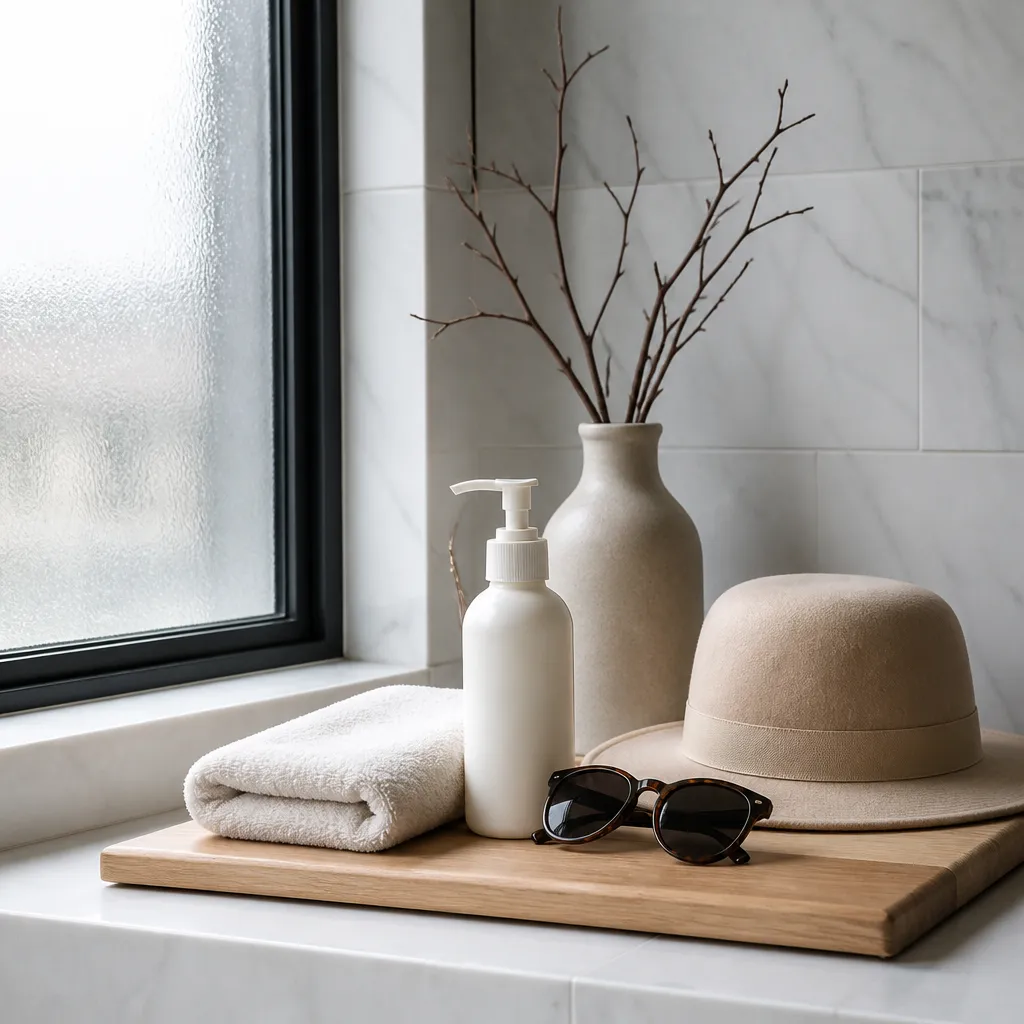
Long sleeves, trousers and a hat do the job well on cold days. Choose breathable cotton under your layers, because sweating in tight synthetic fabric can irritate freshly treated skin. Sunglasses matter if you have facial areas treated, since the skin around the eyes is thin and easily irritated by wind and glare.
Products to Pause Before and After Sessions
Some products that help dry skin feel better at home can make treatment harder. Retinol, AHA and BHA exfoliants and scrubs are the main culprits, because they thin the surface layer and make it more reactive. Stop them before your session, and keep them off treated areas until the skin has settled.
Our standard advice is to stop harsh exfoliants and retinol at least a week before treatment, and to avoid rubbing or abrasive products for at least three days afterwards. These are minimum windows. Sensitive skin often needs longer, especially in winter when the barrier is already under strain.
Exfoliation Habits That Backfire in Winter
Dry brushing, loofah scrubs and body polishes are popular in winter because they promise smoothness. On dry skin they remove the thin layer of cells that is trying to hold moisture in, so the surface often feels rougher afterwards. If you want to exfoliate, use a soft cloth on the body only, and finish well before any session.
Hot Baths, Saunas and Heated Rooms
A hot bath is one of the most tempting winter habits, and it is one to pause for 24 hours after a session. Heat widens blood vessels and can make redness and itching worse. Saunas, hot tubs and very hot showers fall into the same category for the first day.
A warm bath before a session is fine, as long as you moisturise within a few minutes while the skin is still damp. That simple step locks in water far better than moisturiser applied to dry skin.
Comparing Aftercare Approaches
Winter aftercare usually comes down to three approaches, and each suits a different level of dryness. The table below compares them for clients who are having sessions through the colder months.
| Approach | Best for | Watch out for |
|---|---|---|
| Fragrance-free daily moisturiser (lotion or light cream) | Mild dryness and everyday maintenance | Thin formulas may not last through a cold day outdoors |
| Ceramide or barrier-repair cream, morning and night | Tight, flaky skin on the legs, arms and underarms | Richer formulas can feel heavy under clothing, so test a small area first |
| Occlusive balm used at night only | Cracked elbows, knees and heels | Can trap heat and sweat if worn under clothing during the day |
None of these replaces sun protection or sticking to your session schedule. A light moisturiser used every day usually beats a heavy product used once a week. A balm works best as a targeted repair on the worst patches rather than as a full body routine.
Shaving, Waxing and Timing Between Sessions
Between sessions, the hair cycle keeps moving, and that is where many clients accidentally slow their progress. Waxing, tweezing and threading remove hair from the root, which interrupts the follicle activity your course is working on and can irritate dry skin. Shaving or trimming is the safer option when you need to tidy up between appointments.
Why Shaving Is Still the Safest Option Between Sessions
Shaving cuts the hair at the surface and leaves the follicle intact, so it does not disrupt the process your practitioner is working on. Use a clean, sharp razor, shave in the direction of growth, and moisturise straight afterwards. On dry skin, one gentle pass is better than several passes that drag across the surface.
Keeping Your Sessions Spaced Correctly
Laser hair removal works as a course, and aftercare guidance commonly spaces sessions about four weeks apart for facial areas and six to eight weeks for other body areas. Winter is a common time for clients to postpone appointments because the weather is bad or they feel run down. Missing a session by a week is rarely a disaster, but repeated gaps stretch the course and make the skin harder to plan around.

If you are unsure which schedule applies to your treatment area, ask at your consultation. Keep a note of the date and the area treated so you can check the timing before you rebook.
Pro tip: Shave the evening before a session rather than on the morning of it. Skin that has had a night to settle is calmer when the appointment starts, and a light layer of moisturiser afterwards keeps it comfortable.
When to Contact Your Clinic
Dry skin is usually a comfort issue, but some signs need prompt attention. Blisters, open skin, spreading redness, unusual swelling or pain that gets worse after a few days should be reported to your provider straight away. Do not try to pop blisters or scrub the area.
Hair shedding after treatment is normal and does not mean new growth has started. Hairs often come loose in the days or weeks after a session, and that is part of the process rather than a sign that something has gone wrong.
Signs That Dryness Has Become a Problem
Cracks that bleed, flaking that spreads beyond the treated area, or itching that keeps you awake all point to a barrier that needs help. Treat these as a reason to call, not a reason to add a stronger product. A new cream on broken skin can make the reaction worse.
Mild Redness Versus Something More Serious
Mild redness and warmth similar to a sunburn usually settle within a day or two. If redness is spreading, hot to the touch, or accompanied by fever or pus, contact your provider or a medical professional promptly. Describe what you noticed, when it started and which products you have used, because that information speeds up the assessment.
Frequently Asked Questions
Can dry winter skin affect how laser hair removal feels?
Yes. Dry skin tends to feel tighter and can sting more during treatment. Comfort is the main change, but a stressed barrier can also make the skin more reactive, so tell your practitioner on the day if your skin feels dry or flaky.
How early should I start moisturising before a session?
Start about a week before your appointment, applying a fragrance-free moisturiser morning and night to the areas being treated. Consistent use across that week makes a bigger difference than one heavy application the night before.
Can I use a body scrub in winter between laser sessions?
Avoid abrasive scrubs in the week before treatment and for at least three days after. Gentle washing with a soft cloth is fine, but scrubs and dry brushing remove the surface cells that help skin hold moisture.
Is it safe to use a sunbed in winter if I have laser sessions booked?
No. Avoid direct sun and tanning beds for at least two to three weeks after each treatment, and check with your provider before using them at any point during your course. Tanned skin can react differently to laser energy.
Can I shave between laser sessions in winter?
Yes. Shaving or trimming is generally fine between sessions, while waxing, tweezing and threading should be avoided. Use a clean razor and a fragrance-free moisturiser afterwards.
What happens if I miss a session because of the weather?
Missing one session can slow progress, because the hair cycle and your treatment schedule fall out of step. Rebook as soon as you can rather than starting the course again, and ask your provider how the gap affects your specific plan.
Which winter aftercare habit has made the biggest difference to your skin between laser sessions, and what would you like us to cover next?