
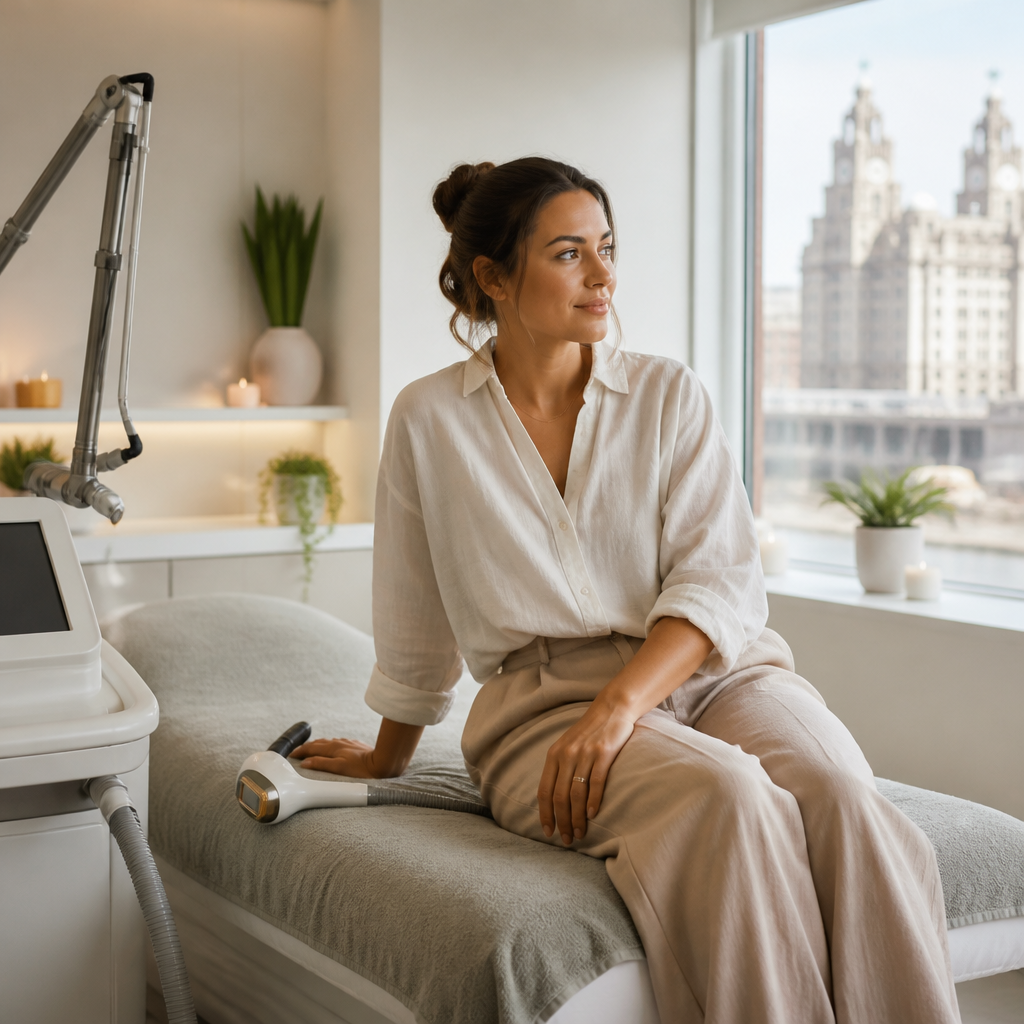
What to Wear to Your Laser Hair Removal Appointment
Plenty of first-time clients arrive for their laser hair removal appointment in the wrong clothes. They have a tight waistband that digs in when they lie down, a top that has to be pulled over the head, or leggings that take minutes to wriggle out of while the practitioner waits. Your clothing won’t change how the laser works, but it can make the session smoother, more comfortable and easier to prepare for. This guide explains what to wear to your laser hair removal appointment, area by area, with the reasoning behind each choice, so you arrive ready and leave comfortable.
Table of Contents
- Quick Takeaways
- Why Your Outfit Matters More Than You Think
- Upper Body and Underarm Clothing
- Leg Appointment Clothing
- Intimate Area Clothing
- Fabrics, Fit and Heat
- Comparing Common Outfit Choices
- Before You Arrive: Products, Hair and Tattoos
- Dressing for Aftercare
- Frequently Asked Questions
- References
Quick Takeaways
| Key Insight | Explanation |
|---|---|
| Wear loose, non-compressive clothing | Tight waistbands and leggings slow down the session and can irritate skin once treatment is done. |
| Choose clothes you can open, lift or roll up | Your practitioner needs clear access to the treatment area without a full undressing routine. |
| Wear a sleeveless or wide-neck top for underarm bookings | Open armholes let you raise your arms without fabric rubbing the area you are having treated. |
| Skip leggings for leg sessions | Shorts or a loose skirt give easy access to the whole leg. Tight fabric has to be pulled down, which wastes time. |
| Pick cotton or other breathable fabric | Cotton limits heat and friction on sensitive skin, which matters most in the hours after treatment. |
| Arrive free of deodorant, lotion, sunscreen and makeup | Products on the skin can get in the way of the treatment and make the area harder to prepare. |
| Bring a loose outfit to change into afterwards | Heat and friction after treatment make a tight commute uncomfortable. |
Why Your Outfit Matters More Than You Think
Clothing affects three things during a session: how much skin your practitioner can reach, how long you spend undressing and redressing, and how your skin feels once you leave. A session that starts with a rushed, awkward change tends to begin with a tense client, and tense clients find it harder to lie still.
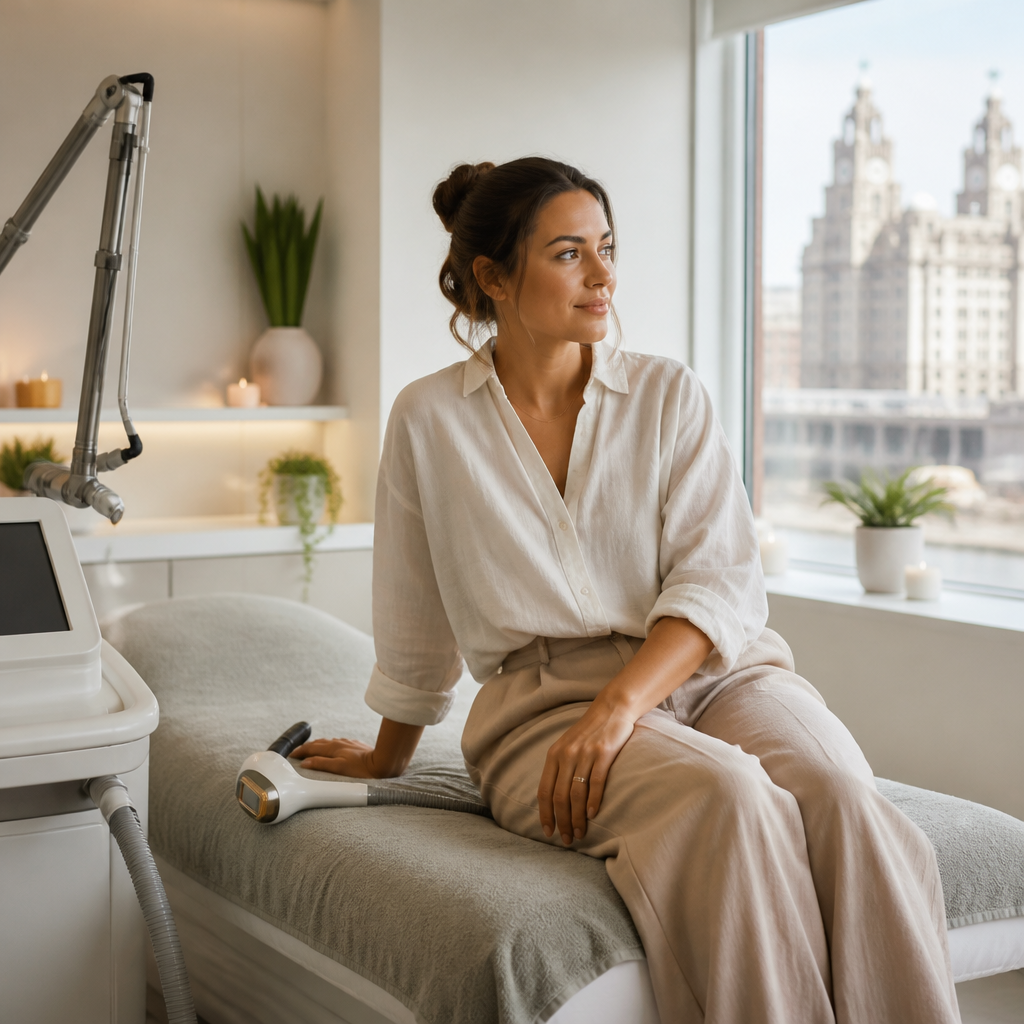
Access to the treatment area
In practice, the most useful question to ask is simple: can the area be reached without undressing further than necessary? Most treatments require clean, bare skin, so the right outfit is one you can open, lift or roll up in seconds. Clothing that has to be pulled over your head or down past your hips adds time without improving the result.
Lying still on the treatment bed
Many sessions involve lying on a bed for a long stretch, sometimes with a raised arm or a bent knee. A waistband that presses into your stomach or a seam under your hip becomes a distraction within minutes. Choose soft fastenings, and avoid stiff trim, zips or belt buckles near the area being treated.
The best outfit for a laser appointment is the one you can remove in under a minute and forget about for the rest of the visit.
That principle applies to every body area. Once you have it in mind, the specific advice in the sections below becomes straightforward to apply.
Pro tip: Wear slip-on shoes and avoid anything you need to unlace or unbutton. Every extra fastening adds time to a session that is already booked to a set slot.
Upper Body and Underarm Clothing
If your appointment includes underarms, chest, back or shoulders, your top matters as much as your trousers. The simplest choice is a sleeveless or tank top with a wide neckline, which lets you raise your arms without fabric riding up over the treated area. A tight sleeve that rubs the underarm can be uncomfortable during treatment and can cause friction when you get dressed again.
Tops for underarm sessions
A tank top or vest works well because the armhole is open and there is nothing to pull over your head. Avoid turtlenecks, high collars and fitted sleeves that sit tight on the upper arm. If you plan to wear a bra, choose a soft style with a wide strap you can move aside easily, not a padded underwire that sits in the armpit line.
Chest, back and shoulder sessions
For back and chest work, choose a front-opening shirt or a loose, stretchy top that you can slip off easily rather than a fitted pullover. A button-up shirt or an open cardigan lets you undress in seconds and keeps you covered on the way to reception. Think about the journey home as well, because a fitted top that presses on a freshly treated area is the last thing you want on a warm afternoon.
Facial treatments and neckline choices
Facial sessions need less planning, but your neckline still matters. A crew-neck or scoop-neck top keeps the collar away from the jawline and neck, and it lets the practitioner reach the sides of the face without you sitting up to change anything. Take off any jewellery that could get in the way, and remove makeup from the area before you arrive.
Leg Appointment Clothing
Leg treatments are where clothing choices most often go wrong. Long trousers and tight leggings hide the lower leg, cling to the skin and make it difficult to reach the back of the knee and the ankle. For most leg appointments, shorts or a loose skirt that sits above the knee are the most practical choices.
Lower legs and ankles
If you are having your lower legs done, do not arrive in long trousers. Even loose ones tend to bunch at the knee, and the practitioner needs clear access from ankle to knee. Wide-leg trousers can work if you roll them above the knee, but shorts are simpler and quicker to manage.
Full leg and thigh sessions
Full leg sessions need the thigh exposed, so a skirt that sits high enough or shorts that come up easily are ideal. Oversized joggers can also work, since they slide up the leg, and many people pair them with a crop top or a loose vest. Avoid anything that needs a belt or a tight elastic cuff.
Pro tip: Wear a pair of shorts you have already worn comfortably for a full day. A new pair with a stiff waistband can become irritating in a session that runs longer than expected.
Intimate Area Clothing
Intimate area treatments, including bikini line and Brazilian sessions, require the most thought, and the right choice is usually the simplest one. Clinicians work with these areas every day, so your priority is making the treatment area easy to reach, not covering it with extra layers. A loose skirt or wide-leg trousers with a soft waistband let you undress quickly and dress again without fuss.
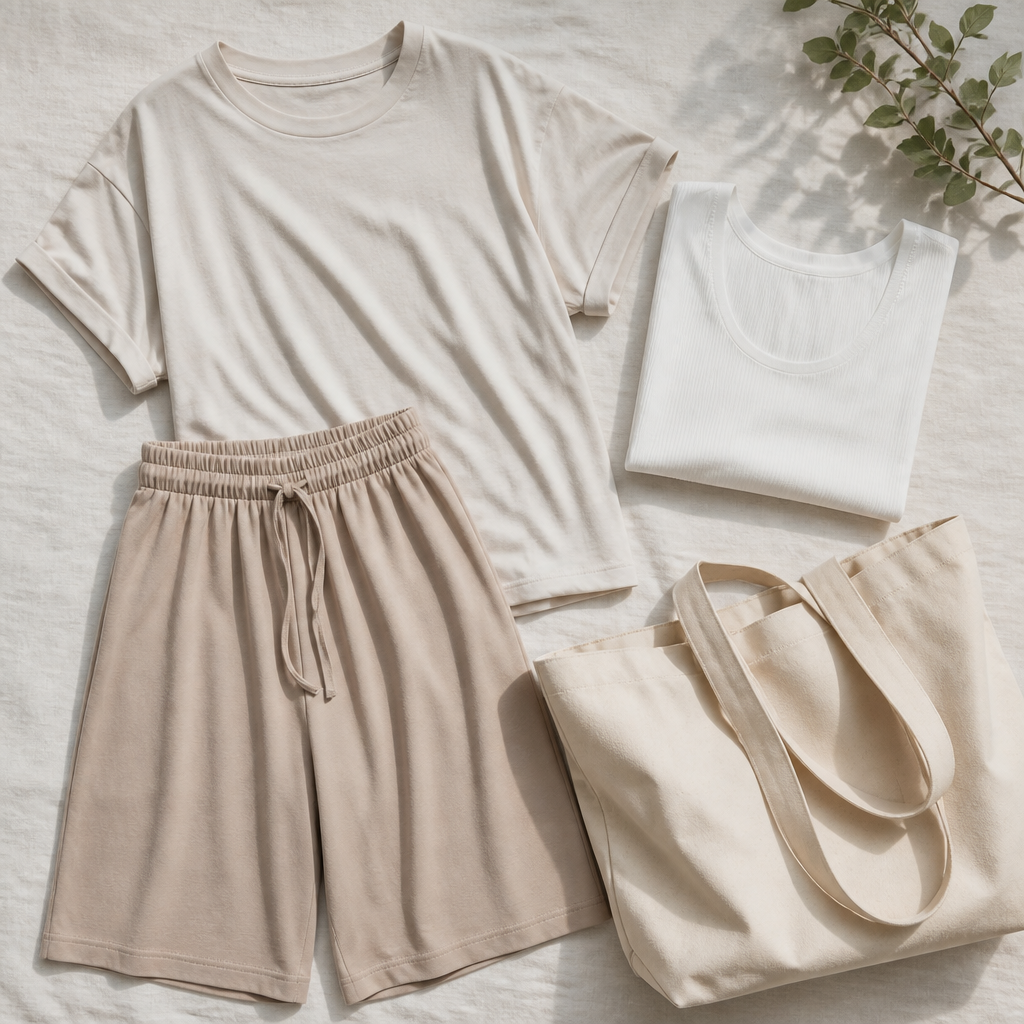
Underwear that makes the appointment easier
Choose loose cotton underwear that you can remove without taking your trousers off first. A thong or a tightly shaped brief creates bulk you will have to deal with at the start and end of the session. Some clinics provide disposable coverings, so ask at booking whether you need to bring anything specific.
Trousers and skirts for intimate bookings
Wide-leg trousers, a loose skirt or a wrap dress that ties at the waist are the most practical options. Avoid high-rise tight jeans, shapewear and anything with a belt, because these take time to undo and can leave marks on the skin. If you have a long journey home, bring a second outfit to change into.
Preparing for your first session
First-time clients often feel more self-conscious than they need to. Wear something that makes you feel calm, and keep the rest of your planning simple. Arrive a few minutes early so you are not rushing into the changing area with the appointment already on your mind.
Fabrics, Fit and Heat
The fabric you wear to a laser appointment affects sweat, friction and how your skin reacts once the session is over. Breathable cotton is the best default. Synthetic blends, especially tight activewear, trap heat and moisture against the skin, which is the opposite of what you want on a treated area.
Why cotton is the safest default
Cotton allows air to move across the skin and absorbs sweat rather than holding it against the body. That makes a practical difference on sensitive areas such as the bikini line or underarms, where friction is already a concern. Choose a soft cotton top or a cotton skirt rather than a shiny polyester that clings.
The fit test before you leave the house
Before you leave, put the outfit on, sit down, raise your arms, bend your knees and reach for something on a high shelf. If the fabric pinches, rides up or leaves a line, it will do the same during a session. An outfit that works for daily life may not work on a treatment bed, so test it in those positions.
Heat and friction on the day
Many people underestimate how much a warm day adds to discomfort. Walking to the clinic in a thick jacket or a tight waistband can make skin feel more sensitive before treatment even begins. Dress in layers you can remove quickly, and keep the outfit you will be treated in as light as possible.
Comparing Common Outfit Choices
Not every option suits every treatment, so it helps to compare the most common choices side by side. The table below covers three outfits clients bring most often, with a verdict on where each one works and where it creates problems.
| Outfit Option | Best For | Why It Works or Fails |
|---|---|---|
| Tank top with loose shorts | Underarms, legs and upper body | Open armholes and a loose waist give easy access and breathe well. It fails only if the shorts are tight at the hip or waist. |
| Wide-leg trousers or oversized joggers | Full legs when rolled up, and high-waisted intimate bookings | Loose fabric slides out of the way, but long lengths must be rolled or pushed up. For lower legs, they fail unless you roll them above the knee. |
| Leggings or compression wear | Rarely suitable for any treatment | Fabric fits tight against the skin and has to be pulled down past the knee or hip, which takes time and traps heat. |
The pattern is clear. The best choices are the ones you can adjust with one hand, and the worst are the ones that need to be peeled off. If in doubt, choose the looser option and accept that it may look less polished on the way in.
Before You Arrive: Products, Hair and Tattoos
Clothing is only part of preparation. What is on your skin when you arrive matters, and so does the condition of the hair you are having removed. Get these details right and the session tends to run more smoothly.

Skin products to leave at home
Remove any makeup, deodorant, lotion or sunscreen from the treatment area before you arrive. Deodorant is the most common issue for underarm bookings, and it is easy to forget when you are rushing out of the house. A clean, dry, product-free area lets the practitioner start without unnecessary delays.
Hair growth and waxing before your appointment
Do not pluck or wax the area in the weeks before your appointment. Laser treatment works on the hair in the follicle, so removing the root beforehand disrupts the process. Follow the preparation advice your clinic gives on how long the hair should be, rather than guessing.
Tattoos and skin near the treatment area
Cover any tattoos on or near the treatment area with clothing that does not rub, and tell your practitioner about them when you arrive. This matters if you are also having tattoo removal or pigmentation treatment, because tight fabric can trap heat against skin that is already sensitive.
Pro tip: Do a final check in the mirror before you leave. Deodorant and lotion are the two items people most often forget, and they are much easier to remove at home than on the treatment bed.
Dressing for Aftercare
What you wear after treatment is just as important as what you wear to it. The skin may feel warm, slightly tender or more sensitive for a short period after a session, and tight clothing can make that worse. Plan your outfit for the hours after you leave the clinic as well as the appointment itself.
The first 24 to 48 hours
For the first day or two after treatment, wear loose clothing made from cotton, including underwear for intimate areas. Avoid tight leggings, high-waisted shapewear and synthetic gym clothes that trap heat. Loose clothing during this window is one of the simplest ways to keep treated skin comfortable.
Getting home without irritation
Think about the journey home. A seatbelt rubbing over a treated area, or jeans that scrape the legs, can feel uncomfortable after a session. Bring a loose change of clothing in a bag so you can switch into it before you leave, especially if you have a long drive or commute.
Washing and keeping clothes fresh
Wash the outfit you wore to your appointment before you wear it again, and choose fabrics that can be washed at a normal temperature. Clean cotton keeps sweat and product residue away from the skin during recovery, which is why it is worth having a spare set ready.
Pro tip: Keep a clean, dry cotton top and a pair of loose shorts in your bag for the day of your appointment. Changing into them straight after the session is the easiest way to feel more comfortable on the way home.
Frequently Asked Questions
Can I wear makeup to my laser hair removal appointment?
You should remove makeup from the treatment area before you arrive. This includes foundation, sunscreen and moisturiser on facial areas, since products on the skin can get in the way of the treatment.
Should I wear leggings to a leg laser session?
No. Leggings are tight, slow to remove and trap heat against the skin. Shorts or a loose skirt are far more practical, because they let the practitioner reach the whole leg without you undressing completely.
What underwear should I wear for a bikini line treatment?
Loose cotton underwear that you can remove without taking your trousers off first is the best choice. Thongs and tight shapewear add bulk and slow things down. Ask the clinic at booking whether they provide disposable coverings.
Can I wear a dress to my appointment?
Yes, a loose dress or skirt works well for many treatments, especially leg and intimate area sessions. Choose a style you can lift or pull up easily, and avoid fitted designs that need to be taken off.
What should I wear after my session?
For the first day or two, wear loose cotton clothing, including underwear. Avoid tight synthetic fabrics, heavy waistbands and anything that presses on the treated area.
Do I need to remove deodorant before an underarm treatment?
Yes. Deodorant is one of the products to remove from the area before you arrive, and it is best not to reapply it before the session. Arrive with clean, dry underarms so the appointment can start without delay.
Tell us in the comments below which outfit made your last laser appointment easiest, and which one you would never wear again.