
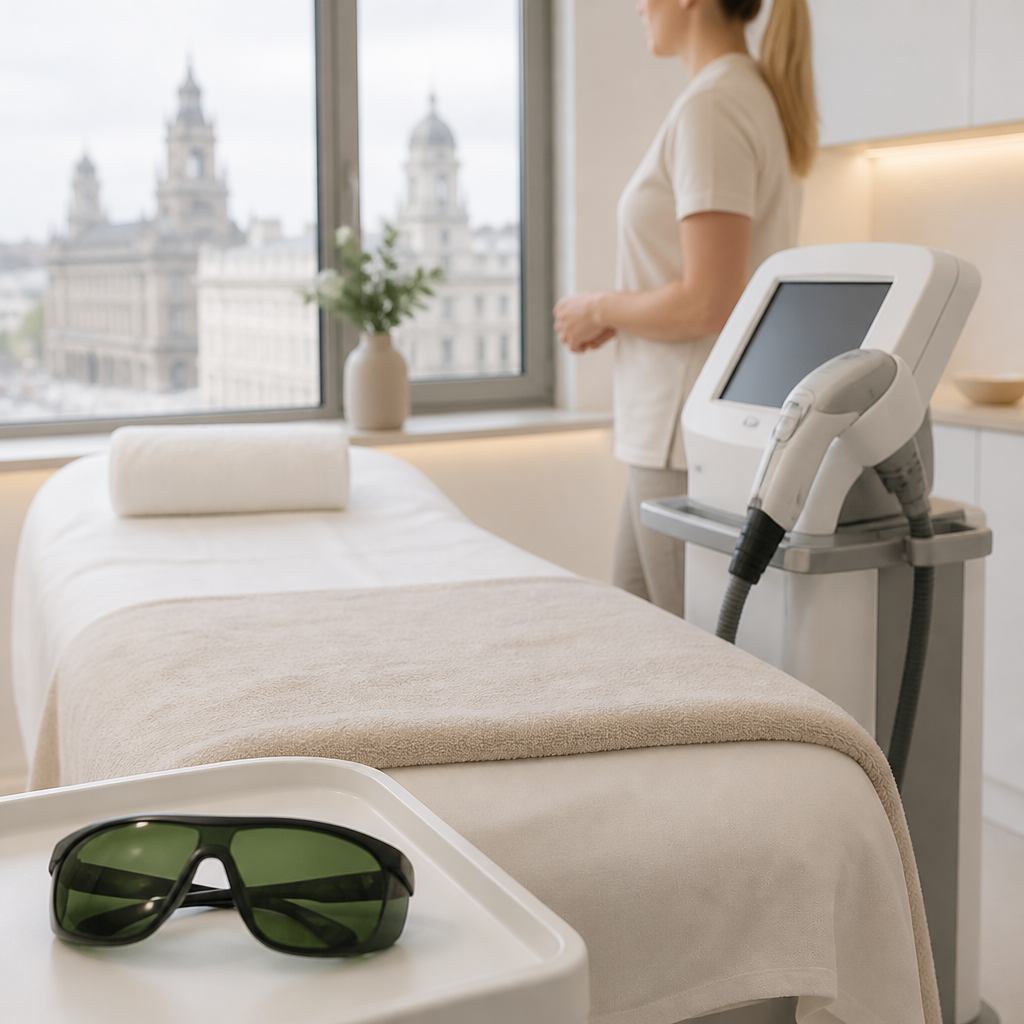
Stomach Laser Hair Removal in Liverpool: What to Expect
Ask any Liverpool clinic about tummy hair and the same questions come up within minutes: will it hurt, how many sessions will it take, and is it worth the money? The stomach is one of the most requested areas we see, partly because the hair there is often fine, patchy and unpredictable, which makes daily shaving feel like a losing battle. Stomach laser hair removal can work well, but only when you understand how abdominal skin behaves, what a realistic timeline looks like and where people usually go wrong. This guide answers the questions our clients ask most, from safety and preparation to aftercare and the alternatives worth comparing.
Table of Contents
- Quick Takeaways
- Why the Stomach Behaves Differently From Other Areas
- Is Stomach Laser Hair Removal Safe?
- Preparing for Your First Session
- What a Session Feels Like
- Comparing Your Options for Stomach Hair
- How Many Sessions and How Far Apart
- Aftercare That Actually Matters
- Pricing and Packages at Faith Laser
- Frequently Asked Questions
- References
Quick Takeaways
| Key Insight | Explanation |
|---|---|
| Fine or pale stomach hair responds less predictably | The laser targets pigment in the follicle, so very light or sparse hair may need more sessions or may not clear fully. Ask for an assessment before you book. |
| Plan for a course, not a single visit | Abdominal hair grows in mixed cycles, so each session only reaches the follicles that are in the growth phase at that moment. |
| Stop waxing and plucking several weeks early | The laser needs an intact follicle to target. Shave the day before or the morning of your session instead. |
| Sun exposure is the biggest avoidable risk | Guidance commonly given to clients is to avoid sun from one month before treatment to one month after, then wear sunscreen daily. |
| Heat and sweat need a short break | Skip steam rooms, saunas, hot baths and hard exercise for the first day or so, and wear loose clothing over the treated area. |
| Serious reactions are uncommon but worth reporting | Blistering, crusting and scarring are listed as uncommon side effects, so contact your clinic promptly if they appear. |
Why the Stomach Behaves Differently From Other Areas
Laser energy only damages hair that is in the active growth phase, when the follicle is still connected to its blood supply and the hair is anchored deep in the skin. On the stomach, hair rarely moves in sync. At any given time, some follicles are growing, some are resting and some are about to shed, so a single session only reaches part of the area.
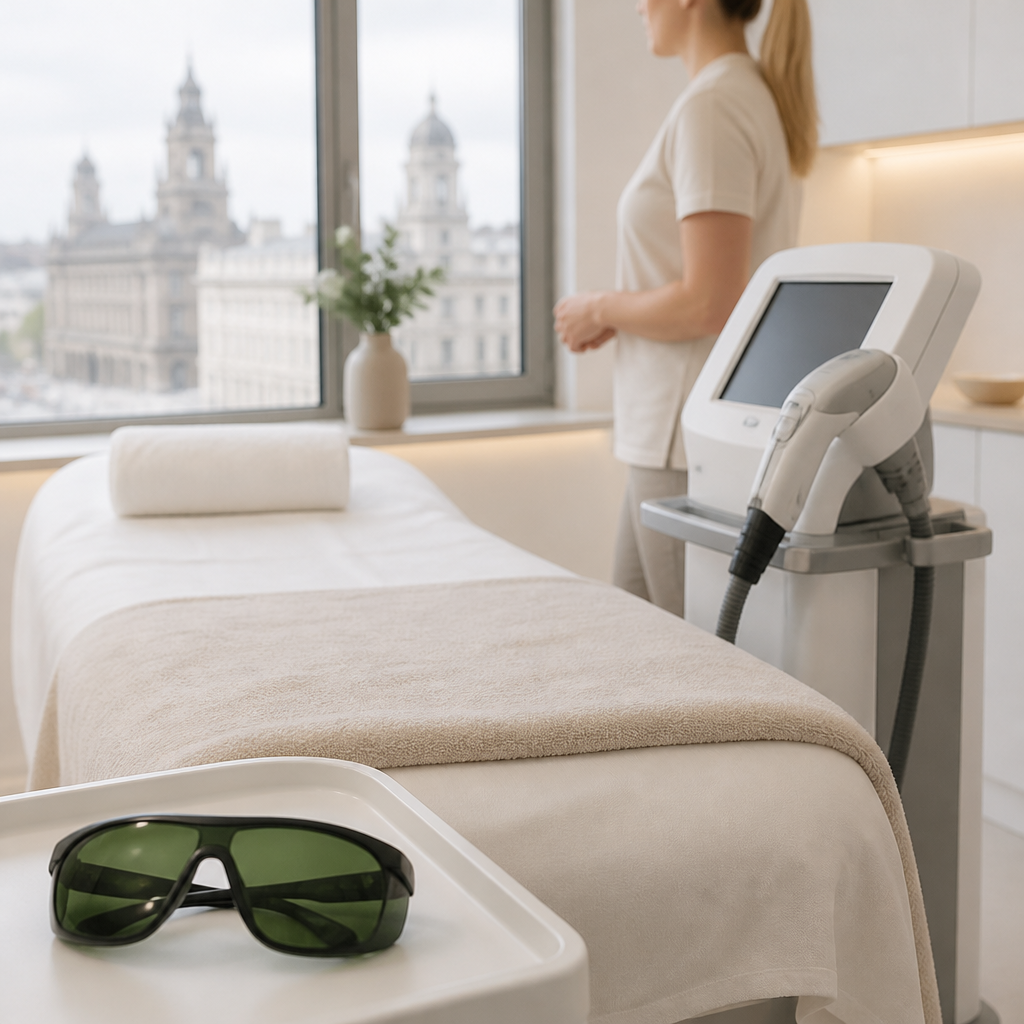
The Hair Growth Cycle on the Abdomen
That is why the first treatment often looks underwhelming. Clients who expect a smooth result after one visit tend to give up too early. A realistic plan treats the stomach as a course of several sessions, with the goal being a steady reduction in hair that you can maintain with occasional touch-ups.
Skin Thickness, Texture and Pigment
Abdominal skin varies more than people expect. The area around the navel, the lower belly and the sides can differ in thickness, elasticity and colour, and the skin may be stretched by pregnancy, weight changes or older scars. Each of these affects how the laser energy is absorbed, which is why a practitioner should test settings on each zone rather than applying one setting across the whole torso.
Modern equipment has widened who can be treated. Published aftercare guidance notes that long-pulsed lasers can address darker skin tones as well as dark hair on light skin, although the right device still depends on your hair colour, skin tone and hair texture. If you have been told a body area is impossible to treat, ask for a proper assessment rather than accepting that at face value.
The stomach is not a small leg. It is thinner, more mobile and more likely to show hair that grows in mixed phases, so the settings and the schedule have to be planned around that.
Is Stomach Laser Hair Removal Safe?
For most healthy adults with stable skin, abdominal laser treatment is a low-risk procedure when trained staff use the right settings. The risks are real, though, and most of them are predictable. Problems tend to come from sun exposure, settings that do not match your skin tone, or treating skin that is already irritated.
Who Should Hold Off
Some people should wait before booking. Recent sun tanning, self-tanning products that have not faded, and active skin infections or open wounds on the abdomen are all reasons to postpone. Pregnancy is another common reason clinics ask clients to pause, and anyone who has recently taken isotretinoin or another medication that makes skin unusually sensitive should check with their GP or the clinic first.
Be honest about your history during the consultation. If you have had keloid scarring, a skin condition affecting the abdomen, or a reaction to a previous laser or IPL treatment, say so. A good practitioner will want that information before deciding whether to treat, test a small area first or refer you elsewhere.
Pro tip: Photograph the area on the day of your first session and again after each treatment. Changes in colour or texture are much easier to judge against a picture than from memory.
Typical Reactions Versus Warning Signs
Mild redness, slight swelling and temporary changes in skin tone are normal for a day or two. Hair may also shed over the following weeks, and some clients notice minor regrowth between sessions. These reactions usually settle without treatment and are part of how the follicles respond.
Blistering, crusting and scarring are uncommon, but they do happen. Mayo Clinic lists them among the less frequent side effects of laser hair removal, alongside changes in skin texture. If you notice a blister, pain that gets worse rather than better, or dark patches that persist, contact your clinic promptly instead of waiting for your next appointment.
Preparing for Your First Session
Preparation matters more on the stomach than people expect, mainly because the hair is often finer and less visible than on the legs. Turning up with the wrong kind of growth or irritated skin can waste a session before it starts.
Stop Waxing and Plucking Early
The laser needs the hair follicle to be intact and present under the skin. Waxing and plucking remove the root, which leaves the laser nothing to target. Stop these methods several weeks before your first appointment, and use a fresh razor on the day before or the morning of treatment instead.
Shaving is the method your clinic will expect. Leave some growth so the team can see where to treat, but do not let the area grow out so long that you are working against the clock. A simple approach is a shave every day or every other day, which keeps the area clean and visible without irritating the skin.
Pro tip: Bring a list of any recent treatments, including waxing, chemical peels or microneedling, to your consultation. A clinic that knows your recent history can set a safer start date.
Skin Care and Medication Checks
In the weeks before your session, avoid exfoliating acids, retinoid creams and harsh scrubs on the abdomen. These products can make skin more reactive, which means a session may feel more uncomfortable. Moisturise gently and keep the area out of the sun as much as your routine allows.
Write down every medication and supplement you take, especially anything that affects photosensitivity or blood clotting. Practitioners can only adjust settings safely when they know what is happening under your skin, so an accurate list is part of the preparation rather than admin.
What a Session Feels Like
Most people describe the sensation as a quick snap, similar to a rubber band flicking the skin, followed by a warm feeling that fades within minutes. Many clients find the stomach easier to tolerate than areas with denser nerve endings, though everyone’s threshold is different. What matters most is that you can speak up during the session.
Pain Management and Cooling
Cooling is built into most treatments, either through a chilled tip or a gel applied before the pulse. If you feel more sensitive than expected, tell the practitioner straight away. Small adjustments to pulse energy or spacing can make a noticeable difference without reducing how well the treatment works.
Topical numbing cream is an option for some clients, but it should be discussed beforehand because it can change how the skin looks during treatment. Do not apply any numbing product without asking the clinic first.
Session Length and What Happens Next
Abdominal sessions are often shorter than people imagine, but the time between sessions is where the real planning happens. You will usually leave with mild redness, and the team should explain exactly what to expect over the next few days. Ask for written aftercare notes so you have something to refer back to at home.
Comparing Your Options for Stomach Hair
Laser is not the only way to deal with stomach hair, and it is not automatically the right choice for everyone. The table below compares the three approaches people most often weigh up against each other.
| Method | How It Works | Best Fit for the Stomach |
|---|---|---|
| Shaving | Cuts hair at skin level without touching the follicle | Quick, low cost and flexible, but growth often returns within a day or two and the skin can irritate |
| Waxing | Pulls hair out from the root | Smooth for several weeks, but regrowth can become ingrown or irritated, and repeated waxing is uncomfortable on thin skin |
| Laser hair removal | Targets pigment in the follicle to slow regrowth over repeated sessions | Best for longer-term reduction, with the strongest results on dark, coarse hair against lighter skin |
For most of our clients, the decision comes down to how long they want the result to last and how much time they are willing to commit. Shaving suits people who want something quick and cheap today. Laser suits those who are tired of managing regrowth every few days.
Combining Methods During a Course
In practice, many people combine approaches. They shave between sessions while the course is underway, then stop shaving once the area is lighter and the regrowth is manageable. This works because shaving keeps the follicles visible for the device, while removing hair from the surface between treatments.
Waxing is the method that causes the most trouble during a laser course. It removes the follicle root, which weakens the treatment plan, and it can leave skin sensitive enough that the next session feels harder.
How Many Sessions and How Far Apart
The honest answer is that the number depends on hair colour, hair density, skin tone and hormonal factors that affect growth. Most people see a noticeable reduction over a course of sessions rather than after a single visit. Your clinic should give you a plan that reflects your own hair, not a generic promise.
Why Spacing Matters
Sessions need to be spaced so that the next batch of follicles is in the growth phase. Published aftercare guidance advises spacing recurring treatments no sooner than 4 to 6 weeks apart. Booking too early means treating follicles that are not yet ready, so the session adds irritation without adding much benefit.
Staying on Track Between Visits
The most common reason courses fail is not the laser itself. It is missed appointments. If you miss a session, do not panic. Book the next one as soon as the schedule allows, and keep shaving rather than waxing in the meantime so the follicles stay in place for the device.
Keep a simple log of dates and how the area looked before each session. A clear record makes it easier to judge progress, and it gives the practitioner the information they need to adjust settings if regrowth is slower or faster than expected.
Aftercare That Actually Matters
Aftercare is where most avoidable problems start, and it is also the simplest part of the process to get right. The skin on your stomach will be warm and reactive for a short period, so the goal is to keep it calm and protected.

The First 48 Hours
Apply cool compresses to the treated area for several minutes at a time. A clean, soft cloth soaked in cool water works well, and an ice pack wrapped in a paper towel is another option. Cooling helps reduce temporary swelling and discomfort.
Avoid direct heat and sweat for the first day or so. That means skipping steam rooms, saunas, hot baths and hard exercise. Choose loose clothing over the treated area, because tight waistbands can rub and irritate skin that is still sensitive.
Sun, Sunbeds and Sunscreen
Sun is the single biggest avoidable risk. Guidance commonly given to clients is to avoid sun exposure from one month before treatment until one month afterward, then apply sunscreen to the area every day. This matters even on overcast days, when UV exposure can still affect freshly treated skin.
Pro tip: Treat sunscreen as part of the treatment, not an optional extra. A tan that builds up between sessions can change how the device responds and increase the chance of marks.
Shaving After Treatment
You can shave after treatment, but wait until redness and discolouration have settled. Do not shave skin that is swollen, red, discoloured or painful. Use a clean razor, shave gently and avoid exfoliating the area until the skin feels normal again.
Pricing and Packages at Faith Laser
Faith Laser is a Liverpool clinic that offers laser hair removal across several areas, including underarms, intimate zones and facial treatments, and body treatments such as the stomach fit into that range. Packages are tailored to the individual rather than sold as one fixed bundle, because the size of the area, hair density and the number of sessions needed all change the plan.
When you book a consultation, ask for a clear breakdown of how many sessions the plan assumes, how far apart they are scheduled and what happens if results are slower than expected. A good clinic will be specific about these points before you commit, and it will tell you when a treatment is unlikely to help. Book a consultation with Faith Laser to talk through your hair and skin before you start a course.
Frequently Asked Questions
Does stomach laser hair removal hurt?
Most people describe a brief snapping sensation and some warmth rather than sharp pain. Cooling and adjustments to the settings can make the session more comfortable, so tell the practitioner if it feels stronger than you expected.
How many sessions will I need for my tummy?
Most clients need a course rather than a single visit, and the exact number depends on hair colour, density and skin tone. Your practitioner should give you an estimate after a consultation and explain how it may change as the course progresses.
Can I wax between laser sessions?
It is better not to. Waxing removes the follicle root, which leaves nothing for the laser to target at the next session. Shaving between treatments keeps the follicles in place so the device can work on them.
Is stomach laser hair removal suitable for darker skin tones?
It can be, because modern long-pulsed equipment is designed to treat a wider range of skin tones. The right device and settings depend on your individual hair and skin, so a patch test and a proper assessment are essential before booking.
Why does hair seem to grow back after a session?
Regrowth between sessions is common because not every follicle is in the growth phase during a given treatment. Some finer hairs may appear and then fall out over the following weeks, which is part of the normal course.
When should I contact my clinic after treatment?
Contact your clinic if you notice blistering, crusting, pain that gets worse over several days, or dark patches that do not fade. Those signs need a professional look rather than waiting for your next session.
Tell us about your own experience with stomach or abdominal laser treatment, what worked for you, and what you wish you had known before your first session.