Tattoo Removal in Liverpool Winter: Why Cold Months Help
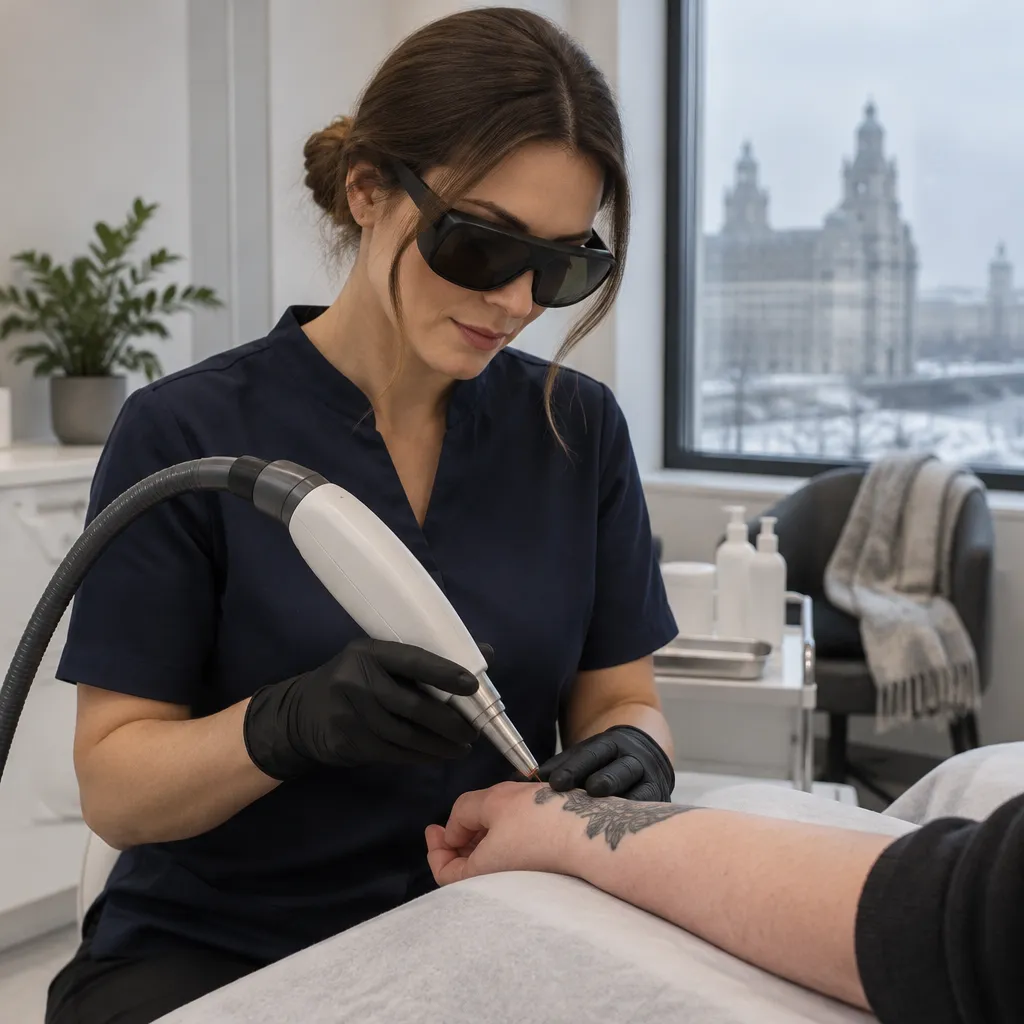
Most people picture tattoo removal as a summer project, when they can finally stop covering up their skin. That instinct often works against the skin. Laser treatment breaks down ink particles, and the weeks after each session are when the skin does its real healing, so the season you choose matters more than most people expect. For clients in Liverpool and across Merseyside, winter often suits tattoo removal better than summer, and the reasons are practical rather than folklore. This guide explains how cold weather affects sun exposure, comfort, aftercare and scheduling, and how to plan a course of sessions through the colder months.
Table of Contents
- Quick Takeaways
- Why Winter Changes the Healing Equation
- Comfort During Laser Sessions in Cold Months
- Aftercare Through a Liverpool Winter
- Which Removal Method Suits Winter Treatment
- Pigmentation Removal Alongside Tattoo Work
- Planning Your Treatment Schedule Across the Season
- Frequently Asked Questions
- References
Quick Takeaways
| Key Insight | Explanation |
|---|---|
| Sun exposure drops in winter | Keeping freshly treated skin out of strong sun during healing lowers the risk of pigment changes and slower recovery. Winter makes this much easier to manage. |
| Cooler skin can feel calmer | Colder conditions can reduce the sensation of heat from the laser, which many clients find more comfortable than a warm, sweaty session. |
| Dry air is the winter trade-off | Cold outdoor air and indoor heating both pull moisture from skin, so a simple moisturising routine becomes part of aftercare from the first day. |
| Space sessions about three months apart | One seasonal guide recommends this interval so the skin can recover fully between treatments. Start in early autumn so the sessions fall across the coldest months. |
| Laser is the main option for most people | Dermabrasion and chemical peels are more invasive and are usually used for specific jobs, such as lightening a large tattoo before laser work. |
| Treat pigmentation as a separate plan | Surface pigmentation and tattoo ink sit at different depths, so they need a proper assessment before any combined treatment is planned. |
| Cover up outdoors while healing | Wind, rain and cold air can soak dressings and rub against treated skin, so keep a clean, breathable layer over the area when you go out. |
Why Winter Changes the Healing Equation
Laser tattoo removal works by sending short pulses of light into the skin so the ink breaks into smaller fragments. The body then clears those fragments over the following weeks, and the treated skin is inflamed and vulnerable during that period. How the skin behaves in those weeks shapes the final result, and the season you choose has a larger effect than most people realise.
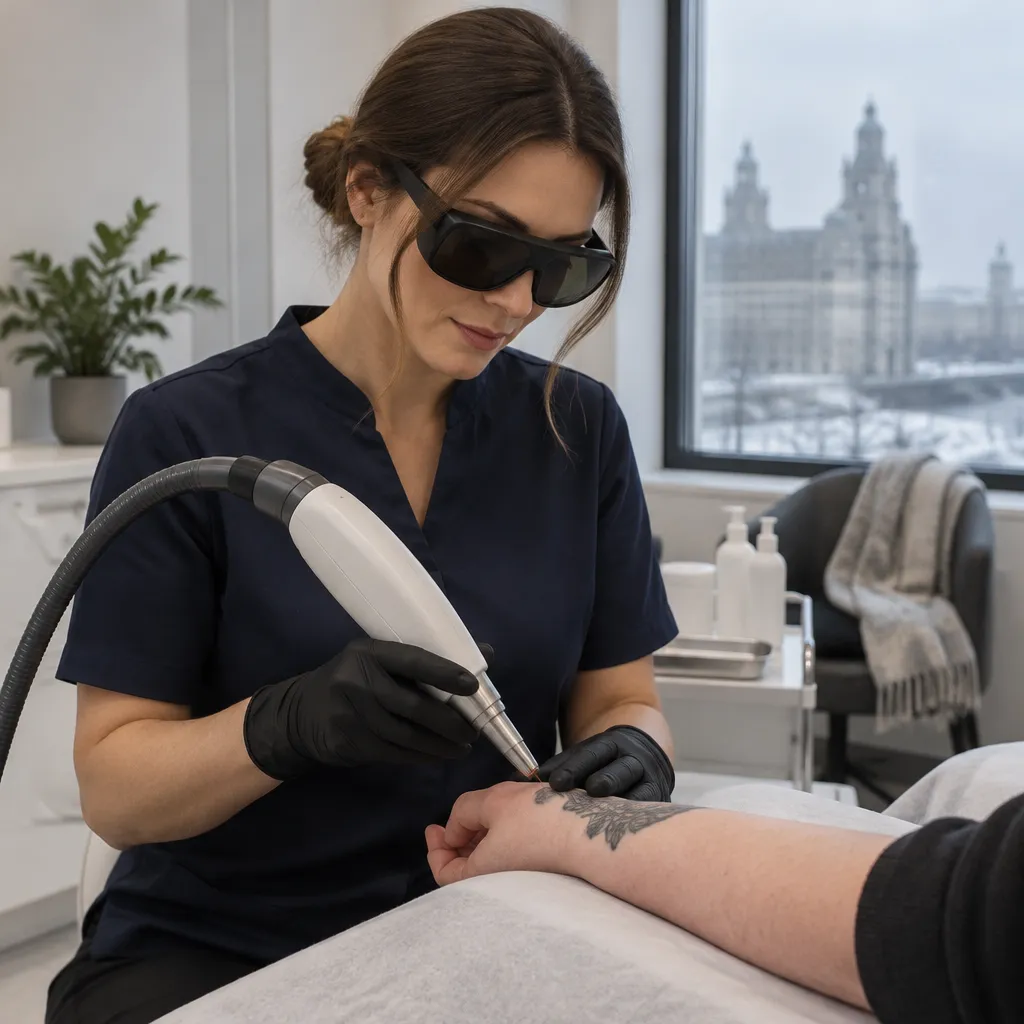
The most useful seasonal guidance points to sun exposure first. A dermatology practice that writes about winter tattoo removal notes that skin is less exposed to the sun in colder months, and that sun exposure can cause damage and slow healing after treatment. Another seasonal guide makes a similar point, saying that reduced sun exposure in fall and winter helps lower the risk of complications such as hyperpigmentation or scarring.
Less sun on freshly treated skin
In practice, the risk that worries us most is not the session itself but the first few weeks afterwards. Sun on fresh laser treatment can increase sensitivity and raise the chance of pigment changes. A Liverpool winter, with its lower sun and shorter days, gives skin a far easier time than a bright summer afternoon.
That said, low sun is not zero sun. Cloud does not block all ultraviolet light, and a bright winter day on the coast can still be harsh on exposed skin. Treat winter as a lower-risk window, not a free pass.
Fewer outdoor days, more controlled recovery
Shorter days and cooler weather mean most people spend more time indoors. That sounds dull, but it helps. Less sweating, less swimming and fewer hours in direct sun all reduce the things that irritate new laser wounds. Clients who keep outdoor exposure short usually find it easier to keep the treated area clean and dry.
Pro tip: If you can, book your first session in early autumn. That way the most sensitive healing weeks fall in the coldest and darkest part of the year rather than in spring sunshine.
Comfort During Laser Sessions in Cold Months
Pain is the first question most people ask before booking, and it is a fair one. Each laser pulse creates a snapping heat sensation in the skin. How strong that feels depends on where the tattoo sits, how deep the ink is, your skin type and your own tolerance. Season is one factor you can influence.
Seasonal guidance notes that colder weather can reduce the sensation of heat from the laser and minimise overall discomfort. At Faith Laser, we see the same pattern. Cooler skin tends to feel calmer under the handpiece, while warm, flushed skin can make the same settings feel sharper.
Cold weather does not change what the laser does to the ink. It changes how comfortably your skin tolerates the session and how calmly it recovers afterwards.
Why cooler skin reacts differently
Skin temperature influences how nerve endings respond to heat. When you come in from a cold street, the treated area is often cooler and less flushed than it would be after a warm commute or a hot shower. That does not make a session painless, but it reduces the heat build-up that makes long appointments harder to sit through.
Preparing for a session on a cold day
Arrive with your skin at its normal temperature, not overheated. Avoid sunbathing, sunbeds and hot, sweaty activity on the area beforehand. Wear loose clothing that you can take off easily, because tight layers rubbing over a freshly treated area can cause irritation later.
Plan the journey home as well. Wind and cold air on freshly treated skin can be uncomfortable, so keep a clean covering over the area for the walk out. A common mistake is leaving the clinic with bare skin and a long walk in a Merseyside wind.
Pro tip: Tell your practitioner if a session feels hotter than expected. Sessions can be paused, and settings can be adjusted, so speaking up early is part of getting a comfortable result.
Aftercare Through a Liverpool Winter
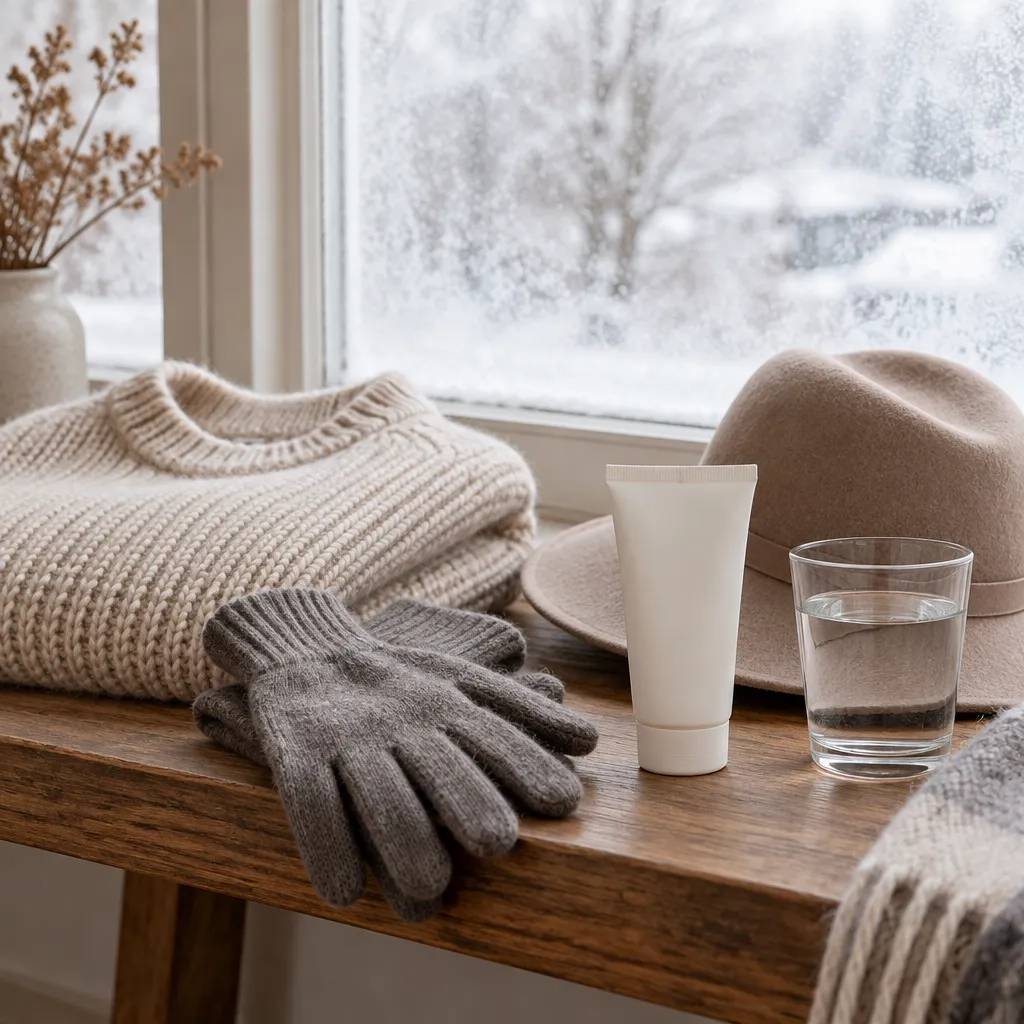
Winter changes what aftercare needs to focus on. Sun risk drops, but dryness rises. Cold outdoor air and central heating both pull moisture from the skin, and dry skin can crack, itch and heal more slowly. One seasonal guide points out that cooler weather can lead to dryness and irritation, so the skin needs as much attention as the ink does.
A Merseyside winter often brings damp, windy days. Rain and wind soak into dressings and rub against clothing, so the treated area needs protection outdoors. Keep it covered with a clean, breathable layer when you are out, and change that layer if it gets wet.
Moisture without overdoing it
Apply the moisturiser your practitioner recommends in thin layers, usually when the skin feels tight or dry. Heavy, greasy products can trap heat and sweat, which works against healing. More product is not better, and a thin, even layer does the job.
Indoor heating is the silent problem in winter. Radiators and warm rooms dry the air, and dry skin itches. If the area is uncomfortable at night, check that your room is not overheated and that your moisturiser is still suitable for the stage you are at.
Sun protection once the skin has closed
Low winter sun still matters once the surface has closed over. Use sun protection on the area whenever you go outside, even on overcast days, for as long as your practitioner advises. A common mistake is assuming that because the tattoo looks calm, the skin is ready for sun again. It is not, and the new skin is still sensitive.
Pro tip: Keep a small tube of your aftercare moisturiser in your bag all winter. Cold air dries skin quickly, and having the product with you makes it easy to reapply after a walk outside.
Which Removal Method Suits Winter Treatment
Winter timing is a reason to choose the right method, not a reason to choose any method. Most people looking for complete removal in Liverpool will weigh laser against older techniques that some providers still offer. Faith Laser reports 98% effectiveness for complete tattoo removal, but results depend on the ink, the skin and the number of sessions, so it is worth understanding the options first.
Laser tattoo removal uses light energy to break down ink, which the body then clears. Dermabrasion sands down the top layer of skin, and chemical peels remove the outer layer with a solution. Both older methods are more invasive, and they are usually used for specific jobs rather than full removal.
| Approach | Best suited for | Winter considerations |
|---|---|---|
| Laser tattoo removal | Most ink colours, skin types and tattoo sizes, delivered as a spaced course | Lower sun exposure supports healing. Keep the area moisturised and covered outdoors. |
| Dermabrasion | Lightening larger tattoos before laser work, or removing smaller areas | More invasive, so recovery takes longer. Plan downtime around work and commitments, and protect the area from cold wind. |
| Chemical peels | Small tattoos, or as a supporting step alongside laser | Peeling skin is more exposed to dry, cold air. Follow timing advice closely and moisturise through the peeling stage. |
Why laser suits most winter clients
Laser is the most common choice because it works across many ink colours and tattoo sizes and can be repeated in a controlled series. The spaced sessions fit a seasonal plan well. The surface of the skin stays largely intact between treatments, so healing is more predictable than with surface-removing methods.
When other methods come into the picture
One seasonal guide notes that dermabrasion can be used to lighten a larger tattoo before laser treatment, and that chemical peels suit small tattoos and can be used alongside laser. Both take the skin through a more visible healing stage, so they need more careful planning around weather and aftercare. If a provider suggests combining methods, ask why, and ask how long the recovery will take.
Pigmentation Removal Alongside Tattoo Work
Many people who come to us about tattoo removal also have pigmentation concerns. These can include dark marks left behind after an old tattoo was partly lifted, sun spots, or scarring that has changed colour. They are related problems, but they are not identical, and treating them in the same appointment is not always the right plan.
The confusion happens because both involve dark pigment in the skin. Tattoo ink sits deeper in the skin, while surface pigmentation sits closer to the top layer. A practitioner needs to see which problem is which before planning treatment, because the approach, the number of sessions and the healing time can all differ.

Separating the two plans
Winter is a good time to assess both, because sun exposure is lower and you can plan without rushing. We recommend a consultation that looks at the tattoo and the surrounding skin separately, rather than booking a combined package without a clear reason. You should leave with a written plan that explains what is being treated and why.
Keeping healing stages distinct
If both treatments are planned, avoid stacking them so the skin is recovering from two procedures at once. Space the work so each area gets its full recovery window. In practice, that means one thing at a time, with clear notes on what was done and when, so that any slow healing can be traced back to its cause.
Planning Your Treatment Schedule Across the Season
Timing is where many people go wrong. Booking a session because you have a free week in December, then trying to fit the next one into a busy spring, leaves you with uneven healing and a longer total course. A seasonal plan works better when you map it out before the first appointment.
One seasonal guide recommends spacing laser sessions about three months apart so the body can heal fully and process each treatment. Your practitioner may adjust that interval based on your skin, your tattoo and how you heal, but three months is a useful starting point for planning.
Mapping sessions from autumn into winter
Start the course in early autumn and let the sessions fall across the coldest months. If session one lands in October, session two in January and session three in April, the final appointment is near the point where sun exposure starts to rise. Plan that last session with this in mind, and keep sun protection in place for longer than you think you need.
Booking around work and weather
Choose a day that gives you room to rest after the session. Avoid heavy exercise, hot baths and long walks in wind for the first day or two. Liverpool weather can change quickly, so do not book a session on a day you are committed to being outdoors all afternoon.
Pro tip: Write down every session date and how your skin looked in the days afterwards. A simple log makes it easier to spot slow healing and to explain exactly what happened at your next appointment.
Frequently Asked Questions
Is winter really the best time for tattoo removal in Liverpool?
Winter is not automatically the best time for everyone, but it is often the most practical window for healing. Lower sun exposure reduces one of the biggest risks during the weeks after a session, and the main winter challenge, dryness, is manageable with a simple moisturising routine.
Does cold weather make laser tattoo removal less painful?
Many clients find sessions more comfortable in cooler conditions, because cold can reduce the sensation of heat from the laser. Pain still varies with the tattoo’s position, depth and colour, so discuss your expectations with your practitioner before the session.
How long should I wait between laser sessions?
A common seasonal guideline is about three months between sessions, which gives the skin time to recover and clear the treated ink. Your practitioner may change that interval depending on how your skin responds, so follow their timing rather than booking the next session early.
Can I still go outside after a session in winter?
Yes, but you should cover the treated area against wind, rain and cold, and use sun protection once the skin has closed over. Keep outdoor time short during the first days, and avoid soaking the area in rain or sweat.
Does winter dryness affect how tattoo removal heals?
It can. Cold outdoor air and indoor heating both dry the skin, and dry skin can itch, crack and heal more slowly. Use the moisturiser your practitioner recommends, apply it in thin layers, and keep your home from becoming overheated.
Can tattoo removal and pigmentation treatment be done in the same winter?
It is possible, but the two should be planned separately. Tattoo ink and surface pigmentation sit at different depths and may need different approaches, so a proper assessment should come first. Avoid stacking treatments so the skin is recovering from two procedures at the same time.
If you have had a tattoo removed during a Liverpool winter, we would like to hear how your healing went, so please share your experience in the comments.
We would love your feedback and any insights you would share with others. What perspective would you add?
References
- Dermatology practice article on why winter suits tattoo removal
- Guide on how changing seasons affect tattoo removal healing