Tattoo Removal for Cover Up Liverpool: Fade It First
Planning a cover-up in Liverpool often starts with a frustrating conversation. Your artist looks at the old piece, goes quiet, and says the new design will need to go darker, heavier, or smaller than you hoped. That is usually when people start searching for tattoo removal for cover up Liverpool options, because they want the new tattoo to be the one they actually chose, not a compromise built around ink they no longer want.
Partial tattoo removal, often called fading, is the practical answer. You do not need the old design gone. You need it lightened enough that your artist has room to work. This guide explains when fading makes sense, how it changes the design process, and what to expect from the first consultation to the final cover-up.
Table of Contents
- Quick Takeaways
- Why Fading Before a Cover-Up Changes the Result
- Which Tattoos Need Fading First
- How Partial Tattoo Removal Works in Practice
- Fade, Cover Directly, or Remove Fully?
- Timing, Aftercare, and Your Cover-Up Appointment
- Planning Your Cover-Up in Liverpool
- Frequently Asked Questions
- References
Quick Takeaways
| Key Insight | Explanation |
|---|---|
| Fade for contrast, not erasure | Partial removal aims to lighten the old design enough for new ink to read clearly. It does not need to clear every pigment particle. |
| Dark blacks and blues matter most | These pigments absorb laser energy well, so they respond fastest. They are also the colours most likely to muddy a cover-up. |
| Solid fill is the real problem | Large areas of solid ink give an artist nothing to design around. Fading the core first usually saves more of the new composition than fading the edges. |
| Bring a sketch, not just a photo | Show your artist the target design before the first session so the fade level can be matched to the new layout. |
| Plan for healing gaps | Lightened skin needs several weeks to clear broken pigment and settle. Build that window into your calendar before you book the cover-up. |
| Agree a target lightness in writing | Write down what the old tattoo should look like when the cover-up begins. This stops both the clinic and the artist from guessing. |
Why Fading Before a Cover-Up Changes the Result
Most cover-up problems come from one thing: the old ink is still doing too much work. Your artist draws new lines and shading onto skin that already holds dense pigment, and the two designs start to fight. Dark outlines show through lighter shading, solid black areas swallow fine detail, and colours that looked bright on the stencil turn murky on a heavy base.
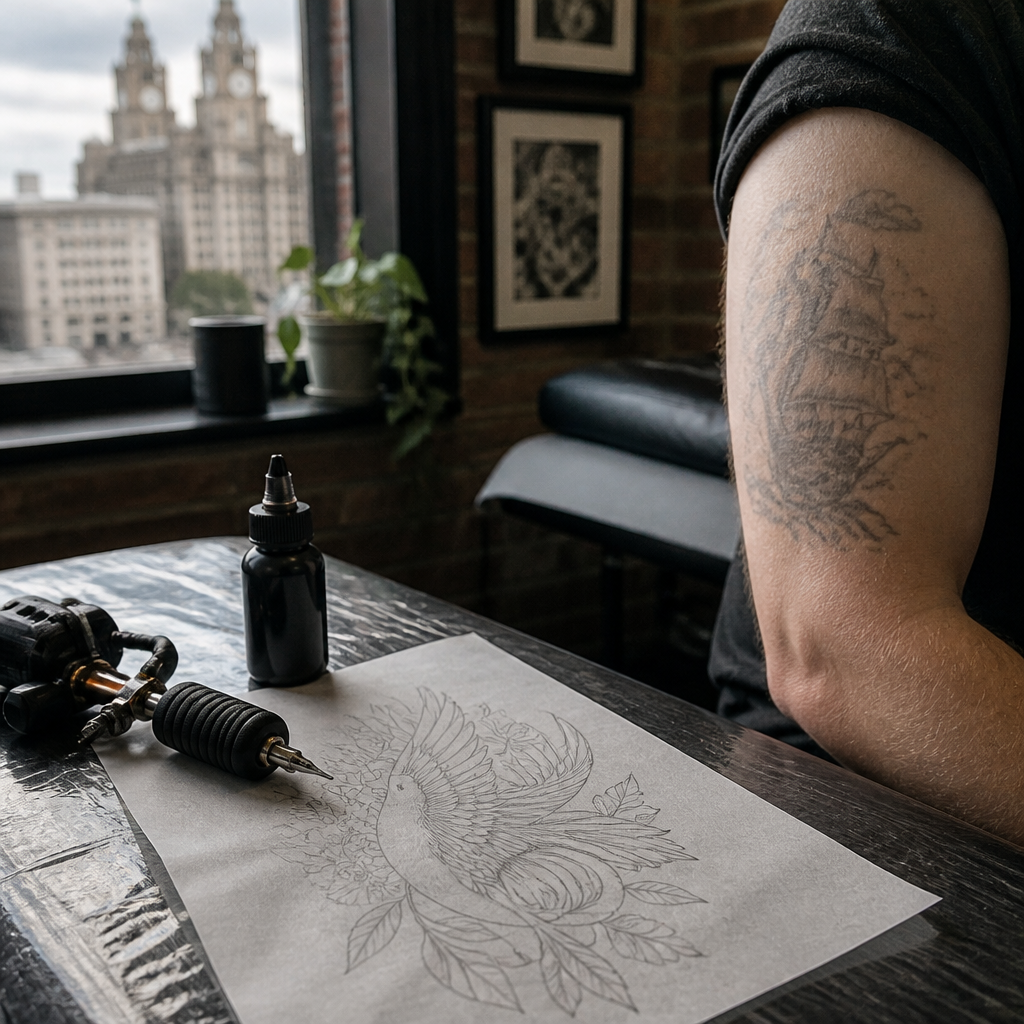
Fading changes the starting point. When the old design is lightened, the artist works with a cleaner background, and the new piece has room to read the way it looks on paper. In practice, that means more freedom with style, clearer colour, and fewer compromises on size.
A common misconception is that fading is a half-measure. In our experience it is the opposite. It turns a cover-up from a rescue job into a deliberate design decision, because the artist is building on a background they can actually control.
A cover-up is only as good as the space it is drawn into. Lighten the old design first and the new one has room to breathe.
The other benefit is predictability. Artists can sketch and quote with more confidence when they know roughly how much the old design will lighten. That uncertainty is what most people dislike about cover-ups, more than the cost or the wait. Fading gives you a clearer picture of the final outcome before the new ink goes in.
Which Tattoos Need Fading First
Not every old tattoo needs fading. A small, light piece with simple linework can often be covered directly, especially if the new design can be folded around it. The real question is how much of the old ink will show through, and that depends on three things: pigment darkness, solid fill, and size.
Dark blacks and deep blues
Black and dark blue pigments absorb laser energy readily, which is why they respond best to fading. They are also the colours most likely to show through a cover-up. A dense black outline under a bright new design pulls the eye and dulls everything around it, so these are usually the first candidates for a fade.
Lighter colours such as yellow and some greens respond less predictably to laser. In those cases, the fade plan has to be built around what the ink actually does on your skin, not around a general rule. Ask your clinic to explain how they expect each colour to behave before you commit.
Solid fill and large pieces
Solid fill is the hardest thing to cover. A block of black gives an artist nothing to work with except going darker or adding heavy texture, and both usually cost the new design its detail. Large pieces have the same problem at a bigger scale. An old tattoo that covers most of a forearm can take up the exact area where the new composition needs to sit.
Pro tip: Ask your artist to mark the solid areas on a printed photo before your consultation. That map shows which parts need the most lightening and gives you a fixed reference for comparing fade plans.
When covering directly is the better choice
Sometimes the honest answer is that you do not need fading at all. Old tattoos that have softened over the years, thin lines with little shading, and pieces with plenty of open skin can often be covered in one step. Be wary of any provider who insists every cover-up needs laser first without looking at the piece itself.
How Partial Tattoo Removal Works in Practice
Partial tattoo removal uses laser energy to break pigment into fragments small enough for the body to clear over the following weeks. Nothing about this is instant. Each session treats the ink, the skin reacts, and the area then heals before the next pass. That rhythm is why the process needs planning rather than a single visit.
Aim for a target rather than a finish line. Before the first session, agree with your artist on what the old tattoo should look like when the cover-up begins. Some people want the outline still faintly visible for placement, while others want it pale enough to read as a shadow. Writing the target down, ideally with a sketch of the new design, keeps everyone working toward the same result.
What happens in each session
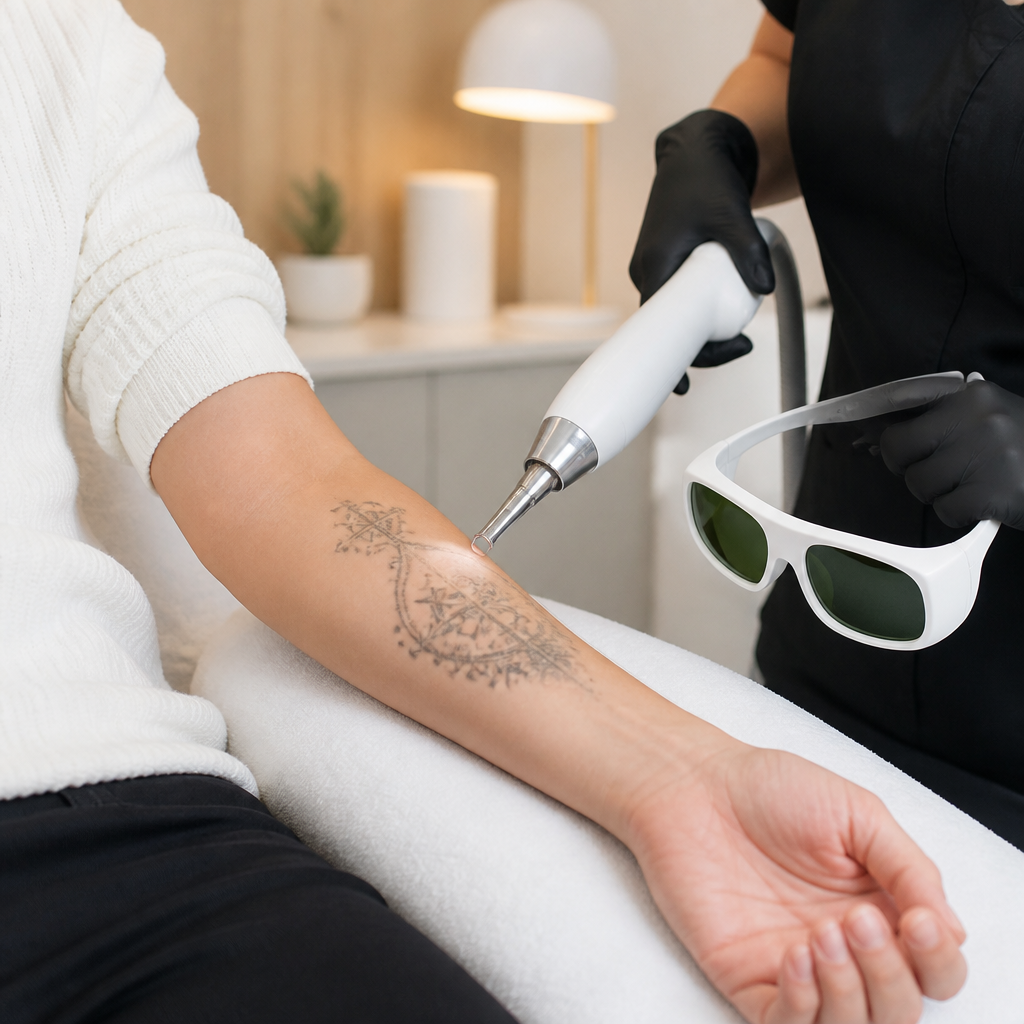
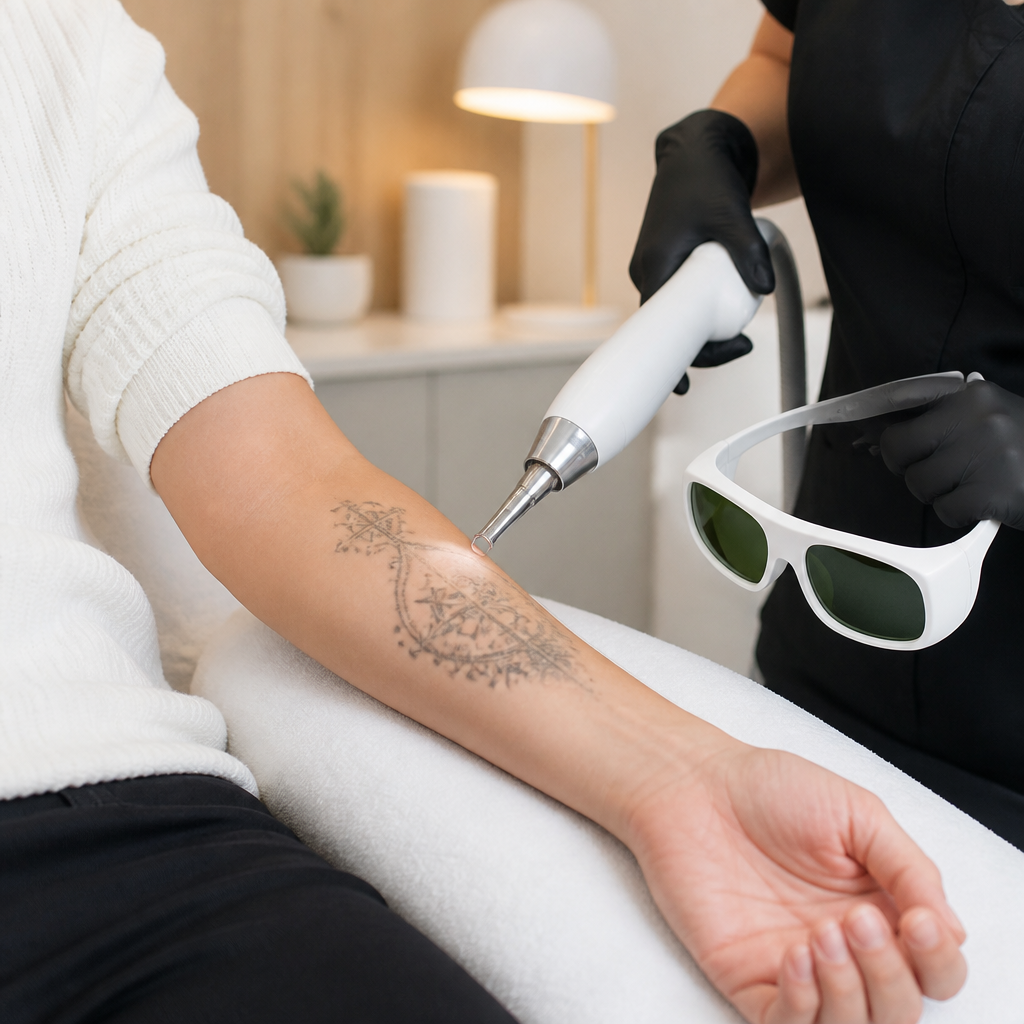
At each appointment the area is cleaned, protective eyewear is worn, and the laser passes over the ink in a set pattern. Most people describe a quick snapping sensation, similar to a rubber band flicked against the skin. The treated area often looks lighter or slightly frosted straight after, and that effect settles over the next few days.
Why your artist needs to be involved
The most effective fades happen when the clinic and the tattoo artist talk to each other. Clinics understand how the pigment responds to treatment, while artists know exactly where the new design needs contrast. If you are working with a separate artist, bring them into the planning early.
A common mistake is booking the fade and the cover-up as two unrelated projects. The result is often too little lightening in the wrong places, which leaves the artist with the same problem they started with. A shared plan avoids that.
Fade, Cover Directly, or Remove Fully?
Three routes are realistic for most people in Liverpool. Each one suits a different tattoo, and choosing well saves both money and frustration. The table below compares them side by side.
| Approach | Best for | Trade-off |
|---|---|---|
| Partial fading before a cover-up | Dark, dense, or large old tattoos where the new design needs real freedom | Several sessions and healing gaps before the artist can start |
| Direct cover-up with no laser | Small, light, or naturally softened tattoos with simple shapes | Fewer design options, and a higher risk of muddy colour where old ink shows through |
| Full tattoo removal | People who want clear skin and no tattoo at all | The longest course of treatment, and some colours clear less completely than others |
Our view is straightforward. If the old tattoo is dark, dense, or large, fading first is usually the better route, even though it adds time. If it is small and light, a direct cover-up is often the more efficient choice. Full removal is a separate goal and should not be chosen only because you want a new tattoo.
Reading a fade quote properly
Money matters, but a single session price tells you very little. Partial work costs less than a full removal course because you stop once the old design is light enough. Cheap sessions that never reach the target just mean paying again later.
Judge a quote by the lightness it promises and the number of sessions it estimates to get there. A clinic that cannot give you either, or that avoids discussing the new design, is not giving you enough information to plan.
Timing, Aftercare, and Your Cover-Up Appointment
Waiting matters. Lightened skin needs time to clear broken pigment and heal. Most artists will want the area to settle before they tattoo over it, and rushing can leave an overworked patch that heals unevenly. Plan the calendar around the healing window, not the other way round.
How long to wait before the cover-up
Do not book the cover-up until the clinic confirms the fade has reached your target. Many people schedule the artist too early because they want the process finished, then find that the last session still needs to happen. Leave a margin in your plans for one extra session, since some ink lightens more slowly than expected.
Aftercare that protects lightened skin
Keep the area clean, moisturised, and out of direct sun. Avoid picking at any scabbing, because scarring can change how the next layer of ink looks. Sun exposure is the fastest way to undo good work, because it darkens the surrounding skin and makes the next session harder to judge.
Pro tip: Take a photo of the fading area in the same light and from the same angle at every session. Side-by-side pictures show progress clearly and help your artist decide whether another pass is needed.
Booking the cover-up appointment
Before the cover-up day, confirm the final fade with your clinic and send your artist the latest photos. Ask whether the skin needs any extra preparation, and check that your schedule has room for a longer session. A rushed cover-up on tired, half-healed skin rarely looks as good as the sketch.
Planning Your Cover-Up in Liverpool
Liverpool has a strong community of tattoo artists and laser clinics, so you have plenty of choice. The practical question is not only where a clinic is, but whether it can talk through your specific cover-up. A good first conversation starts with the old tattoo, the new design, and the result you want, then works backwards to a fade plan.
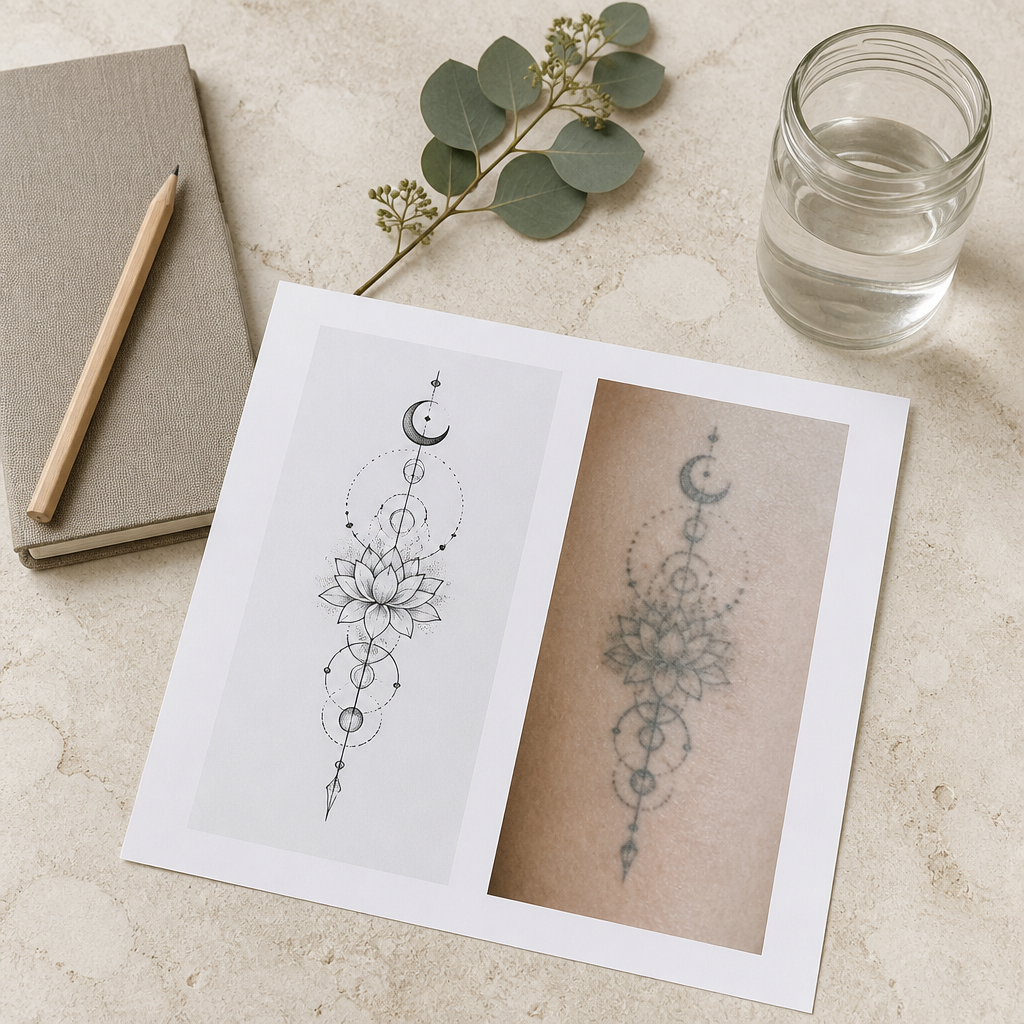
Questions to ask before you book
Ask whether the clinic has worked on fading before a cover-up, and whether they can show examples. Ask how they decide the target lightness and whether they will speak to your tattoo artist directly. Finally, ask what happens if the fade stalls or needs more sessions than estimated.
What to bring to your first consultation
Bring clear photos of the old tattoo in good daylight, taken from several angles. Add a sketch or reference images for the new design, and note any changes you have seen in the old piece, such as spreading, fading, or colour shift. This information lets the clinic estimate the work accurately from the start.
Budgeting for fading sessions
Ask for an estimated range of sessions rather than a single figure, and ask how the price is structured. Compare quotes by the total cost to reach the agreed target, not by the price of one visit. A small buffer in your budget is sensible, because a cover-up that needs one more session is far cheaper than one that goes wrong.
If you are considering treatments beyond tattoos, the full range of services is available on the Faith Laser homepage, where you can plan your appointments alongside your cover-up timeline.
Frequently Asked Questions
Do I always need to fade a tattoo before a cover-up?
No. Small, light, or naturally softened tattoos can often be covered directly. Fading is most useful when the old design is dark, dense, or large, because those factors limit what the new design can do.
How many sessions does partial tattoo removal usually take?
Most cover-ups need a handful of sessions rather than a full removal course. Expect several weeks between appointments, because the body needs time to clear broken pigment before the next pass.
Can every colour be faded with laser?
Not every colour responds in the same way. Black and dark blue usually respond best, while lighter colours can be less predictable. Ask your clinic how each colour in your tattoo is likely to behave before you start.
Is fading before a cover-up painful?
Most people describe a quick snapping sensation during treatment, and the discomfort is usually manageable. The skin may look lighter or slightly frosted afterwards and can feel tender for a short period.
Can I get a cover-up straight after a fade session?
Usually not. Your artist will normally want the lightened skin to heal and settle first, so the cover-up should be booked only after the clinic confirms the fade has reached the agreed target.
Is fading worth it for a small tattoo?
Often it is not. A small, light tattoo can usually be covered in one step, and paying for several fade sessions would only add cost and time. Ask your artist for an honest view before you book any treatment.
Have you faded a tattoo before a cover-up, and what did you wish you had known before your first session? Share your experience with us, because real stories from clients help the next person plan with more confidence.