Laser Hair Removal for PCOS: Does It Really Work?
If you have polycystic ovary syndrome, you already know that shaving, waxing, and threading are never-ending battles. The hair comes back thicker, faster, and in places that feel deeply frustrating to manage. Laser hair removal for PCOS is not a quick fix, but it is the most effective long-term tool available for managing the excessive hair growth that comes with this condition. This guide breaks down exactly how it works, what to realistically expect, and why a professional clinic in Liverpool is a far better option than any at-home device.
Table of Contents
- Why PCOS Causes Excessive Hair Growth
- How Laser Hair Removal Targets PCOS Hair
- Quick Takeaways
- What Results to Realistically Expect
- Choosing the Right Laser for Your Skin and Hair Type
- Laser vs Other Hair Removal Methods for PCOS
- How Many Sessions Do You Actually Need?
- Combining Laser Treatment with Medical Management
- PCOS Hair Removal in Liverpool: Why Clinic Choice Matters
- Frequently Asked Questions
- References
Why PCOS Causes Excessive Hair Growth
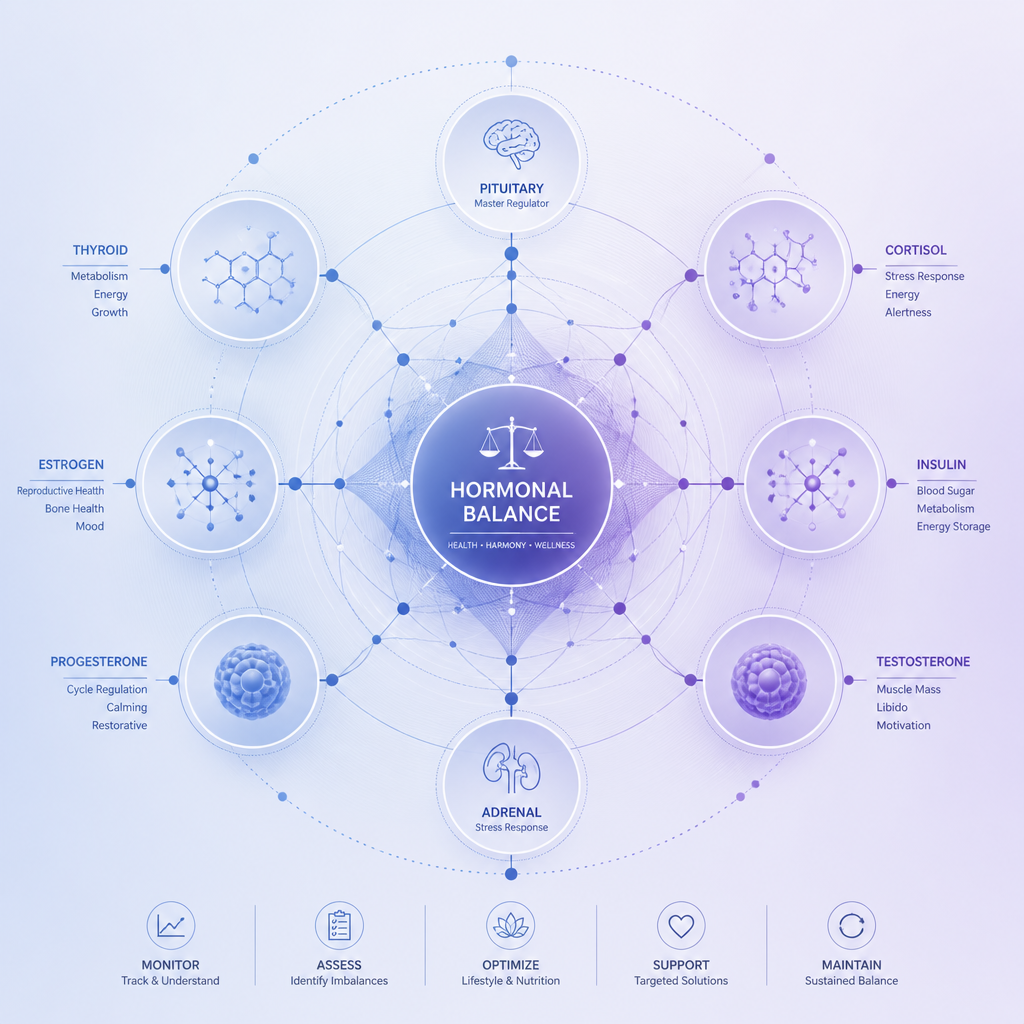
PCOS is a hormonal condition in which the ovaries produce higher-than-normal levels of androgens. Androgens are often described as male hormones, though women naturally produce them in smaller amounts. When androgen levels are elevated, hair follicles in androgen-sensitive areas, including the chin, jawline, upper lip, chest, and abdomen, are stimulated to produce thick, dark terminal hairs instead of fine vellus hairs.
The medical term for this is hirsutism. Research published in a peer-reviewed study on PubMed Central estimates that hirsutism affects between 65% and 75% of women with PCOS, making it one of the most common and visible symptoms of the condition. For many women, it is also the most distressing one.
The challenge with PCOS-related hair growth is that it is driven by an ongoing hormonal signal. This means that even when individual follicles are treated or removed, the hormonal environment continues to stimulate new follicles. That is exactly why temporary methods like waxing and shaving keep failing, and why a more targeted approach is needed.
How Laser Hair Removal Targets PCOS Hair
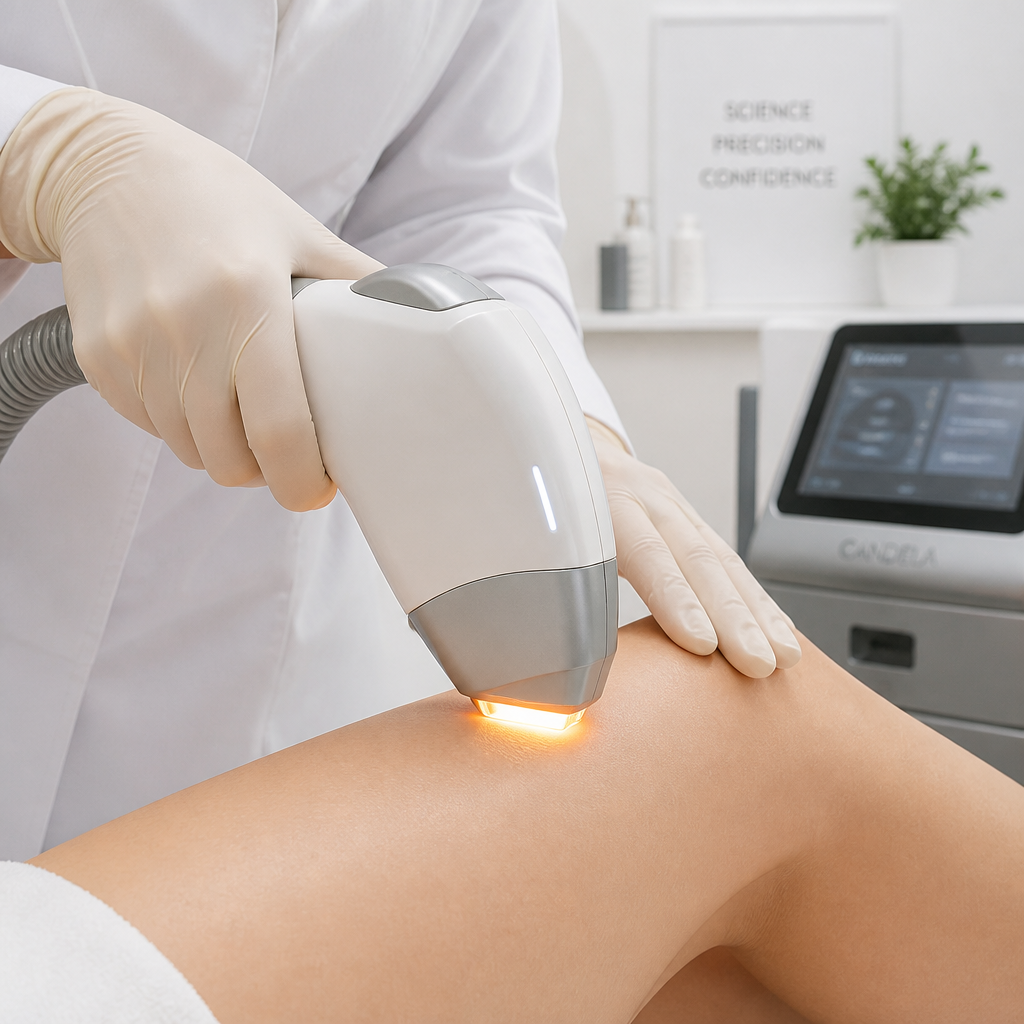
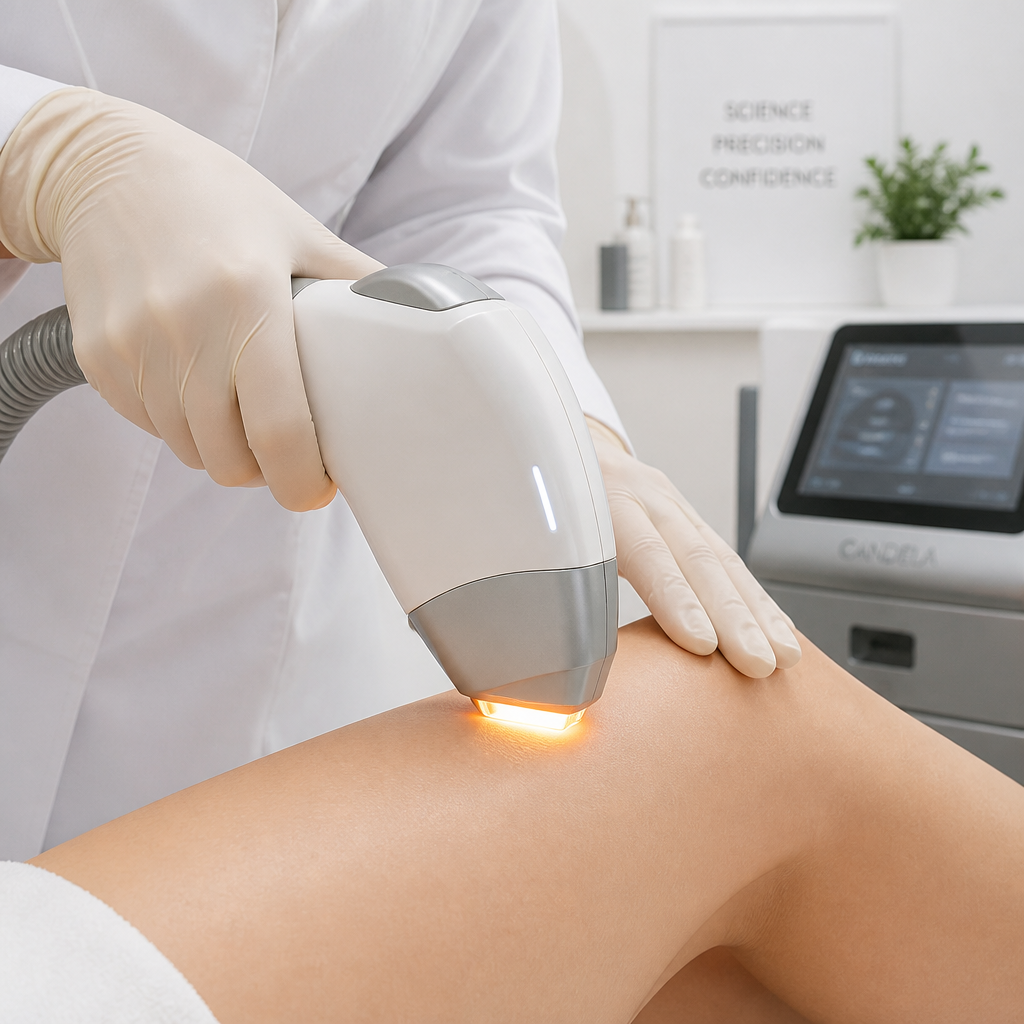
Laser hair removal works through a process called selective photothermolysis. The laser emits a concentrated beam of light at a specific wavelength, which is absorbed by the melanin (pigment) in the hair shaft. This light energy converts to heat, which travels down the shaft and damages the hair follicle’s ability to produce future growth.
The reason this approach works particularly well on PCOS-related hair is that hirsutism typically produces exactly the kind of hair laser treats most effectively: dark, coarse, terminal hairs with high melanin content. The laser has a clearly defined target. Fine, pale hair is harder to treat. PCOS hair, frustratingly thick as it is, is actually a good candidate for laser treatment.
One important point: laser does not address the underlying hormonal cause of PCOS. It targets the follicle directly. This means it significantly reduces hair growth, but because the hormonal environment persists, some regrowth is possible over time without maintenance sessions.
Quick Takeaways
| Key Insight | Explanation |
|---|---|
| Laser targets PCOS hair directly | The dark, coarse hair produced by elevated androgens in PCOS is high in melanin, making it an ideal target for laser energy. |
| Results are significant but require commitment | Most people completing a full course see a 70% to 90% reduction in hair growth, but PCOS typically requires more sessions than a non-hormonal case. |
| Maintenance sessions are part of the plan | Because PCOS involves ongoing androgen activity, periodic top-up treatments, typically every three to six months, help sustain results long term. |
| More sessions are usually needed | Where a standard hair removal course might be six to eight sessions, PCOS clients commonly need eight to ten, spaced four to six weeks apart. |
| Diode laser suits most skin types | A diode laser operating around 808 to 820 nm is considered safe and effective for a wide range of skin tones, making it a practical choice for PCOS treatment. |
| Combining laser with medical management improves outcomes | Clinical evidence suggests that managing hormonal levels alongside laser treatment produces more durable results than laser treatment alone. |
| A qualified clinic matters more than the price | PCOS hair needs a personalised treatment plan, correct laser settings, and consistent follow-up. Cheap walk-in treatments are not set up for this. |
The most common mistake women with PCOS make is approaching laser hair removal the same way they would any other beauty treatment: one round of sessions, then done. The hormonal dimension of PCOS means this condition rewards a longer-term, planned approach. Knowing that upfront saves both frustration and money.
What Results to Realistically Expect
A full treatment course for PCOS-related excessive hair growth typically produces a significant reduction in both hair density and thickness. Clients who complete their recommended sessions commonly report that regrowth, when it does occur, is finer and lighter than the original hair, making it far less noticeable and easier to manage.
The 70% to 90% reduction figure cited by specialists reflects what is achievable after completing a proper course. It is not a first-session promise. Most people notice visible thinning after three or four sessions, with the most dramatic improvement occurring between sessions five and eight.
Areas Where Laser Works Best for PCOS
PCOS tends to drive hair growth in specific areas: the chin, upper lip, jawline, chest, abdomen, and inner thighs. These androgen-sensitive zones respond well to laser because the hair is typically dark and coarse. Facial areas like the upper lip and chin often need more frequent sessions because hormonal stimulation recycles follicles faster on the face than on the body.
Underarms and the bikini and intimate zone are also popular treatment areas for women with PCOS. At Faith Laser in Liverpool, treatments cover all of these areas, and the team can build a package around the specific zones causing you the most difficulty rather than applying a one-size-fits-all approach.
What Will Not Change
Laser will not regulate your menstrual cycle, reduce androgen levels, or treat the other symptoms of PCOS. It is purely a cosmetic and practical intervention aimed at the hair itself. If your PCOS is currently unmanaged or your hormone levels are significantly elevated, it is worth discussing medical management with your GP alongside your laser treatment plan, as controlled hormone levels tend to produce more durable laser results.
Pro tip: Before starting a course of laser hair removal for PCOS, ask your GP for an androgen panel blood test. You do not need to wait for the results to start treatment, but knowing your hormonal baseline helps your clinician plan the right number of sessions and set realistic expectations from day one.
Choosing the Right Laser for Your Skin and Hair Type
Not all laser systems are equally suited to PCOS treatment. The three main wavelengths used for hair removal are the alexandrite laser at 755 nm, the diode laser at 808 to 820 nm, and the Nd:YAG laser at 1064 nm. Each has a different relationship with melanin and skin depth.
The alexandrite laser at 755 nm is highly precise and effective on lighter skin tones (Fitzpatrick types I to III). It works well on dark hair but carries a higher risk for people with deeper skin tones. The Nd:YAG laser at 1064 nm penetrates deeper into the dermis and carries less surface melanin interaction, making it the safest option for darker skin tones (Fitzpatrick types IV to VI). The diode laser operating between 808 and 820 nm sits in between: it is widely regarded as effective and safe across most skin types, making it a practical choice for a diverse patient population.
Faith Laser uses a diode laser with Crystal Freeze cooling technology. The cooling system reduces surface heat and discomfort during treatment, which is particularly useful for facial areas and for clients who are sensitive. For PCOS clients, who often need more sessions and a broader range of treatment areas, a comfortable experience makes a real difference to treatment adherence.
The follicle’s activity in PCOS is driven by an ongoing hormonal signal. Treated follicles may be more likely to regenerate or be replaced by new active follicles over time compared with hair in people without hormonal stimulation. Choosing an experienced clinic that uses the right wavelength and energy settings for your skin and hair type is essential to managing this effectively.
Laser vs Other Hair Removal Methods for PCOS
Women with PCOS often cycle through every available hair removal method before arriving at laser treatment. Understanding why the other approaches fall short explains why laser is considered the clinical standard for managing hirsutism.
| Method | How It Works | Suitability for PCOS Hair Growth |
|---|---|---|
| Laser hair removal | Targets melanin in the follicle with concentrated light energy, damaging the follicle’s regrowth capacity using selective photothermolysis. | Best option. Targets the dark, coarse hair typical of PCOS directly. Significant long-term reduction with a properly planned course. Maintenance sessions manage ongoing hormonal stimulation. |
| Electrolysis | Passes an electrical current through a needle into each individual follicle to permanently destroy it one hair at a time. | Useful for isolated persistent hairs (particularly on the face) after a laser course. Too slow and costly to use as the primary method across large or dense areas typical of PCOS hirsutism. |
| Waxing, shaving, threading | Temporary physical removal of hair at the surface or root, with no lasting effect on the follicle itself. | Ineffective for PCOS long-term. Because the hormonal driver remains, hair returns quickly and often feels coarser. Regular waxing of PCOS facial hair is both expensive and emotionally taxing over years. |
In practice, the most effective strategy for PCOS hirsutism is to use laser as the primary treatment for the bulk of hair reduction, then use electrolysis to address any stubborn single hairs that persist after the course is complete. The British Skin Foundation lists both laser and electrolysis as recognised treatments for hirsutism, and many clinicians treat them as complementary rather than competing options.

How Many Sessions Do You Actually Need?
This is the question everyone asks, and PCOS makes it more complicated than a simple number. Hair grows in cycles, and laser can only destroy follicles in their active anagen (growth) phase. For non-hormonal hair removal, six to eight sessions usually covers most areas effectively. For PCOS, the hormonal environment actively recycles follicles into the anagen phase faster than normal, particularly on the face.
A realistic PCOS treatment plan looks like this: an initial course of eight to ten sessions for most body areas, spaced four to six weeks apart, followed by maintenance sessions every three to six months. The maintenance frequency depends on how well your PCOS hormones are managed and how your individual hair responds. Some clients need maintenance every three months. Others find twice-yearly sessions are enough to keep results stable.
Facial Hair Needs More Attention
The chin, upper lip, and jawline are driven hardest by androgens, and they cycle new follicles into the anagen phase more aggressively than body areas. Expect the facial hair zones to need more sessions than, say, the underarms, and expect maintenance to be more regular for the face specifically.
Faith Laser’s tailored packages allow you to build a treatment plan around the areas causing you the most difficulty. For PCOS clients, this usually means a combination package covering facial areas and one or more body zones, rather than a single-area approach.
Pro tip: Track your regrowth between sessions. If you notice hair returning faster than expected, note the area and the timing and share this with your clinician at your next appointment. It gives them useful information to adjust session spacing and intensity rather than continuing with a schedule that is not matching your hormonal pattern.
Combining Laser Treatment with Medical Management
Laser treats the follicle. It does not treat the hormonal environment driving follicle activity. For the most durable results, clinical evidence points to a combined approach, where laser reduces existing hair growth while medical management addresses the androgen levels causing new follicles to activate.
Medical options your GP or endocrinologist might consider alongside laser include combined oral contraceptives, anti-androgen medications, and topical treatments that slow hair regrowth. These are not always appropriate or necessary for every PCOS patient, and they are decisions between you and your doctor, not your laser clinician. What your laser clinician can do is time sessions appropriately and adjust treatment plans based on how your hormonal management is progressing.
The practical takeaway is this: if you are starting laser treatment for PCOS hair growth, inform your clinician about any medications you are taking and any recent changes to your PCOS management. This information directly affects your treatment plan, session frequency, and expected outcomes. It is not cosmetic background noise; it is clinically relevant.
PCOS Hair Removal in Liverpool: Why Clinic Choice Matters
PCOS hair removal is not the same as standard laser hair removal, and it should not be treated as such. If a clinic offers you a generic six-session package with no discussion of your hormonal history or treatment areas, that is a sign that they are not approaching your case with the specificity it requires.
At Faith Laser in Liverpool, the focus is on building treatment plans around the individual client. For PCOS hair removal in Liverpool, this means a proper initial assessment of which areas are affected, a discussion of your hormonal background, and a package structure that accounts for the likelihood of ongoing maintenance rather than treating the course as a one-off procedure.
The diode laser used at Faith Laser is effective across a wide range of skin tones and hair types, and the Crystal Freeze cooling system makes treatment more comfortable, which matters when you are committing to multiple sessions over an extended period. The clinic also covers a full range of treatment areas relevant to PCOS hirsutism, from facial zones to intimate areas and the abdomen.
If you are researching excessive hair growth laser treatment in Liverpool and weighing your options, the key question to ask any clinic is not just the price per session, but how they handle PCOS-specific cases: do they personalise session timing, do they offer maintenance packages, and do they understand the hormonal dimension of your hair growth? Those answers matter far more than headline prices. You can book a consultation at Faith Laser to discuss your specific situation and get a clear picture of what a realistic treatment plan looks like for you.
Frequently Asked Questions
Will laser hair removal permanently stop PCOS hair growth?
Not entirely, and anyone promising permanent results with PCOS is overstating what laser can do. Because PCOS involves ongoing androgen activity, the hormonal environment continues to stimulate follicles even after a full treatment course. Laser produces a significant and lasting reduction in hair density and thickness, but maintenance sessions are typically needed every three to six months to manage regrowth driven by ongoing hormonal activity.
Is laser hair removal safe if my PCOS is currently unmanaged?
Yes, laser treatment is safe regardless of whether your PCOS is medically managed. However, unmanaged PCOS with elevated androgen levels tends to produce faster regrowth between sessions and may require more maintenance treatments over time. Starting laser alongside a conversation with your GP about hormonal management often produces better long-term results than laser alone.
Which areas can be treated for PCOS-related hair growth?
All of the common PCOS hirsutism zones can be treated with laser: the upper lip, chin, jawline, cheeks, neck, chest, abdomen, inner thighs, underarms, and intimate areas. Facial areas typically need more sessions than body areas due to faster hormonal follicle cycling. At Faith Laser in Liverpool, you can build a package that covers the areas most relevant to your specific pattern of hair growth.
How does PCOS laser treatment differ from standard laser hair removal?
The technology is the same, but the treatment plan is different. PCOS cases generally require more sessions, typically eight to ten rather than six to eight, and they need a defined maintenance schedule rather than a one-off course. The clinician also needs to understand your hormonal background to set realistic expectations and adjust session timing appropriately. A clinic experienced in hormonal hair growth will approach PCOS cases differently from routine laser treatments.
Can I have laser hair removal while taking PCOS medication?
In most cases, yes. Most PCOS medications, including combined oral contraceptives and anti-androgen treatments, are compatible with laser hair removal. Some topical treatments or photosensitising medications may require a brief pause before sessions. Always inform your laser clinician of every medication you are taking so they can check compatibility and adjust your treatment plan if needed.
How long before I see a noticeable difference in PCOS hair growth?
Most clients notice visible thinning and reduced regrowth speed after three to four sessions. The most significant reduction typically occurs across sessions five through eight. Because PCOS hair grows in influenced cycles, patience through the early sessions is essential. Trying to judge the treatment after one or two sessions does not give an accurate picture of what a full course will achieve.
Have you tried laser hair removal for PCOS-related hair growth, or are you currently weighing up your options? Share your experience or questions below, we would love to hear what has or has not worked for you.
References
- PubMed Central: Peer-reviewed research on hirsutism prevalence and severity in women with PCOS
- Clinical overview of how laser hair removal works for PCOS-related hair growth, including combined treatment approaches
- UK-based guide on laser hair removal for PCOS, covering session planning and maintenance schedules
- British Skin Foundation information on hirsutism causes and recognised treatment options
- NHS clinical guidance on the assessment and management of hirsutism, including its association with PCOS