Most people research the laser session itself and then give almost no thought to what happens next. That is a mistake. Your tattoo removal aftercare routine is just as important as the treatment itself, and poor aftercare is one of the most common reasons people end up needing extra sessions, developing scarring, or seeing patchy fading. If you are going through tattoo removal healing in Liverpool with Faith Laser, or anywhere else, this guide covers exactly what to do, what to avoid, and why each step actually matters for your results.
Understanding the biology behind healing helps you follow aftercare instructions for the right reasons, not just because someone told you to. When a laser targets your tattoo, it emits short pulses of intense light that break ink particles into tiny fragments. Those fragments are then cleared from your skin by your body’s own immune system, specifically the lymphatic system.
This means your body does the heavy lifting between sessions. The laser creates the opportunity; your immune response handles the actual clearance. Every aftercare decision you make either supports or undermines that process.
| Key Insight | Explanation |
|---|---|
| Ice for the first hour, not longer | Apply an ice compress for no more than three minutes at a time, alternating on and off, to reduce inflammation without damaging skin. |
| Wait 24 hours before showering | Showering too soon can irritate freshly treated skin and increase the risk of infection. |
| Never pick at blisters or scabs | Picking disrupts natural skin repair and is a leading cause of scarring after laser tattoo removal. |
| Avoid sun exposure for at least two weeks | Sun exposure on treated skin can delay healing, cause hyperpigmentation, and force you to postpone your next session. |
| Keep the area moisturised | A suitable ointment such as Aquaphor reduces irritation and itching and supports skin cell recovery. |
| Stay well hydrated between sessions | Hydration keeps the lymphatic system functioning efficiently, helping your body flush out fragmented ink particles faster. |
| Smoking slows results noticeably | Non-smokers generally see faster and better removal results because their immune systems are not busy clearing smoke toxins. |
The first few hours after a session are the most sensitive. Your skin has just absorbed intense laser energy, and its immediate response will set the tone for the entire healing phase. Knowing what is normal and what requires attention prevents unnecessary panic and also prevents the mistakes that cause complications.
Immediately after treatment, your skin will likely appear red, swollen, and slightly raised, with a sensation similar to a mild sunburn. You may also notice a white “frosting” effect on the treated area. This frosting is a normal, temporary reaction caused by the rapid release of carbon dioxide from the skin as the laser energy is absorbed. It typically fades within minutes.
Within the first 24 to 72 hours, some blistering and scabbing may develop. This is a normal part of the healing process, not a sign that something has gone wrong. Do not attempt to drain or pop blisters. Blisters form as part of the skin’s protective response and should be left entirely alone.
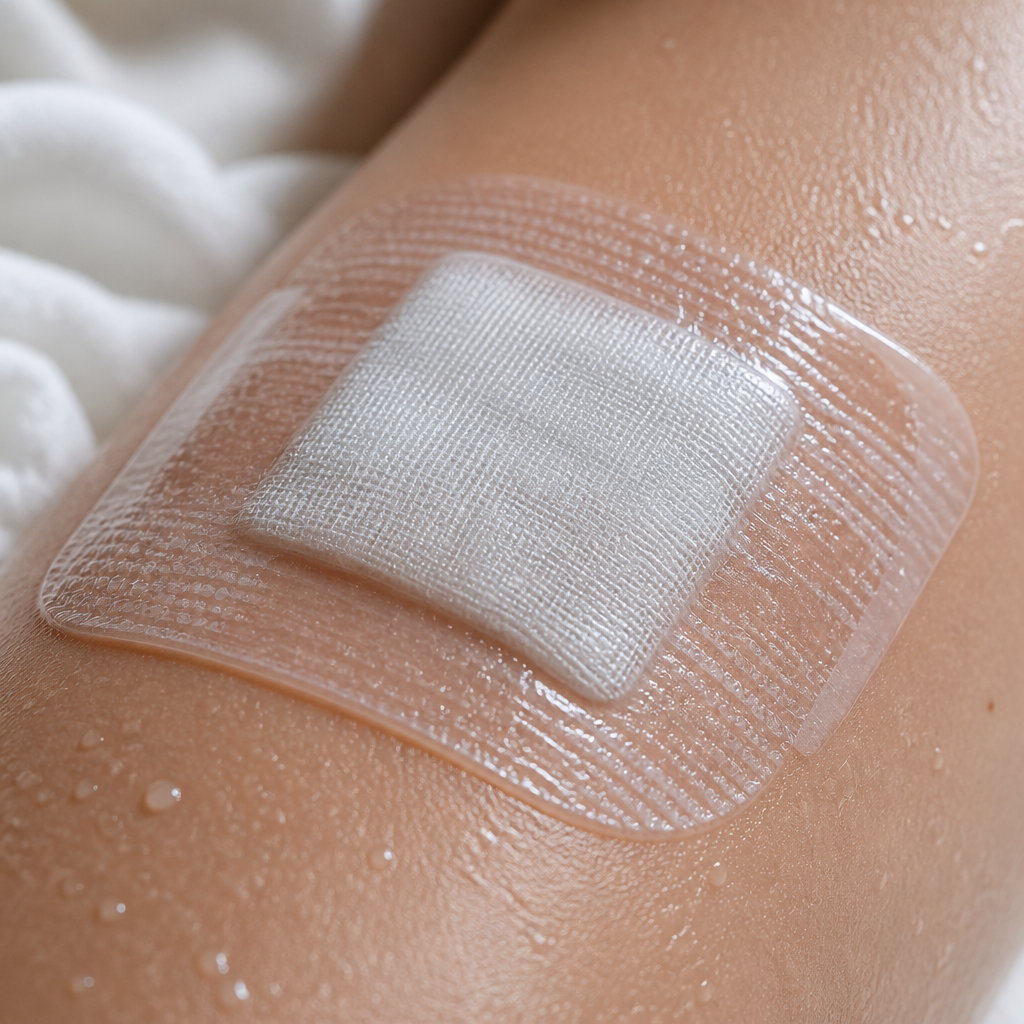
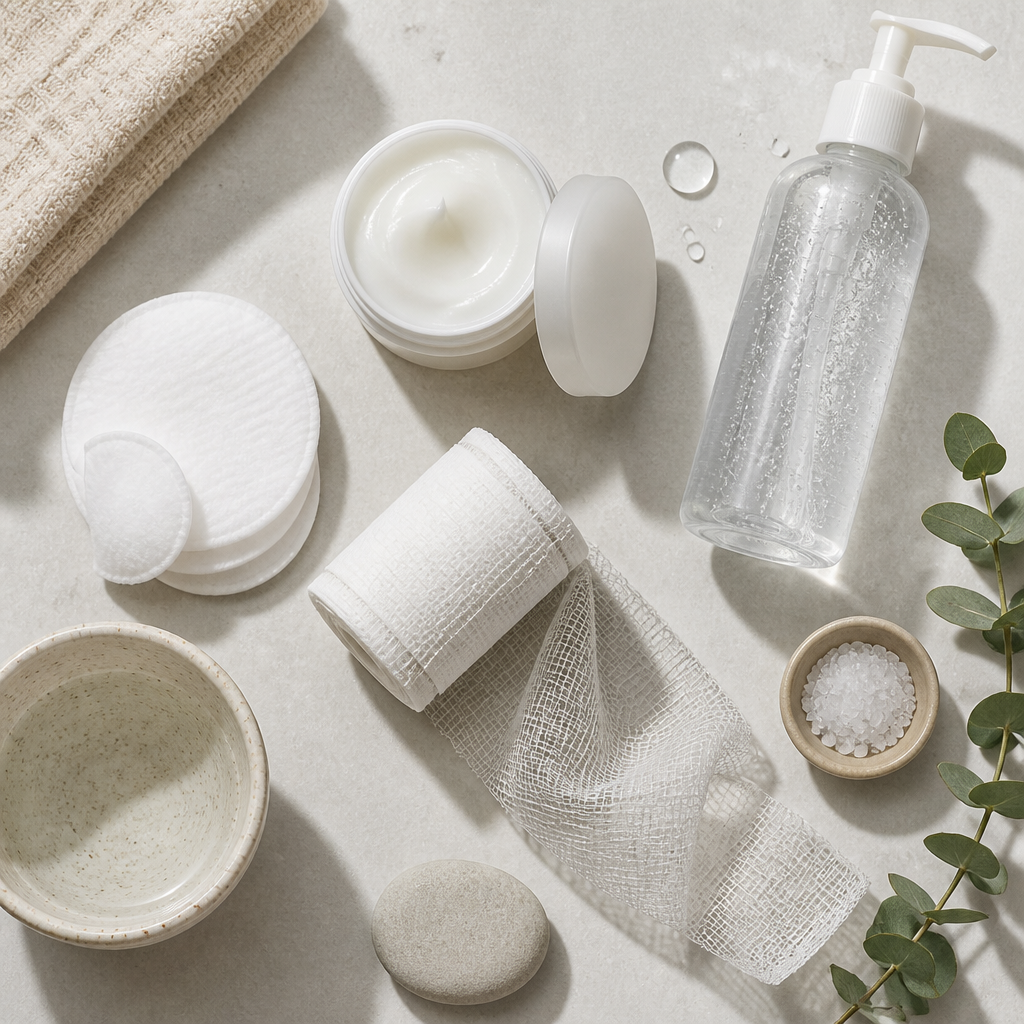
Apply an ice pack or cool compress to the treated area to help calm swelling and discomfort. Alternate it on and off in short intervals rather than holding it continuously against the skin. Keep the area clean and dry, and apply any ointment or dressing that your practitioner has given you. Resist the temptation to use random products from your bathroom cabinet. Antibiotic ointments such as Neosporin, for example, can actually increase the chance of blistering and should be avoided unless specifically recommended by your clinic.
Pro tip: If your clinic has provided a specific aftercare product, use it exactly as instructed. Generic antiseptic creams are not a suitable substitute and can interfere with normal healing.
The first week is when the treated skin goes through its most visible changes. You will likely see scabs forming as the skin repairs itself, and this is the phase where most clients accidentally delay their own healing by interfering with what the body is naturally doing.
Once 48 hours have passed, you can shower normally, but keep water pressure away from the treated area. Use lukewarm water only. Hot water increases inflammation and should be avoided entirely. Clean the area gently with a mild soap, then pat it dry rather than rubbing. Avoid baths, hot tubs, and swimming pools until the area is fully healed, as soaking increases the risk of infection in the treated skin.
Keeping the treated area moisturised for the first several days reduces itching and supports skin cell recovery. A plain petroleum jelly or a product like Aquaphor works well. Do not apply makeup or cosmetic products to the area until healing is visibly complete. If you feel you must use makeup, the general guidance is to wait at least 48 hours, though waiting longer is always safer.
During week two, swelling will reduce significantly, and scabs will begin to flake off naturally. Let them. Pulling scabs off before they are ready is one of the most reliable ways to create permanent scarring.
Proper aftercare can greatly impact how your skin heals after each treatment, your final results, and the total time it takes to achieve full removal. Following every aftercare protocol is not optional if you want optimal outcomes.
Pro tip: Set a reminder on your phone for the days immediately following your session. It is easy to forget not to scratch or pick at the area, especially when it starts itching during healing, which is a completely normal sensation.
Knowing what not to do is at least as important as knowing what to do. The list below covers the most common errors that derail tattoo removal healing, delay sessions, or cause lasting skin damage.
Sun exposure is one of the most damaging things you can expose treated skin to between sessions. If you develop a sunburn or even a tan in the treatment area, your next appointment will need to be postponed until your skin returns to its normal colour. Beyond delaying your timeline, regular sun exposure on recently treated skin increases the risk of hyperpigmentation and can cause complications with subsequent laser settings.
Avoid sun exposure on the treated area for at least two full weeks after each session. Once the area has healed, apply a high-SPF sunscreen every time you go outside. This is non-negotiable throughout your entire removal course and for several months after the final session.
Intense exercise immediately after a session is not a good idea. Sweat introduces bacteria to an open or healing skin surface, and increased body heat can worsen inflammation. Take a few days off from the gym after each treatment. Once the area has scabbed over, gentle exercise is fine and is actually beneficial for the overall removal process because it improves circulation.
This sounds obvious, but it remains the most frequent mistake. The treated area will itch as it heals. Scratching or picking at blisters and scabs removes the protective layer the skin has built, leaves the deeper tissue vulnerable, and creates the exact conditions that lead to scarring. If itching is severe, a cool compress applied briefly will provide relief without causing damage.
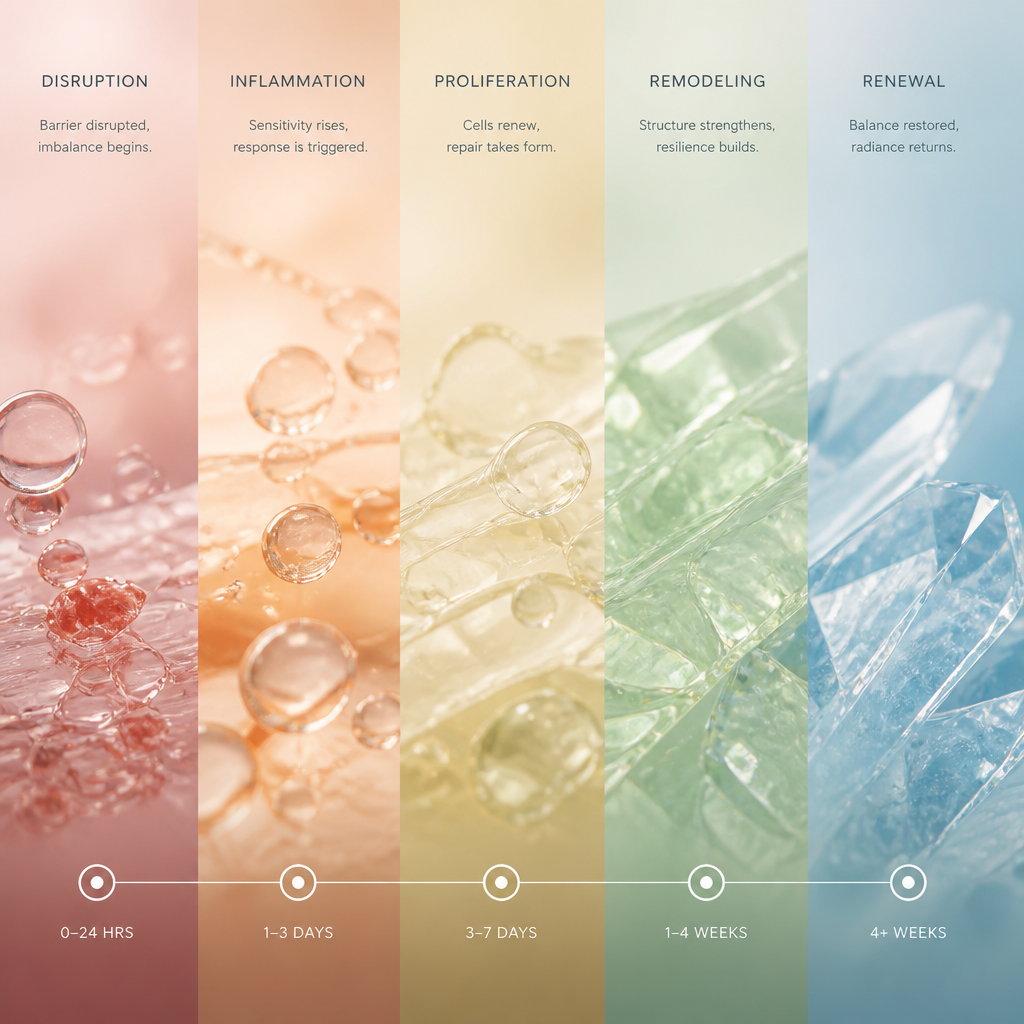
What you do between sessions matters as much as what you put on the treated area in the first week. Because the laser fragments ink but your immune system actually removes it, anything that improves immune function will improve your results and reduce the number of sessions you need.
Staying well hydrated is one of the simplest and most effective things you can do to support tattoo removal healing. The lymphatic system is responsible for filtering out the fragmented ink particles, and it functions better when the body is properly hydrated. Aim for consistent daily water intake, not just on treatment days.
This one deserves direct attention because many clients underestimate its significance. Non-smokers consistently see faster and more complete results from laser tattoo removal. The reason is straightforward: when you smoke, your immune system is constantly occupied clearing toxins from tobacco. That diverts resources away from the ink-clearing process your body should be focused on. If you are serious about fast results, reducing or stopping smoking during your removal course is one of the most impactful decisions you can make.
Alcohol causes dehydration, and dehydration reduces the efficiency of your immune system. In practice, the occasional drink is unlikely to derail your treatment, but heavy consumption in the days immediately following a session will slow your healing and can make the treated skin feel more inflamed than necessary.
Regular exercise improves cardiovascular circulation and lymphatic flow. Once the initial healing period is over, returning to your exercise routine actively helps break down the ink particles further. This is one lifestyle habit that works in your favour, as long as you respect the post-session rest period of a few days first.
| Aftercare Approach | What It Involves | Outcome |
|---|---|---|
| Clinic-guided aftercare | Following the specific aftercare instructions and products provided by your practitioner immediately after each session | Best results with lowest risk of complications. Instructions are tailored to your skin type and the technology used. |
| General self-care only | Using generic moisturisers, no sun protection, no specific protocol. Relying on common sense alone. | Higher risk of scarring, delayed healing, and suboptimal fading. Sessions may need to be spaced further apart. |
| Active immune support | Combining clinic-guided aftercare with hydration, avoiding smoking and alcohol, and regular exercise once healed | Fastest possible ink clearance between sessions. Fewer total sessions needed and more consistent fading per treatment. |
Not every clinic gives you the same level of post-treatment guidance, and the quality of that guidance directly affects your results. Laser tattoo removal care in Liverpool varies considerably depending on the technology used and the support provided between sessions.
At Faith Laser in Liverpool, the clinic uses 3D NanoSure technology, which is designed specifically to minimise skin damage while maximising ink clearance. The benefit of this for aftercare is meaningful: less aggressive trauma to the surrounding skin generally means a smoother healing process and a lower likelihood of complications such as hyperpigmentation or scarring. The Crystal Freeze cooling system used during treatment also reduces post-session inflammation at the source, which means you are starting the healing phase from a better position than you would with older, less precise laser methods.
When choosing a clinic, the questions worth asking are not just about price per session. Ask how many sessions are typically needed for your tattoo type, what aftercare products they recommend, and whether they will adjust their approach if your skin reacts differently than expected. A clinic that gives you a photocopied sheet and sends you home is a different experience from one that treats your aftercare as part of the treatment itself.
Faith Laser’s focus on personalised tattoo removal in Liverpool means the aftercare advice you receive is based on your specific skin and the characteristics of your tattoo, not a one-size-fits-all protocol. That personalisation is where clinics genuinely differentiate themselves from competitors who treat every client identically.
Pro tip: Book a follow-up check with your clinic if you notice anything unusual during healing, such as signs of infection (increasing redness, warmth, pus) or blistering that is not subsiding. Do not try to manage these with home remedies. A quick consultation protects your skin and your investment in the treatment.
The initial healing phase, where redness, swelling, and blistering subside, typically takes one to two weeks. However, the full process of ink fading continues for several weeks after that, as the body gradually filters out the fragmented particles. Complete skin recovery and full fading from a single session can take six to eight weeks or longer.
Yes. Blistering within the first 24 to 72 hours after a session is a normal part of the healing process. It indicates that the skin is responding and repairing. The key rule is simple: do not pop or drain blisters. Leave them to resolve on their own. Interfering with blisters significantly increases the risk of scarring and infection.
Not immediately. You should avoid intense physical activity for a few days after each session to prevent sweat from irritating the treated area and to allow initial inflammation to settle. Once the area has scabbed over and the most acute healing phase has passed, returning to regular exercise is not just safe but actually beneficial, as improved blood and lymphatic flow helps the body clear fragmented ink more efficiently.
Absolutely, and this point is underappreciated. Clients who follow clinic-guided aftercare, stay well hydrated, avoid smoking, and protect the treated area from the sun between sessions consistently see better fading per treatment. That can translate directly into fewer total sessions needed. Neglecting aftercare does not just slow healing; it can reduce the effectiveness of each individual treatment.
Your clinic will typically advise a specific product or ointment. In general terms, a thin layer of petroleum jelly or a healing ointment like Aquaphor applied to the treated area keeps skin moisturised and supports recovery. Avoid antibiotic ointments such as Neosporin unless your practitioner specifically recommends them, as these can increase blistering risk. Also avoid any cosmetic products, perfumed creams, or makeup on the area until healing is visibly complete.
At a minimum, avoid direct sun exposure on the treated area for two full weeks after each session. After that, apply a high-SPF sunscreen any time the area may be exposed to sunlight. This protection should continue for at least several months after your final session, as treated skin remains more vulnerable to pigmentation changes from UV exposure.
Yes, it has a measurable impact. Because the immune system plays a central role in clearing fragmented ink particles, anything that diverts immune resources will slow the process. Smoking forces the body to work continuously on clearing tobacco-related toxins, leaving fewer resources available for ink clearance. Non-smokers generally see faster and more complete results across their treatment course.
If you have been through laser tattoo removal, or if you are currently in the middle of a course, share what aftercare steps made the biggest difference for you. Your experience could help someone else get better results.