Laser Hair Removal for Ingrown Hairs: Liverpool Guide
Ingrown hairs are one of the most common complaints after shaving, waxing, or threading, and in Liverpool many of our clients arrive after years of razor bumps on the bikini line, underarms, or legs. So it is a fair question: can laser hair removal for ingrown hairs actually help, or is it another expensive promise? For most people with the right hair type, the answer is yes, but laser is not a cure for an ingrown hair that is already infected. Here is how it works, where it falls short, and what we tell clients before their first session.
Table of Contents
- Quick Takeaways
- Why Ingrown Hairs Form After Hair Removal
- How Laser Reduces Ingrown Hairs
- Where Laser Falls Short
- Skin Benefits of Laser Hair Removal
- Comparing Ingrown Hair Options
- Pigment Risks and Darker Skin Tones
- Preparing for Your Liverpool Session
- Frequently Asked Questions
- References
Quick Takeaways
| Key Insight | Explanation |
|---|---|
| Ingrown hairs come from hairs that curl back into the skin | Laser reduces the regrowth that creates those curled hairs, so there are fewer chances for one to get trapped. |
| Laser works best on dark, coarse hair | The pigment in the hair absorbs the light. Fair, grey, or very fine hair gives weak results. |
| Expect a course of sessions, not one visit | Hair grows in cycles, so most people need several sessions spaced weeks apart to reach hairs in every stage. |
| Do not treat an inflamed or infected ingrown hair | Laser on angry, infected skin can irritate it further. Settle the inflammation before your appointment. |
| Stop waxing and plucking before your first visit | The follicle root needs to be intact for the laser to target it effectively. |
| Flag any history of pigment changes or darker skin tones | Heat can trigger dark marks, so a patch test and conservative settings matter. |
Why Ingrown Hairs Form After Hair Removal
An ingrown hair happens when a hair is cut at the surface or pulled out, and the new growth fails to make its way back out of the follicle. Instead, the hair curls and grows sideways or back into the skin. The result is a red, tender bump that can turn into a pustule and linger for days.
The problem is not just the hair. It is the shape of the hair, and how it is removed. A freshly shaved hair has a sharp, blunt tip that can easily re-enter the skin, while waxing and plucking pull hair out at an angle that can leave a short, trapped tip behind.
Why Curly Hair Is More Vulnerable
Coarse, curly, or tightly coiled hair is the most prone to ingrowing. Because the hair follicle is curved, the hair tends to bend back on itself as it grows. In our experience, clients with curly hair on the bikini line or beard area often describe the same pattern: smooth for a day or two after removal, then a cluster of bumps as the hairs start to push up.
The Shave, Bump, and Regrow Cycle
Frequent shaving is one of the most common reasons clients end up in a loop. Each time the hair is cut, the follicle is irritated, the skin thickens over time, and the next wave of hairs has more trouble escaping. Breaking that cycle usually means reducing how many hairs regrow, which is where laser becomes relevant.
How Laser Reduces Ingrown Hairs
Laser hair removal targets the pigment in the hair shaft. The light is absorbed and converted to heat, which damages the follicle and makes regrowth less likely. According to the Cleveland Clinic, the heat destroys the follicle so the hair cannot grow back in the same way, and that is the key to fewer ingrown hairs.
Fewer Hairs Means Fewer Trapped Tips
Ingrown hairs only form when there is a hair to curl. If a treated area produces fewer, finer, and lighter hairs over time, there are simply fewer opportunities for a hair to get trapped. Many clients notice the bumps lessen before the hair is fully gone, because the regrowth that does appear is thinner and softer.
Why You Need More Than One Session
A hair follicle only responds to laser when it is in its active growth phase. At any given time, only some of the follicles in an area are in that phase, which is why a single session rarely does the job. Most people need around six treatments in total, according to the Cleveland Clinic, and the sessions are usually spaced several weeks apart to catch the hairs that were resting at the time of each visit.
Pro tip: Take photos of the treated area every few weeks, in the same light. Ingrown bumps fade slowly, and a visual record helps you see progress that is easy to miss day to day.
Where Laser Falls Short
Laser is a reduction tool, not a magic switch. It will not remove a hair that is already trapped under the skin, and it will not cure an infected follicle. Being honest about these limits is the difference between a client who feels helped and one who feels misled.
Existing Ingrown Hairs Come First
If you have a tender, red, or pus-filled bump, the first job is to calm it down. Treating active inflammation with laser can make the skin more irritated, and it does not address the hair that is already trapped. Leave the bump alone, avoid squeezing it, and let it settle before booking a session.
Fine, Light, and Grey Hair Responds Poorly
Laser needs pigment to work. Fine blonde, red, white, or grey hair contains very little melanin, so the light has less to target. Clients with these hair colours often need a different approach, because the laser may not reduce regrowth enough to stop ingrowing.
Rare side effects also exist. In some cases, treatment can cause hair in the area to become finer and then appear to grow more in neighbouring spots, a reaction that is uncommon but worth discussing before you start.
Skin Benefits of Laser Hair Removal
When laser works well, the benefits go beyond fewer hairs. Clients often report that the skin feels smoother and looks more even, because the constant cycle of cutting, irritating, and regrowing is interrupted. For many people, that is the most noticeable change.
Smoother Texture as Hair Thins
As treated hairs become finer, the surface of the skin looks clearer. Less stubble means less friction, and that alone can reduce the rough, bumpy look that makes ingrown hairs more visible. The change is gradual, so most clients judge the results after several sessions rather than after the first.
Less Irritation From Routine Hair Removal
Once there is less hair to remove, you can shave less often or switch to a gentler method. Reducing how often the skin is cut or waxed gives it time to recover between treatments. That recovery is a big part of why the bumps settle down.
Pro tip: If you still need to shave between sessions, use a single-blade razor, shave in the direction of growth, and wash with a gentle cleanser before and after. This keeps irritation low while the laser course is working.
Comparing Ingrown Hair Options
Laser is not the only option, and it is not always the right one. The best choice depends on hair colour, how often you currently remove hair, and how much time you can commit to appointments. The table below compares three common approaches.
| Approach | How It Helps With Ingrown Hairs | Main Drawback |
|---|---|---|
| Laser hair removal | Reduces regrowth across many follicles at once, so fewer hairs are available to curl back into the skin. | Needs several sessions, works best on dark hair, and cannot treat an existing trapped hair. |
| Electrolysis | Treats individual follicles, which can suit fine or light hair that laser does not respond to. | Much slower because each follicle is treated one at a time, so larger areas take a long time. |
| Shaving or waxing with exfoliation | Costs little and needs no appointments. Regular gentle exfoliation helps free trapped tips. | Does not reduce regrowth, so the cycle continues and the bumps often return. |
Electrolysis Versus Laser
Electrolysis can be a sensible choice for clients with fine, pale hair, because it does not depend on pigment. The trade-off is time. For a bikini line or underarms, the difference in session length can make a real difference to how likely someone is to keep their appointments.
Exfoliation as a Bridge, Not a Fix
Gentle exfoliation with a soft scrub or a chemical exfoliant a few times a week can help release hairs that are close to the surface. It is a useful bridge while you wait for laser to take effect, but it will not stop new hairs from growing. Think of it as maintenance, not a long-term solution.
Pigment Risks and Darker Skin Tones
Laser treatment carries known risks, and they matter most for people with darker skin or a history of pigment changes. The Cleveland Clinic notes that side effects can include burns, scars, or permanent skin discoloration. Those risks are manageable, but only when the practitioner adjusts settings to the individual.

Ingrown hairs themselves can leave marks. The inflammation can cause dark spots that linger long after the bump has gone, and a poorly timed laser session can make that worse. A careful assessment before treatment is not a formality, it is the step that protects the result.
Why Darker Skin Needs Conservative Settings
Laser energy is absorbed by pigment, and darker skin contains more of it in the surface layers. That means the same setting that works well on pale skin can overheat the surrounding skin on a darker tone. Practitioners typically start with lower energy, test a small area first, and increase only when the skin responds well.
Managing Marks After Ingrown Hairs
If you already have dark marks from ingrown hairs, tell your practitioner before treatment. Do not expose the area to strong sun before a session, because tanned skin is more likely to react to heat. Sun protection and a patch test are simple steps that reduce the chance of new discoloration.
Pro tip: Avoid sunbeds and fake tan on the treatment area for several weeks before your first session. A tan changes how the skin absorbs light and raises the risk of pigment changes.
Preparing for Your Liverpool Session
Good preparation makes the difference between a smooth course and a frustrating one. Clients who come in with healthy skin, a clear plan, and realistic expectations tend to see the best results. That is true whether you book with us in Liverpool or anywhere else.
Before Your First Appointment
Stop waxing, plucking, and threading for several weeks before your first session, because the laser needs the root of the hair to be intact. Shaving is fine and is usually what we recommend, since it leaves the follicle in place. Let us know about any recent bumps, medications, or skin conditions so we can plan the session properly.
What to Expect at Faith Laser
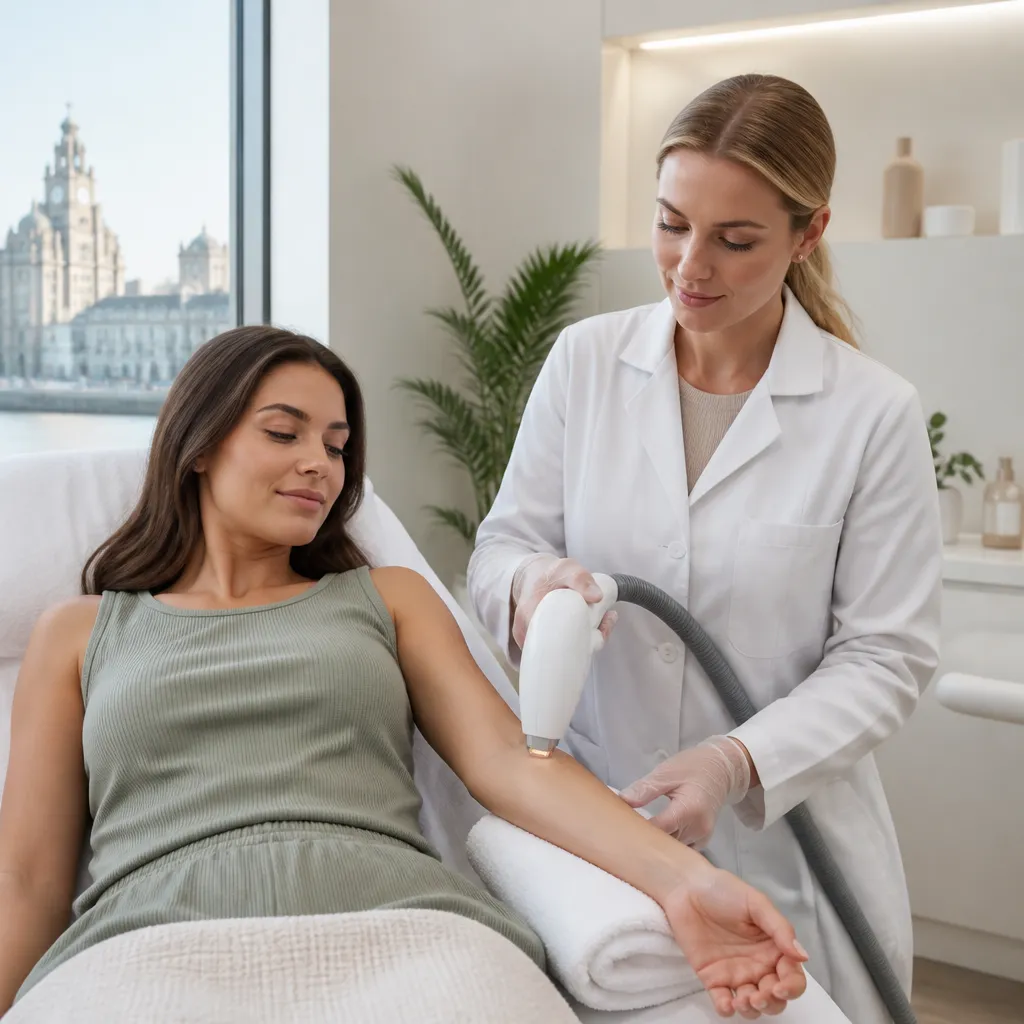
At Faith Laser Liverpool, your first visit starts with a consultation to check your skin and hair type. We will talk through whether laser is likely to help your specific ingrown hairs, and if it is not the right tool, we will say so. Our aim is a relaxed appointment, a realistic plan, and results you can see over time.
Frequently Asked Questions
Can laser hair removal get rid of ingrown hairs completely?
Laser can greatly reduce the number of ingrown hairs for many people, but it rarely removes them completely in every case. It works by reducing regrowth, so the fewer hairs there are, the fewer chances there are for one to curl into the skin. Some occasional bumps may still happen, especially if you continue to shave or wax between sessions.
How many sessions will I need before I notice fewer ingrown hairs?
Most people need around six treatments, according to the Cleveland Clinic, and sessions are usually spaced several weeks apart. Many clients notice the bumps easing before the course is complete, but the strongest reduction usually appears after the full series.
Is laser safe if I already have an ingrown hair?
It depends on the state of the skin. An angry, red, or infected bump should be left alone until it settles, because treating active inflammation can irritate it further. Once the skin is calm, your practitioner can decide whether treatment is appropriate.
Does laser work on grey or blonde hair?
Laser works best on dark hair because the pigment absorbs the light. Fine blonde, red, white, or grey hair usually responds poorly, so other options such as electrolysis may be a better fit. A consultation is the best way to find out which route suits your hair colour.
Can laser make the dark marks from ingrown hairs worse?
It can, particularly if the skin is tanned, inflamed, or treated at settings that are too strong for your skin tone. That is why a patch test, a conservative starting point, and a clear history of pigment changes all matter before the first session.
Should I stop shaving once my laser course starts?
You do not need to stop completely, but it helps to shave less often and to use a sharp, single-blade razor in the direction of growth. Reducing how much the skin is cut between sessions gives it time to recover and lowers the chance of new ingrown hairs.
Tell us about your own experience with ingrown hairs and hair removal in the comments below, and let us know what has helped or made things worse.