Is Laser Hair Removal Safe? Skin Risks and Safety Tips
Is laser hair removal safe? For most healthy adults treated by a trained practitioner, yes, but “safe” depends on your skin tone, your medical history, and how the treatment is delivered. Many people book a session after a friend’s glowing review, then leave with blistered skin or patches of colour change they did not expect. Most of those problems are avoidable. This guide explains what the laser does to your skin, who should think twice, which side effects are normal, and how to check a clinic before you pay a deposit.
Table of Contents
- Quick Takeaways
- What Laser Hair Removal Does to Your Skin
- Who Should Avoid Laser Hair Removal
- Side Effects You Can Expect and Those You Should Not Ignore
- Skin Tone and Choosing the Right Laser
- How to Choose a Safe Laser Clinic in Liverpool
- Preparing for Your Session
- Aftercare That Protects Your Skin
- Frequently Asked Questions
- References
Quick Takeaways
| Key Insight | Explanation |
|---|---|
| Pigment is the target | The laser is absorbed by melanin in the hair, so dark hair on lighter skin responds best and usually needs fewer sessions. |
| Tattooed skin is off limits | Tattoo ink absorbs laser energy, which can cause burns, blistering and scarring. Treat the hair around the tattoo instead. |
| Skin tone decides the laser and settings | Darker skin needs a laser type and settings chosen for it, with an experienced practitioner making the call. |
| Do a patch test first | Test a small area and wait 48-72 hours to see how the skin reacts before booking a full course. |
| Normal redness fades within hours | Redness, mild swelling and discomfort usually settle within a few hours. Blistering, crusting or worsening pain are not normal. |
| Keep away from the eyes | Treatment should not be used on the eyelids, eyebrows or the skin immediately around them. |
| Check the consultation before paying | A safe clinic assesses your skin and history, names the device and explains the settings before any pulse is fired. |
What Laser Hair Removal Does to Your Skin
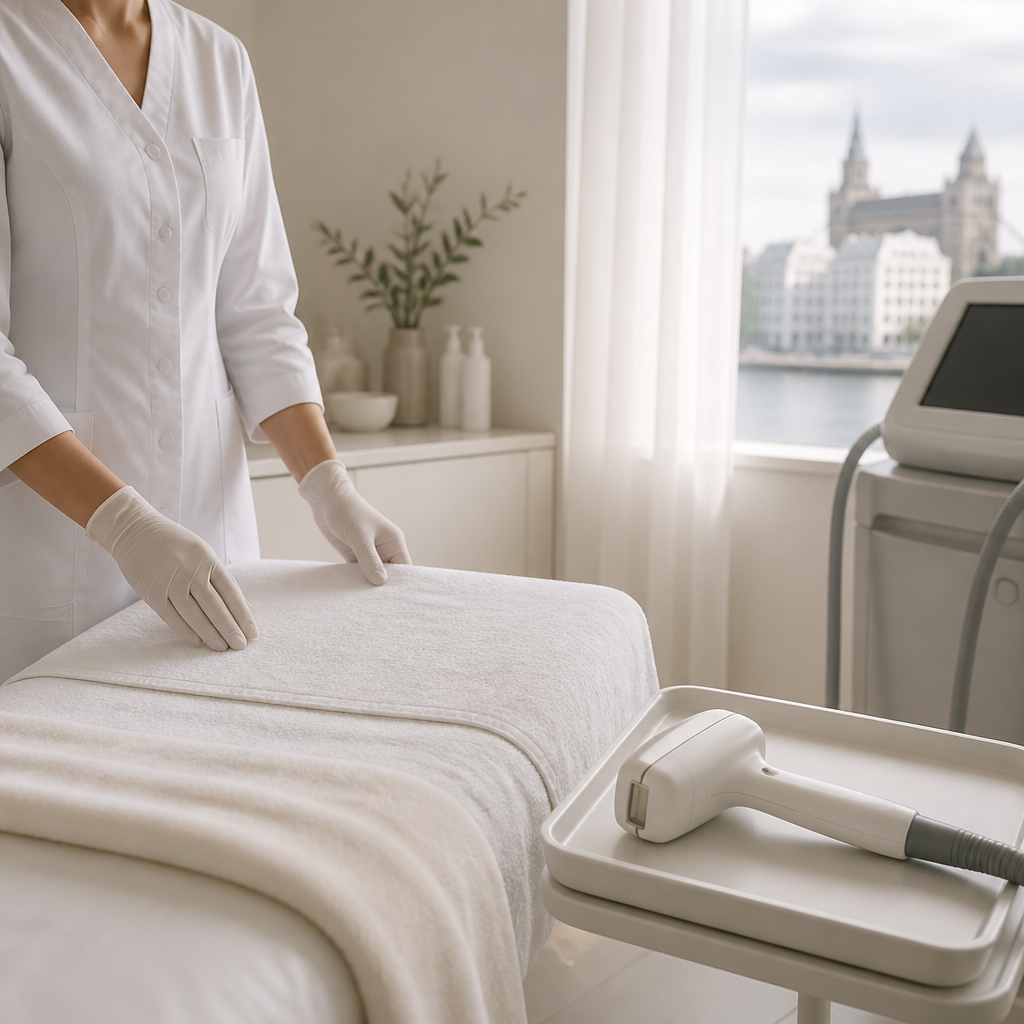
Laser hair removal is a medical procedure that sends a focused beam of light into the skin. The pigment in the hair, called melanin, absorbs that light and turns it into heat. The heat damages the follicle, the small pocket in the skin where the hair grows, and this slows future growth.
That mechanism explains most of the safety picture. The laser cannot tell the difference between the pigment in a hair and the pigment in the skin around it, so your skin tone matters as much as the hair itself. When the contrast is strong, the energy goes mainly into the follicle. When the skin is dark and the hair is fine or pale, more energy can be absorbed at the surface instead.
Why pigment decides who responds best
In practice, dark, coarse hair on fair skin responds best. Blonde, white, grey and red hair contain less of the pigment the laser is looking for, so these hairs often need more sessions or do not respond well at all. This is why a practitioner should look at your hair colour and skin colour before booking anything.
Mayo Clinic notes that most people need several treatments to see clear results, and occasional follow-up treatments may be needed to maintain them. Hair can grow back over time. Think of the treatment as long-term reduction, not a one-off fix, and be wary of anyone who promises permanent removal after a single visit.
Growth cycles and why sessions are spaced
A laser only affects hair while it is in the active growth phase. Hairs that are resting or shedding are not damaged by the light, which is why one session removes only part of the hair in a treated area. Spacing sessions to follow the cycle gives the skin time to recover between treatments and helps the next session target more follicles.
Who Should Avoid Laser Hair Removal
Mayo Clinic advises that laser hair removal should not be used on the eyelids, eyebrows or surrounding areas, or on skin with tattoos. These are not matters of preference. They are places where the light can cause injury that no clinic can fully control.
Tattoos and permanent makeup
Tattoo ink absorbs laser energy, so the light heats the ink rather than the follicle. That can cause burns, blistering and scarring in the tattooed area. If a tattoo sits where you want treatment, the safest answer is to treat the hair elsewhere or to plan tattoo removal first. Permanent makeup such as eyebrow pigment falls into the same category, so tell your practitioner about it at the start.
Recent tanning and light-sensitising medicines
Tanned skin, whether from the sun, a sunbed or a self-tan product, carries extra pigment in its surface layer. That raises the chance of burns and uneven colour afterwards. Some medicines, including certain antibiotics and acne treatments, also make skin more sensitive to light. List every medication you take at your consultation, and check with your doctor or pharmacist if you are unsure whether something affects you.
Pregnancy and hormone-driven hair growth
Laser hair removal reduces the hair that is already there, but it does not treat the cause of excess hair growth. Hormone-related conditions, such as polycystic ovary syndrome, can keep producing new hair, which means ongoing sessions may be needed. Pregnancy is another reason to speak to your doctor first, as many clinics will not treat during pregnancy.
Side Effects You Can Expect and Those You Should Not Ignore
Most reactions are mild and short-lived. Mayo Clinic describes common side effects such as skin irritation, with mild changes in skin colour, swelling and discomfort. These usually go away within a few hours, and knowing this in advance stops a normal reaction from causing unnecessary panic.
Normal reactions in the first 48 hours
Expect redness, a warm, sunburn-like feeling and small bumps around the follicles for a day or two. Cool packs wrapped in a cloth, a fragrance-free moisturiser and avoiding hot baths usually help. In practice, clients who keep the area cool and out of direct sun for the first two days tend to settle faster than those who go straight back to the gym or a hot shower.
Warning signs that need a call to your clinic
Blistering, crusting, pain that gets worse rather than better, or a burn-like mark that spreads are not normal. Changes in skin colour that persist for weeks also need checking, because lasting darker or lighter patches are one of the recognised risks on darker skin. A reputable clinic should want to see you again in these cases, not tell you to wait it out.
Most serious laser problems do not come from the device alone. They come from the wrong settings, skin that was not assessed properly, or treatment on an area that should have been skipped.
That is why the most useful safety question is not “what machine do you use?” but “how did you decide these settings for my skin?” A clear answer to that question tells you far more than a brand name ever will.
Pro tip: Photograph the treated area the morning after your session and again at day three. A dated record makes it much easier for your clinic to judge whether a reaction is normal.
Skin Tone and Choosing the Right Laser
Mayo Clinic states that laser hair removal can be used on people with black or brown skin when it is performed by an experienced healthcare professional. Darker skin contains more melanin, so the type of laser and the settings matter far more. The goal is to damage the follicle while protecting the skin around it.
Why darker skin carries a higher burn and pigment risk
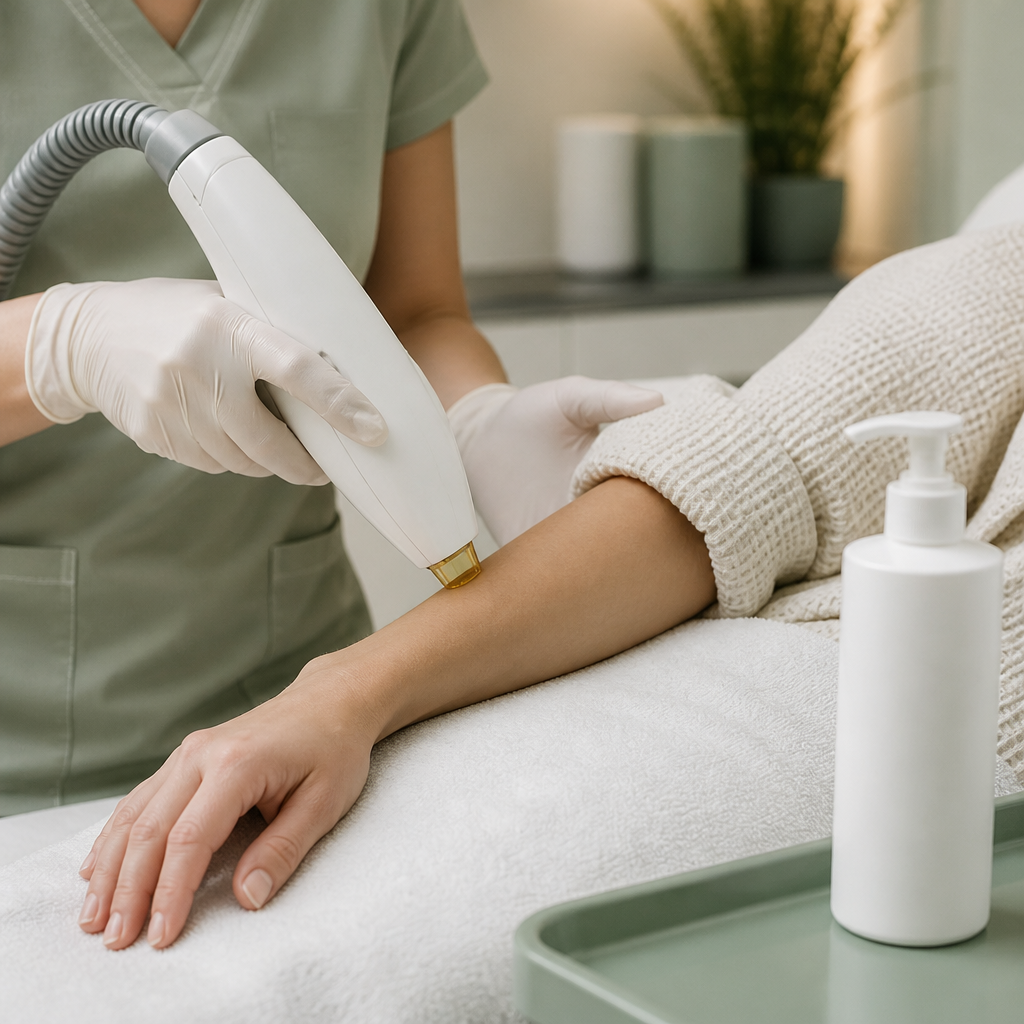
The laser cannot easily separate the melanin in the hair from the melanin in the surface skin, so energy can be absorbed in the wrong place. The result may be burns or lasting changes in skin colour. The American Board of Cosmetic Surgery’s article on lasers for people of colour suggests waiting 48-72 hours to see how the skin reacts before getting a full laser treatment.
A common mistake is treating darker skin with the same settings used on fair skin because the hair looks dark enough. Hair darkness alone does not tell the practitioner how much energy the surrounding skin can absorb safely.
Comparing common laser approaches
Choosing between laser types is less about which machine is best and more about whether the operator can justify the choice for your skin. The table below compares three approaches you are likely to be offered or to see advertised.
| Approach | Best suited for | Main safety consideration |
|---|---|---|
| Alexandrite laser | Fair to olive skin with dark, coarse hair | Fast and effective on suitable skin, but less forgiving on darker skin because more melanin competes for the energy |
| Diode laser | A broader range of skin types, depending on settings | Results and comfort depend heavily on the settings chosen, so an experienced operator matters |
| At-home IPL device | Light skin with dark hair, for maintenance between clinic sessions | Lower power and not a true laser, so results are slower and limited on finer or paler hair |
A clinic that offers a choice of devices should also explain why it recommends one over another for your skin. If the explanation is only about speed or price, ask more questions before you book.
How to Choose a Safe Laser Clinic in Liverpool
Safety starts before the first pulse. A proper consultation includes a skin and hair assessment, a discussion of your medical history and a clear explanation of the device and settings. If the appointment feels like a quick sign-off with a price list, walk away.
If you are looking for a safe laser hair removal clinic in Liverpool, judge it by its process rather than its marketing. Location and opening hours matter, but they tell you nothing about how carefully your skin will be treated.
Questions to ask at the consultation
Ask who will perform the treatment, how long they have worked with laser equipment and whether they have experience with your skin tone. Ask what device they use and how the settings are chosen for your skin type. A clinic that answers these questions clearly is usually a clinic that can explain its aftercare just as well.
Red flags around packages and pricing
Affordable packages are not a warning sign on their own. The warning sign is a package that pushes you to pay for every session upfront, without a test area or a review after the first treatment. Settings should be adjusted based on how your skin responded last time, and a good package allows for that.
Pro tip: Ask for the treatment area to be assessed again on the day, not just at an earlier consultation. Skin can change after a holiday, an illness or a new medicine, and those changes affect the settings that are safe to use.
Preparing for Your Session
Preparation is where many avoidable problems begin. Avoid sun exposure, sunbeds and self-tanning products in the weeks before treatment, because tanned skin raises the risk of burns. Your practitioner may also ask you to stop certain skin products for a short period beforehand.
Shaving and clean skin before treatment
Shave the area about 24 hours before your appointment rather than waxing or plucking. The laser needs the hair shaft in place to reach the follicle, and waxing removes the root that the light is meant to target. Arrive with clean, dry skin, free of cream, deodorant or makeup, so the device can work evenly across the area.
Telling your practitioner about changes
Tell the practitioner if your skin is irritated, cut, sore or recently treated with a strong topical product. Treatment over broken or inflamed skin is not advisable, and it is much better to rebook than to push through. Mention any new medication or a recent illness as well, since these can change how your skin responds.
In practice, the patch test is the most useful step before committing to a full course. A small test area lets you and the practitioner see how your skin reacts over the following 48-72 hours, and that information shapes every session after it.
Aftercare That Protects Your Skin
Aftercare matters as much as the session itself. The first 48 hours are when the skin is most reactive, so keep the area cool and avoid heat, hot baths, saunas and intense exercise. Use a gentle, fragrance-free moisturiser, and resist picking at any small bumps that appear.

Sun protection for treated skin
Treated skin is more sensitive to ultraviolet light for a period after each session. Use a broad-spectrum sunscreen of SPF 30 or higher on treated areas whenever you are outdoors, and cover them with loose clothing where you can. This matters even on overcast days in Liverpool, when many people assume they do not need protection.
Keeping a treatment log
Write down the date of each session, the settings your practitioner used and how the skin looked at 24 and 72 hours. If you switch clinics, this record gives the next practitioner a clear starting point and helps them decide whether the settings need adjusting.
Frequently Asked Questions
Is laser hair removal safe for darker skin?
It can be, when an experienced practitioner chooses the right laser and settings for your skin. The main risks are burns and lasting colour change, so a patch test and a careful skin assessment matter most.
Can laser hair removal be used over a tattoo?
No. Tattoo ink absorbs laser energy, which can cause burns, blistering and scarring. Treat the hair around the tattoo instead, or discuss timing with your practitioner before booking.
Is laser hair removal safe during pregnancy?
Many clinics will not treat during pregnancy, so speak to your doctor before booking any session. Do not go ahead without their advice.
Is it normal for the skin to look red after a session?
Yes, mild redness, swelling and discomfort are common and usually settle within a few hours. Blistering, crusting or pain that gets worse are not normal, and you should contact your clinic straight away.
Can laser hair removal be used near the eyes?
No. Mayo Clinic advises against using laser hair removal on the eyelids, eyebrows or the surrounding areas.
How many sessions will I need?
Most people need several treatments to see clear results, and occasional follow-up sessions may be needed to maintain them. Hair colour and skin colour both affect how well the treatment works, so your number of sessions will depend on your own hair and skin.
Tell us about your own experience with laser hair removal, including how your skin reacted and what you would have wanted to know before your first session, because your feedback helps other readers decide whether and how to book.