Tattoo Removal Liverpool: What to Know Before Session 1
Thinking about getting a tattoo removed in Liverpool but not sure what you’re walking into? You’re not alone. Plenty of people sit with unwanted ink for years simply because the process feels unclear or intimidating. The truth is that laser tattoo removal is far more predictable than most people expect, once you understand how it actually works. This guide covers everything you need to know before your first session of tattoo removal in Liverpool: how the laser works, how many sessions you’re likely to need, what the treatment feels like, and how to look after your skin between visits so you get the best possible result.
Table of Contents
- Quick Takeaways
- How Laser Tattoo Removal Works
- How Many Sessions Will You Need?
- What Your First Session Feels Like
- Factors That Affect Your Results
- Aftercare Between Sessions
- Choosing the Right Clinic in Liverpool
- Comparing Tattoo Removal Approaches
- Frequently Asked Questions
- References
Quick Takeaways
| Key Insight | Explanation |
|---|---|
| Black ink clears fastest | Black and dark blue ink absorbs the widest range of laser wavelengths, making it the easiest to break down. Coloured inks, especially yellow and green, need more sessions. |
| Your immune system does the actual work | The laser shatters ink particles into fragments. Your lymphatic system then flushes them out, which is why sessions are spaced weeks apart, not days. |
| Sessions are typically spaced 6-8 weeks apart | Rushing the process by shortening the gap between sessions reduces effectiveness and increases the risk of skin damage. |
| Tattoo location matters | Tattoos closer to the heart, where circulation is stronger, fade faster. Feet and ankles are among the slowest areas to clear. |
| Technology type changes the outcome | Advanced nanosecond and picosecond lasers break ink into finer particles than older Q-switched devices, typically requiring fewer sessions. |
| Sun exposure is your biggest enemy between sessions | Tanned or sunburned skin cannot be treated safely. Avoiding UV exposure before and after each session protects both your skin and your schedule. |
| A consultation is not optional | A proper pre-treatment assessment accounts for your skin type, ink colours, tattoo age, and layering. Without it, any session count estimate is guesswork. |
How Laser Tattoo Removal Works
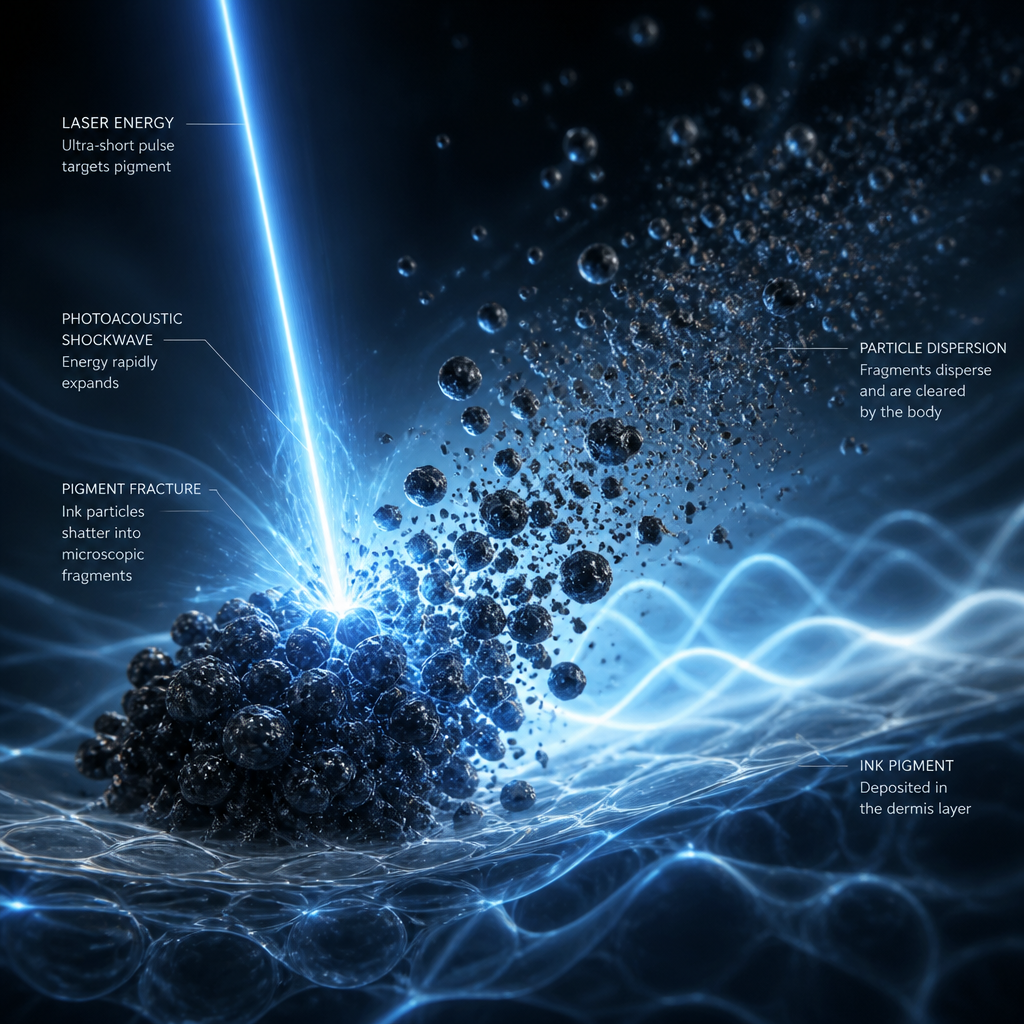
Laser tattoo removal is a medical procedure, not a cosmetic shortcut. A high-intensity light pulse is directed at the tattooed skin, where the energy is absorbed specifically by the ink particles sitting in the dermal layer. The heat causes those particles to shatter into fragments small enough for the body to process.
Once the ink is fragmented, your lymphatic system carries the particles away naturally over the following weeks. This is why you do not see dramatic fading on the day of treatment. The real change happens in the weeks between sessions, as your body continues clearing the debris the laser left behind.
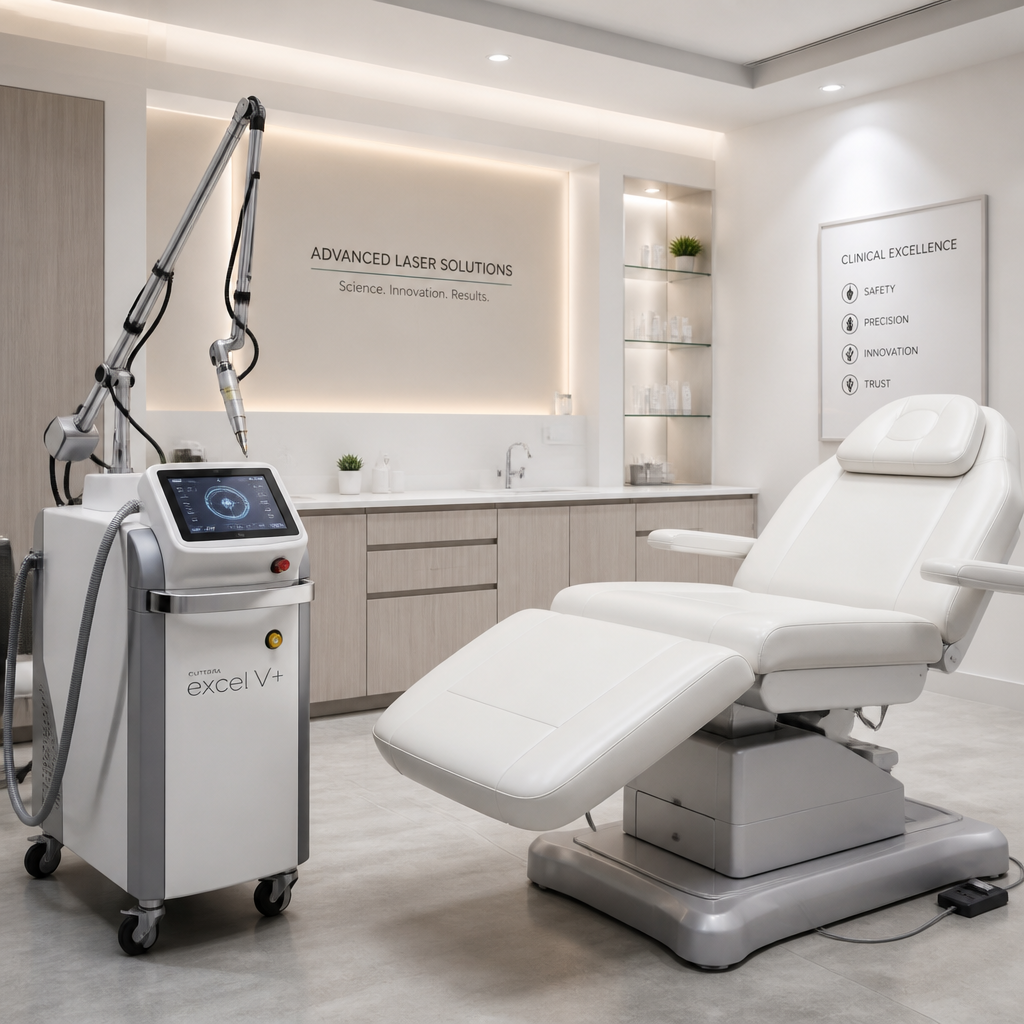
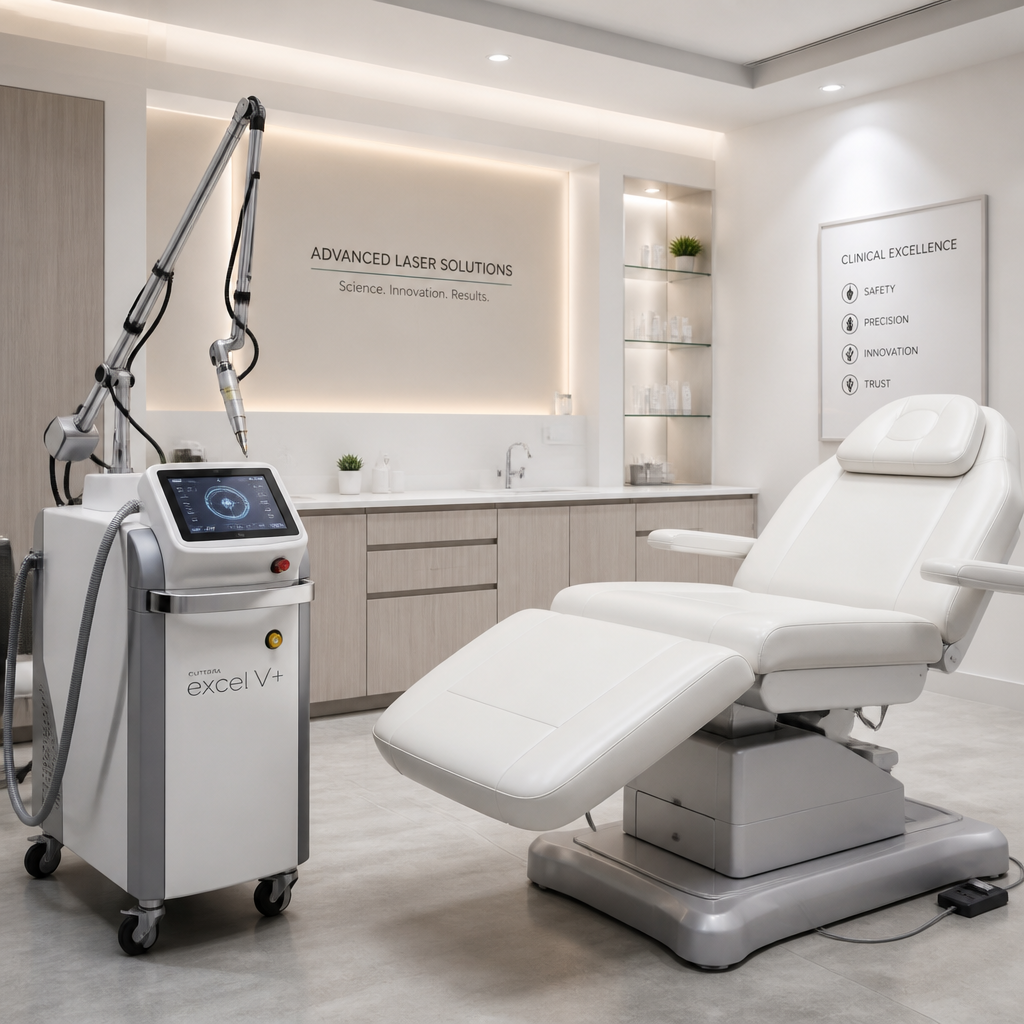
At Faith Laser in Liverpool, the clinic uses 3D NanoSure technology, a nanosecond laser system that pulses at extremely short durations to break ink into finer fragments than conventional devices. Smaller fragments are cleared more efficiently by the immune system, which is one reason clients typically need fewer sessions compared to older laser methods.
The wavelength of the laser determines which ink colours it can target. A single wavelength cannot address every colour. Clinics using multi-wavelength or adjustable systems can treat a broader spectrum of inks in one device, which matters if your tattoo contains several colours.
How Many Sessions Will You Need?
This is always the first question, and the honest answer is: it depends on several variables that a trained practitioner can assess at consultation. That said, general ranges exist and are useful for setting realistic expectations.
Session Estimates by Ink Colour
Ink colour is one of the strongest predictors of how many sessions a tattoo will need. Black or dark blue ink typically requires around 5 to 8 sessions, red and orange around 6 to 10, purple and light blue around 8 to 12, and yellow and teal can require 15 or more sessions. White ink with titanium dioxide is often the most unpredictable and may not respond well at all.
If your tattoo is entirely black line work, you are in the most favourable category. A heavily coloured sleeve is a much longer commitment. A practitioner who tells you otherwise without seeing your tattoo first is not being straight with you.
The Role of the Kirby-Desai Scale
Experienced practitioners use the Kirby-Desai Scale to structure their assessment. The scale assigns a score to factors including skin type, tattoo location, ink colour, amount of ink, and whether there is pre-existing scarring or tissue change, with black ink clearing fastest and colours like green, blue, and yellow taking longer.
Tattoos placed closer to the heart and major blood vessels fade at a faster rate, because the blood and lymphatic system flush out ink more efficiently in areas with stronger circulation. This explains why a wrist tattoo may clear faster than an identical tattoo on the foot or ankle.
Pro tip: Ask your clinic whether they use a structured assessment method like the Kirby-Desai Scale. A practitioner who gives you a firm session count in under two minutes, without examining your tattoo closely, is estimating, not assessing.
What Your First Session Feels Like
Pain tolerance varies, but the sensation is consistently described in similar terms across the board. Most people describe laser sessions as a snapping or stinging sensation, like a rubber band on skin, and numbing creams or cooling devices are often used to help.
The session itself is usually short. A small tattoo may take under five minutes of active laser time. A larger or complex piece takes longer, but the practitioner will pace the treatment to manage discomfort and skin response. The treated area will look red and feel warm immediately after, which is completely normal.
Blisters may appear within hours of treatment and can last for several days. Scabs will form as the skin heals, and it is vital not to pick or pop blisters or scabs, as this can lead to scarring and increase the risk of infection.
Faith Laser’s approach to creating a relaxed atmosphere matters here more than it might seem. Anxiety tightens the body’s response to discomfort. Walking into a calm, professional environment where you know what to expect makes the session significantly more manageable than walking into a clinical setting where you feel like a number.
Factors That Affect Your Results
Beyond ink colour and location, several other variables shape how quickly and completely a tattoo can be removed. Understanding them helps you set realistic expectations and make lifestyle choices that actually support the process.
Skin Type and Melanin Levels
Patients with darker skin tones and more melanin are more susceptible to experiencing pigmentation changes like lightening or darkening of the skin. For this reason, laser practitioners revert to safer treatment protocols such as lower energy laser settings and longer waiting periods between sessions to minimise the risks of unwanted side effects.
This does not mean darker skin cannot be treated. It means that practitioner experience and the right technology matter more, not less. An experienced clinic adjusts parameters carefully rather than applying a one-size approach.
Age and Quality of the Tattoo
Older tattoos have typically already seen some natural fading as the body has been slowly breaking down surface ink over time. They often respond faster to laser treatment than a tattoo done six months ago. Professional tattoos contain more pigment than amateur ones, which means a professionally done tattoo typically needs more sessions than one done by an amateur, even if they look similar on the surface.
Your Immune System
The immune system plays a large part in removing the broken ink particles, so taking steps such as drinking enough water, exercising, and avoiding smoking can help the process along. This is practical, not anecdotal. Smoking in particular is known to impair circulation and lymphatic function, both of which directly slow the rate at which your body clears fragmented ink.
The laser does not remove the tattoo. It creates the conditions for your body to remove it. What you do between sessions determines how fast that happens.
Aftercare Between Sessions
Poor aftercare is the most common reason people are disappointed with their tattoo removal progress. The laser session itself is the easy part. What happens in the following weeks is where most people let themselves down.
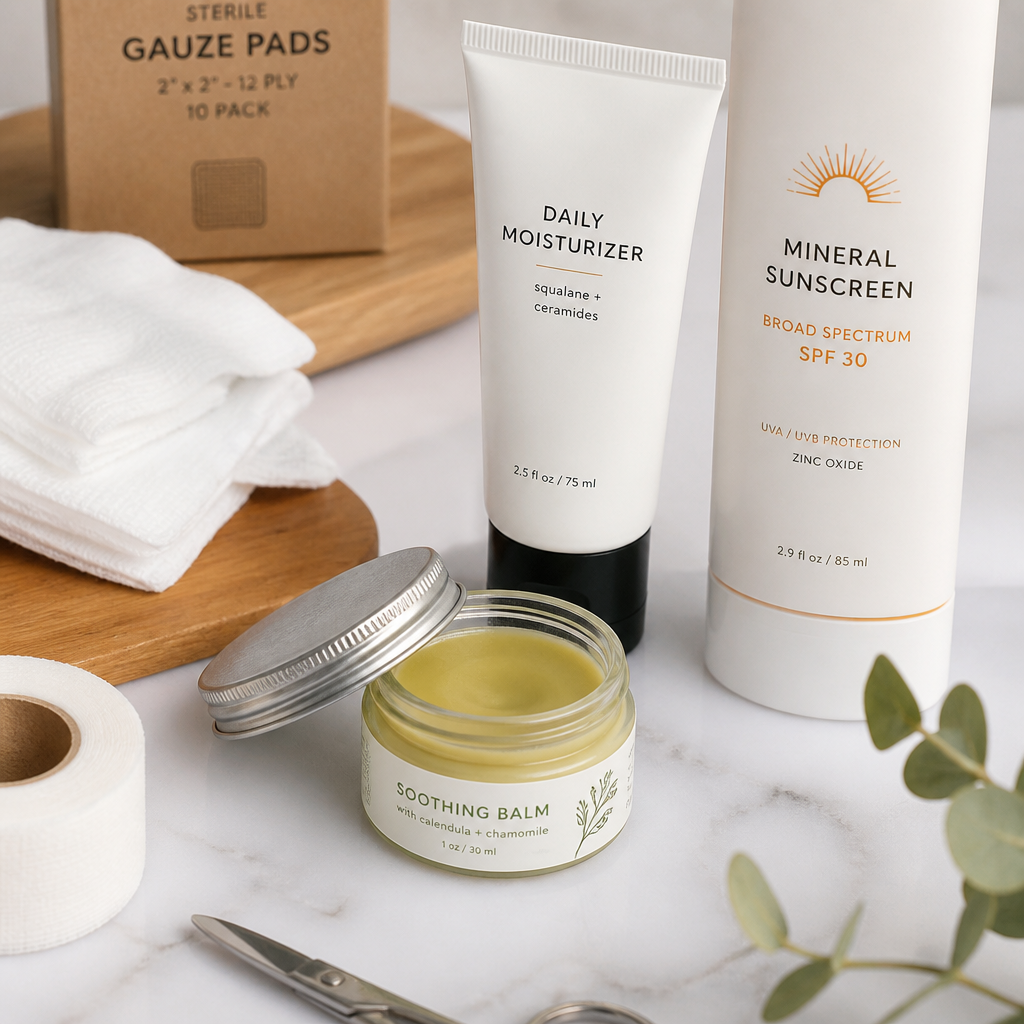
You should ice the treated area immediately following your appointment in 1 to 3-minute increments, as this helps alleviate heat and prevent blistering. This is a simple step that makes a measurable difference in the first 24 hours.
It is generally recommended to avoid strenuous exercise for 24 to 48 hours after a session to prevent excessive sweating and friction on the treated area. For swimming, hot tubs, and baths, you should wait until the treated skin is completely healed and closed.
Pro tip: Sun protection between sessions is not optional. Exposing your skin to the sun can lead to blisters, broken skin, and scarring, and getting a sunburn means you will need to delay your next session because the skin needs to return to its normal colour before treatment can safely continue. Apply a high-SPF sunscreen to the treated area any time it may be exposed, even in winter.
Keeping the skin clean and moisturised with a simple, fragrance-free product supports the healing process. Avoid anything with active ingredients like retinoids, acids, or exfoliants on the treated area until it is fully healed. Straightforward, consistent care produces better results than complicated routines.
Choosing the Right Clinic in Liverpool
Liverpool has no shortage of clinics offering laser treatments, which makes it harder, not easier, to choose wisely. A low per-session price is often a sign of older technology, less experienced practitioners, or both. Neither saves you money in the long run if you need twice as many sessions to get the same result.
What to Look for in a Practitioner
Clinics should hold Laser/IPL Core of Knowledge training and certificates for the specific laser they use, ideally at a regulated level such as Ofqual where available, alongside proper clinic health and safety practices and insurance. Before booking anywhere, ask what qualification the person operating the laser holds, not just the clinic’s general registration.
Ask to see before-and-after evidence relevant to your tattoo type. Black line work results do not tell you much about how they handle coloured ink on deeper skin tones. Specificity in the evidence they share reflects specificity in their practice.
Why Technology Matters More Than Price
Newer picosecond and nanosecond lasers are more effective than older Q-switched lasers for tattoo removal because they break the ink particles up into smaller fragments which can then be carried away more effectively by the immune system, meaning the tattoo is removed faster and requires fewer treatments.
Faith Laser uses 3D NanoSure technology and targets 98% effectiveness with minimal skin damage, which is a meaningful claim when you understand that the margin between good and poor technology directly affects both your comfort and your final result. If you are weighing up options in Liverpool, the technology in the room matters as much as the price on the page. You can learn more about Faith Laser’s tattoo removal service and book a consultation to see what treatment plan fits your specific tattoo and skin type.
Comparing Tattoo Removal Approaches
Not all tattoo removal methods are equal, and it is worth understanding the differences before committing to a course of treatment.
| Approach | How It Works | Suitability and Limitations |
|---|---|---|
| Nanosecond Laser (e.g., 3D NanoSure) | Delivers extremely short, high-energy pulses that shatter ink into very fine particles. Faster clearance by the immune system. | Effective across a wide range of ink colours and skin types when calibrated correctly. Fewer sessions needed compared to Q-switched devices. Used at Faith Laser. |
| Picosecond Laser | Pulses even shorter than nanosecond lasers, breaking ink into smaller fragments still. Generally considered the current gold standard for stubborn or multicoloured tattoos. | Highly effective, particularly for resistant colours. Higher per-session cost due to equipment expense. Typically requires fewer total sessions. |
| Older Q-Switched Nd:YAG Laser | Millisecond pulses that fragment ink but into larger particles, requiring more immune system cycles to clear. | Still effective for black ink but less efficient for coloured tattoos. More sessions typically needed. Lower upfront cost per session but higher total cost over a full course. |
The practical takeaway from this comparison is straightforward: the session count difference between an older device and a modern nanosecond or picosecond system can be significant, sometimes halving the number of appointments needed. Over a full course of treatment, a higher per-session cost at a clinic with advanced technology often works out cheaper and faster in total.
Frequently Asked Questions
How long does a tattoo removal session take in Liverpool?
Session length depends on the size of the tattoo. A small tattoo, roughly the size of a playing card, may take as little as five minutes of active laser time. Larger pieces take longer, but your practitioner will structure the session to manage your skin’s response. The pre-session preparation and post-session care instructions add time, so expect each appointment to take 30 to 60 minutes in total.
Does laser tattoo removal hurt more than getting the tattoo?
Most people find it comparable to getting the tattoo, though the sensation is different. The snapping or stinging feeling from the laser is sharp but brief with each pulse. Numbing cream applied before the session significantly reduces discomfort, and the treated area is usually cooled immediately after. Pain tolerance varies, but the consensus is that it is very manageable, especially with a practitioner who takes their time.
Can all tattoos be fully removed?
The majority of tattoos can be fully removed, particularly those with black ink. Certain colours, especially yellow, green, and white, are harder to eliminate completely and may fade significantly without disappearing entirely. Tattoos with heavy ink saturation or layered cover-up work take longer but can still achieve excellent results with the right technology. Faith Laser’s 3D NanoSure system is designed for complete removal with 98% effectiveness, and a consultation will give you a realistic picture of what is achievable for your specific tattoo.
How many weeks apart should tattoo removal sessions be?
Sessions are normally spaced several weeks apart so the body has time to gradually remove the fragmented ink particles. In practice, most clinics schedule appointments every 6 to 8 weeks. Going sooner does not speed up results. It limits the time your lymphatic system has to clear the previous session’s work, and it increases the risk of skin damage on tissue that has not fully healed.
Is laser tattoo removal safe for all skin tones?
Laser tattoo removal can be safely performed on all skin tones, but it requires a more carefully calibrated approach for darker skin types. The risk of temporary pigmentation changes, either lightening or darkening of the skin, is higher when incorrect settings are used. An experienced practitioner with appropriate technology will adjust the laser parameters specifically for your Fitzpatrick skin type, reducing that risk significantly. Always ask a clinic how they approach treatment for your skin tone before booking.
What should I do to prepare for my first tattoo removal session?
Arrive with clean skin and no sunburn or fake tan on the area to be treated. Avoid sun exposure for at least two weeks before your session, and do not apply any numbing cream at home unless your clinic specifically advised you to and told you which product to use. Stay well hydrated in the days before your appointment, as a healthy lymphatic system clears ink more effectively. Wear loose clothing over the area so it is comfortable immediately after treatment.
Have you had a tattoo removal session in Liverpool? We would love to hear what surprised you most about the experience, leave a comment below and help others know what to expect.
References
- Understanding the Kirby-Desai Scale and how practitioners estimate session counts for laser tattoo removal
- Overview of tattoo removal clinics in Liverpool, including practitioner qualification standards and what to look for
- Detailed breakdown of how different ink colours respond to laser tattoo removal and expected session ranges
- Comprehensive aftercare guidance for laser tattoo removal, including sun protection and healing advice
- Comparison of laser tattoo removal technology types and how equipment choice affects cost and session count