Laser Hair Removal Aftercare: Dos and Don’ts
Most people spend weeks deciding whether to book their first laser session, but very few spend enough time thinking about what happens after they walk out of the clinic. Laser hair removal aftercare is where results are made or broken. Get it wrong and you risk irritation, pigment changes, or slower hair shedding. Get it right and every session compounds into noticeably smoother, hair-free skin. At Faith Laser in Liverpool, we see clients who do everything perfectly in the treatment room and then undermine those results at home. This guide tells you exactly what to do, what to avoid, and why the rules exist.
Table of Contents
- What Happens to Your Skin After Laser Hair Removal
- The Essential Dos for Laser Hair Removal Aftercare
- The Don’t List: What to Avoid After Every Session
- Skincare Products and Laser Hair Removal: What to Pause
- Hair Shedding After Laser: What Is Normal
- Aftercare by Treatment Area: Underarms, Intimate Zones, and Face
- Aftercare Approach Comparison
- Frequently Asked Questions
- References
What Happens to Your Skin After Laser Hair Removal
Understanding the biology makes the aftercare rules feel less arbitrary. During treatment, laser energy is absorbed by the melanin in each hair follicle. That energy heats the follicle, damaging the matrix and stem cells responsible for hair regrowth. The skin around those follicles absorbs some of that heat too, which is why the treated area often feels warm or tender after a session.
Redness, mild swelling, and small bumps around individual follicles are all normal in the first 24 to 48 hours. These are inflammatory responses that confirm the laser energy reached its target. The follicles retain heat for a few days after treatment, which is exactly why so many aftercare rules exist around avoiding friction, further heat, and irritating products during that window.
In most cases, side effects settle quickly. How fast they resolve, and whether the session produces the best possible hair reduction, depends almost entirely on how well you follow through on aftercare at home.
The Essential Dos for Laser Hair Removal Aftercare
These are not suggestions. They are the steps that protect your skin and protect your results.
Cool and Soothe the Skin Immediately
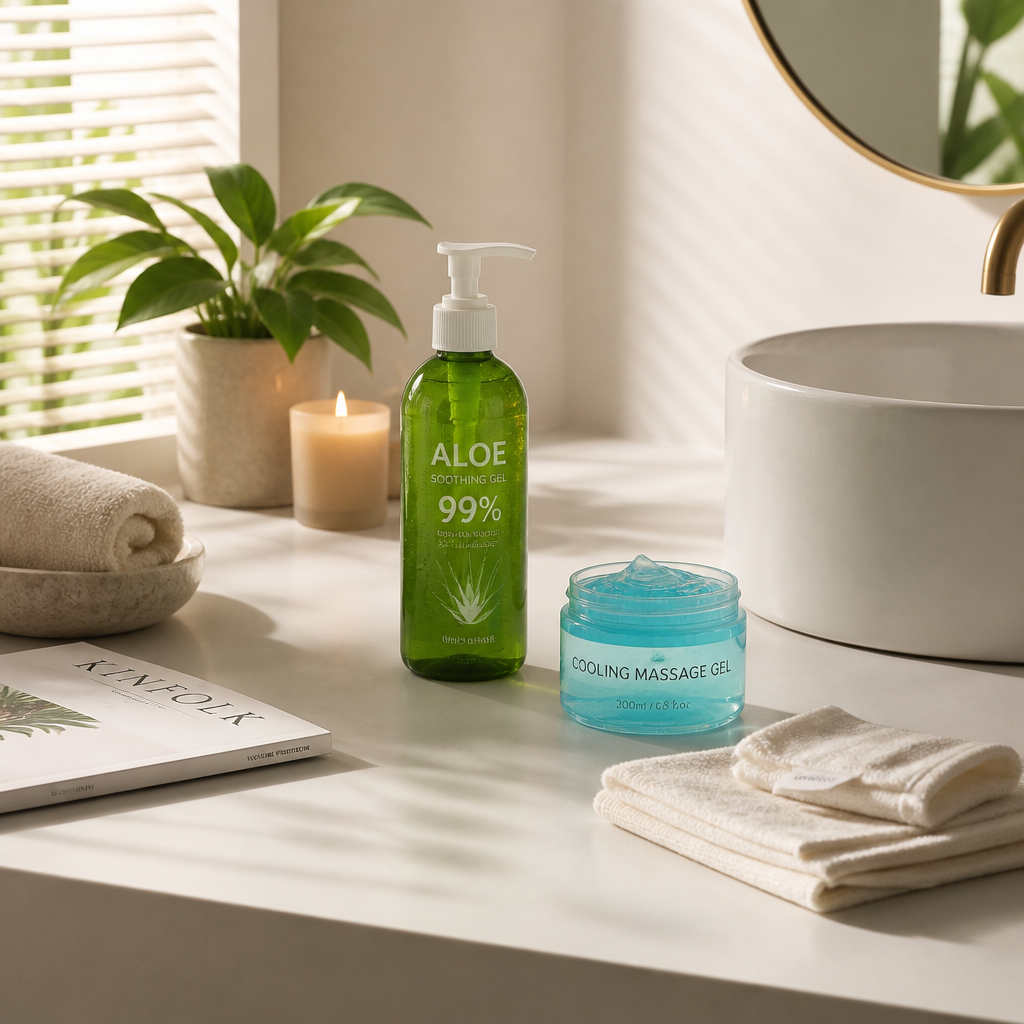
Apply a cool compress or an ice pack wrapped in a soft cloth to the treated area for five to ten minutes at a time, several times in the first day. This reduces temporary swelling and takes the edge off any discomfort. Aloe vera gel is also an excellent option immediately after treatment. It soothes inflammation, delivers hydration, and reduces redness without introducing any harsh actives to sensitive skin.
Pro tip: Keep a small tube of fragrance-free aloe vera gel in the fridge on treatment days. The coolness doubles the soothing effect and makes application much more comfortable on freshly treated skin.
Moisturise Every Day
Keeping the skin well hydrated is central to faster healing. Use a gentle, fragrance-free moisturiser to prevent dryness and maintain the skin’s protective barrier. Moisturising after laser treatment also helps calm irritation and keeps the surface smooth while the follicles push out dead hair. Apply it at least twice a day for the first week after each session.
Wear SPF 30 or Higher Every Day
This is the aftercare rule most often ignored, and it causes the most damage when skipped. After laser hair removal, treated skin is significantly more sensitive to UV radiation. Sun exposure on a freshly treated area can cause hyperpigmentation, uneven skin tone, and in some cases, blistering. Apply SPF 30 or higher daily throughout your course of treatment, and reapply when spending time outdoors. This rule applies year-round in the UK, not just on sunny days.
Cleanse Gently for the First 48 Hours
For the first two days after treatment, wash the treated area gently using a mild soap that is free of harsh chemicals and fragrances. Pat the skin dry rather than rubbing it. Rubbing a fresh treatment area creates friction and can aggravate already-sensitive follicles, slowing healing and increasing redness.
Stick to Your Treatment Schedule
Laser hair removal targets hair in the active growth phase only. Because hair grows in cycles, multiple sessions are needed to catch every follicle at the right stage. Spacing sessions correctly, typically around four to six weeks apart for facial areas and six to eight weeks for body areas, ensures that each round of treatment is as effective as possible. Missing appointments or leaving long gaps between sessions undermines cumulative results.
The Don’t List: What to Avoid After Every Session
This section is where most people go wrong. The don’ts are not overcautious recommendations. They reflect real risks that occur when treated skin is exposed to heat, friction, or the wrong products too soon.
Avoid Heat Sources for at Least 48 Hours
Hot showers, baths, saunas, steam rooms, Jacuzzis, and intense exercise all need to be avoided for a minimum of 24 to 48 hours after each session. Heat compounds the inflammation already present in the follicles. Sweat from exercise is also an issue because it can irritate the skin surface and introduce bacteria to follicles that are temporarily more open than usual. Stick to cool or lukewarm showers only.
Avoid Sun Exposure for at Least 14 Days
Direct sun exposure needs to be avoided for 14 days after each session. This is longer than most people expect. Tanning beds count too. The skin’s sensitivity after laser treatment makes UV exposure a genuine risk for discolouration and burning, and the effects are harder to reverse than they are to prevent. Wear protective clothing over treated areas when you cannot avoid being outdoors.
Do Not Wax, Pluck, or Use Epilators
Between laser sessions, the only hair removal method permitted on treated areas is shaving, and that should be done at least 24 hours before your next appointment. Waxing or plucking removes the hair from the follicle entirely, which eliminates the target the laser needs to do its job. These methods also disturb follicles that the laser has already damaged and disrupted the natural shedding process.
Do Not Pick or Scratch the Treated Area
As hair begins to shed in the days after treatment, it can feel like stubble or new growth pushing through. It is not. It is dead hair working its way out of the follicle. Picking, scratching, or trying to pull this hair out manually can cause blistering, scarring, and hyperpigmentation. Let the shedding happen naturally.
The biggest aftercare mistake is treating laser-treated skin the same as untreated skin. It is not the same skin for at least a week. It needs less, not more: less heat, less product, less friction, less sun.
Avoid Tight Clothing Over Treated Areas
Because follicles retain heat after treatment, tight clothing creates friction against already-warm, sensitive skin. This is particularly relevant for underarm and intimate zone treatments, where fabric is in close contact. Wear loose, breathable clothing for the first few days after any session.
Pro tip: After an underarm treatment, skip antiperspirant deodorant for at least 48 hours. Aluminium salts and synthetic fragrances in most deodorants can irritate freshly treated underarm skin and delay healing.
Skincare Products and Laser Hair Removal: What to Pause
This section matters especially for anyone with an active skincare routine. Several common ingredients increase skin sensitivity and should be paused around treatment days. The exact timings vary slightly by product, but the general principle is the same: anything that increases cell turnover or skin reactivity should be avoided in the days after a session.
Retinol and Retinoids
Retinoids increase cell turnover and can make skin more reactive to heat and laser energy. Most practitioners advise pausing retinol use after your session, and waiting until any redness or sensitivity has completely resolved before reintroducing it. If you use prescription-strength retinoids such as tretinoin, give your skin more time before resuming.
AHA and BHA Exfoliants
Chemical exfoliants like glycolic acid (an AHA) and salicylic acid (a BHA) increase skin sensitivity and can leave treated skin more vulnerable to post-treatment discolouration when paired with laser energy. Avoid these for at least three to five days after each session, or until all redness and sensitivity have subsided completely.
Scented Lotions, Harsh Soaps, and Scrubs
Physical scrubs, loofah sponges, and abrasive cloths should be avoided on the treated area for at least three days. Scented products introduce potential irritants to skin that has temporarily reduced barrier function. Keep the product selection simple and fragrance-free until the skin has settled.
Self-Tanners and Tanning Lotions
Self-tanning products alter the melanin content of the skin surface, which affects how the laser targets follicles in subsequent sessions. Avoid self-tanners and tanning lotions until the skin has fully settled after treatment. This also applies in the lead-up to sessions, not only after them.
Hair Shedding After Laser: What Is Normal
Hair shedding is the sign that the treatment worked, and it confuses a lot of people. After a session, treated hair does not fall out immediately. The follicle has been damaged, but the hair itself takes time to release. What follows over the next seven to fourteen days is a gradual shedding process as the damaged hairs push out of the follicle. This shedding can look like stubble or new growth at first, but it is not regrowth. It is dead hair exiting the follicle.
You can encourage shedding gently by using a washcloth during your normal shower routine once the skin is no longer sensitive, typically after a few days. Do not pluck or pull the hairs out. Let the process happen in its own time. For some people and some body areas, shedding takes slightly longer, up to three weeks. This is normal and does not indicate a failed treatment.
After each session, you should notice progressively less hair in the treated area, and what does grow back will be finer and lighter than before. Most clients begin to see meaningful reduction after two to three sessions, with best results emerging after a full course of treatment.
Aftercare by Treatment Area: Underarms, Intimate Zones, and Face
The core aftercare rules apply everywhere, but certain treatment areas need extra attention. At Faith Laser, we treat underarms, intimate zones, and facial areas regularly, and each comes with specific aftercare considerations that a generic guide often glosses over.
Underarm Aftercare
Underarms are a high-friction, high-moisture area. Avoid deodorant for 48 hours after treatment. Wear loose-sleeved tops where possible to minimise fabric rubbing directly against the skin. If you exercise regularly, this is the treatment area most affected by the rule around avoiding sweat for 48 hours.
Intimate Zone Aftercare
This area is more sensitive than most, and aftercare here needs to be taken seriously. Wear loose, breathable underwear made from natural fibres such as cotton. Avoid swimming pools and hot tubs for at least 48 hours, both for heat reasons and because chlorinated water can irritate treated skin. Sexual activity that creates friction over the treated area should also be avoided for 24 to 48 hours.
Facial Aftercare
The face is in near-constant contact with products, hands, and the environment, which makes facial aftercare slightly more demanding. Avoid applying makeup to the treated area for 24 hours after a facial session. Skip your usual skincare actives (retinols, AHAs, BHAs, vitamin C serums) for at least three days. Use sun protection every single day without exception. The face receives more sun exposure than almost any other area of the body, and pigmentation changes on the face are among the most noticeable and most preventable aftercare-related complications.
Aftercare Approach Comparison
Not every aftercare situation is the same. Below is a comparison of three common aftercare scenarios clients at Faith Laser in Liverpool encounter, with the recommended approach for each.
| Scenario | What Clients Often Do | What You Should Do Instead |
|---|---|---|
| Active gym-goer post-session | Returns to the gym the same evening, sweating over treated skin | Skip the gym for at least 48 hours. Sweat and heat on freshly treated skin increases irritation risk and can introduce bacteria to open follicles. |
| Client with an established skincare routine | Continues using retinol, AHAs, or BHAs the same night as treatment | Pause all active ingredients for at least three to five days post-session. Reintroduce gradually once skin sensitivity has fully resolved. |
| Client receiving underarm or intimate zone treatment | Applies regular deodorant or wears tight synthetic clothing the same day | Use no deodorant for 48 hours. Wear loose cotton clothing over treated areas to minimise friction and allow skin to cool and settle. |
Frequently Asked Questions
Can I shower after laser hair removal?
Yes, but keep the water cool or lukewarm. Avoid hot showers for at least 24 to 48 hours after a session. Heat compounds the inflammation in treated follicles and can prolong redness and discomfort. Pat the skin dry gently rather than rubbing it with a towel.
When can I shave after laser hair removal?
Shaving is the only hair removal method permitted between laser sessions. You can shave gently once initial skin sensitivity has passed, usually after 48 to 72 hours. Shave at least 24 hours before your next appointment. Never wax, pluck, or epilate between sessions, as these methods remove the hair root that the laser needs to target.
How long does redness last after laser hair removal?
Redness and mild swelling typically settle within a few hours to a couple of days. Applying a cool compress and a fragrance-free moisturiser speeds up the process. If redness persists beyond 72 hours or blistering occurs, contact your clinic. At Faith Laser, our team is available to advise on any post-treatment concerns between appointments.
Is it normal for hair to keep growing after a session?
Yes. What looks like regrowth in the first one to three weeks after treatment is usually dead hair shedding from the follicle. It pushes up through the skin surface before falling out. True regrowth from untreated follicles will appear after shedding is complete. Hair reduction builds progressively across multiple sessions, not after just one.
Can I wear makeup after facial laser hair removal?
Avoid applying makeup to the treated area for at least 24 hours. The skin’s barrier function is temporarily reduced after a session, and makeup, especially products containing fragrance or silicones, can block follicles or introduce irritants. After 24 hours, resume your usual routine gradually, skipping actives for a few more days.
How much sun exposure is too much after treatment?
Any unprotected sun exposure on a freshly treated area is too much. Avoid direct sun for 14 days after each session and apply SPF 30 or higher every day throughout your treatment course. If you have a holiday or outdoor event planned within two weeks of a session, discuss the timing with your practitioner before booking your appointment.
Does laser hair removal aftercare differ for darker skin tones?
The core aftercare rules apply to all skin tones, but clients with deeper skin tones have an increased risk of post-inflammatory hyperpigmentation if the skin is exposed to heat or UV light too soon after treatment. Diligent sun protection and a strict avoidance of heat sources in the 48 hours post-session are especially important. At Faith Laser, we assess each client’s skin individually and tailor aftercare guidance accordingly at the time of consultation.
Have you noticed a difference in your results when you followed aftercare closely versus when life got in the way? Share your experience in the comments. It genuinely helps other clients know what to expect.
References
- Healthline overview of laser hair removal aftercare dos and don’ts
- Germain Dermatology guide to skincare routine after laser hair removal
- LaserAway post-treatment care instructions for laser hair removal
- Simplicity Laser breakdown of what not to do after laser hair removal
- SEV Laser explanation of the hair shedding timeline after laser treatment