Tattoo Removal Before and After: Real Results Explained
Most people researching tattoo removal before and after photos are looking for one thing: honest proof that it actually works. What they often find instead is a mix of cherry-picked clinic results, misleading timelines, and before-and-after images that hide how many sessions it really took. The truth is that laser tattoo removal does work, and for the vast majority of people it works very well. But the outcome depends entirely on factors specific to your tattoo, your skin, and the quality of the clinic treating you. This guide walks through what realistic results actually look like, what drives the differences, and what you should expect if you are considering professional tattoo removal in Liverpool.
Table of Contents
- Quick Takeaways
- How Laser Tattoo Removal Works
- What Realistic Before and After Results Look Like
- Factors That Determine Your Results
- Laser Technology Comparison: Which Approach Gets the Best Results
- Healing Stages Between Sessions
- Aftercare That Actually Affects Outcomes
- What to Look for in a Tattoo Removal Clinic in Liverpool
- Frequently Asked Questions
- References
Quick Takeaways
| Key Insight | Explanation |
|---|---|
| Most tattoos need 6 to 12 sessions | The exact number depends on size, ink colour, density, and skin type. Simpler black tattoos may need fewer; multi-coloured designs typically need more. |
| Black ink fades fastest | Black absorbs laser energy across a broad spectrum, making it the most responsive colour. Green, blue, and yellow are the most stubborn. |
| Sessions must be spaced 6 to 8 weeks apart | Your immune system needs time between sessions to flush the shattered ink particles. Rushing this reduces results and increases the risk of skin damage. |
| Older tattoos often respond better | Ink that has naturally broken down over years is easier for the laser to fragment. Newer tattoos with dense, deep ink typically require more sessions. |
| Scarring is not a normal outcome | When performed correctly by an experienced clinician, laser tattoo removal should not cause scarring. The risk rises when skin is overtreated or aftercare is neglected. |
| Complete removal is achievable for most tattoos | Modern laser technology has made full clearance realistic, though some tattoos with heavily saturated or layered colour may leave a very faint shadow. |
| The clinic’s technology and skill matter enormously | A clinic using advanced laser systems and experienced practitioners will consistently deliver better before-and-after results than one using outdated equipment. |
How Laser Tattoo Removal Works
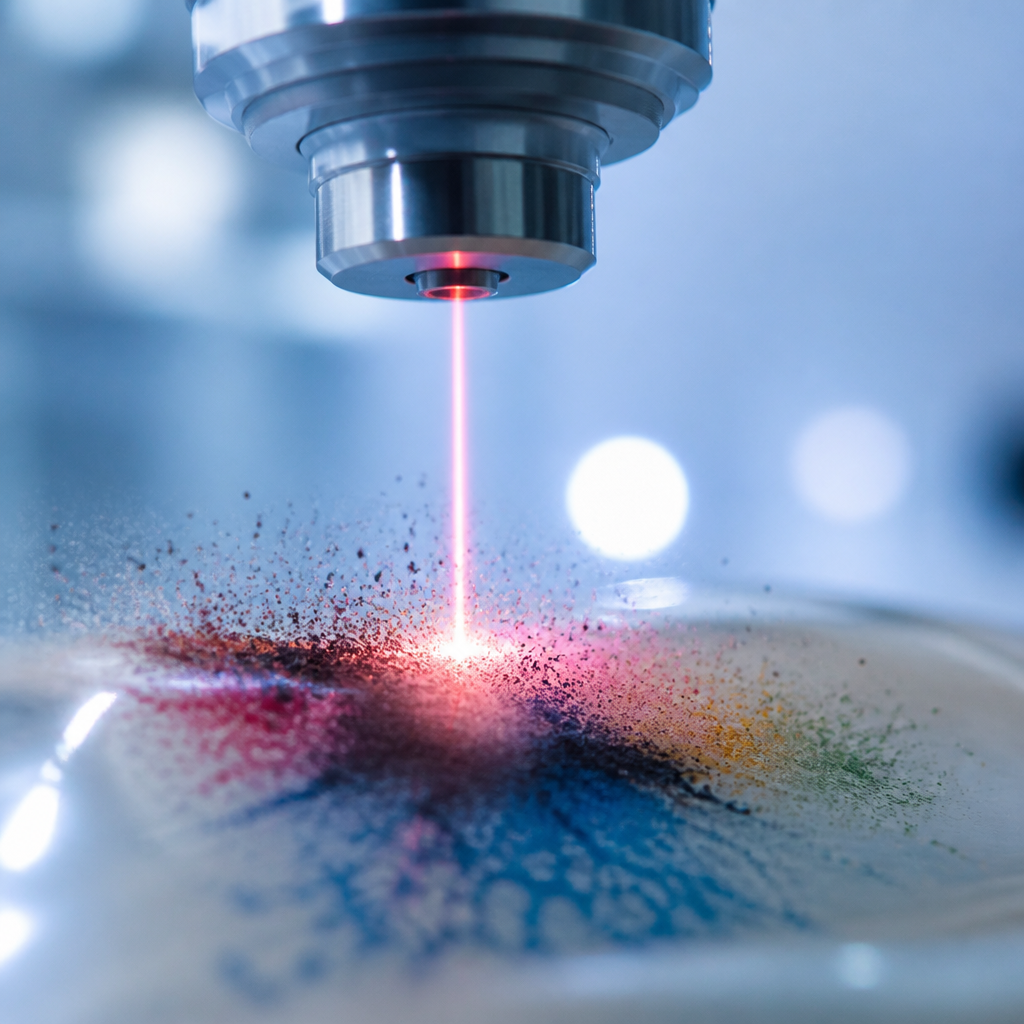
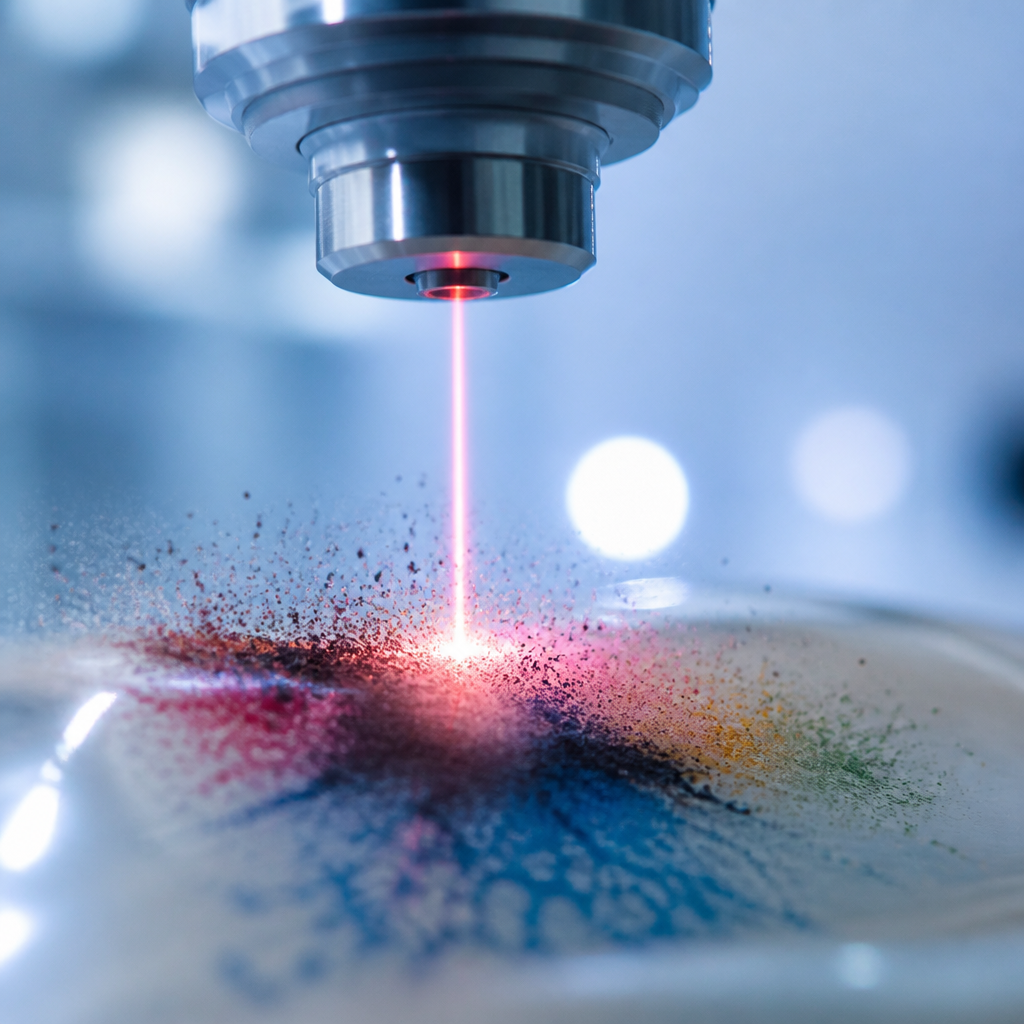
Understanding the process removes a lot of anxiety about what you will see in the mirror between sessions. A specialist laser fires short, intense pulses of light at the tattooed skin. The ink particles in the dermis, the deeper layer of skin where tattoo ink sits, absorb that energy and shatter into fragments small enough for your body’s immune system to flush away naturally.
Each session takes roughly 15 to 30 minutes depending on the size and complexity of the tattoo. Your body then does the real work over the following weeks, processing and eliminating the broken-down ink. This is why the fading you see in tattoo removal before and after comparisons happens gradually over months, not immediately after a single session.
The laser does not destroy surrounding tissue when used correctly. It targets pigment selectively, which is why the approach works without leaving the skin looking burned. That selectivity is also why different ink colours respond differently and why no two tattoos produce identical before-and-after results.
What Realistic Before and After Results Look Like
The honest answer is that realistic results exist on a wide spectrum, and where your tattoo falls on that spectrum depends on the variables covered in the next section. What the best-case results look like: a tattoo that was once bold and clearly defined becomes completely undetectable on the skin, with no trace of the original design. This is achievable for many people, particularly those with black or dark-coloured ink on lighter skin tones.
What fading actually looks like session by session
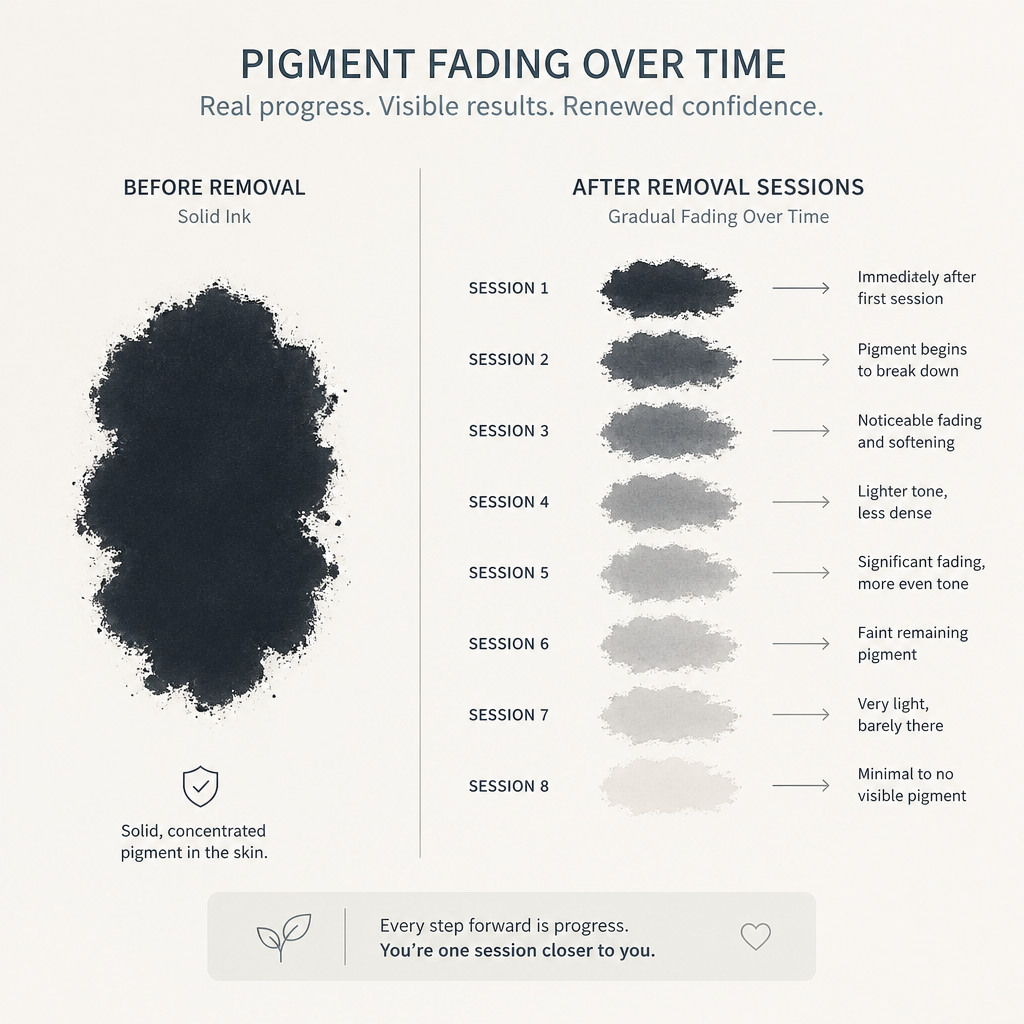
After the first session, you may notice surprisingly little visible change. This is normal. The laser has done its work, but your immune system has not yet cleared enough fragmented ink to show obvious fading at the surface. Most people start to see noticeable lightening after three to five sessions. By session six or seven, many tattoos have faded to a point where they are no longer clearly readable, even if some ink remains.
A realistic worst-case outcome for a complex tattoo involves significant fading rather than full removal, with a faint shadow or mild discolouration where the tattoo once was. For most people, this is still an enormous improvement over what they started with, especially if the goal was to cover up with a new design or to make the tattoo unnoticeable in day-to-day life.
Colours that produce the most dramatic before-and-after results
Black ink tattoos consistently show the most dramatic and fastest results. Black absorbs laser energy across a broad wavelength spectrum, meaning the laser can shatter it effectively regardless of the specific device being used. Green, sky blue, and yellow are the most resistant because they absorb only a narrow slice of wavelengths, even when the right wavelength is used. Multi-colour tattoos will always take more sessions than solid black designs of comparable size.
The realistic goal is fading the tattoo until it is no longer noticeable. Because the laser does not eliminate ink directly, some pigment the immune system fails to process may linger. That is why complete removal cannot be guaranteed for every single tattoo, but setting expectations low is equally unwarranted given how good modern technology has become.
Factors That Determine Your Results
If you have looked at before-and-after photos and wondered why some people seem to achieve full clearance while others still have visible traces after many sessions, these are the variables responsible. None of them are reasons to avoid treatment. They are simply the framework for setting accurate expectations before you begin.
Ink colour and density
Colour is one of the biggest predictors of how your results will look at each stage. Dense ink that was applied by an experienced tattoo artist at a consistent depth is paradoxically harder to remove than sparse, unevenly applied amateur ink. The more ink packed into the skin, the more sessions the laser needs to fragment it all. Amateur tattoos, despite often looking worse, frequently respond faster because the ink sits at varying and shallower depths.
Tattoo age
Older tattoos often fade faster than newer ones. Years of natural biological processes have already begun breaking down the ink, meaning there is less work for the laser to do. Newer tattoos with dense, freshly deposited ink typically require more sessions to reach the same level of clearance.
Skin tone and type
Skin tone affects how the laser can be calibrated for your treatment. On lighter skin tones, the laser can be set more aggressively because there is less risk of affecting the surrounding pigment. On darker skin tones, a more conservative approach protects the skin, which can mean more sessions are needed to reach the same result. This is not a limitation unique to any one clinic. It is a characteristic of how laser light interacts with melanin, and an experienced practitioner will work within those parameters safely.
Tattoo location on the body
Tattoos closer to the heart, where circulation and lymphatic drainage are stronger, tend to respond better and faster. A tattoo on the upper back or chest will generally clear more quickly than one on the ankle or foot. This is because your immune system clears the shattered ink particles through lymphatic channels, and better circulation in an area means more efficient clearance between sessions.
Pro tip: If you are planning to have a tattoo removed before getting a cover-up design, tell your practitioner upfront. A few targeted sessions to lighten the existing tattoo, rather than full removal, may be all you need and can significantly reduce both time and cost.

Laser Technology Comparison: Which Approach Gets the Best Results
Not all lasers used for tattoo removal are equal, and the technology a clinic uses directly affects the quality of your before-and-after results. Here is a straightforward comparison of the main approaches used in professional tattoo removal today.
| Laser Type | How It Works | Best For |
|---|---|---|
| Q-Switched Nd:YAG | Delivers nanosecond-domain pulses at 1064nm and 532nm wavelengths, shattering ink through photothermal and photoacoustic energy. Long established as a clinical gold standard. | Black and dark blue inks on all skin types. The 532nm setting addresses red and orange tones. Widely available and highly effective for most common tattoo colours. |
| Picosecond Lasers (e.g., PicoSure, PicoWay) | Fires pulses in the picosecond domain, a fraction of the time of nanosecond devices. The shorter pulse duration creates a more powerful photoacoustic shockwave, shattering ink into finer particles with less heat transfer to surrounding tissue. | Resistant colours including blue, green, and purple. Also effective for tattoos that have plateaued with Q-switched treatment. Research published in peer-reviewed journals has shown picosecond devices achieving around 79% average clearance across tattoo colours after roughly 6 to 7 sessions. |
| Q-Switched Alexandrite | Operates at 755nm, a wavelength that is particularly effective against green and blue pigments that the standard Nd:YAG 1064nm setting struggles to reach. | Green and blue inks that are unresponsive to Nd:YAG alone. Often used alongside Nd:YAG in multi-colour tattoo removal protocols. |
The practical takeaway here is simple: a clinic using advanced, up-to-date laser technology is not a luxury, it is a prerequisite for the best possible results. The difference between a well-equipped clinic and one running older hardware shows up directly in your before-and-after photos.
Healing Stages Between Sessions
What happens to your skin between sessions is as important as what happens during them. Understanding the healing stages helps you interpret what you are seeing and avoid the common mistake of assuming something has gone wrong when it has not.
Immediately after treatment: frosting
The first thing you will notice directly after a session is a whitening of the treated area, known as frosting. This is a temporary reaction caused by the rapid release of gas from ink particles hit by the laser. It lasts only a few minutes and is a normal part of the process, not a cause for concern.
Days one to seven: redness, swelling, and blistering
After frosting subsides, the treated area will appear red, tender, and slightly swollen. Blistering is also common and does not, by itself, indicate that scarring will occur. It is a sign that the body is actively responding to the treatment. Blisters should never be popped, as breaking the skin increases infection risk and can affect healing quality.
Weeks two to six: fading becomes visible
This is where the visible progress happens. As your immune system processes and eliminates the shattered ink particles, the tattoo begins to lighten. By the end of the six to eight-week recovery window, the skin should have returned to a texture that is ready for the next session. The fading you see at this stage is a direct reflection of how well your immune system has responded, which is why overall health and lifestyle factors such as hydration, exercise, and not smoking all play a supporting role in your results.
Pro tip: Avoid sun exposure on the treated area throughout your removal course. UV damage to skin being treated with a laser increases the risk of post-inflammatory hyperpigmentation, where the skin develops uneven dark patches that can delay or complicate your treatment plan.
Aftercare That Actually Affects Outcomes
Aftercare is not optional. It is a direct input into the quality of your results. Clinics that give detailed aftercare guidance and make sure you understand it will consistently produce better client outcomes than those who hand over a leaflet and send you home.
The core principles are consistent: keep the treated area clean by washing it gently twice daily with a mild cleanser, keep it covered with a fresh dressing until fully healed to prevent infection, apply a cold compress in the first 24 hours to manage swelling, and avoid baths, swimming, or submerging the area until it has healed completely. You can shower within a couple of hours of a session, but direct water pressure on the site should be avoided.
Moisturising the area during healing supports skin recovery without interfering with the process. What should concern you and prompt a call to your clinic is worsening redness after the first few days, increasing pain, signs of infection such as pus or excessive warmth, or blistering that does not begin to resolve within a week.
What to Look for in a Tattoo Removal Clinic in Liverpool
The quality gap between professional tattoo removal and a cheap walk-in service is not subtle. It shows up very clearly in before-and-after results. When you are evaluating clinics in Liverpool, the most important factors are the technology in use, the qualifications and experience of the practitioners, and whether the clinic takes time to assess your specific tattoo at consultation rather than quoting a flat session price before even looking at your skin.
At Faith Laser, every client begins with a thorough consultation designed to give an honest assessment of what your tattoo will require and what results are realistically achievable for your specific situation. Rather than overpromising, the focus is on building a clear, personalised treatment plan that accounts for your ink colours, skin type, and goals. The clinic uses state-of-the-art laser technology and has built its reputation on tattoo removal results in Liverpool that clients can actually see, with 98% effectiveness across treatments.
If your goal is complete removal, a fading treatment before a cover-up, or simply reducing the visibility of something you have outgrown, the difference between choosing the right clinic and the wrong one is measured directly in your results. A good clinic will not pressure you into a package before you understand what you need, and it will be transparent about the realistic number of sessions your tattoo requires based on everything discussed in this article.
Frequently Asked Questions
How many sessions does tattoo removal take?
Most tattoos require between 6 and 12 sessions for full removal, though some may need more depending on size, ink colour, density, and skin type. Smaller, solid black tattoos can sometimes be cleared in fewer sessions, while large multi-colour pieces may take longer. The only way to get an accurate estimate for your specific tattoo is through a proper in-person consultation.
Does tattoo removal hurt?
Most people describe the sensation as similar to having a rubber band snapped against the skin repeatedly. The level of discomfort varies depending on the tattoo’s location and the individual’s pain threshold. Topical anaesthetic is typically applied before treatment to reduce discomfort, and sessions are short enough that the overall experience is very manageable for the vast majority of clients.
Will tattoo removal leave a scar?
When performed correctly by an experienced practitioner using appropriate laser settings, tattoo removal should not leave a scar. The risk of scarring increases when the skin is overtreated, when sessions are scheduled too close together, or when aftercare is not followed properly. This is one of the clearest reasons why the clinic you choose matters as much as any other variable.
Why does my tattoo look the same after the first session?
This is entirely normal and does not mean the treatment has not worked. The laser breaks the ink into fragments, but your immune system needs several weeks to flush those fragments away. Visible fading typically becomes apparent after three to five sessions. Progress photos taken at each session are the best way to track genuine improvement across your treatment course.
Can all colours be removed completely?
Black and dark inks are the most responsive and can often be removed completely. Green, blue, and yellow inks are more resistant and may require more sessions or a different laser wavelength to address effectively. For heavily saturated multi-colour tattoos, complete clearance is still achievable in many cases but may take longer. A practitioner who has assessed your specific tattoo can give you a far more accurate answer than any general guide.
How long do I need to wait between tattoo removal sessions?
A gap of six to eight weeks between sessions is standard, and this interval exists for good reason. Your skin needs time to heal and your immune system needs time to eliminate the shattered ink particles from the previous session. Reducing this gap does not speed up the overall process and increases the risk of skin damage. Respecting the timeline is one of the most important things you can do to protect both your skin health and the quality of your final results.
Is professional tattoo removal in Liverpool worth it for small tattoos?
Yes. Small tattoos, particularly those with solid black ink, are often the most straightforward cases for laser removal and can achieve excellent results in fewer sessions than larger pieces. The investment is proportional to the size, and many people find that removing a small, regretted tattoo is both faster and more affordable than they expected. A free consultation will give you a realistic picture of what is involved before you commit.
Have you been through a tattoo removal course or are you in the middle of one right now? Share your experience or questions below, as your insight could help someone else make a more informed decision.
References
- Peer-reviewed clinical study on picosecond Nd:YAG laser safety and effectiveness for tattoo removal
- Nine factors that determine laser tattoo removal success, explained by a dermatology clinic
- Tattoo removal recovery timeline and aftercare guidance from a dermatology practice
- How ink colour affects the number of laser tattoo removal sessions needed
- Real laser tattoo removal before and after results across all colours and skin types