Professional Laser Clinic Liverpool: Why It Matters
Most people searching for laser hair removal or tattoo removal in Liverpool focus on one thing: price. That instinct is understandable, but it is also where things go wrong. The UK has a surprisingly loose regulatory framework for cosmetic laser treatments, which means the clinic advertising on your social media feed may have had its technician trained over a single weekend. Choosing a professional laser clinic in Liverpool is not a premium upgrade, it is a basic safety requirement, and the gap in quality between a properly equipped specialist clinic and a budget beauty room is wider than most clients ever realise until they are dealing with the consequences.
Table of Contents
- Quick Takeaways
- The UK Regulation Problem Nobody Talks About
- What Can Go Wrong With Cheap Laser Treatments
- What a Professional Laser Clinic Actually Looks Like
- Laser Hair Removal Near Me: What Liverpool Clients Need to Know
- Tattoo Removal in Liverpool: Why Technology and Expertise Go Together
- How Faith Laser Compares
- Frequently Asked Questions
- References
Quick Takeaways
| Key Insight | Explanation |
|---|---|
| UK cosmetic laser clinics are largely unregulated | Since 2010, non-healthcare professionals providing cosmetic laser treatments have not been required to register with a national regulating body. Regulation falls to local authorities, and in many areas outside London it is minimal at best. |
| Human error is the most common cause of laser injuries | Burns, blistering, and permanent scarring are real risks, and the most frequent cause is an undertrained technician making an error in technique, settings, or client assessment. |
| A patch test is non-negotiable | Any reputable laser treatment clinic in Liverpool should insist on a patch test before a full session. If a clinic skips this step to get you in the treatment chair faster, walk away. |
| Laser hair removal realistically requires 6-12 sessions | Promising permanent results in two or three sessions is a red flag. Most body areas need at least six to eight sessions, spaced four to six weeks apart, to achieve significant reduction. |
| Tattoo removal takes time even at a top clinic | Complete tattoo removal typically requires 6-10 sessions with a minimum of 8 weeks between each. Anyone promising fast complete removal in very few visits is cutting corners on healing time. |
| Skin tone affects both risk and device selection | Darker skin tones carry a higher inherent risk with older laser technology. A professional clinic uses modern devices calibrated for your specific skin type, not a one-size-fits-all setting. |
| Cheaper packages often cost more in the long run | Undertreated sessions mean more sessions. Side effects from poor technique mean corrective treatment. A transparent, well-priced package at a specialist clinic is almost always the better financial decision over time. |
The UK Regulation Problem Nobody Talks About
Here is the uncomfortable truth about laser clinics in the UK: the barrier to entry is remarkably low. Since 2010, cosmetic laser and IPL treatments, including hair removal, skin rejuvenation, and tattoo removal, can be carried out by individuals without any requirement to register with a national regulating body. The responsibility shifted to local authorities, and in many parts of England outside of London, there is no mandatory licensing scheme in place. The onus falls entirely on individual clinics to maintain safe working conditions.
That is not a rumour or an exaggeration. It is the current legal landscape. And it has real consequences. There are an estimated 10,000 private clinics providing cosmetic laser and IPL treatments in the UK, and the majority operate without any external oversight of their standards, training, or equipment.
For someone searching for laser treatment clinic Liverpool options, this context matters enormously. You cannot assume that any clinic operating in the city meets a minimum standard of safety simply because it is open for business. You have to ask the right questions and know what good actually looks like.
Pro tip: Before booking any laser treatment in Liverpool, ask the clinic directly which regulating body or professional association they belong to, what qualifications their technicians hold, and whether they conduct a medical consultation before your first session. A credible clinic will welcome those questions. A clinic that deflects or dismisses them is telling you something important.
What Can Go Wrong With Cheap Laser Treatments
The risks of poorly administered laser treatment are not minor inconveniences. Burns and blistering are the most common injuries when laser sessions are carried out incorrectly, occurring when excessive heat is applied or cooling is insufficient. In practice, this often happens when a technician uses incorrect energy settings for a client’s skin type or fails to properly assess contraindications before treatment.
Scarring, while not a standard side effect of professionally administered laser hair removal, becomes a real possibility when technique errors occur. Uneven skin tone and patchy pigmentation are also reported outcomes of treatments that were carried out on unsuitable clients or with poorly calibrated equipment. When these injuries occur on facial areas, the consequences can extend beyond the physical, affecting confidence and quality of life significantly.
The Most Overlooked Risk: Medication Interactions
A professional consultation will ask about your current medications. This is not box-ticking. Certain medications, including some antibiotics and supplements like St. John’s Wort, can make skin significantly more sensitive to laser treatment and increase the risk of adverse reactions. A clinic that skips a thorough intake assessment before your first session is not taking your safety seriously.
Why Darker Skin Tones Need Extra Attention
Clients with darker skin tones carry a statistically higher risk of side effects with laser treatment because the melanin in the skin can absorb laser energy intended for the hair follicle or tattoo ink. Modern laser technology has made treatment considerably safer for darker skin tones, but only when the correct device and settings are used. The clinical skill here is in the selection and calibration of the right laser for your specific skin type. A professional clinic operating in Liverpool should have both the equipment and the expertise to treat a diverse range of skin tones safely.
The primary risk associated with laser hair removal is burning due to incorrectly executed sessions. Burns occur when excessive photothermal heat or insufficient cooling leads to overheating of the targeted tissue. Proper patient selection and conservative settings help reduce this risk significantly.
What a Professional Laser Clinic Actually Looks Like
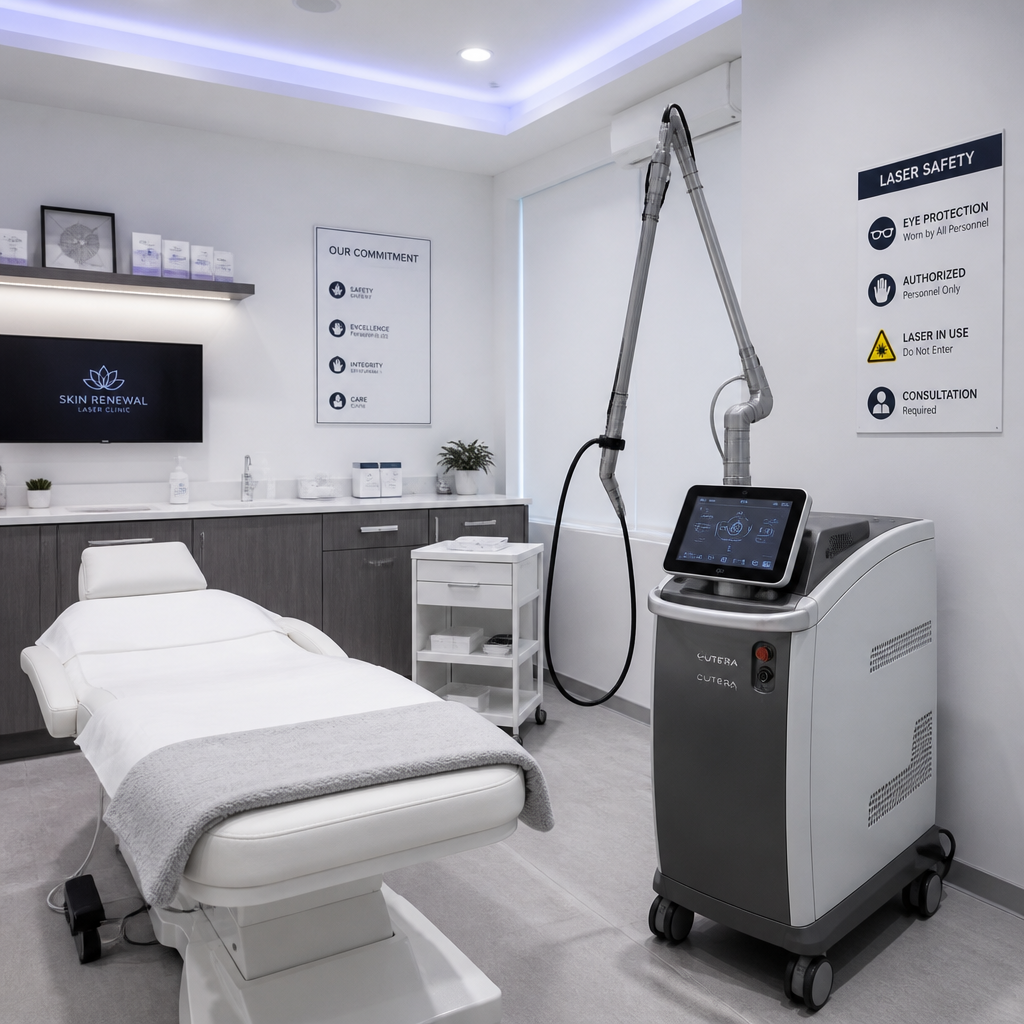
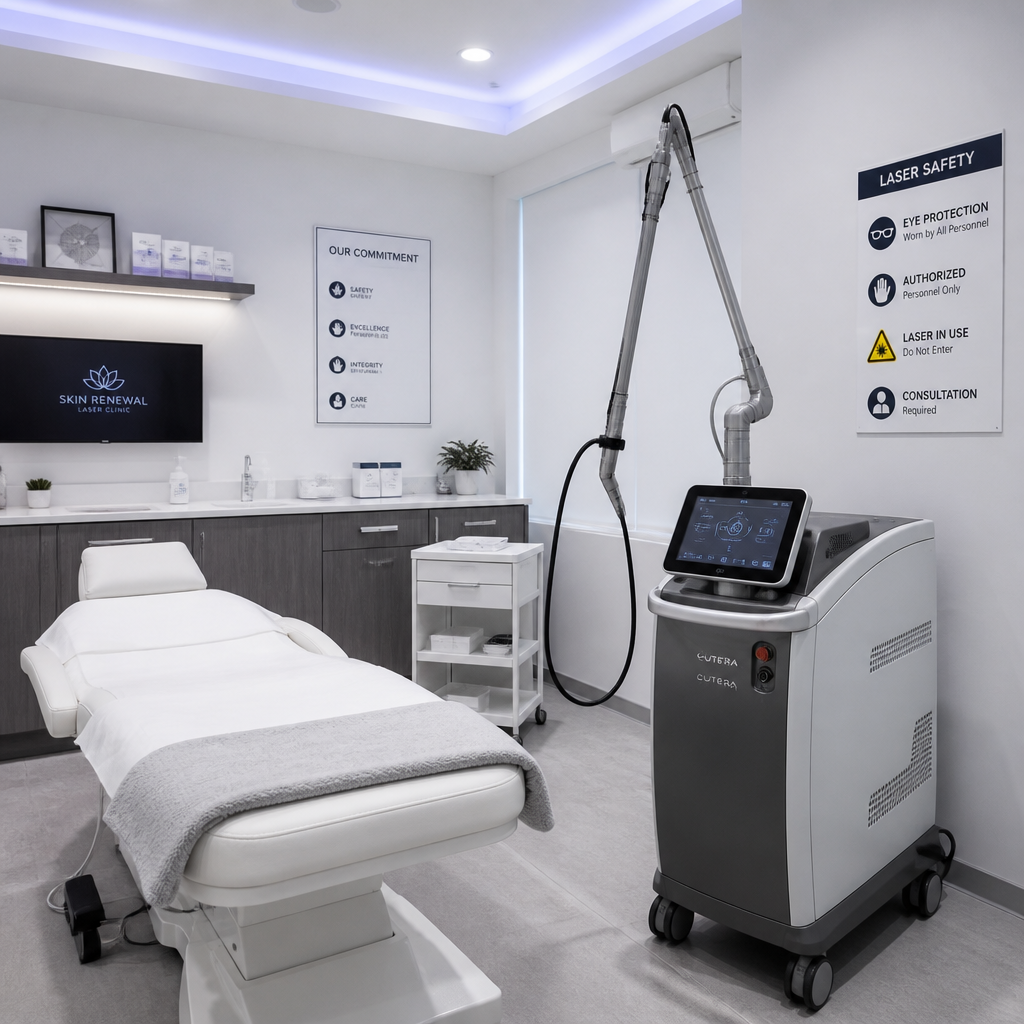
Knowing what to avoid is only half the picture. Knowing what to actively look for when selecting a professional laser clinic in Liverpool is what puts you in control of your own safety and results.
A genuinely professional clinic conducts a thorough medical consultation before any treatment begins, not a cursory five-minute chat, but a proper assessment of your skin type, hair type, medical history, medications, and treatment goals. This consultation should also include a patch test to confirm how your skin responds to the laser before a full session is attempted.
Medical-Grade Equipment Versus Beauty Salon Machines
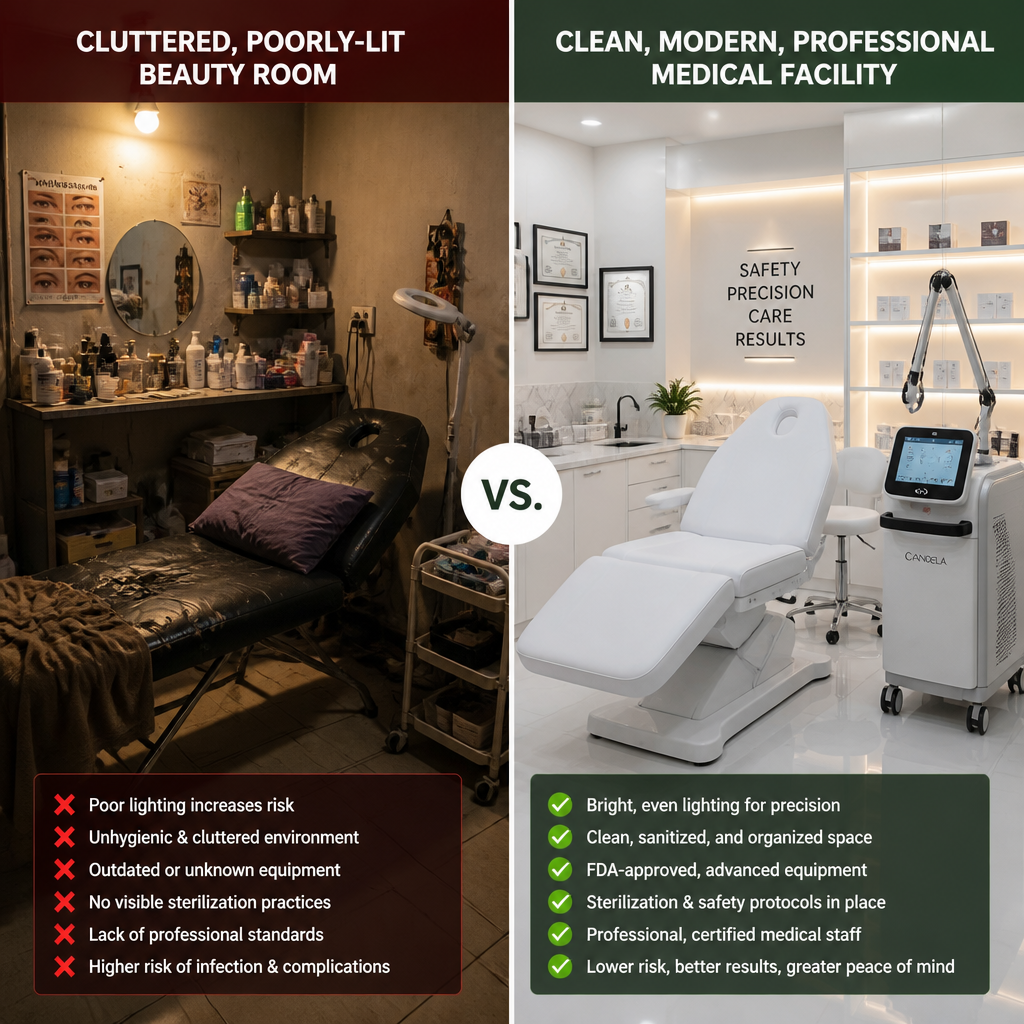
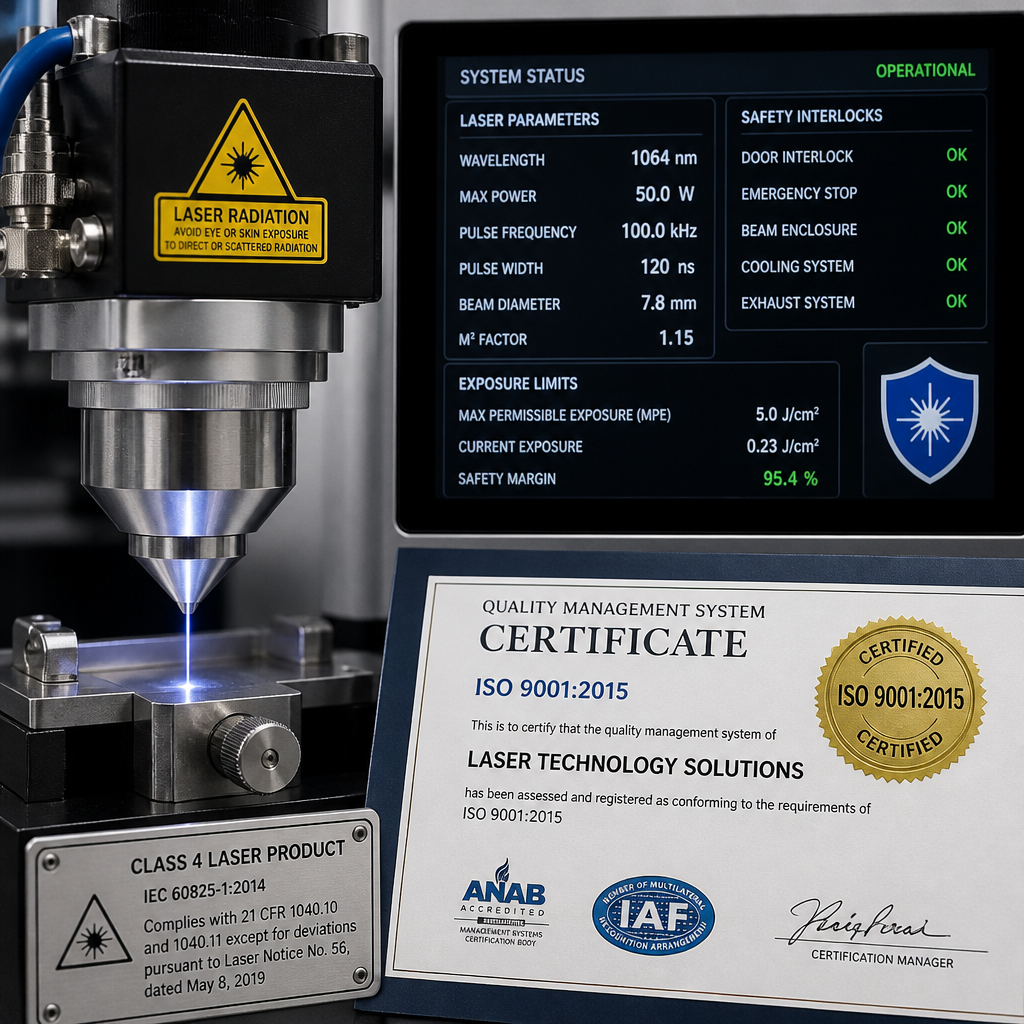
There is a significant difference between the laser devices used in professional medical aesthetic clinics and the IPL machines common in budget beauty salons. Medical-grade lasers deliver targeted, precise wavelengths calibrated to specific tissue targets. IPL devices emit broad-spectrum light that is less selective and less effective for many skin types. When a clinic advertises laser hair removal but is actually using IPL, the results and the safety profile are different from what many clients expect.
At Faith Laser, the clinic uses professional laser technology specifically chosen for the treatments offered, including laser hair removal across multiple body areas and tattoo removal with a reported 98% effectiveness rate. That kind of result does not come from a machine purchased on a trade website and operated without formal training.
Transparency on Realistic Outcomes
A professional clinic tells you what is actually achievable, not what you want to hear. Laser hair removal requires multiple sessions. Results vary between individuals. Some hair types respond faster than others. A clinic that promises you will be hair-free in three sessions is either uninformed or dishonest. Genuine expertise presents realistic timelines and adapts a treatment plan to your individual needs rather than selling you a rigid off-the-shelf package.
Pro tip: Ask for before-and-after photos of clients with a similar skin tone and treatment area to yours. Any professional laser clinic with genuine results will have this documentation. If they cannot provide it, question why.
Laser Hair Removal Near Me: What Liverpool Clients Need to Know
When someone in Liverpool types laser hair removal near me into a search engine, they are typically in one of two mindsets: they are either comparing prices, or they are ready to book and just need to find the right place. If you are in the price-comparison mindset, the most useful thing you can understand is what a realistic treatment plan actually involves, so you can compare fairly.
For most body areas, a proper course of laser hair removal involves between six and twelve sessions, typically spaced four to six weeks apart. Facial areas are often treated at shorter intervals of around two weeks. Skipping recommended spacing to accelerate the process does not improve results, and in some cases it increases the risk of side effects by treating skin that has not fully recovered.
Which Treatment Areas Are Covered
A professional Liverpool laser clinic should be capable of treating a wide range of areas, not just legs and underarms. Faith Laser covers multiple treatment zones including underarms, intimate areas, and facial treatments. These more sensitive areas require both technical precision and a clinic environment where clients feel comfortable and safe. That combination of technical skill and a relaxed, professional atmosphere is harder to find than it should be, and it is worth factoring into your decision as much as the price.
What to Bring to Your First Consultation
Come prepared with a list of any current medications, including over-the-counter supplements. Avoid sun exposure on the treatment area for at least two weeks before your first session, as tanned skin changes the risk profile of laser treatment significantly. Shave the treatment area the day before your consultation, but do not wax or thread, as the laser needs the hair follicle to be present in the skin to work effectively. A good clinic will walk you through all of this, but arriving informed makes the consultation more productive.
Tattoo Removal in Liverpool: Why Technology and Expertise Go Together
Tattoo removal is a longer process than most people expect, and the quality of the outcome is directly tied to the equipment being used and the expertise of the practitioner operating it. A complete course of laser tattoo removal typically requires 6 to 10 sessions, with a minimum of 8 weeks between each session to allow the body to break down and absorb the fragmented ink particles. The full process can take anywhere from 8 months to 2 years depending on the tattoo and the individual.
The factors that influence how many sessions you will need include the age and size of the tattoo, the colours used in the ink, the depth at which the ink sits in the skin, and the location of the tattoo on the body. Older tattoos, for example, often respond faster than newer ones because the ink has already started to disperse naturally. Dark solid colours like black respond better than lighter or mixed colours. A professional practitioner will assess all of these factors in your initial consultation and give you an honest projection, not a one-size-fits-all quote.
Why Rushing the Process Causes Problems
One of the most common mistakes made at less professional clinics is compressing the gap between sessions to generate faster revenue or to match a client’s desire for speed. Treating a site before it has properly healed increases the risk of burns, blistering, and lasting skin damage. The 8-week minimum between sessions is not arbitrary caution, it reflects the biology of how the lymphatic system clears treated ink particles. A clinic that shortens this timeline is not being efficient, it is taking a risk with your skin.
Faith Laser’s tattoo removal service follows a structured treatment approach that respects these healing intervals, using professional-grade technology to achieve complete removal with minimal skin damage. For clients who have previously been treated at a budget clinic and are looking to complete or correct their removal, this kind of specialist approach is particularly important.
How Faith Laser Compares
Liverpool has no shortage of clinics offering laser treatments. The question is not whether you can find a provider, it is whether the provider you choose meets a standard that protects your safety and delivers actual results. The table below compares the key differences between what a specialist professional clinic offers versus what you typically encounter at a budget salon or a large national chain.
| Factor | Specialist Professional Clinic (Faith Laser) | Budget Salon / Unspecialised Provider |
|---|---|---|
| Pre-treatment consultation | Full medical and skin assessment, patch test required before first session | Often minimal or skipped to speed up booking |
| Equipment | Medical-grade professional laser technology calibrated for treatment type and skin tone | Frequently IPL devices marketed as “laser”, or entry-level machines |
| Technician training | Formally trained and specialised in laser treatments; ongoing skills development | Variable, sometimes a short course with no formal qualification requirement |
| Treatment planning | Individualised plan based on skin type, hair type, tattoo characteristics, and medical history | Standardised packages with little customisation |
| Aftercare support | Clear written and verbal aftercare instructions, follow-up support available | Often limited to a leaflet, limited access to practitioner after sessions |
| Range of treatable skin tones | Equipment and expertise to safely treat diverse skin tones including darker complexions | Often limited to lighter skin tones due to equipment constraints |
| Pricing transparency | Tailored packages with clear breakdown of what is included | Low headline prices that can increase as more sessions are added |
The comparison is not about price snobbery. It is about understanding that the cheaper option frequently carries hidden costs in the form of additional sessions needed to correct poor results, or in the worst cases, medical treatment for complications that should never have happened. Faith Laser offers affordable laser hair removal packages that are tailored to individual needs, which means you are not paying for a one-size package, you are paying for a plan that actually fits your treatment goals.
Frequently Asked Questions
How do I know if a laser clinic in Liverpool is properly qualified?
Ask the clinic directly what qualifications their laser technicians hold and whether they carry out a medical consultation and patch test before your first treatment. A professional clinic will also be able to tell you what professional associations or accreditation bodies they are affiliated with. If a clinic is evasive about any of these questions, that is a significant warning sign. You are entitled to know who is operating a medical device on your skin.
Is laser hair removal in Liverpool permanent?
Laser hair removal achieves long-term, significant hair reduction rather than absolute permanence in every case. With the recommended number of sessions for your hair and skin type, you can expect a very substantial reduction in hair growth that most clients describe as effectively permanent for treated follicles. Some maintenance sessions may be needed over time for areas influenced by hormones or new follicle activity. Any clinic promising total permanence after one or two sessions should be treated with scepticism.
How many sessions does tattoo removal take at a professional clinic?
Complete tattoo removal typically requires between 6 and 10 sessions, with each session separated by a minimum of 8 weeks to allow proper healing and ink absorption by the body. The total timeline can range from 8 months to around 2 years depending on the size, colour, age, and depth of the tattoo. A professional clinic will assess your specific tattoo and give you a realistic estimate after your consultation rather than quoting a fixed number before they have seen it.
What should I ask at a laser treatment consultation in Liverpool?
Ask what type of laser technology they use and whether it is calibrated for your specific skin tone. Ask about the technician’s qualifications and how many treatments of your type they have performed. Ask to see the aftercare protocol in writing. Ask what happens if you experience a side effect between sessions. Ask for realistic outcome expectations with a timeframe. A clinic that handles all of these questions with clarity and confidence is one that takes its professional responsibilities seriously.
Can I have laser hair removal or tattoo removal on darker skin in Liverpool?
Yes, but the clinic you choose must have the right technology and expertise to do it safely. Darker skin tones have a higher inherent risk of side effects with older or poorly calibrated laser equipment, because the melanin in the skin can inadvertently absorb laser energy. Modern professional laser systems include settings specifically designed for darker skin tones, and a skilled technician will select the correct device and parameters for your complexion. Always confirm this capability explicitly before booking, and insist on a patch test.
Is it worth paying more for a specialist laser clinic versus a beauty salon offering laser treatments?
In almost every case, yes. The differential in outcome quality and safety between a specialist professional laser clinic and a budget beauty salon offering laser as a side service is substantial. Specialist clinics use better equipment, employ better-trained staff, and provide a clinical environment where complications are identified and managed properly. The short-term saving of choosing a cheaper provider regularly turns into a longer-term expense when results are poor, sessions need to be repeated, or complications require medical attention.
Have you had a laser treatment experience in Liverpool, good or bad? Share what made the biggest difference to your decision or outcome in the comments below.
References
- UK laser and IPL clinic regulation explained: what the law actually requires of cosmetic providers
- What goes wrong when laser treatments are performed by unqualified or negligent technicians in the UK
- Medical overview of laser hair removal side effects, risks, and safety considerations
- NHS Bristol Laser Centre patient guidance on laser treatment safety, skin types, and medications
- How many laser hair removal sessions are needed across different body areas and hair types