Intimate Laser Hair Removal: Your Questions Answered
Most people thinking about intimate laser hair removal have the same problem: they want real, straight answers but feel awkward asking. Which style suits them? Will it hurt? How many sessions does it actually take? If you’ve been quietly Googling these questions, this guide covers everything, from how a bikini line treatment differs from a Brazilian to what happens inside a professional clinic in Liverpool. No vagueness, no embarrassment.
Table of Contents
- What Intimate Laser Hair Removal Actually Covers
- Bikini vs Brazilian vs Hollywood: Which Is Right for You?
- How Many Sessions Will You Need?
- Does It Hurt, and How to Manage It?
- Skin Type, Hair Colour, and Why They Matter
- Preparing for Your Appointment
- Aftercare: What to Do and What to Avoid
- Choosing a Clinic in Liverpool
- Treatment Comparison Table
- Frequently Asked Questions
- References
What Intimate Laser Hair Removal Actually Covers
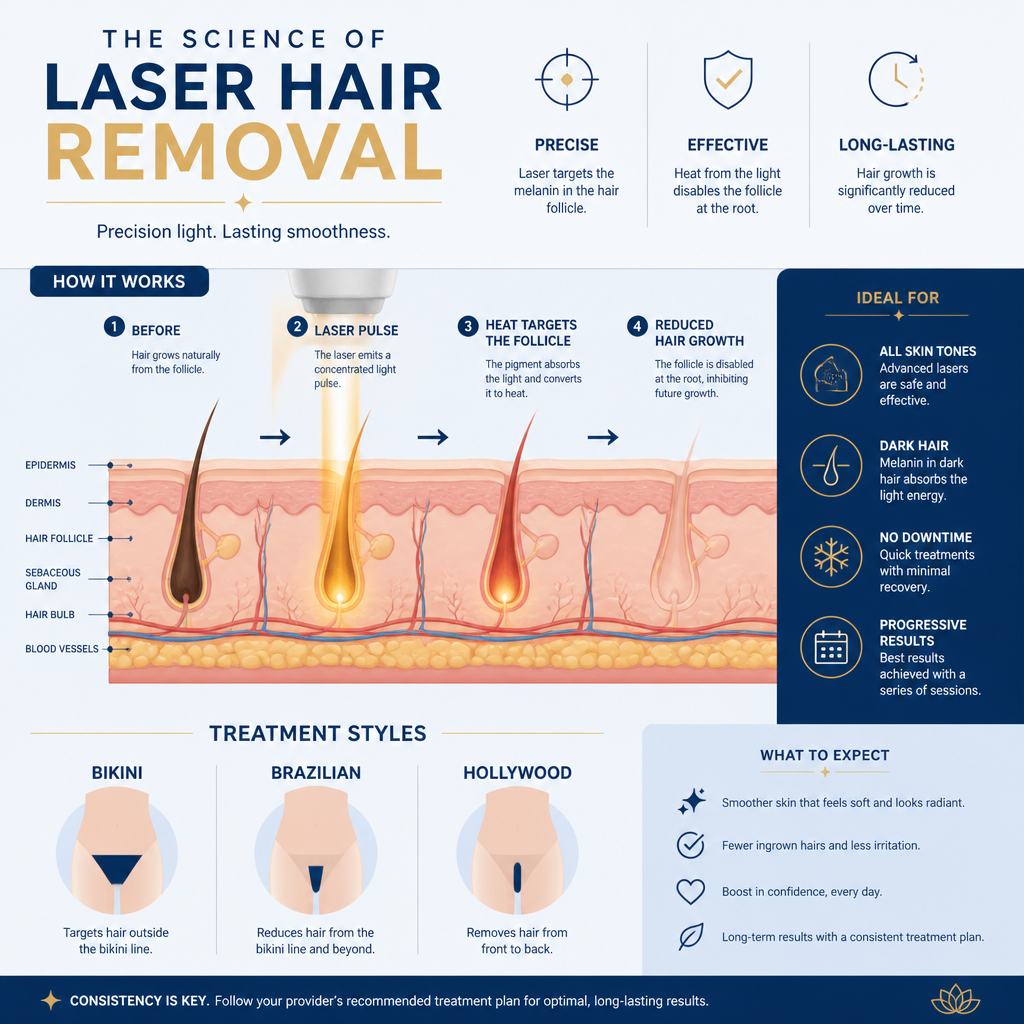
Intimate laser hair removal uses concentrated pulses of light to damage the hair follicle directly, reducing regrowth over a series of sessions. The light targets the melanin (pigment) inside the follicle. Heat builds up at the root and disrupts the follicle’s ability to produce new hair. The surrounding skin is largely unaffected when the treatment is performed correctly with properly calibrated equipment.
The intimate zone covers everything from the classic bikini line through to a full front-and-back Hollywood finish. Each style has a specific coverage area, and understanding the difference before you book avoids confusion at the appointment.
At Faith Laser in Liverpool, the intimate area menu includes bikini line, Brazilian, Hollywood, Hollywood front and back, and buttocks, giving you full flexibility to choose what fits your lifestyle rather than being pushed into a one-size-fits-all package.
Bikini vs Brazilian vs Hollywood: Which Is Right for You?
These three terms get used interchangeably online, but they describe genuinely different coverage areas. Picking the wrong one and turning up expecting something else is a very common first-timer mistake.
Bikini Line
A bikini line treatment targets the hair that sits outside the underwear line, typically the sides of the pubic area extending roughly two to three inches beyond the knicker line. It is the most conservative option and a sensible starting point if you are new to intimate laser treatments. The session time is short, and the area treated is relatively small.
Brazilian Laser Hair Removal
Brazilian laser hair removal removes all hair from the full front pubic area and the bikini line, but does not include the area behind. It is the most popular choice for clients who want thorough coverage without committing to a completely hair-free finish. Bikini laser hair removal in Liverpool at Faith Laser starts from £50 per session for a bikini line, and a Brazilian is priced at £75 per session (or £375 for a six-session package), making it a genuinely affordable commitment for long-term results.
Hollywood
The Hollywood removes all hair from front to back, including the perianal region. It takes slightly longer per session because of the larger surface area, but the session time still typically runs between fifteen and thirty minutes. Faith Laser offers Hollywood at £88 per session and Hollywood front and back at £95 per session.
How Many Sessions Will You Need?
This is the question every client asks first, and the honest answer is: expect six to eight sessions for significant, lasting hair reduction. Hair grows in cycles and laser energy only disrupts follicles that are in their active growth (anagen) phase at the time of treatment. Because not all follicles are in the same phase simultaneously, you need multiple rounds to catch them all.
Sessions are spaced around four to six weeks apart to align with the hair growth cycle. Skipping appointments or stretching gaps too wide reduces the cumulative effect. Most people see noticeable thinning from session two or three, but the full result only becomes clear after completing the recommended series.
The bikini and intimate area often requires slightly more sessions than legs or underarms because of variable hair density and the influence of hormonal hair growth in the pubic region. Build in flexibility when planning your timeline.
Pro tip: Book all six sessions upfront. Faith Laser offers package pricing that cuts the per-session cost meaningfully compared with paying individually, and having scheduled dates stops the natural temptation to delay between appointments.
Does It Hurt, and How to Manage It?
Honest answer: the intimate area is more sensitive than the legs or underarms. Most clients describe the sensation as a brief rubber-band snap against the skin, with a typical discomfort rating of around three to five on a ten-point scale. It is not pleasant, but it is short-lived, and each pulse lasts only a fraction of a second.
Modern laser systems used by professional clinics incorporate integrated cooling technology. This actively chills the skin surface during treatment, which reduces the heat sensation considerably compared with older devices. If you have used wax strips on the bikini area before, the laser discomfort is broadly comparable, but without the prolonged pulling.
Practical Steps to Reduce Discomfort
Shave the area the day before your appointment. Surface hair left unshaved absorbs laser energy at the skin level rather than at the follicle, which increases pain and reduces the treatment’s effectiveness. If you are particularly sensitive, applying a topical numbing cream around twenty minutes before the session is an option worth discussing with your practitioner.
Avoid scheduling your appointment in the days immediately before or during your period if you find your pain threshold lower at that time. The skin itself does not change, but personal sensitivity often does.
Pro tip: Do not apply any deodorants, creams, or perfumed products to the intimate area on the day of your appointment. These can interfere with the laser’s contact with the skin and cause unnecessary irritation.
Skin Type, Hair Colour, and Why They Matter
Laser hair removal works by targeting the contrast between the pigment in the hair follicle and the surrounding skin. Darker hair against lighter skin gives the laser the most precise target. This is the ideal scenario, but it does not mean other combinations cannot be treated effectively.
Skin tones are classified on the Fitzpatrick scale from Type I (very fair, always burns) through to Type VI (deeply pigmented, never burns). For clients with darker skin tones, particularly Types V and VI, the risk of surface pigmentation change is higher because the skin itself contains more melanin for the laser to interact with. The bikini and perianal areas are particularly relevant here, as natural hormonal activity and friction can cause the skin in this zone to be darker than surrounding areas.
The critical factor is the laser technology being used. A clinic using a well-maintained, properly calibrated medical-grade device and a practitioner who understands how to adjust settings for different skin types can treat a far wider range of clients safely than a budget salon using entry-level equipment. This is one practical reason to ask a clinic specifically about their device and their experience with your skin tone before committing.

Preparing for Your Appointment
Good preparation makes a real difference to both your comfort during the session and the quality of your results. The rules are straightforward but they matter.
What to Do Before Your Session
Shave the treatment area the day before (not on the day itself). This removes surface hair while leaving the follicle intact below the skin so the laser can target it accurately. Do not wax or use hair removal cream in the weeks leading up to your appointment as these methods remove the follicle entirely, leaving nothing for the laser to target.
Avoid sun exposure or tanning beds for at least two weeks before treatment. Tanned skin has elevated surface melanin, which increases the risk of superficial burns or pigmentation changes. The intimate area is rarely sun-exposed, but fake tan products used elsewhere can migrate, so check any treatment notes from your clinic carefully.
What to Expect at the Appointment
A reputable clinic will conduct a consultation before your first session. This covers your medical history, any medications (some photosensitising drugs affect treatment suitability), skin tone assessment, and a patch test if needed. At Faith Laser, this process is part of the normal booking flow, not an optional extra.
You will be given privacy to prepare, and the practitioner will use protective eyewear during treatment. Sessions for intimate areas typically run between fifteen and thirty minutes depending on the style chosen.
Aftercare: What to Do and What to Avoid
Aftercare is where a lot of people go wrong. The treated follicles are temporarily sensitised, and the wrong products or activities can cause irritation that takes far longer to resolve than the original treatment discomfort.
Expect redness and mild swelling similar to a light sunburn for twenty-four to forty-eight hours after treatment. This is completely normal and typically resolves on its own. Do not pick or scratch the area, even if it feels warm or slightly itchy as the skin settles.
The 48-Hour Rules
For the first forty-eight hours after treatment, avoid: direct sun exposure on the treated area, hot baths, saunas, steam rooms, and intense exercise that causes heavy sweating. Heat and friction during this window increase the risk of irritation and pigmentation changes.
Use a gentle, fragrance-free moisturiser to keep the skin comfortable. Avoid products containing alcohol, retinol, or alpha-hydroxy acids until the skin has fully settled, typically around a week post-treatment.
The treated hairs will shed gradually over the next two to three weeks. This is sometimes mistaken for new growth, but it is simply the damaged follicles releasing the existing hair shaft. Do not wax or pluck during this period. Shaving between sessions is fine and will not interfere with the laser treatment.
Choosing a Clinic in Liverpool
The intimate area is not a zone where cutting corners on clinic quality is a sensible trade-off. The consequences of a poorly set laser device, an undertrained operator, or unsanitary conditions in this region are significantly more uncomfortable and harder to resolve than a bad leg wax.
When comparing clinics for bikini laser hair removal in Liverpool, ask these specific questions. What laser device do they use, and is it medical-grade? What training do their practitioners hold? Do they offer a patch test before the first full session? What does their aftercare protocol look like?
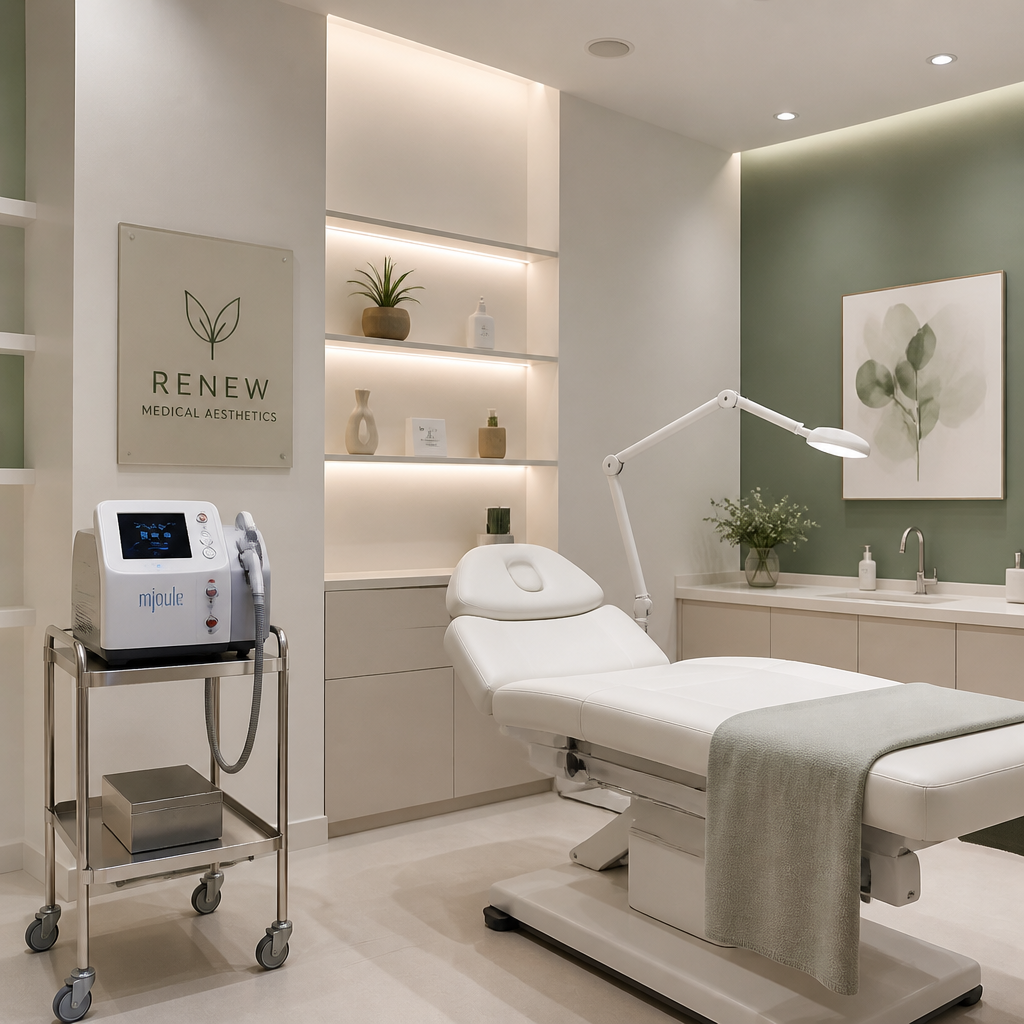
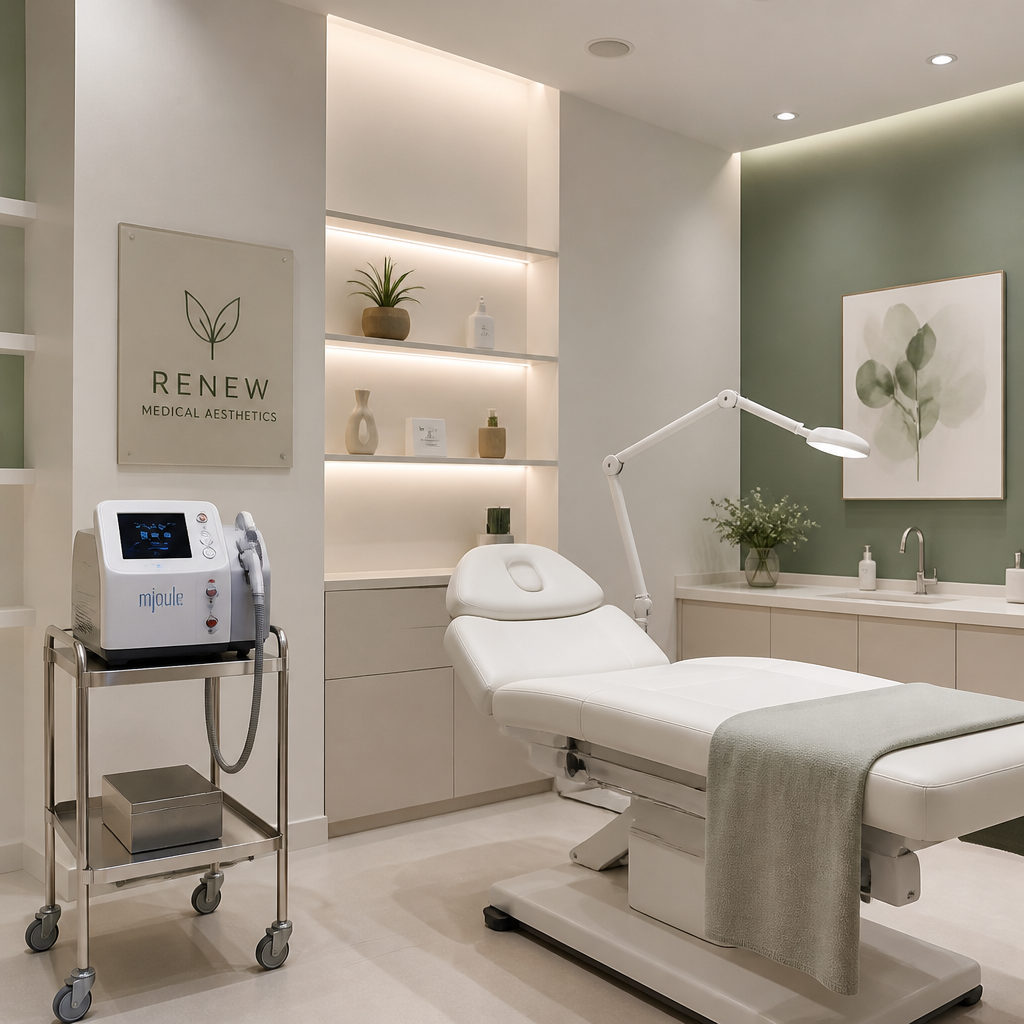
Faith Laser’s approach centres on exactly these details: state-of-the-art equipment, practitioners who understand individual skin and hair profiles, and a relaxed clinic atmosphere specifically designed to put clients at ease in what is, for many people, an intimate and slightly nerve-wracking treatment context. Their transparent pricing, published openly on their website, removes the awkwardness of unclear costs before you even pick up the phone.
Competitors operating in the region include larger national chains and general beauty clinics that offer laser as one service among many. The difference with a dedicated laser clinic is that the entire clinical focus, equipment investment, and staff training sits on laser treatments rather than being split across a full beauty menu.
Treatment Comparison Table
Here is a direct comparison of the three main intimate area treatment styles to help you decide which suits your preferences and maintenance tolerance.
| Treatment Style | Coverage Area | Best For |
|---|---|---|
| Bikini Line | Sides of the pubic area only, hair visible outside underwear line removed | First-timers, those wanting minimal change, swimwear tidying |
| Brazilian | Full front pubic area and bikini line, excluding the behind | Most popular choice, thorough but not fully bare, good hygiene benefits |
| Hollywood | Complete front-to-back removal including perianal region | Clients wanting a fully hair-free finish, maximum smoothness |
Frequently Asked Questions
Is intimate laser hair removal permanent?
Laser hair removal delivers long-term, significant hair reduction rather than guaranteed permanent removal for every single follicle. Most clients see an 85% or greater reduction in hair density after completing a full course of sessions. Some follicles may produce finer, lighter regrowth over time, and occasional maintenance sessions once a year or so can keep results consistent. Hormonal changes, such as those from pregnancy or certain medications, can stimulate some regrowth in the pubic region specifically.
Can I get a Brazilian laser treatment if I have darker skin?
Yes, but the choice of clinic and laser technology matters significantly. For Fitzpatrick skin Types V and VI, the risk of hyperpigmentation is higher with poorly configured equipment. A clinic using a medical-grade laser and a practitioner experienced with darker skin tones can treat you safely. Always insist on a patch test and a skin type assessment before your first full session. Do not book with any provider who skips this step.
How soon before a holiday should I stop treatment?
You should avoid sun exposure for at least 48 hours after each session, and ideally longer for the intimate area. If you are heading on a beach holiday, plan your last session at least two weeks before travel. Do not start a course of intimate laser treatment in the weeks immediately before a sun holiday, as you will not be able to follow proper aftercare.
Can I shave between sessions?
Yes. Shaving between sessions is completely fine and does not interfere with the laser treatment at all. In fact, shaving the area the day before each appointment is part of the standard preparation. What you must not do between sessions is wax, use hair removal cream, or pluck the hairs, as these methods remove the follicle from the skin and leave nothing for the laser to target at your next session.
How long does a Brazilian laser session actually take?
A Brazilian laser session typically takes between fifteen and twenty-five minutes. The full Hollywood, which includes the front and back, may take slightly longer. Session times are short precisely because the treated area, while intimate, is relatively small in surface terms compared with a full leg or back treatment.
Does intimate laser hair removal help with ingrown hairs?
Yes, and for many clients this is actually one of the main reasons they choose laser over waxing or shaving. Ingrown hairs in the bikini and pubic region are caused by hair re-entering the skin as it regrows. Because laser treatment progressively reduces the number of active follicles, the incidence of ingrown hairs drops significantly after the first few sessions. Clients who have struggled chronically with ingrown hairs in the bikini area often find this improvement as valuable as the hair reduction itself.
Have you had an intimate laser treatment before, or are you considering booking your first session? Share your experience or any questions in the comments below.
References
- Faith Laser Liverpool: full intimate area laser hair removal pricing including bikini, Brazilian, and Hollywood packages
- What to expect during a laser hair removal session: duration, discomfort, and aftercare overview
- How many laser hair removal sessions are needed for the bikini area
- How Fitzpatrick skin type affects Brazilian laser hair removal safety and outcomes
- PubMed clinical review on laser hair removal efficacy and side effects across skin types