If you are searching for an honest answer to does tattoo removal hurt, you deserve one that skips the sugarcoating. Yes, laser tattoo removal causes discomfort. The sensation is real, and pretending otherwise does nobody a favour. What matters is how intense that discomfort is, how long it lasts, and what a good clinic does to manage it. At Faith Laser in Liverpool, we believe informed clients make calmer, more confident decisions. So here is a straight, practitioner-level breakdown of tattoo removal pain, from what it actually feels like to which body areas sting the most, and exactly how to minimise it.
The most common description from clients is a rubber band snapping against the skin, repeatedly. Some compare it to tiny hot sparks hitting the surface, while others describe it as a rapid succession of sharp pinpricks layered with heat. None of those descriptions are comfortable, but they are all short. Each laser pulse lasts only a fraction of a second.
The key distinction is duration. Getting a tattoo involves hours of continuous discomfort. A laser removal session for a small-to-medium tattoo might involve 5 to 10 minutes of actual laser application. Even a larger piece rarely requires more than 20 minutes of active treatment per session. The pain is real, but the window of exposure is remarkably narrow.
The sensation also changes as treatment progresses. Because the ink is gradually broken down across multiple sessions, later sessions tend to be less intense than the first one, simply because there is less pigment for the laser to target.
Tattoo removal pain is not a fixed experience. Several variables shape how much discomfort you feel in the chair, and understanding them gives you realistic expectations before your first session.
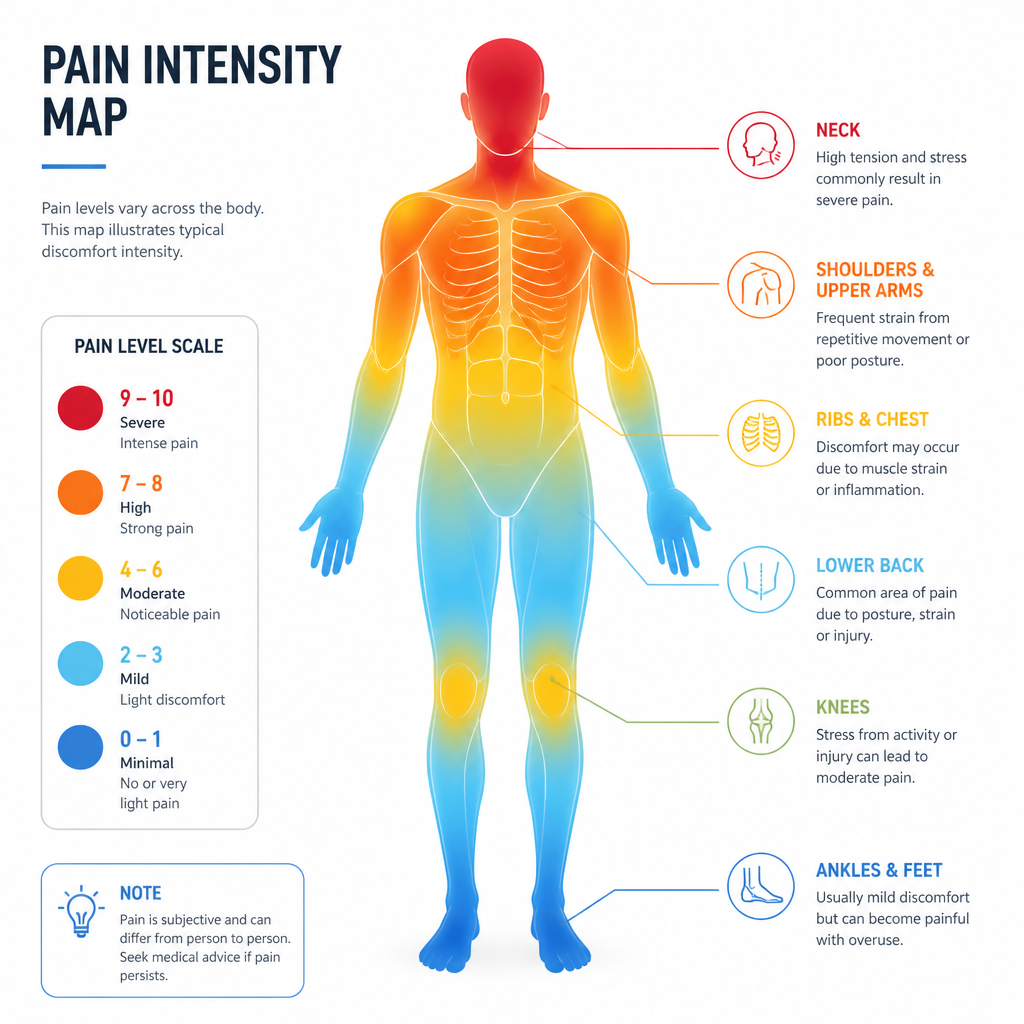
Where the tattoo sits is one of the biggest predictors of pain. Areas where skin is thin and sits close to bone, such as the ankles, ribs, wrists, hands, feet, and areas directly over joints, tend to produce sharper sensations. Fleshier areas with more subcutaneous tissue, such as the outer arms, thighs, upper back, and calves, are consistently reported as less uncomfortable.
A large, dense, solid-black tattoo requires the laser to target significantly more pigment, which generates more heat and a more intense sensation per session. Fine-line work or faded tattoos are notably easier to treat. Certain ink colours also respond differently to laser wavelengths, which affects how many sessions are needed and how the skin reacts during each one.
Pain tolerance is genuinely individual. Factors beyond your control, including stress levels, sleep quality on the day, hydration, and even anxiety about the procedure itself, can all influence how pain is perceived. A client who is well-rested and relaxed will almost always report a more manageable experience than one who arrives tense and sleep-deprived.
The technology matters. Older laser systems delivered more heat to surrounding tissue, making the experience rougher. Modern professional lasers, like those used at Faith Laser, are designed to target pigment with greater precision, reducing collateral thermal exposure and making treatment noticeably more tolerable for clients.
Pro tip: Drink plenty of water in the 24 hours before your session. Hydrated skin responds better to laser treatment and may reduce post-treatment sensitivity.
Knowing which areas are more sensitive before you book is practical, not alarming. It lets you prepare mentally and discuss numbing options with your practitioner in advance.
Higher sensitivity areas include the neck, inner wrists, hands and fingers, feet and ankles, ribs, shin, spine, inner thighs, and any area directly over a joint. These spots combine thinner skin with concentrated nerve endings, which amplifies the sensation the laser produces.
Lower sensitivity areas include the outer arms, shoulders, upper back, thighs (outer surface), and calves. The extra tissue depth here acts as a buffer, and most clients in these zones describe the experience as uncomfortable but very manageable without additional intervention.
The areas that tend to hurt more during laser removal are those with thinner skin, more nerve endings, or close proximity to bone. Fleshier areas with more subcutaneous tissue are consistently reported as less uncomfortable.
If your tattoo sits in a high-sensitivity zone, that is not a reason to avoid treatment. It is simply a reason to ask your Faith Laser practitioner about numbing options at your consultation. Many clients with wrist or ankle tattoos manage treatment very comfortably with topical anaesthetic applied beforehand.
This is genuinely the question most people want answered, and the honest answer is: it depends on the person and the location, but the nature of the pain is different in an important way.
Getting a tattoo involves continuous, prolonged discomfort over hours. Laser removal uses rapid, intermittent pulses, each lasting only a fraction of a second. Many clients report that removal feels comparable to their tattoo session, while others find the heat and intensity of the laser pulses more acute, even though the total treatment time is far shorter.
The practical reality is that a 10-minute laser session, even if more intense moment-to-moment, is often easier to endure psychologically than a 3-hour tattooing session. Most clients at Faith Laser describe their first session as more tolerable than they expected, once they understand that it will be over quickly and that pain management is built into the process.
A professional clinic should offer you more than just endurance. At Faith Laser, pain management is treated as a standard part of the service, not an optional extra. Here is what effective pain management looks like in practice.
Topical anaesthetic creams, such as EMLA, are applied to the treatment area typically 30 to 45 minutes before the session begins. They desensitise the skin’s surface, reducing the intensity of sensation during laser pulses considerably. For most clients, this single step transforms the experience from “challenging” to “very manageable.” Your practitioner should recommend a suitable product and advise on correct application timing.
Professional clinics use active cooling devices alongside the laser during treatment. Cold air or cooling spray applied directly to the skin as the laser fires reduces the heat sensation significantly. This is not the same as a basic ice pack applied beforehand. Clinical cooling systems provide consistent, real-time temperature reduction throughout the session, which addresses the “hot spark” sensation that clients find most uncomfortable.
Applying a cold compress to the area for a few minutes before treatment can provide short-term numbing at the surface. This works better for very small tattoos and shorter sessions. For larger areas, it is best used as a supplement to topical anaesthetic rather than a replacement for it.
Taking a standard over-the-counter painkiller before your session, such as paracetamol, can help take the edge off any post-treatment soreness. Always check with your practitioner first, as some anti-inflammatory medications can thin the blood and are best avoided directly before laser treatment.
Pro tip: Apply your numbing cream at home before you travel to the clinic, following your practitioner’s timing advice. Arriving with it already active means you go straight into treatment rather than waiting in the clinic for it to take effect.
Understanding what happens to your skin after a session is as important as managing pain during it. The post-treatment phase follows a predictable pattern, and knowing it removes a lot of unnecessary worry.
Immediately after treatment, the area will look red, feel warm, and may be slightly raised or swollen. This is completely normal and typically mirrors the feeling of mild sunburn. The sensation usually fades within a few hours.
Within 24 to 72 hours, some clients experience blistering or scabbing. This is a normal part of the healing response, not a sign that something has gone wrong. The body is actively processing broken-down ink particles, and the skin is responding accordingly. During the second week, swelling reduces noticeably and any scabs begin to flake away naturally. It is essential not to pick at them. Picking increases the risk of scarring and can delay healing.
By weeks three and four, the skin surface should largely normalise, though the body continues clearing ink particles beneath the surface. This is why the tattoo continues to fade between sessions, not just during them.
Good aftercare rules are straightforward: keep the area clean, use lukewarm water (not hot) when washing, avoid direct sun exposure on the treated skin, apply SPF 30 or higher if the area will be exposed, and use a gentle healing ointment or aloe vera to keep skin moisturised. Avoid tight clothing over the area and give the skin the six to eight weeks it needs to fully recover between sessions.
Not all pain management options are equally effective for every client or every tattoo location. The table below compares the three primary approaches used in professional clinics, so you can have a better conversation with your practitioner about what is right for your specific situation.
| Pain Management Method | How It Works | Best Suited For |
|---|---|---|
| Topical Numbing Cream (e.g., EMLA) | Applied 30-45 minutes before session; desensitises skin surface by blocking nerve signal transmission | Most clients and most locations, especially high-sensitivity areas like wrists, ankles, and ribs |
| Active Cooling Device (Cryo/Cooling Spray) | Cold air or spray applied during laser pulses; reduces heat sensation in real time throughout the session | All tattoo locations; particularly effective for larger areas where ice packs lose effectiveness quickly |
| Ice Pack or Cold Compress | Applied before and after treatment; provides short-term surface numbing and reduces post-session inflammation | Small tattoos in less sensitive areas; useful as aftercare for swelling and redness reduction |
The sensation during laser removal is different from getting tattooed. Laser pulses produce intense, rapid bursts of heat lasting fractions of a second, whereas tattooing involves prolonged continuous discomfort. Many clients find the total experience of removal more manageable simply because sessions are so much shorter, typically under 20 minutes of active treatment even for larger tattoos. That said, some people do find the heat intensity of laser pulses more acute than the needle sensation. Pain is individual, and the best preparation is discussing numbing options with your clinic before your first session.
Areas with thin skin close to bone are consistently more sensitive: the ribs, ankles, wrists, hands, feet, shin, inner thighs, and areas directly over joints. The neck and spine area are also noted as higher-sensitivity zones. Fleshier areas like the outer arms, shoulders, upper back, and calves are much easier to treat and usually require minimal or no additional pain management beyond standard cooling.
During treatment, discomfort is present only while the laser is active, which is a matter of minutes. Immediately after, the skin feels similar to mild sunburn, which typically fades within a few hours. Some clients experience blistering or tenderness in the 24 to 72 hours after treatment. This is a normal part of healing. By the end of the first week, most surface discomfort has resolved completely.
Yes, and for many clients it makes a significant difference. Topical anaesthetic creams like EMLA are applied around 30 to 45 minutes before your session to desensitise the skin. Your practitioner at Faith Laser will advise you on the correct product, timing, and application method. In many cases, applying it at home before travelling to the clinic is the most efficient approach.
For most clients, later sessions are less intense than the first one. As the ink breaks down across multiple treatments, there is less pigment for the laser to target per pulse, which means less heat generated and a milder sensation. The skin also tends to respond more efficiently to treatment over time. Clients often report that by their third or fourth session, the discomfort has reduced noticeably compared to their first visit.
Tattoo removal pain is primarily governed by your tattoo’s location and your pain threshold, not the clinic’s postcode. What a good clinic controls is how well that pain is managed. At Faith Laser, numbing options and cooling technology are standard parts of the process, not afterthoughts. If you have had a poor experience elsewhere or are anxious about your first session, a consultation at Faith Laser is a good place to discuss your concerns and set realistic expectations before any treatment begins.
Arrive well hydrated and well rested. Avoid alcohol for at least 24 hours before treatment, as it can increase skin sensitivity. Do not expose the treatment area to strong sun in the days leading up to your session, as sunburned or tanned skin is more reactive to laser energy. Apply numbing cream at the correct time as advised by your practitioner. Avoiding caffeine on the day of your session may also help reduce nerve sensitivity, though this varies by individual.
Have you had a tattoo removal session before?