
5 Reasons Liverpool Locals Are Switching to Laser Hair Removal
Tired of shaving every other day or booking waxing appointments you always end up cancelling? You are not alone. Laser hair removal in Liverpool has moved firmly into the mainstream, and the reasons people are switching are far more practical than most clinic websites let on. This is not about luxury. It is about getting off the never-ending treadmill of temporary fixes and investing in something that actually works. Whether you are dealing with stubborn facial hair, persistent ingrown hairs on the bikini line, or just the sheer time sink of weekly shaving, here are the five reasons locals are making the switch.
Table of Contents
- Quick Takeaways
- The Real Cost Comparison: Laser vs Waxing vs Shaving
- Ingrown Hairs and Skin Irritation: Why Razors and Wax Make It Worse
- Precision and Versatility: Every Area, Every Skin Type
- The Time-Saving Argument Nobody Talks About Honestly
- Confidence and Long-Term Convenience
- How Laser Hair Removal Compares to Other Methods
- Frequently Asked Questions
- References
Quick Takeaways
| Key Insight | Explanation |
|---|---|
| Long-term savings outweigh upfront costs | Regular waxing and shaving costs accumulate significantly over years, often exceeding the total price of a laser course. |
| Ingrown hairs are reduced dramatically | Laser targets the follicle at the root, eliminating the repeated trauma that causes ingrowns from shaving and waxing. |
| Modern diode lasers work on all skin types | Advanced triple-wavelength technology, like that used at Faith Laser in Liverpool, treats a wide range of skin tones and hair types safely. |
| Most people need 6 to 8 sessions for lasting results | Hair grows in cycles, so multiple sessions spaced weeks apart are needed to catch every follicle in its active growth phase. |
| Treatment areas range from underarms to full face | Laser hair removal covers everything from intimate zones and underarms to facial areas, each with tailored settings. |
| A free consultation and patch test is the right first step | Any reputable Liverpool clinic, including Faith Laser, requires a patch test at least 48 hours before your first session. |
| Results are long-term, not permanent in every case | Most clients see an 80 to 90 percent reduction in hair growth. Occasional maintenance sessions keep results stable for years. |
The Real Cost Comparison: Laser vs Waxing vs Shaving
The most common objection to laser hair removal is the upfront price. It is a fair concern. But when you actually run the numbers, the comparison stops looking like a luxury decision and starts looking like a sensible one.
Regular shaving across multiple body areas requires ongoing spending on razors, replacement blades, shaving gels, and moisturisers to manage irritation. Over five years, this adds up to a meaningful sum even before you factor in your time. Waxing is more expensive per visit and requires appointments every few weeks with no end date in sight.
Laser hair removal involves a fixed course of sessions. Once that course is complete, most clients need only the occasional top-up rather than a standing monthly commitment. The ongoing cost effectively drops to near zero for many people, whereas waxing and shaving never stop billing you.
The upfront investment in laser is higher, but you stop paying once treatment is complete. Waxing costs add up year after year with no endpoint.
At Faith Laser’s Liverpool packages, the pricing is designed to be accessible, with tailored options for individual areas and combination treatments. Getting a consultation is the most sensible starting point because the actual cost depends on the area being treated, the number of sessions required, and your individual hair and skin type. Do not try to price-compare laser clinics solely on a per-session figure. What matters is the number of sessions needed and the quality of the technology being used.
Pro tip: Before booking anywhere, ask the clinic specifically what laser technology they use and whether the price includes a free consultation and patch test. Both should be standard, not an added extra.

Ingrown Hairs and Skin Irritation: Why Razors and Wax Make It Worse
If you have ever dealt with persistent ingrown hairs on the bikini line, underarms, or legs, you will know that shaving and waxing do not fix the problem. They cause it. Every time you remove hair at the surface rather than at the follicle, you create conditions for the hair to curl back into the skin as it regrows.
Laser hair removal works differently. It targets the hair follicle directly, using light energy converted to heat to inhibit the follicle’s ability to produce hair. Because the follicle is the source of the problem, not just the hair shaft, the treatment addresses ingrown hairs at the root rather than managing the symptom.
What the Evidence Shows
Clinical evidence points to significant improvement in razor bumps and ingrown hairs within weeks of starting a laser course, with long-lasting results compared to temporary removal methods. Studies have shown that individuals can experience a meaningful reduction in ingrown hairs after completing a full series of laser treatments.
This makes laser particularly worth considering for anyone treating the bikini area, underarms, or the face, where ingrowns are most common and most uncomfortable. At Faith Laser in Liverpool, these are among the most requested treatment areas precisely because clients have exhausted every other option first.
Pro tip: If ingrown hairs are your main motivation for considering laser, mention it during your consultation. The practitioner can adjust session intervals and aftercare advice to specifically address recurring ingrown hair-prone zones.
Precision and Versatility: Every Area, Every Skin Type
One of the strongest arguments for choosing professional laser over anything you can do at home is precision. A trained practitioner using medical-grade equipment can target exactly the area you want treated without affecting surrounding skin. This matters most in sensitive areas like the upper lip, jawline, underarms, and intimate zones.
The technology has also moved on considerably from older laser systems that only worked well on pale skin with dark hair. Advanced diode laser technology, including triple-wavelength systems, can now be calibrated to suit a much wider range of skin tones and hair types safely and effectively.
Why Technology Choice Matters
Not every clinic in Liverpool uses the same equipment, and the difference matters. Older IPL systems and lower-powered devices tend to need more sessions and deliver less consistent results. Faith Laser uses Triplicity wavelength technology, which incorporates multiple wavelengths to treat different depths of the hair follicle. This approach allows safer treatment across diverse skin types without compromising on effectiveness.
The diode laser, with its deeper wavelength, offers what practitioners describe as the best balance between effectiveness and safety across different skin phototypes. It is particularly well suited to the kind of varied clientele a city like Liverpool brings through the door.
The Time-Saving Argument Nobody Talks About Honestly
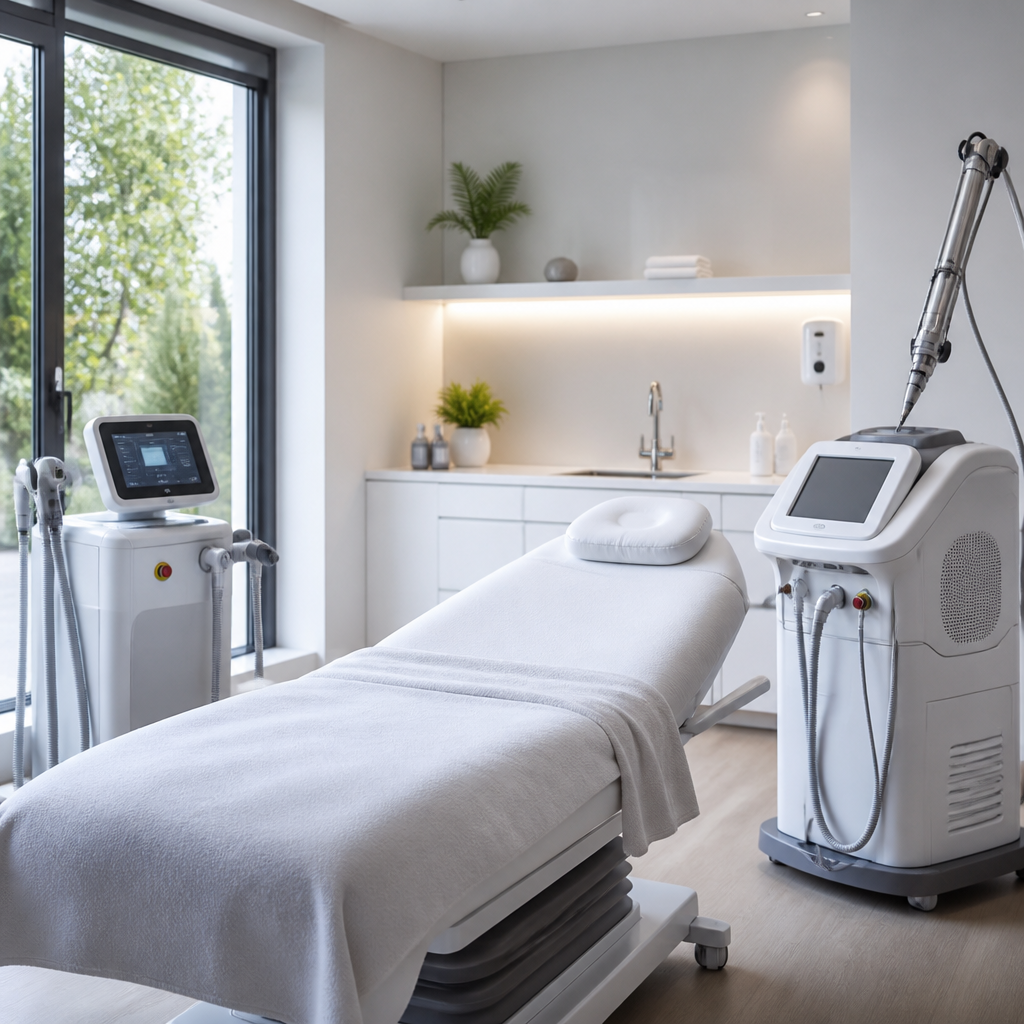
The time cost of traditional hair removal is enormous, and almost nobody accounts for it honestly when comparing methods. Consider how often you shave in a week, multiply that by the minutes per session, and then extend it across months and years. The total is striking.
Laser hair removal does require an upfront time investment: a course of sessions, typically six to eight, spaced several weeks apart to coincide with the hair growth cycle. However, once that course is complete, the ongoing time commitment drops dramatically. Most clients find they spend far less time on hair removal overall compared to years of daily or weekly shaving.
Sessions Are Faster Than You Expect
Modern laser systems with large spot sizes can treat areas like the underarms in just a few minutes per session. Full leg treatments take longer, but the speed of current technology means that a typical appointment for a single area fits easily into a lunch break. This is a practical consideration that matters to working people in Liverpool who cannot afford to block out half a day for a beauty appointment.
Unlike waxing, which requires hair to grow out to a certain length before the appointment is even possible, laser requires shaving beforehand rather than growing hair out. That means you are not walking around with visible hair growth between appointments.
Confidence and Long-Term Convenience
The confidence argument gets dismissed as marketing fluff, but it is worth taking seriously. For many people, unwanted facial or body hair causes genuine daily discomfort, whether that is checking a mirror before meetings, feeling self-conscious at the gym, or avoiding certain clothing. Laser hair removal removes the variable.
Once a course is complete, the result is predictable. You are not scheduling your social life around wax appointments or worrying about razor burn the morning of something important. That kind of low-maintenance confidence is different from the promise of a one-off treatment; it comes from genuinely reduced hair growth that persists.
What to Expect After Your Course
Most clients see a long-term reduction in hair growth, typically in the range of 80 to 90 percent depending on the area treated and their individual response. Some maintenance sessions may be needed over time, particularly in hormonally influenced areas like the face and abdomen, where new hair growth can be triggered by hormonal changes. This is normal and does not mean the treatment has failed. It means you may book a top-up session once a year rather than a waxing appointment every three weeks.
Faith Laser’s focus on creating a relaxed atmosphere and providing personalised packages is worth noting here. Clients who feel comfortable in a clinic setting are more likely to complete their full course of sessions, which is what delivers the actual results. Starting with a free consultation at faithlaser.co.uk means you understand exactly what your course involves before you commit to anything.
How Laser Hair Removal Compares to Other Methods
To make the choice clear, here is a direct comparison of the three most common hair removal approaches that Liverpool clients consider before switching to laser.
| Method | Laser Hair Removal | Waxing | Shaving |
|---|---|---|---|
| Duration of results | Long-term reduction (months to years); minimal maintenance | 2 to 6 weeks per session | 1 to 3 days before regrowth |
| Ingrown hair risk | Significantly reduced after treatment | High, especially on bikini and legs | High, especially on sensitive areas |
| Skin irritation | Minimal with modern cooling systems; temporary redness possible | Common: redness, bumps, sensitivity | Common: razor burn, nicks, dryness |
| Long-term cost | Higher upfront; near-zero ongoing after course | Ongoing indefinitely, adds up over years | Lower per session; significant cumulative cost over time |
| Time commitment | Fixed course of 6 to 8 sessions; then minimal | Regular appointments every few weeks, indefinitely | Daily or near-daily; never stops |
| Precision | Targets specific areas with clinical accuracy | Approximate; not suitable for some facial areas | Good for surface but no follicle targeting |
Frequently Asked Questions
How many laser hair removal sessions will I need in Liverpool?
Most people need between 6 and 8 sessions to achieve lasting results, though this varies depending on the treatment area, hair colour, hair density, and skin type. Areas influenced by hormones, such as the face and abdomen, may require additional sessions over time as new follicles become active. Your practitioner at Faith Laser will give you a realistic estimate during your free initial consultation.
Does laser hair removal work on all skin tones?
Modern diode laser technology, including the triple-wavelength system used at Faith Laser, can treat a wide range of skin tones safely. Earlier laser systems were less versatile, but advanced equipment calibrates energy settings to the individual’s skin phototype. If you have a darker skin tone, it is worth asking specifically which laser system a clinic uses before booking, as not all equipment is equal on this front.
Is laser hair removal painful?
Most clients describe the sensation as a warm snap or mild sting, similar to a rubber band flicking the skin. Modern systems incorporate cooling technology that manages the heat during treatment, making the experience much more comfortable than it was a decade ago. Sensitivity varies by area, with the bikini line and upper lip typically being more sensitive than legs or underarms.
Why choose laser hair removal over waxing if I am used to waxing already?
Waxing removes hair at the surface and must be repeated indefinitely with no reduction in hair growth over time. Laser targets the follicle itself, meaning that with each session the treated hairs become finer and fewer. After a full course, most clients find they no longer need regular waxing appointments at all. The upfront investment is higher, but the ongoing cost and time commitment drops significantly once treatment is complete.
What areas can Faith Laser treat in Liverpool?
Faith Laser treats a comprehensive range of areas including underarms, intimate zones, legs, arms, back, chest, and facial areas such as the upper lip, chin, and jawline. Each area is treated with settings tailored to the skin and hair in that specific zone. You can explore their available treatments and packages at faithlaser.co.uk to understand which combination suits your goals best.
Do I need to do anything to prepare for my first laser session?
Yes. A free consultation and patch test is required at least 48 hours before your first treatment at Faith Laser. You should shave the area to be treated before each session but avoid waxing, plucking, or epilating in the weeks beforehand, as these remove the hair root that the laser needs to target. You should also avoid sun exposure and fake tan in the treatment area leading up to your appointment.
How does laser hair removal in Liverpool compare to clinics elsewhere in the UK?
The quality of laser hair removal depends far more on the technology and training at the specific clinic than on geography. Liverpool has a growing number of specialist laser clinics, but standards vary. Key things to look for are the specific laser system used, whether the clinic employs trained practitioners rather than beauticians operating shared devices, and whether they offer a proper consultation before charging you anything. Faith Laser’s use of advanced Triplicity wavelength technology and their focus on individual treatment planning puts them at the quality end of what is available locally.
If you have tried laser hair removal in Liverpool or are weighing it up against another method, we would love to hear what questions or hesitations you are still sitting with.
We would love your feedback and any insights you would share with others. What perspective would you add?
References
- Laser hair removal versus waxing: long-term cost and value comparison
- How laser hair removal treats and prevents ingrown hairs: clinical overview
- Complete guide to laser hair removal benefits, skin types, and what to expect
- How many laser hair removal sessions are needed: diode laser and skin type breakdown