Unwanted facial hair on the upper lip, chin, and sideburns is one of the most common cosmetic concerns women bring to a laser clinic. For many, it means daily shaving, painful waxing, or threading appointments that leave the skin red and irritated, only for the hair to return within days. Upper lip laser hair removal offers a long-term solution that addresses the root cause rather than the surface symptom. At Faith Laser in Liverpool, this is one of the most requested facial treatments, and for good reason. The face is delicate, the hair growth is often hormonally driven, and getting it right requires a clinic that understands both the technology and the skin.
Facial hair, particularly on the upper lip, chin, and along the jawline, responds to the same hormonal signals that drive body hair growth but with one important difference: the growth cycles are shorter and more irregular. This is why facial areas typically require more sessions than, say, the legs or underarms.
Hair grows in three phases: anagen (active growth), catagen (transition), and telogen (resting). Laser energy only destroys follicles during the anagen phase, when the hair shaft is actively attached to the follicle. Because facial hair cycles through these phases faster and more unevenly, not all follicles in a given area are in the anagen phase during any single session. This is not a flaw in the treatment. It is simply why spacing matters.
Hormonal activity adds another layer of complexity on the face. Conditions like polycystic ovary syndrome (PCOS) can increase androgen levels, which in turn stimulates hair follicles on the chin, jawline, and sideburns to produce coarser, darker hair. For clients managing PCOS or other hormonal imbalances, laser treatment can still achieve excellent reductions, but maintenance sessions are often needed to keep up with ongoing hormonal triggers.
The upper lip is one of the quickest areas to treat. Each session typically takes under five minutes, and the skin in this zone heals relatively fast after treatment. That said, it is also one of the more sensitive areas because the skin is thin and sits close to mucous membranes.
For the upper lip, most clients need between 6 and 8 sessions to achieve significant, lasting hair reduction. Sessions should be spaced approximately 4 weeks apart to align with the shorter facial hair growth cycle. Skipping or delaying appointments disrupts the cycle targeting and extends the overall treatment timeline.
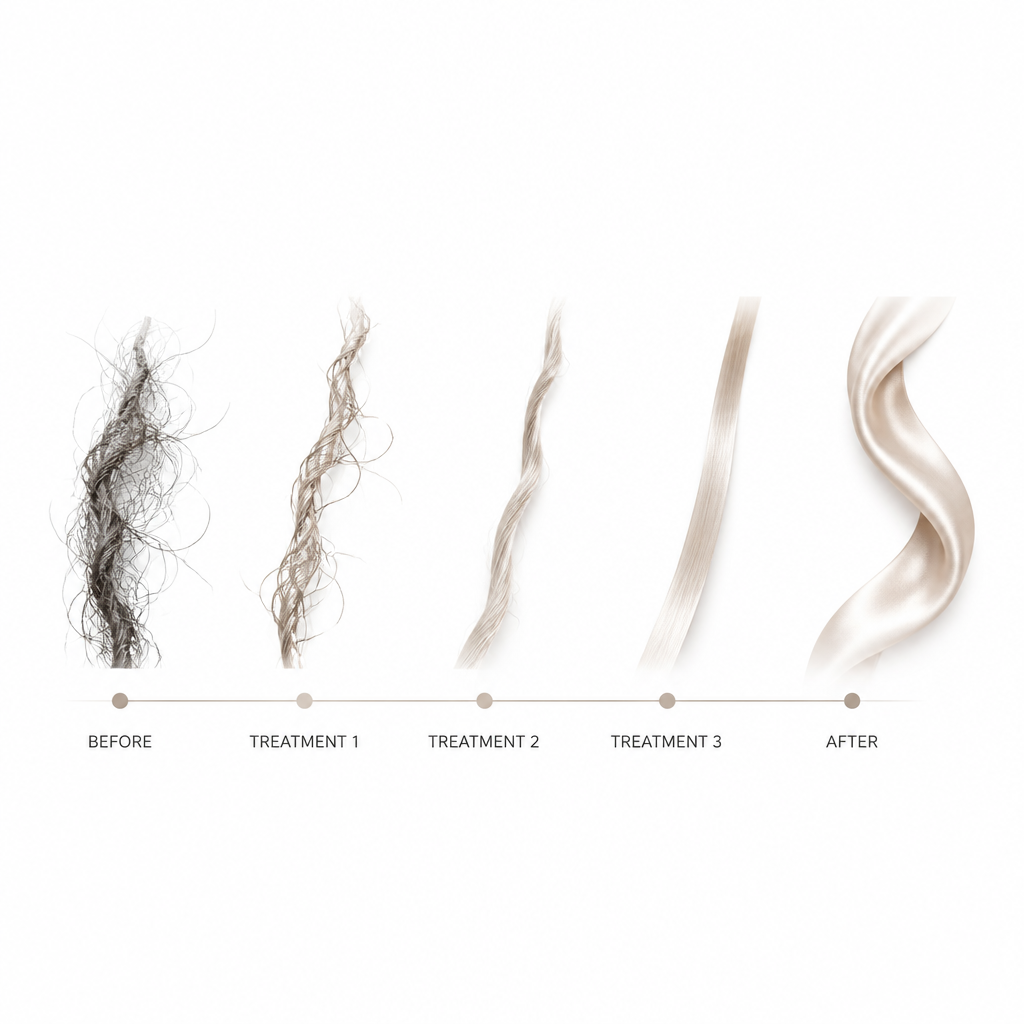
A common mistake people make is stopping treatment after 3 or 4 sessions because they notice a big improvement. The hair that regrows after early sessions is already finer and paler, but the underlying follicles that were in their resting phase during those sessions are still active. Completing the full course is what delivers the lasting result.
Pro tip: Shave the upper lip area the evening before your appointment, not on the morning of treatment. This removes the surface hair shaft so laser energy travels directly to the follicle, while leaving just enough stubble for the technician to confirm hair direction and density.
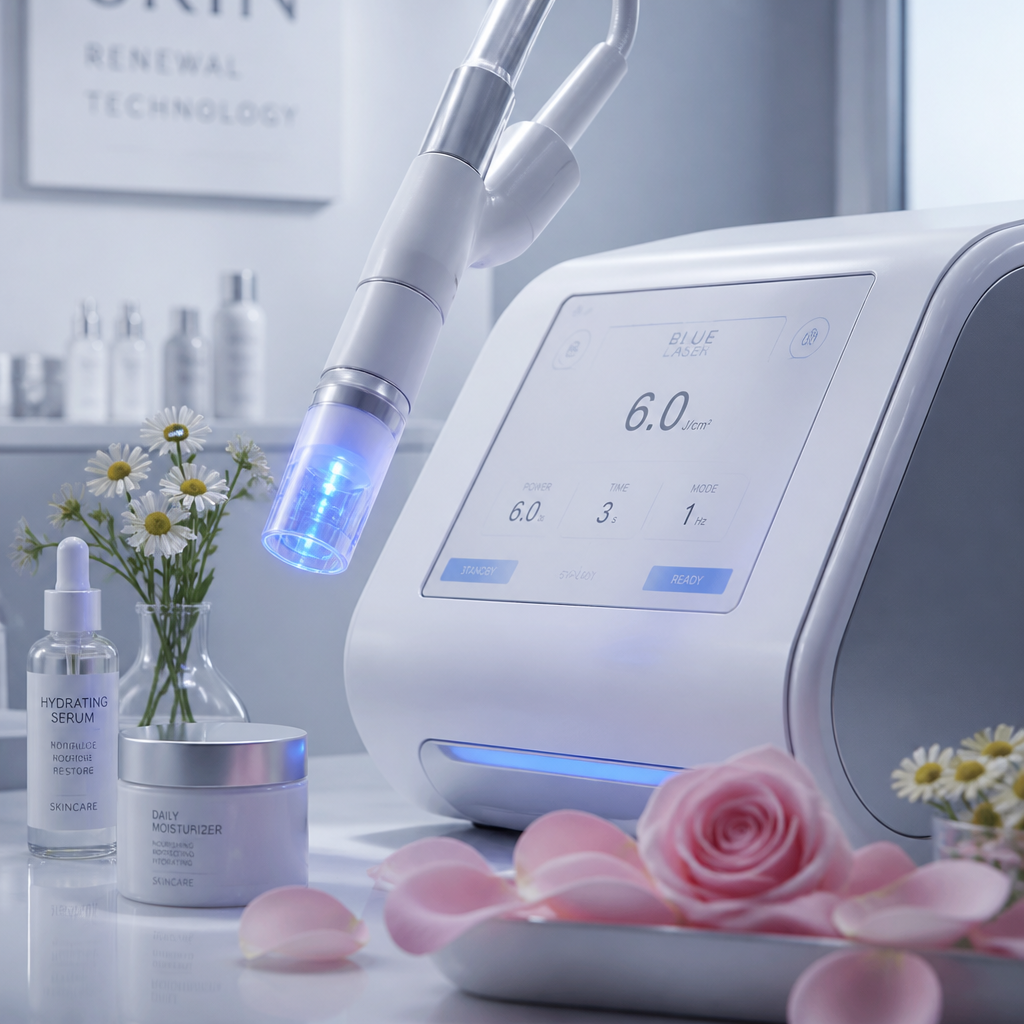
Most clients describe the sensation as a quick flick of heat, similar to a rubber band snap. The upper lip can be more sensitive than areas like the legs, but sessions are short enough that discomfort is minimal and brief. Modern laser systems with integrated cooling technology reduce the sensation significantly during treatment.
Chin hair laser removal is one of the most requested facial treatments at Faith Laser, and it is also the one that requires the most honest expectation-setting. Chin hair is often the most stubborn of all facial hair, primarily because of its hormonal roots.
For women with elevated androgen levels, whether from PCOS, perimenopause, or other hormonal shifts, the chin follicles remain stimulated even after successful laser sessions. This does not mean treatment does not work. It means that for hormonally driven chin hair, the number of sessions required may sit at the higher end of the 6 to 10 session range, and occasional top-up treatments once or twice a year are a realistic part of long-term management.
Laser treatment targets even the fine, often stubborn hair that shaving or waxing cannot fully manage, particularly in hormonally influenced areas like the upper lip, chin, sideburns, and jawline.
What About Coarse, Dark Chin Hair?
Coarse, dark hair on the chin actually responds extremely well to laser treatment. Laser energy targets melanin, the pigment in the hair shaft, and darker hair contains more melanin, making it easier to absorb the laser energy and destroy the follicle. The trade-off is that fine, light, or grey hairs do not absorb laser energy effectively, so these may not see the same reduction.
In practice, most women with chin hair concerns have a mix of coarser terminal hairs and finer vellus hairs. The terminal hairs are the ones that cause the most visible distress, and these are also the ones laser treats most effectively. The fine background hair typically remains unaffected, which in most cases is exactly the outcome clients want.
Pro tip: If your chin hair is linked to a hormonal condition, mention this during your consultation at Faith Laser. It helps the practitioner plan your session intervals and set realistic expectations around the number of top-up treatments that may keep things manageable long term.
Sideburns often get overlooked in conversations about facial laser hair removal, but they are a significant concern for many clients, particularly those with darker or thicker hair growth along the cheeks and jawline. Heavy sideburns can affect how makeup sits, how the face photographs, and how confident someone feels in certain styles or cuts.
The good news is that sideburns tend to respond well to laser treatment. The hair in this area is often terminal and pigmented, which makes it an ideal target. Most clients see meaningful reduction within 6 to 8 sessions, with the area becoming progressively thinner and finer with each visit.
One consideration specific to sideburns is the hairline boundary. Treating sideburns requires precision about where the treatment ends so the transition from removed hair to natural hairline looks intentional and balanced. This is where an experienced practitioner makes a real difference. At Faith Laser, consultations include a full discussion of the treatment boundary so clients know exactly what to expect in terms of shape and definition.
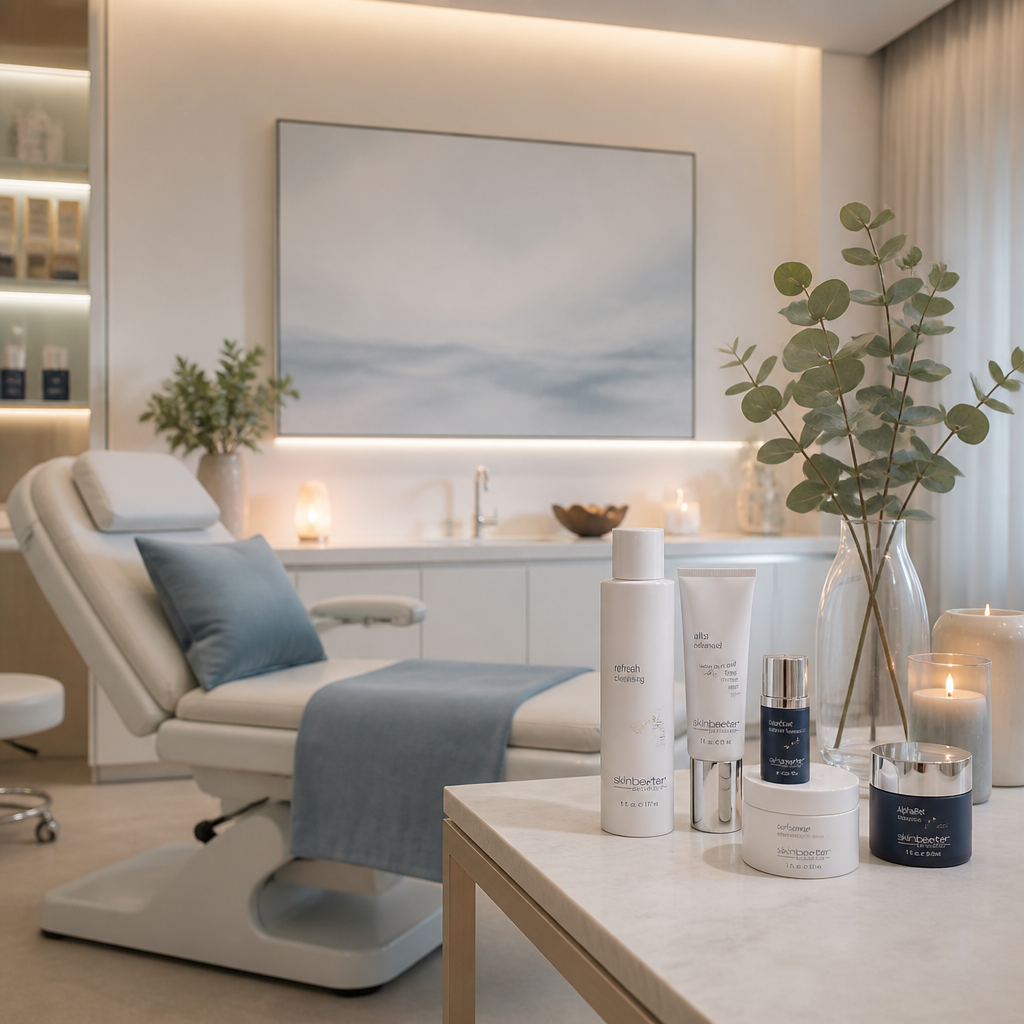
Facial laser hair removal in Liverpool at Faith Laser is structured around both results and client comfort. The clinic is designed to feel relaxed rather than clinical, and sessions are kept efficient without rushing through the process.
A typical facial session involves cleansing the treatment area, applying protective eyewear, and passing the laser handpiece over the upper lip, chin, or sideburns in methodical passes. For small areas like the upper lip alone, the active treatment time is often under five minutes. A combined upper lip and chin treatment might take 10 to 15 minutes. The practitioner adjusts settings based on your skin tone, hair colour, and feedback during the session.
Skin tone matters considerably in facial laser treatment because the laser targets melanin not only in the hair but also in the surrounding skin. Clinics using dual-wavelength or adjustable technology can safely treat a wider range of skin tones by selecting the appropriate wavelength and pulse duration for each client. Improper settings on darker skin tones can cause burns or pigmentation changes, which is why the expertise of the practitioner and the quality of the equipment cannot be treated as afterthoughts.
At Faith Laser, consultations before any first session are used to assess skin type and hair characteristics properly, so the treatment protocol is set correctly from the start rather than adjusted reactively after a problem occurs.
Preparation for facial laser treatment is straightforward but non-negotiable. Following these steps protects your skin and ensures each session is as effective as possible.
In the four weeks before your appointment, avoid any hair removal method that pulls the hair from the root. This means no waxing, no threading, no tweezing, and no sugaring in the treatment areas. These methods remove the hair shaft from the follicle, and without the shaft present during the session, there is nothing to carry the laser energy down to the root. Shaving is fine and is in fact the recommended method between sessions.
Avoid direct sun exposure to the face in the two weeks before treatment. Tanned skin has more surface melanin, which increases the risk of the laser energy being absorbed by the skin rather than the hair follicle. Sun exposure after treatment carries the same risk. This applies equally to artificial tanning products and sunbeds.
On the day of treatment, arrive with a clean face, free of makeup, SPF, and any active skincare ingredients like retinoids or exfoliating acids. These can sensitise the skin and interfere with the treatment.
Immediately after a facial laser session, you can expect some redness and mild swelling in the treated area. This is a normal inflammatory response and typically resembles a mild sunburn. For most clients, this settles within 24 to 72 hours. In some cases, particularly on sensitive skin or where more aggressive settings are used, mild redness can persist for up to a week.
Applying a cool compress in the hours after treatment helps reduce discomfort and bring down any swelling. Avoid anything that adds heat to the skin for 24 to 48 hours: no hot showers on the face, no saunas, no vigorous exercise that creates significant facial flushing.
Sun protection is the single most important aftercare step. The treated skin is temporarily more vulnerable to UV damage, and sun exposure after a session can trigger post-inflammatory hyperpigmentation, particularly in clients with medium to darker skin tones. Use a broad-spectrum SPF daily between and after sessions, even on overcast days.
Do not apply active ingredients like retinol, AHAs, or BHAs to the treated area for at least 48 hours post-session. Gentle, fragrance-free moisturisers are fine and encouraged to support skin recovery.
Before committing to any treatment, it helps to understand how laser compares to the other options most people have tried or considered. Here is a direct comparison across the most common methods for facial hair removal.
| Method | Duration of Results | Key Considerations for Face |
|---|---|---|
| Laser Hair Removal | Long-term reduction; maintenance sessions once or twice a year for hormonally driven areas | Targets follicle at root; safe for upper lip, chin, sideburns; best results on dark hair; requires multiple sessions spaced 4 weeks apart |
| Waxing / Threading | 2 to 4 weeks | Pulls hair from root but does not damage follicle; repeated use can cause ingrown hairs; cannot be done before laser sessions; irritation common on sensitive facial skin |
| Shaving / Depilatory Creams | Days | Surface removal only; hair regrows at same speed and thickness; depilatory chemicals can cause reactions on facial skin; suitable only as a short-term or between-session method |
The difference in outcomes is stark when you look at it this way. Waxing and threading manage the symptom. Laser treats the follicle. For anyone spending time and money every few weeks on threading appointments, the economics of a full laser course often work out clearly in favour of the long-term investment.
Most clients need 6 to 8 sessions for significant, lasting reduction on the upper lip. Sessions are spaced approximately 4 weeks apart to align with the facial hair growth cycle. Some clients with finer or more persistent hair growth may need up to 10 sessions. The key is consistency: completing the full course delivers far better results than stopping early when improvement is visible but the follicle work is unfinished.
Yes, laser treatment is effective on hormonally driven chin hair, but expectation-setting matters. The laser permanently reduces the follicles it treats during active growth phases. However, if elevated androgen levels continue to stimulate new follicular activity, some regrowth can occur over time. For clients with PCOS or other hormonal conditions, occasional top-up sessions once or twice a year are a realistic and manageable part of long-term results.
Yes, but it requires the right technology and a practitioner who adjusts settings appropriately for your Fitzpatrick skin type. Clinics using adjustable wavelength systems can safely treat darker skin tones by selecting longer wavelengths that bypass surface melanin and target the follicle more precisely. The risk of hyperpigmentation or burns on darker skin comes from incorrect settings, not from laser treatment in principle. Always check what technology a clinic uses and confirm their experience with your specific skin tone during consultation.
Laser treatment targets pigmented terminal hair and achieves significant reduction rather than total removal in every case. Fine, pale, or grey vellus hairs do not absorb laser energy effectively and typically remain. For most clients, this is not a concern because the terminal hair causing visible distress is precisely what laser treats best. Total elimination depends on individual hair characteristics, number of sessions completed, and whether hormonal factors are ongoing.
The practical differences come down to technology, practitioner expertise, and the treatment environment. Faith Laser uses professional-grade equipment, offers tailored packages rather than one-size pricing, and focuses specifically on creating a relaxed experience for clients who may feel anxious about facial treatments. Unlike larger chain clinics where you may see a different technician at every visit, Faith Laser prioritises consistency in care, which is particularly important for delicate areas like the upper lip and chin where trust in your practitioner matters.
Yes, upper lip laser hair removal is safe when performed by a trained practitioner using appropriate equipment. Protective eyewear is worn during treatment, and the laser handpiece is designed to treat precisely defined areas. The upper lip is one of the most commonly treated facial zones in professional laser clinics, and the thin skin in this area responds and heals quickly. Clients often return to normal activities immediately after the session.
Have you tried facial laser hair removal, or are you weighing it up against other options? Share your experience or questions below and help others navigating the same decision.