Tattoo Removal Scarring in Liverpool: Myths vs Facts
Ask people in Liverpool why they hesitate over tattoo removal and the answer is usually the same: they have heard that laser leaves a scar. Some of that fear is earned, because poorly managed treatment can burn and mark the skin. Most of it is myth. So does tattoo removal cause scars? Sometimes, but far less often than the internet suggests. This guide separates what happens in a properly run treatment room from what gets repeated online, and shows you what to check before your first session.
Table of Contents
- Quick Takeaways
- Where the Scarring Myth Comes From
- Myth: Laser Tattoo Removal Always Leaves a Scar
- What Actually Causes Scarring After Treatment
- Laser, Surgery and Creams Compared on Scarring
- Aftercare That Protects Your Skin
- Who Faces a Higher Scarring Risk
- How to Find Safe Tattoo Removal in Liverpool
- Frequently Asked Questions
- References
Quick Takeaways
| Key Insight | Explanation |
|---|---|
| Scarring is the exception, not the rule | Scars after laser usually follow burns, blistering or infection. The light pulse itself rarely scars healthy skin when energy levels are set correctly. |
| Energy settings decide most of the risk | Pushing energy above what your skin can tolerate is the most common route to a burn. Ask how your clinic chooses settings for your skin type. |
| Picking is the most common self-inflicted scar | Scabs and blisters should be left alone. Scratching them pulls at healing skin and is a frequent reason a clean treatment area ends up marked. |
| Sun exposure after sessions causes lasting marks | Freshly treated skin is more prone to pigment changes. Covering the area and using sun protection between sessions protects the result. |
| Surgery always leaves a scar, laser usually does not | Excision removes the tattooed skin and closes the gap with stitches, so a scar is part of the outcome. Laser avoids a cut but carries burn risk if it is done badly. |
| Report blisters the same day | A blister is a signal to adjust aftercare or treatment, not something to manage alone. Early contact with your clinic gives you the best chance of a clean recovery. |
Where the Scarring Myth Comes From
The fear of scarring has real roots. Older tattoo removal methods, including cutting the tattoo out or sanding it away, did leave marks, and people who went through them remember the result. That reputation has stuck around long after the technology changed.
Modern laser systems deliver energy in very short pulses aimed at ink particles. The skin around the ink is meant to stay intact, and in practice most sessions pass without any lasting damage. The problem is that a routine, uneventful treatment does not make a good story, while one bad outcome gets shared again and again.
Most scarring we see traces back to a decision made after the laser, not during it.
Pay attention to that distinction when you read online reviews or before-and-after posts. Ask what the aftercare was, who performed the treatment and how the clinic adjusted settings. Those details tell you far more about risk than the headline claim that “lasers scar”.
Myth: Laser Tattoo Removal Always Leaves a Scar
The statement is false as a general rule, although it contains a grain of truth. Laser treatment works by heating ink, not by cutting tissue, so there is no wound in the way a surgical procedure creates one. A session can cause redness, swelling and a light crust that settles as the skin heals.
What a normal healing response looks like
Expect the treated area to look irritated for a while. Some clients notice temporary lightening or a slightly raised texture, and both usually settle as the skin repairs itself. Those changes are part of normal healing, and they are not the same as a permanent scar.
Why professional technique changes the result
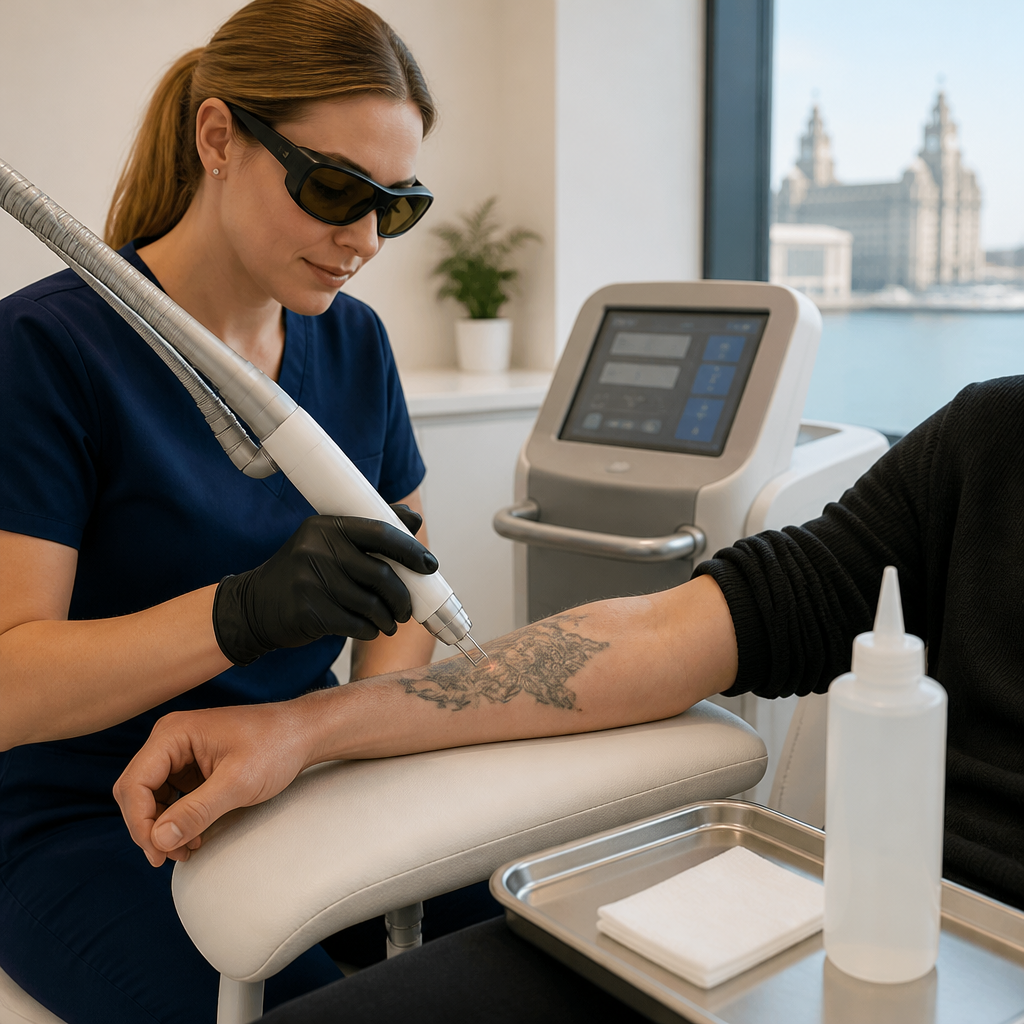
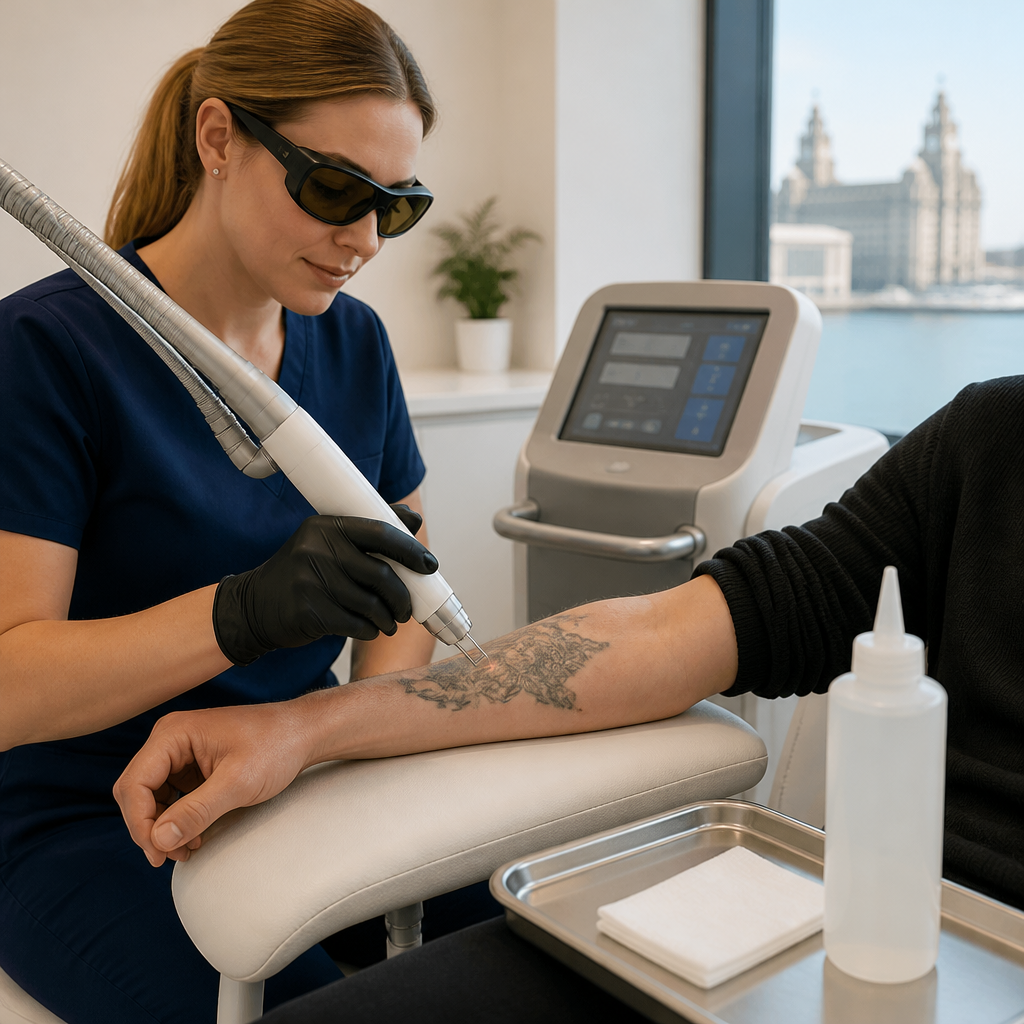
The difference between a clean healing response and a scar often comes down to technique. Spot size, pulse energy, the gap between passes and how the clinician responds to skin changes all affect the outcome. A practitioner who watches the skin during the session and adjusts in real time is doing something a generic machine setting cannot do alone.
This is why we treat consultation and patch assessment as the foundation of any plan. Your skin, your ink and your history all influence how the laser should be used, and a clinic that skips those questions is taking shortcuts you will pay for later.
What Actually Causes Scarring After Treatment
When scarring does happen after laser tattoo removal, it usually traces back to one of a few causes. Understanding them lets you spot a risk early instead of reacting after the damage is done. In most cases, the laser was not the only factor.
Blistering and burns from excess energy
A blister is the clearest warning sign that the skin has taken more heat than it can handle. Blisters that are left alone and managed properly often heal without a lasting mark, but deep burns can leave pale or raised scarring. This is the main reason experienced clinicians aim for the lowest effective energy and repeat treatments rather than pushing for faster fading.
Infection and picking
Broken skin can become infected if it is handled with unwashed hands, rubbed with clothing or picked at. Infection extends the healing time and increases the chance of a visible mark. Keep the area clean, avoid heavy creams unless your clinic recommends them, and never pull at scabs.
Pro tip: Take a photo of the treated area on the day of each session and again a few days later. If redness or swelling is getting worse rather than better, you have a visual record to show your clinic.
Sun exposure after sessions
Freshly treated skin is vulnerable to sun damage, and sun exposure is one of the most common reasons clients develop pigment changes that look like a mark. Cover the area with clothing and use a high-factor sunscreen once the clinic confirms the skin is ready. Sunbeds and tanning should be avoided completely during treatment.
Laser, Surgery and Creams Compared on Scarring
Scarring risk depends on the method as much as the skin. Laser, surgical excision and topical fading creams are often lumped together, but each one behaves differently, and each carries its own trade-offs. Choosing the right one starts with an honest comparison.
| Approach | Scarring Risk | What to Expect |
|---|---|---|
| Laser tattoo removal | Low when delivered at correct settings. Burns and blisters are the main risk, usually linked to energy or aftercare. | Multiple sessions spread over months. Skin heals between treatments, and the ink fades gradually. |
| Surgical excision | A scar is expected, because the tattooed skin is cut out and the wound is closed with stitches. | Usually a single procedure for suitable small tattoos. Recovery involves stitches and a scar that matures over time. |
| Over-the-counter fading creams | Low physical risk, but some products irritate the skin, and irritation can lead to marks if you keep using them through a reaction. | Rarely clears ink on its own. Results are generally modest compared with a professional treatment. |
Surgery is the honest choice for some small tattoos, but it is not a way to avoid scarring. Laser avoids a cut, which is why it is the standard first option for most people. Creams should not be treated as a substitute for a clinical plan, and they are not a reason to delay seeing a practitioner if your skin reacts badly.
Aftercare That Protects Your Skin
Aftercare is where many clients quietly undo good work. The treatment room is only half of the process, and the days between sessions decide how well the skin recovers. Simple habits make a measurable difference.
The first few days after a session
Keep the area clean and dry, and follow the instructions your clinic gives you about dressings and creams. Patient information from NHS services describes applying aloe vera gel to cool and soothe treated skin, which is a reasonable starting point, but your clinician’s advice always comes first. Avoid hot baths, saunas and anything that causes heavy sweating over the treated area.
Sun, friction and swimming
Tight clothing and rubbing can irritate fresh treatment sites, so loose cotton is a better choice for a few days. Swimming pools and hot tubs carry infection risk for broken skin, so wait until the area has closed fully. Sunscreen and covering up remain essential for the whole course of treatment.
Pro tip: If a blister forms, do not pop it or cover it with a plaster that sticks to the surface. Contact your clinic the same day so they can advise on dressing it safely.
Who Faces a Higher Scarring Risk
Scarring is not random. Certain people have a higher chance of marks after treatment, and identifying those factors early lets your clinician plan a safer route. Being honest about your history is the most useful thing you can do at consultation.
Skin tone and pigment changes
Pigment changes are the most common concern for clients with darker skin tones. Lightening or darkening of the skin is not the same as scarring, but it can look similar and it can persist. Clinics should adjust energy and test carefully rather than using the same settings for every skin type.
Keloid and raised scar history
If you have a history of keloid or hypertrophic scarring, tell your clinician before any treatment begins. Those scars are driven by the body’s own healing response, and an otherwise small mark can grow beyond the tattoo’s edge. This is an area where a careful plan and close monitoring matter more than speed.
Tattoos over existing scars
Tattoos placed over old scars or surgical marks are harder to treat safely. Scar tissue responds to heat differently from normal skin, so the risk of an uneven result rises. A specialist assessment before treatment will tell you whether the scar can be treated safely, or whether the plan needs to change.
How to Find Safe Tattoo Removal in Liverpool
Finding safe tattoo removal in Liverpool comes down to asking the right questions before you commit. A good provider will welcome them, and the answers should be specific. Vague reassurance is a warning sign in its own right.

Questions to ask at consultation
Ask who will perform the treatment and what training they have. Ask how the clinic chooses energy settings for your skin type, how it handles reactions, and what the plan looks like if the ink does not respond as expected. A clinic with nothing to hide will answer each one directly.
You should also ask about the ink itself. Some colours and some older inks respond unpredictably, and a reaction can be more difficult to manage. Tell the clinic about any previous allergic reactions to tattoos, and about any medication or skin condition that affects healing.
Warning signs in a treatment room
Be cautious if a provider promises a perfect result with no risk, refuses to show you a patch assessment or pressures you to book a full course on the day. Hygiene matters too. Clean gloves, clear aftercare notes and a clinician who explains each step are what a professional setting looks like.
At Faith Laser, we would rather you leave a consultation with clear answers than book a course you do not fully understand. You can find more about our treatments at faithlaser.co.uk.
Pro tip: Write down your questions before the consultation and bring your tattoo history, including any past removal attempts. Clinicians can plan far more accurately when they have the full picture.
Frequently Asked Questions
Does laser tattoo removal always cause scarring?
No. Scarring is uncommon when treatment is delivered at correct energy levels and aftercare is followed properly. Most of the marks people worry about come from burns, blistering or infection rather than the laser pulse itself.
Can I remove a tattoo that is already scarred?
Sometimes, but it needs a specialist assessment first. Scar tissue reacts differently to heat, so the treatment plan may need to be adjusted or the risk of an uneven result explained before you start.
How should I manage a blister after a session?
Do not pop it, and avoid covering it with a sticky plaster. Contact your clinic the same day so they can advise on how to dress and monitor it, since early action gives the skin the best chance to heal cleanly.
Is tattoo removal safe for darker skin?
It can be, provided the clinic adjusts settings for your skin type and tests carefully. The main concern is pigment change rather than scarring, and it is best managed with a conservative approach and strict sun protection.
Do fading creams prevent scarring after laser treatment?
Creams do not prevent scarring, and they should not be used on broken skin unless your clinic has approved them. If your skin becomes irritated, stop using the product and speak to your clinician before continuing.
Tell us about your own tattoo removal experience in Liverpool, including how your skin healed and what you wish you had known before your first session.