Tattoo Removal Aftercare: Heal Faster, Get Better Results
Most people spend weeks deciding whether to start laser tattoo removal, then give almost no thought to what happens between sessions. That is a mistake. Tattoo removal aftercare is not a box-ticking exercise you do on the day of treatment. It is an ongoing process that directly determines how fast your skin clears, how many sessions you need, and whether you experience complications like scarring or hyperpigmentation. At Faith Laser in Liverpool, we see the difference good aftercare makes every single week. This guide covers exactly what to do, what to avoid, and how to get the best possible results from every session.
Table of Contents
- Quick Takeaways
- How Laser Tattoo Removal Actually Heals
- The First 24 Hours: What to Do Immediately After Treatment
- Week-by-Week Healing Timeline
- What You Must Avoid During Tattoo Removal Healing
- How to Speed Up Fading Between Sessions
- Aftercare Approach Comparison
- Laser Tattoo Removal Aftercare Liverpool: What Local Clients Should Know
- Frequently Asked Questions
- References
Quick Takeaways
| Key Insight | Explanation |
|---|---|
| Ice in short bursts only | Apply an ice compress for no more than three minutes at a time, alternating on and off, to reduce swelling without damaging fragile post-treatment skin. |
| Blistering is normal | Blisters can appear within hours of treatment. Do not pop them. They are part of the healing response and will reabsorb on their own within 7 to 10 days. |
| Hydration accelerates ink clearance | The laser fragments ink, which your lymphatic system then filters out. Staying well hydrated keeps your immune system functioning and speeds up this clearance process. |
| Sun exposure ruins results | UV exposure on a treated area delays healing, risks hyperpigmentation, and can force you to postpone your next session. Use SPF 30 or higher consistently. |
| Antibiotic ointments can backfire | Products like Neosporin can actually increase the risk of blistering. Use a plain, fragrance-free moisturiser or Aquaphor instead, as recommended by your practitioner. |
| Loose clothing protects the site | Tight or rough fabrics rubbing against the treated area can cause irritation and slow healing. Wear loose, clean clothing and avoid wool or textured materials. |
| Session gaps are not wasted time | The six to twelve weeks between sessions are when your immune system clears fragmented ink. Supporting your body during this period directly affects how much fading occurs before your next appointment. |
How Laser Tattoo Removal Actually Heals
Understanding the biology makes the aftercare rules make sense. The laser does not remove ink. It shatters it into microscopic particles small enough for your immune system to carry away through the lymphatic system. After each session, your body goes to work clearing those fragments over the following weeks. What you do during that clearance window either helps or hinders the process.
The skin itself also needs to recover from the controlled damage caused by the laser energy. Redness, swelling, and tenderness immediately after treatment are normal inflammatory responses. This inflammation is part of healing, not a sign that something went wrong. The goal of good aftercare is to support that healing process without adding stress to already-sensitive skin.

A common mistake is treating laser tattoo removal like a passive procedure where you simply show up, get treated, and wait. In practice, your behaviour between sessions is just as important as the technology being used on you. Clinics using the best equipment still see slower results in clients who neglect aftercare basics. Conversely, clients who follow a disciplined routine between sessions often see noticeably faster fading.
Pro tip: Before your first session, stock up on what you will need: a fragrance-free gentle cleanser, a plain moisturising ointment such as Aquaphor, non-fluffy gauze bandages, and a broad-spectrum SPF 30 or higher sunscreen. Having everything ready removes any excuse to skip steps during the first critical 48 hours.
The First 24 Hours: What to Do Immediately After Treatment
Cooling the Area
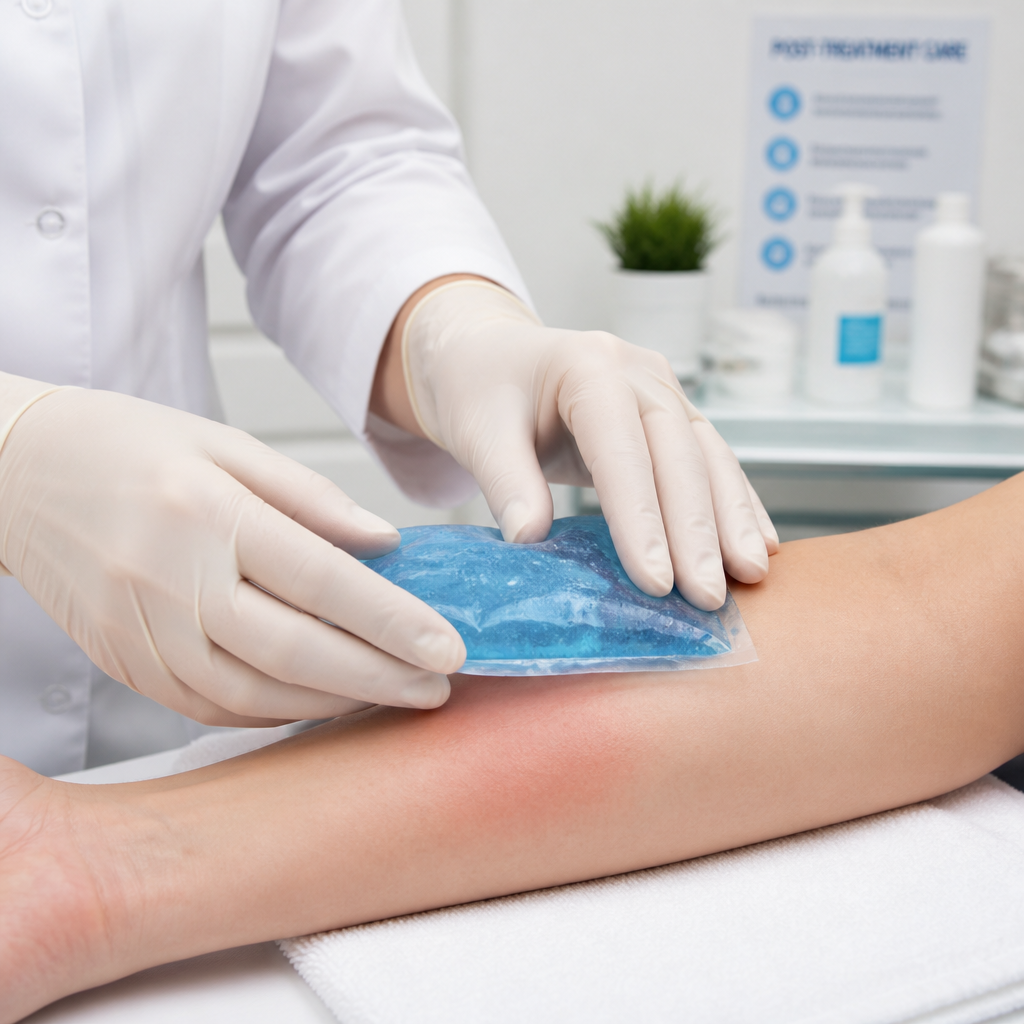
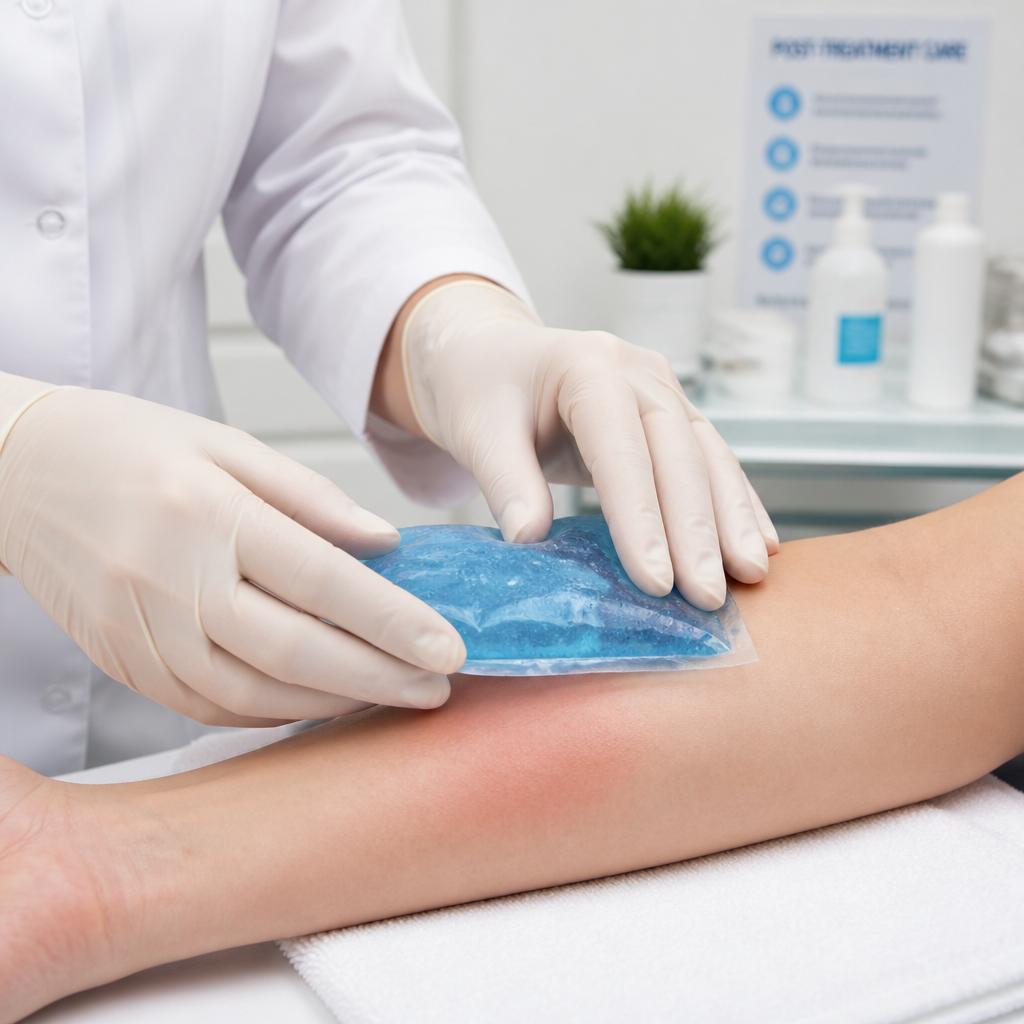
Immediately after your session, apply an ice compress to the treated area to calm inflammation and reduce swelling. The key detail most people get wrong here is duration. You should alternate the compress on and off, never leaving it in direct contact with the skin for more than three minutes at a time. Prolonged direct cold can cause its own skin damage. Continue using this alternating method as needed during the following day.
Cleaning and Protecting the Skin
Gently wash the treated area twice daily using a mild cleanser and lukewarm water. Do not scrub. Pat the skin dry with a clean, soft towel. Never rub. After cleaning, apply a thin layer of a plain moisturising ointment and cover with a fresh, clean, breathable gauze bandage. Keep the area covered until it has fully healed to prevent infection and support recovery.
Avoid hot showers or baths on the day of treatment. Cool or lukewarm water only. Heat increases blood flow to an already-inflamed area and can intensify swelling and discomfort.
Week-by-Week Healing Timeline
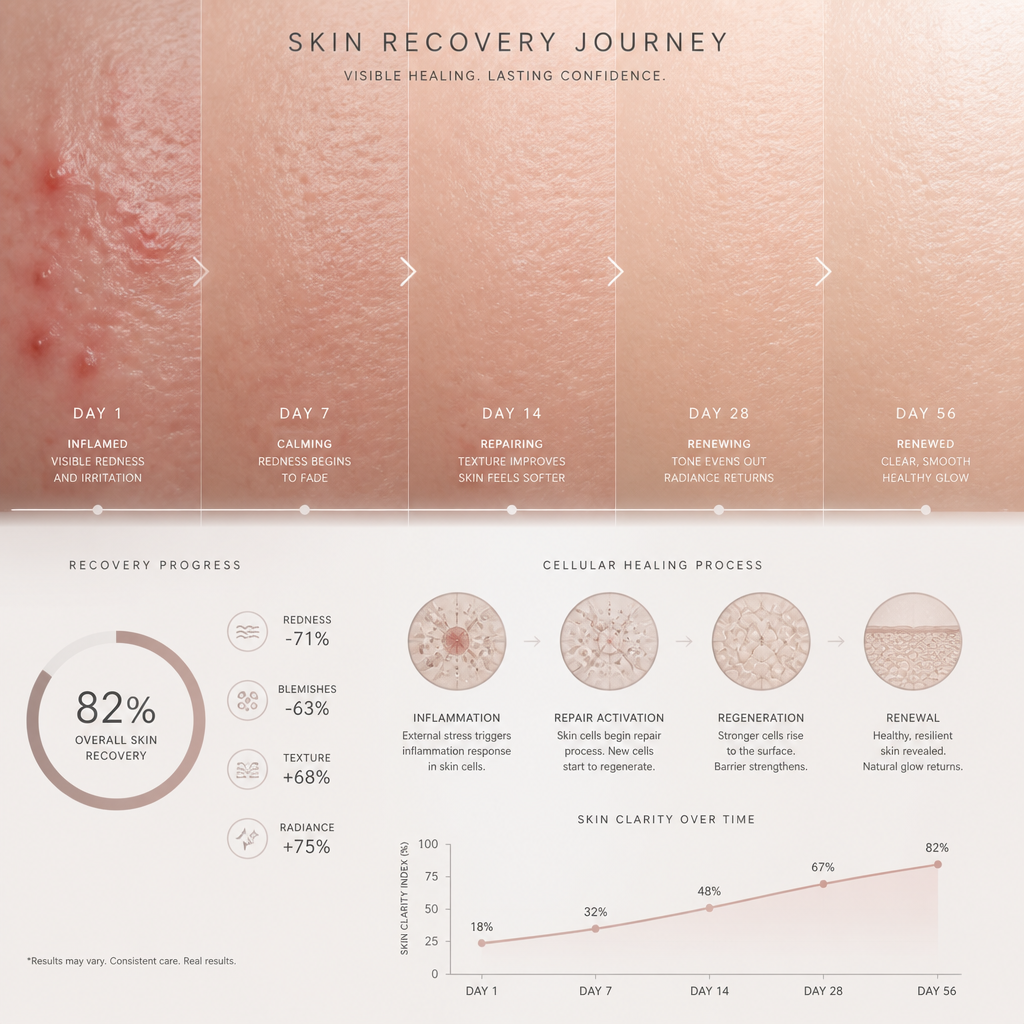
Knowing what to expect at each stage stops unnecessary panic and helps you identify when something genuinely needs attention. The recovery timeline after each session typically runs six to eight weeks before the treated area is fully settled, though many practitioners space sessions eight to twelve weeks apart to give the immune system maximum time to clear fragmented ink.
Days 1 to 3: Acute Inflammation
Immediately after treatment, expect redness, swelling, and a sensation similar to sunburn. The skin may feel raised or tender to the touch. Blistering can begin within the first few hours and is a completely normal part of the healing process. Do not pop blisters. They will reabsorb naturally within seven to ten days. Popping them introduces infection risk and can cause scarring.
Week 1 to 2: Scabbing and Flaking
Swelling typically reduces significantly by the end of the first week. Scabs will form over the treatment area and begin to flake off naturally during this period. Do not pick or peel scabs. Removing them prematurely disrupts the healing skin underneath and increases the risk of permanent scarring. Let them fall away on their own timetable.
Weeks 3 to 8: Deeper Recovery and Ink Fading
The surface of the skin looks largely healed by week three, but deeper recovery and ink clearance continue well beyond what you can see. This is when your lymphatic system is doing the heavy lifting. Supporting your body during this phase with good hydration, gentle movement, and consistent sun protection makes a measurable difference to how much the tattoo fades before your next session.
The weeks between sessions are not downtime. They are when the real removal happens. Your immune system is your most important aftercare tool, and everything you do should either support or protect it.
What You Must Avoid During Tattoo Removal Healing
The “do not” list matters just as much as the “do” list. Some of these mistakes are obvious. Others are things people do without thinking and then wonder why their results are slower than expected.
Sun Exposure
This is the single most common cause of delayed healing and complications. UV exposure on a treated area slows healing, increases the risk of hyperpigmentation, and forces many clients to postpone their next appointment because tanned or burned skin cannot be safely re-treated. Avoid direct sun exposure on the treatment area consistently. When you cannot avoid sun exposure, use SPF 30 or higher and cover the area with protective clothing or a breathable bandage. This applies for several months after each session, not just the first week.
Swimming and Submerging the Area
Avoid swimming pools, hot tubs, and any prolonged soaking until the treatment site is fully healed. Chlorinated water, bacteria, and the heat of a hot tub all create infection risk and can irritate healing skin. Showers are fine, provided you use cool to lukewarm water and avoid direct pressure on the treated area.
Picking, Scratching, and Shaving
Do not scratch or pick at the treated area, even if it becomes itchy during the scabbing phase. Itching is normal and means healing is progressing, but breaking the skin surface risks infection and scarring. Avoid shaving directly over the area until it is fully healed. Moisturising the area adequately helps reduce the itching sensation without the need to scratch.
Antibiotic Ointments
A surprising one: products like Neosporin and similar antibiotic ointments should not be used on laser-treated skin. Rather than protecting the site, these can increase the likelihood of blistering. Stick to plain, fragrance-free moisturising ointments or whatever your practitioner specifically recommends.
How to Speed Up Fading Between Sessions
Good aftercare is not just about preventing problems. There are active steps that genuinely accelerate how quickly your body clears fragmented ink between sessions.
Hydration
Staying well hydrated is one of the most effective things you can do to speed up the tattoo removal process. The fragmented ink particles are carried away by your lymphatic system, and your immune system is central to that process. Dehydration slows immune function. Drink consistently throughout the day, not just immediately after a session.
Light Exercise and Circulation
Light aerobic activity, such as walking, helps improve blood circulation and supports lymphatic drainage. Both of these benefit ink clearance. Some practitioners suggest a gentle five to ten minute massage over the tattoo area daily to manually encourage blood flow and lymphatic movement. Avoid intense exercise on the day of treatment, as this can increase swelling, but moderate movement in the days that follow is actively beneficial.
Nutrition and Immune Support
Your immune system is doing the removal work between sessions. Eating balanced meals and avoiding habits that suppress immune function, such as excessive alcohol consumption or chronic sleep deprivation, supports faster ink clearance. This is not about following a strict diet. It is about not actively undermining the process your body is trying to complete.
Pro tip: In the 24 hours before each session, avoid exercise that causes significant swelling in the treatment area. Swollen skin makes it harder for the laser to precisely target ink. A short walk is fine. An intense gym session is not ideal. Prepare your skin by arriving in the best possible condition for treatment.
Aftercare Approach Comparison
Not all aftercare approaches are equal. The table below compares three common approaches clients take after tattoo removal sessions, and their likely outcomes.
| Aftercare Approach | What It Involves | Likely Outcome |
|---|---|---|
| Consistent and Active | Ice cooling, gentle cleansing twice daily, plain moisturiser, SPF protection, hydration, light exercise, no picking or sun exposure | Fastest fading between sessions, reduced risk of complications, fewer sessions needed overall, optimal skin condition for retreatment |
| Partial Aftercare | Moisturising occasionally, some sun avoidance, no active steps to support immune clearance, sporadic compliance with protective measures | Slower fading, possible hyperpigmentation or prolonged redness, higher chance of needing additional sessions, inconsistent results |
| Neglected Aftercare | No sun protection, picking at scabs or blisters, using antibiotic ointments, swimming before healed, no hydration focus | Significantly delayed healing, risk of infection and scarring, possible hyperpigmentation or hypopigmentation, sessions must be postponed |
Laser Tattoo Removal Aftercare Liverpool: What Local Clients Should Know
For clients undergoing laser tattoo removal aftercare in Liverpool, there are a few practical points worth highlighting. Liverpool’s climate means overcast days are common, but UV damage does not require direct sunshine. UV rays penetrate cloud cover. SPF protection on the treatment area is necessary year-round, not just in summer. Do not assume a grey Merseyside day means you are safe to skip sunscreen on a healing tattoo site.
At Faith Laser’s tattoo removal service, every client receives personalised aftercare guidance tailored to their specific tattoo, skin type, and session outcome. A professional consultation before treatment means your aftercare plan reflects your actual situation rather than generic instructions. If you are unsure about any aspect of your healing between sessions, contact the clinic directly rather than guessing. Early questions prevent the kind of mistakes that delay results or force additional sessions.
Clients considering both laser hair removal and tattoo removal should be aware that aftercare protocols differ between the two treatments. Never assume that what you did after one type of laser procedure is appropriate for the other. Always follow treatment-specific guidance.
Frequently Asked Questions
How long does tattoo removal healing take after each session?
The skin surface typically heals within two to three weeks after a session, with scabs and blistering resolving within the first ten to fourteen days. However, deeper skin recovery and ink clearance through the lymphatic system continue for six to eight weeks or longer. This is why sessions are spaced at least six to twelve weeks apart, giving your body enough time to clear fragmented ink before the next treatment.
Is blistering after laser tattoo removal normal?
Yes. Blistering is a normal and expected part of the healing process. It can begin within hours of your session and typically resolves within seven to ten days. The most important rule is to leave blisters alone. Do not pop, pierce, or drain them. They reabsorb naturally, and interfering with them significantly increases infection risk and the chance of permanent scarring.
Can I exercise after a tattoo removal session?
Light activity such as walking is fine and actually beneficial for circulation and lymphatic drainage. However, you should avoid intense exercise on the day of treatment, as significant swelling makes healing harder. Avoid any activity that causes heavy sweating directly over the treated area during the first 24 to 48 hours, as moisture and friction can irritate the healing skin.
What moisturiser should I use after laser tattoo removal?
Use a plain, fragrance-free moisturising ointment such as Aquaphor. Avoid antibiotic ointments like Neosporin, which can increase blistering rather than prevent it. Do not use products containing alcohol, perfume, or active skincare ingredients such as retinol or acids on the treatment area. When in doubt, ask your practitioner what they recommend. At Faith Laser, aftercare product advice is included as part of every treatment consultation.
How does sun exposure affect tattoo removal results?
Sun exposure is one of the most damaging things you can do to a laser-treated area. UV radiation slows healing, increases the risk of hyperpigmentation (darkening of the skin), and can cause enough skin change that your next session has to be postponed. This applies not just to sunbathing but to any prolonged outdoor exposure without protection. Apply SPF 30 or higher and cover the treated area whenever you are outside, for several months after each session.
Why is there still ink visible weeks after my session?
This is entirely normal. The laser fragments the ink but does not remove it directly. Your immune system, specifically your lymphatic system, carries away the fragmented particles over weeks. Full fading from a single session can take up to eight weeks or more to become visible. Multiple sessions are always required because each one can only fragment and clear a portion of the ink. Patience between sessions is a core part of the process, not a sign that the treatment is not working.
Have you noticed a specific aftercare habit that made a real difference to how your skin healed between sessions? Share your experience in the comments below.
References
- Laser tattoo removal aftercare: hydration, icing, and moisturising guidance
- Post-session skin care steps to minimise side effects and support healing
- Detailed post-treatment care instructions including blister management and sun protection
- Week-by-week recovery timeline after laser tattoo removal sessions
- Understanding the healing process and protective skincare after laser tattoo removal