
Tattoo Regret Liverpool: You’re Not Alone
You got the tattoo. Maybe it was a name that no longer belongs in your life, a design you loved at nineteen but cringe at now, or a piece of flash art that was never quite right the moment the bandage came off. Whatever the reason, tattoo regret Liverpool is far more common than people admit out loud. Studies suggest that somewhere between 16% and 44% of people with tattoos come to regret at least one of them, and in the UK, roughly 1 in 7 tattooed people report wishing they could undo at least one piece. If you are sitting with that feeling right now, this guide is for you. It will tell you what you can actually do about it, and what to expect along the way.
Table of Contents
- Quick Takeaways
- Why Tattoo Regret Is More Common Than You Think
- The Most Common Reasons People Want to Remove Unwanted Tattoos
- Your Options for Tattoo Removal in Liverpool
- How Laser Tattoo Removal Actually Works
- What Affects How Many Sessions You Will Need
- Comparing Your Removal Options
- What to Expect at a Professional Laser Clinic in Liverpool
- Frequently Asked Questions
- References
Quick Takeaways
| Key Insight | Explanation |
|---|---|
| Tattoo regret is widespread | Research consistently puts regret rates between 16% and 44% of tattooed people. You are in large company. |
| Impulse is the leading driver | Around 3 in 4 people who experience regret did not plan their tattoo for more than a few weeks before getting it. |
| Laser removal is the most effective method | Professional laser treatment is the only approach that can achieve full removal without guaranteed scarring or skin damage. |
| Most clients need 3 to 10 sessions | The exact number depends on ink colour, tattoo age, skin type, and how deeply the ink was applied. |
| Black and dark inks respond fastest | Lighter colours such as yellows and whites absorb laser energy less efficiently and typically need more sessions. |
| Choosing the right clinic matters enormously | Technology, operator experience, and the cooling system used all directly affect results and comfort. |
| Liverpool has professional options available | Clinics like Faith Laser on Crosby Road North offer specialist laser tattoo removal in Liverpool using advanced equipment. |
Why Tattoo Regret Is More Common Than You Think
The social stigma around admitting tattoo regret keeps a lot of people quiet. Getting a tattoo is supposed to be a statement of identity, so telling someone you regret it can feel like admitting a mistake about who you are. That silence makes the problem feel more isolated than it really is.
The numbers tell a different story. In the UK, roughly 14% of people with tattoos report having regrets, compared to 22% in the United States. When you scale that against the number of tattooed adults in this country, you are talking about hundreds of thousands of people who quietly wish they could undo at least one piece. In a city like Liverpool with its strong tattoo culture, that translates to a significant number of people carrying a design they no longer want.
Upper arm tattoos are the most commonly regretted placement, accounting for around 33% of regret cases. Close behind are visible placements like the neck, hands, and lower arms, where tattoos are harder to conceal professionally and socially.
Studies have shown that tattoo regret rates have increased in recent years as tattoos have become more popular and common. In previous research, it has been estimated that between 16% and 44% of people with tattoos later regret at least one of them.
The most common reason people cite for tattoo regret is simply not liking the tattoo anymore. It is not always dramatic. Sometimes you just grow, and the design does not grow with you.
The Most Common Reasons People Want to Remove Unwanted Tattoos
Understanding why people want to remove unwanted tattoos helps you recognise that your specific situation is not unusual. The reasons are consistent across studies and across demographics.

Impulsive decision-making
The big takeaway from research into tattoo regret is that 3 out of 4 people who suffer from it did not plan for the tattoo beyond a few weeks. An impulsive decision is the single most commonly cited driver of regret. This is not a character flaw. It is simply a mismatch between a short-term feeling and a permanent outcome.
A name or relationship that has ended
Partner names and relationship-specific tattoos are among the most emotionally loaded types of regret. The tattoo becomes a daily reminder of something painful, and the desire to remove it is entirely rational. This is one of the most common reasons people in Liverpool seek out professional tattoo removal, and it deserves to be treated with discretion by the clinic providing the service.
Career and professional pressure
Visible tattoos on the hands, neck, or face can still create friction in certain professional environments. People entering healthcare, law, or corporate roles often find that a tattoo they were comfortable with in a previous phase of life has become a liability in the workplace. Removal, or at least significant fading, gives them back control.
Poor quality or amateur work
Research has found that tattoo regret is related to getting the first tattoo at an earlier age, as well as having the tattoo performed by an amateur or oneself. A tattoo that was never executed well, or has faded and blurred badly over time, is a practical problem as much as an aesthetic one.
Simply outgrowing the design
Tastes change. A tribal armband that made sense at twenty-two may feel disconnected from who you are at thirty-five. This is the most straightforward form of regret, and it is also the most common. There is no need to justify it. The feeling itself is enough reason to explore removal.
Pro tip: If you are on the fence about removal versus a cover-up, speak to a laser clinic first. Significant fading through laser treatment makes cover-up tattoos dramatically more effective, even if full removal is not your goal.
Your Options for Tattoo Removal in Liverpool
When it comes to tattoo removal Liverpool services, you have broadly three categories to consider. Not all of them are equal, and understanding the difference matters before you commit to anything.
Laser tattoo removal
Laser treatment is the gold standard. It is the only method clinically validated to achieve complete or near-complete removal without requiring surgical intervention. Professional clinics in Liverpool, including Faith Laser at 59 Crosby Road North in Waterloo, use advanced laser technology specifically designed for tattoo pigment breakdown.
Tattoo cover-ups
A cover-up replaces the existing tattoo with a new, larger design. This can be a good solution if you still want a tattoo in that location but dislike the current design. The limitation is that a cover-up requires the new design to be dark and large enough to conceal what is underneath. Pre-fading with laser makes the artist’s job significantly easier and expands the creative options available to you.
Dermabrasion and surgical excision
These are older methods that carry significant risks of scarring and uneven skin texture. They are largely considered outdated in the context of modern laser technology. For most people seeking tattoo removal in Liverpool, they are not worth pursuing when high-quality laser options are available locally.

How Laser Tattoo Removal Actually Works
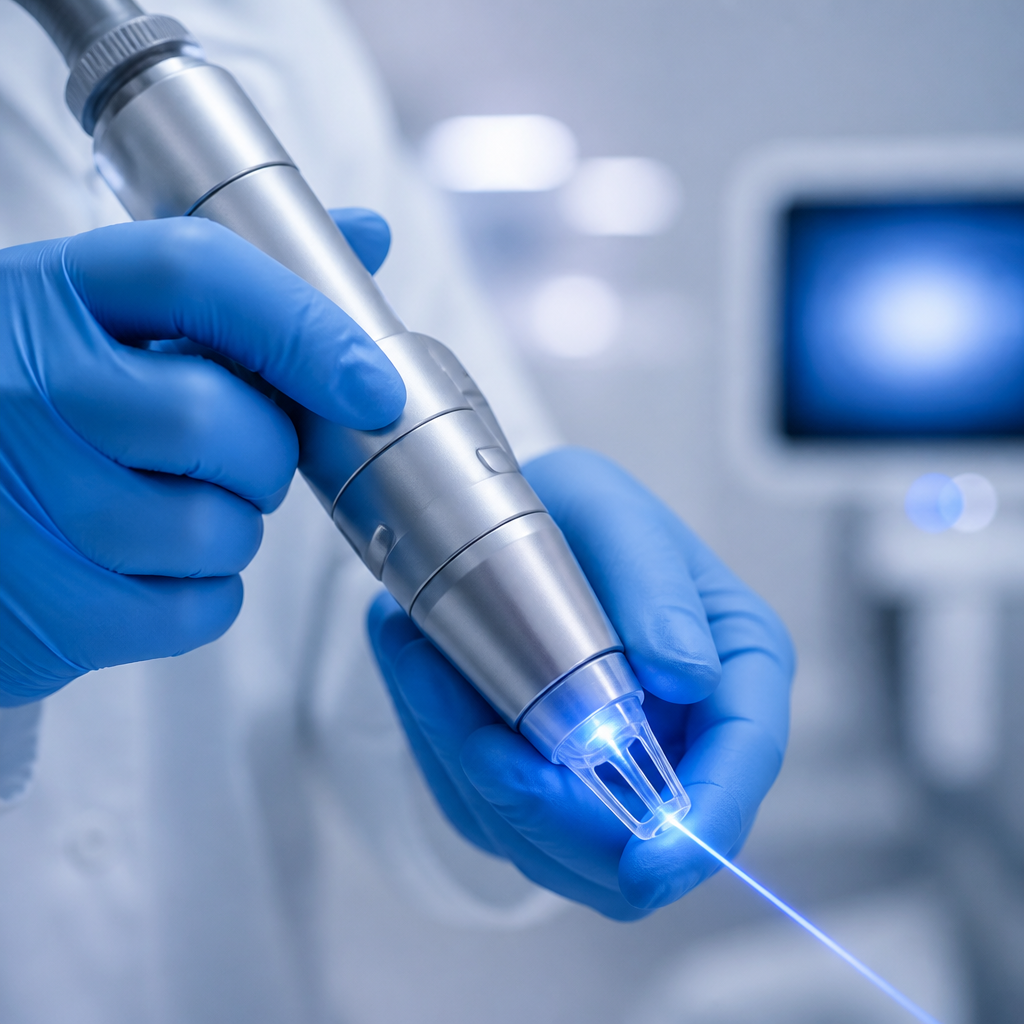
The science behind laser removal is straightforward but frequently misunderstood. The laser emits concentrated pulses of light energy that are absorbed by the tattoo pigment beneath the skin. This energy shatters the ink into tiny fragments. These fragments are then small enough to be eliminated by the body’s immune system over time.
Different ink colours absorb light at different wavelengths. Black and dark blue inks absorb the broadest range of light energy, which is why they respond fastest and most completely. Lighter inks, particularly yellows, whites, and light greens, are more selective in the wavelengths they absorb, which is why they often require additional sessions.
Faith Laser uses 3D NanoSure technology for tattoo removal. The clinic also uses a Crystal Freeze cooling system during treatment, which helps manage discomfort and protects the surrounding skin. Tattoo removal involves mild to moderate pain, although cooling the skin prior to commencing the treatment is standard practice to manage this.
Pro tip: Your immune system does the actual removal work between sessions. Anything that supports immune function, such as staying well hydrated, avoiding smoking, and maintaining a healthy diet, will actively speed up your results. Smokers consistently need more sessions than non-smokers.
What Affects How Many Sessions You Will Need
One of the first questions people ask when they contact a clinic for tattoo removal in Liverpool is: how many sessions will this take? The honest answer is that it varies, but the key factors are well understood.
Age of the tattoo
Older tattoos tend to respond faster than newer ones. This is because the body’s immune system has already been working on the ink over time, and the pigment particles are often less densely packed than when the tattoo was fresh.
Ink depth and application quality
The amount of sessions needed for tattoo removal varies, as it depends on how old the tattoo is and how deeply the tattoo artist injected the ink into the skin. Most clients have between 3 to 5 sessions, but depending on the tattoo, more treatments may be needed.
Ink colours present
As covered above, darker colours respond most efficiently. A tattoo with multiple colours, particularly if it includes light greens, yellows, or white highlights, will typically require more sessions than a pure black design of the same size.
Skin type and tone
Lighter skin tones tend to allow for higher laser energy settings without the risk of pigmentation changes, which can accelerate results. Darker skin tones require a more careful, considered approach, but they can still achieve excellent results with the right equipment and an experienced operator.
Tattoo size and location
Size is obvious. Location matters because areas with better circulation respond faster. Tattoos on the torso and upper arms typically fade more quickly than those on the hands, feet, or ankles, where blood flow is lower and the immune response is slower.
Comparing Your Removal Options
| Method | Effectiveness | Key Considerations |
|---|---|---|
| Professional Laser Removal (e.g. Faith Laser, Liverpool) | Up to 98% effective for complete removal; best available option | Multiple sessions required; results depend on ink colour, age, and skin type; minimal skin damage with advanced equipment and cooling |
| Tattoo Cover-Up | Does not remove the tattoo; conceals it with a new design | Requires a larger, darker new design; limited creative freedom; works best after laser pre-fading; no removal of original ink |
| Dermabrasion / Surgical Excision | Partial to full removal possible but carries high scarring risk | Largely outdated; significant risk of permanent scarring and skin texture change; not recommended when laser options are available locally |
What to Expect at a Professional Laser Clinic in Liverpool
Walking into a clinic for the first time can feel nerve-wracking. Knowing what the process looks like in practice removes a lot of the anxiety.
A reputable clinic will begin with a consultation, not a hard sell. They will assess your tattoo, ask about your skin type and health history, and give you an honest estimate of the number of sessions needed. Be wary of anyone who guarantees complete removal in a fixed number of sessions without seeing your tattoo properly first.
At Faith Laser in Liverpool, sessions are spaced to allow the body time to process the fragmented ink between treatments. The Crystal Freeze cooling system is applied to the skin before treatment begins, which significantly reduces discomfort. The actual laser treatment is fast, typically measured in minutes for smaller tattoos, though larger pieces will take longer.
After each session, the treated area will look red and feel similar to mild sunburn. This settles within a few days. The tattoo will continue to fade progressively over the weeks following each treatment, as the immune system clears the shattered ink particles. You will likely see meaningful improvement after the first few sessions, with the most dramatic changes coming in the middle phase of the treatment plan.
A common mistake people make is stopping treatment too early when the tattoo looks significantly faded but is not yet fully cleared. Completing the recommended course is what separates a good result from a great one. Patience and consistency are the most underrated parts of the removal process.
If you are considering tattoo removal in Liverpool, Faith Laser offers a straightforward consultation process and uses advanced technology designed to minimise skin damage while delivering effective results. You can also explore their booking page to get started.
Frequently Asked Questions
How many sessions does tattoo removal take in Liverpool?
Most clients at professional laser clinics in Liverpool need between 3 and 10 sessions, depending on the tattoo’s size, age, ink colours, and how deeply the ink was applied. A consultation with a specialist will give you a more accurate estimate for your specific tattoo.
Does laser tattoo removal hurt?
Most people describe it as mild to moderate discomfort, often compared to the snap of an elastic band against the skin. Professional clinics use cooling systems applied to the skin before treatment to make the process significantly more comfortable. The sensation is generally more manageable than the original tattooing process.
Can all tattoo colours be removed?
Dark colours such as black and deep blue respond most effectively to laser treatment and can typically be fully removed. Lighter colours including yellows, whites, and light greens are more resistant and may require additional sessions or may not achieve 100% clearance in all cases. A specialist can assess your specific ink colours during a consultation.
Will tattoo removal leave a scar?
Professional laser tattoo removal with advanced equipment and proper technique carries a very low risk of scarring compared to older methods like dermabrasion or surgical excision. The risk increases significantly with non-professional or low-quality equipment, which is why choosing a reputable, specialist clinic matters.
How long should I wait between tattoo removal sessions?
Most clinics recommend waiting several weeks between sessions, typically around six to eight weeks minimum. This interval gives the immune system time to process and clear the fragmented ink particles from the previous session. Rushing treatment by shortening intervals between sessions does not speed up results and can increase the risk of skin reactions.
Is it worth fading a tattoo before a cover-up?
Yes, in most cases. Laser pre-fading significantly expands the range of designs a tattoo artist can use for a cover-up. Without pre-fading, the cover-up design needs to be substantially darker and larger than the original. A few laser sessions can open up far more creative options and lead to a much better final result.
How do I know which tattoo removal clinic in Liverpool to choose?
Look for a clinic that uses specialist laser equipment designed specifically for tattoo removal, not a generalised aesthetic device. Ask about the technology they use, whether they have a cooling system in place, and how they assess your tattoo before quoting a number of sessions. A clinic that offers a thorough consultation and gives honest estimates rather than guaranteed outcomes is a good sign.
Have you dealt with tattoo regret yourself, or are you in the middle of the removal process? Share your experience or questions below, as your insight could genuinely help others who are in the same situation.
References
- YouGov UK survey on tattoo regret rates among British adults
- Clinical overview of tattoo regret: rates, demographics, and causes
- Survey data on tattoo regret statistics and the role of impulsive decision-making
- Compiled tattoo regret statistics including placement and demographic data
- How laser tattoo removal works at Faith Laser Liverpool