Laser Hair Removal vs Waxing: Worth the Investment?
You book a waxing appointment every four to six weeks. You sit through the pull, the sting, and the redness, then you do it all over again. If you have ever wondered whether laser hair removal vs waxing is a genuine decision or just a question of budget, the answer is clearer than most clinics let on. The maths, the skin health evidence, and the long-term experience all point in one direction. This guide breaks down the real costs, the real pain levels, and the results you can actually expect, so you can decide with your eyes open rather than with a strip of wax in your hand.
Table of Contents
- Quick Takeaways
- How Each Method Actually Works
- The Real Cost Comparison: UK Prices
- Pain and Skin Health: The Honest Picture
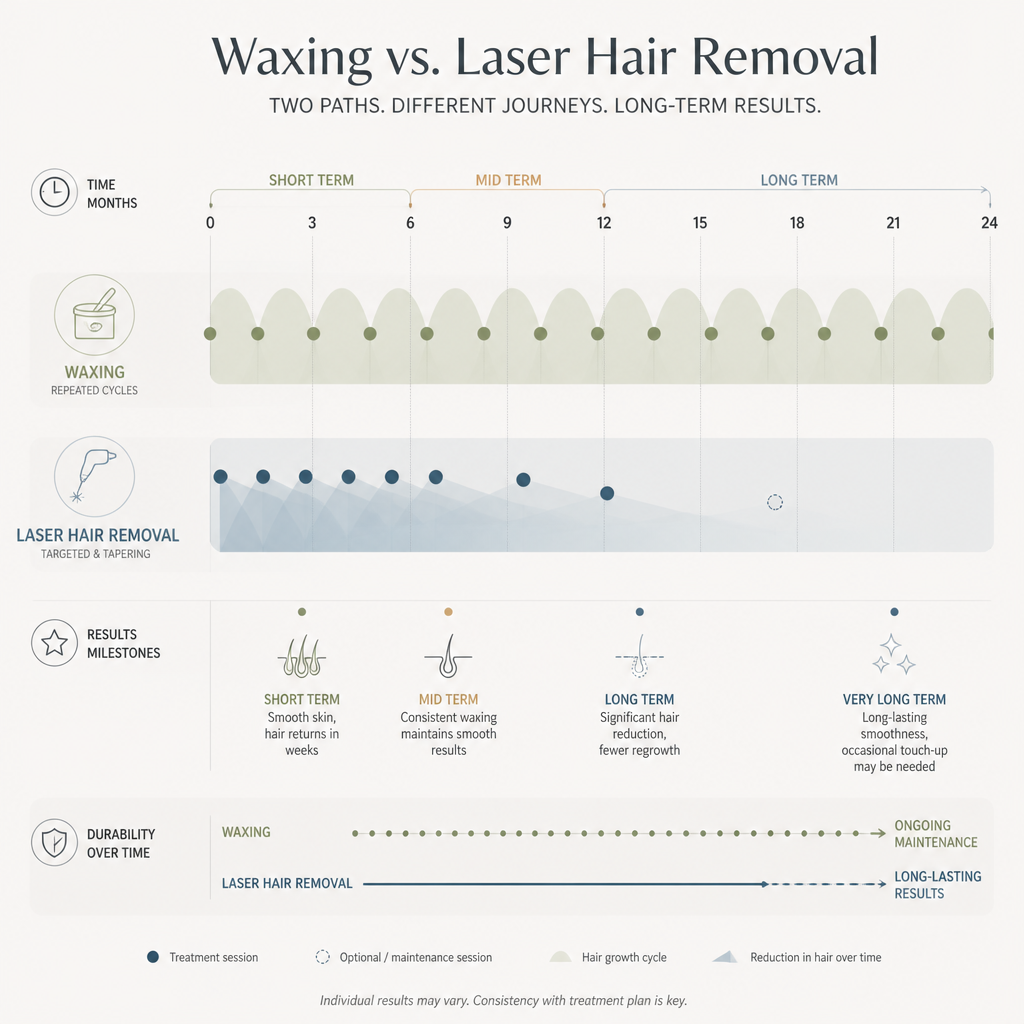
- Results and Timelines: What to Expect
- Who Is Each Method Right For?
- Side-by-Side Comparison
- Frequently Asked Questions
- References
Quick Takeaways
| Key Insight | Explanation |
|---|---|
| Waxing costs more long-term than it appears | At roughly £30 per session booked 8 to 12 times per year, waxing costs between £240 and £360 annually, adding up to over £2,000 across five years without any permanent reduction in hair growth. |
| Laser has a real break-even point | Most clients who switch to laser hair removal reach the financial break-even point within two to three years, after which ongoing hair removal costs are dramatically reduced. |
| Most clients need 6 to 8 sessions | A full course of laser hair removal typically requires 6 to 8 sessions, with hormonal areas like the upper lip and chin sometimes needing up to 10 or more. |
| Waxing causes real skin damage over time | The ripping action of waxing can break hair below the surface, leading to folliculitis, ingrown hairs, and skin tearing, especially for clients with sensitive skin. |
| Laser targets follicles, not skin | Professional laser technology directs energy at the hair follicle itself, leaving surrounding tissue undamaged and reducing the risk of long-term skin irritation. |
| Results after a full course are lasting | Clients who complete a full laser course typically experience 70 to 90% permanent hair reduction, with only occasional maintenance sessions needed annually. |
| Dark hair on lighter skin responds best | Laser is most effective on clients with darker hair and lighter skin, though modern technology covers a wider range of skin tones than older systems did. |
How Each Method Actually Works
Understanding what each treatment is actually doing to your hair is the most important part of this comparison. Most people pick a method based on upfront price and never look further.
Waxing: Removal at the Root, Not Permanent Reduction
Waxing pulls the hair out from the root using hot wax or strip wax applied to the skin. The result is temporarily smooth skin, typically lasting three to six weeks depending on your hair growth cycle. Nothing about the process changes the follicle itself. The hair will grow back, and you will be back in the salon before the month is out.
The process also strips away the top layer of skin cells alongside the hair. This exfoliating effect is sometimes cited as a benefit, but for clients who wax frequently, it also means repeated trauma to the same skin. The ripping action can tear the skin surface and break hairs below the follicle opening, which is where ingrown hairs and folliculitis begin.
Laser: Targeting the Follicle Directly
Laser hair removal uses concentrated light energy to target the melanin in the hair shaft, heating the follicle and disrupting its ability to produce new hair. The surrounding skin tissue is not the target and, with properly calibrated equipment, is not significantly affected. Modern clinical lasers include built-in cooling systems to protect the skin surface during treatment.
Because hair grows in cycles, multiple sessions are required to catch each follicle at the active growth stage. Once treated effectively, those follicles produce significantly finer hair or stop producing hair altogether. This is what makes laser hair removal categorically different from waxing: it does not just delay regrowth, it reduces it permanently over time.
The Real Cost Comparison: UK Prices
This is where the conversation usually gets uncomfortable for people who have been loyal waxing clients for years. The numbers are straightforward, and they rarely favour waxing once you look beyond the next appointment.
What Waxing Actually Costs Across the UK
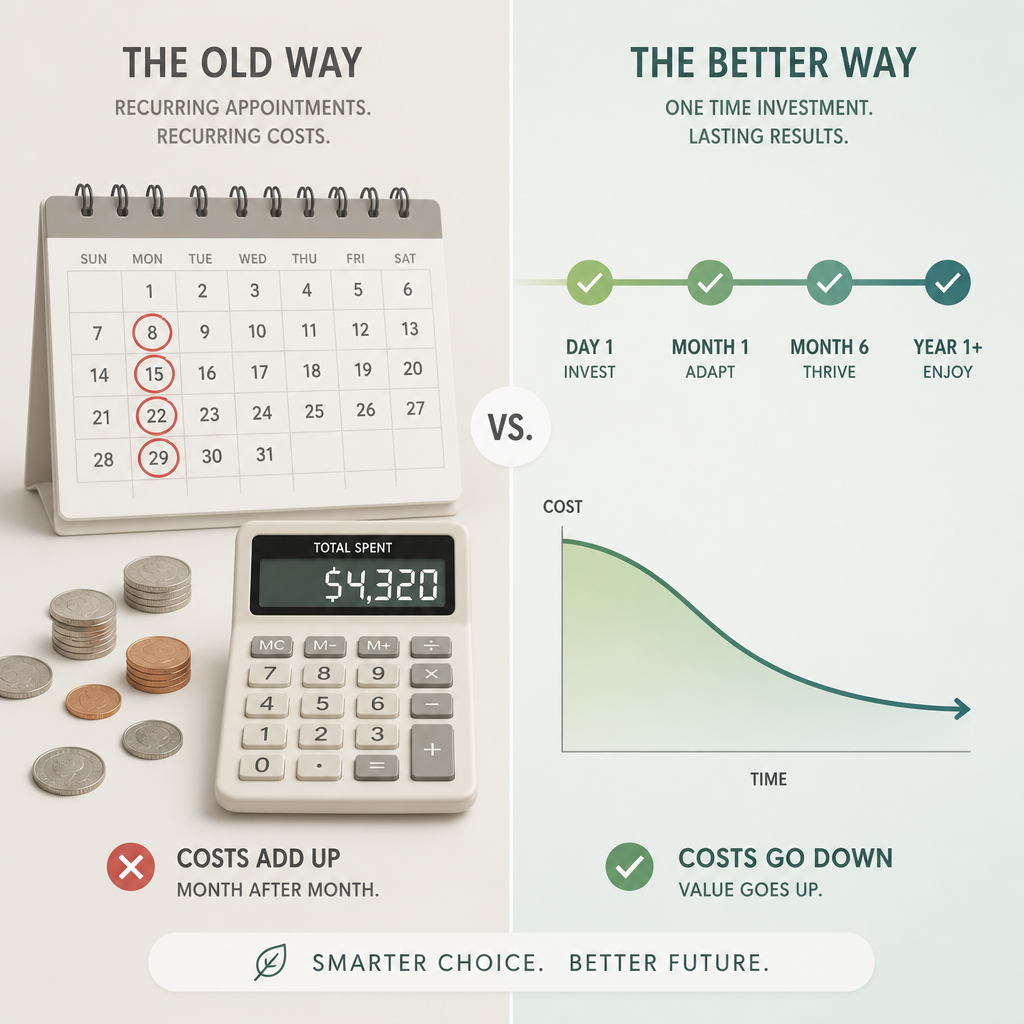
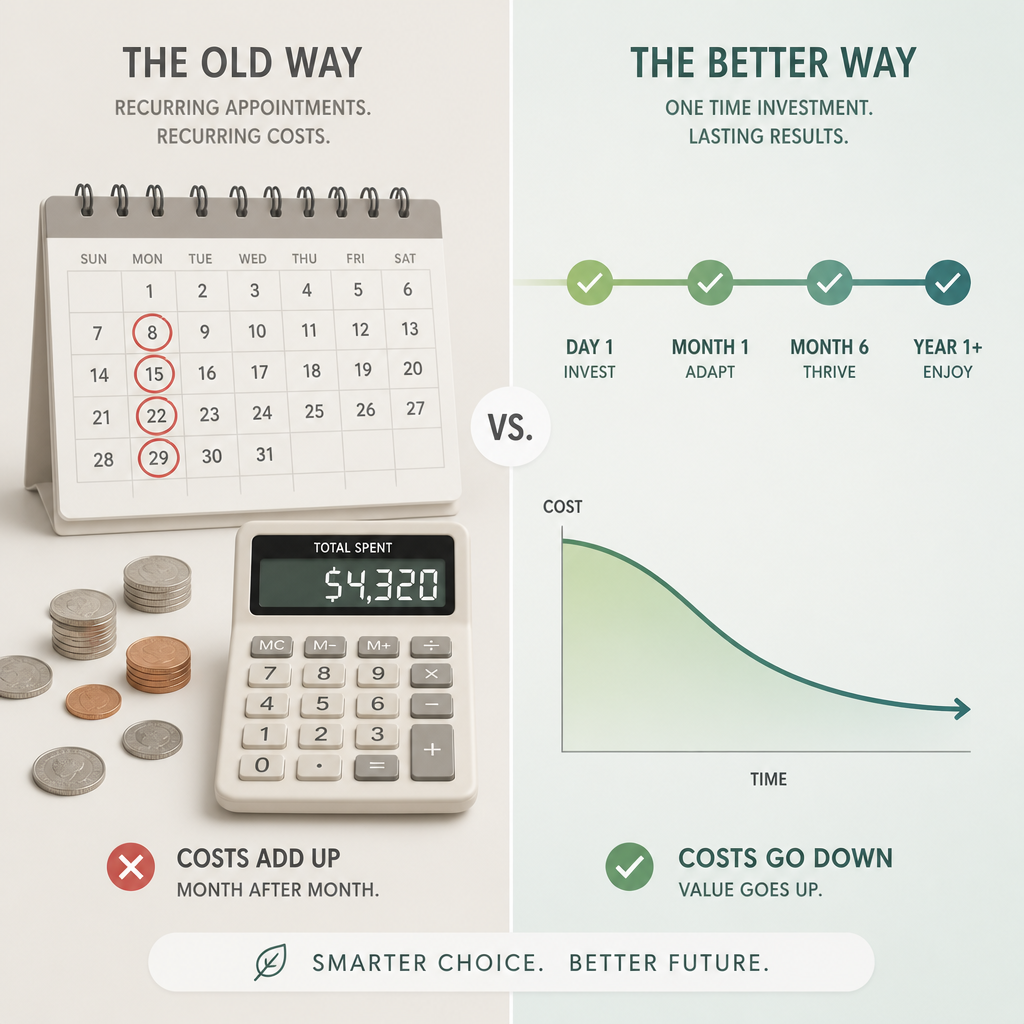
Waxing sessions in the UK are typically priced around £30 for a single area, and most clients book every four to six weeks. That translates to between £240 and £360 per year for one area alone. Across five years, you are looking at over £2,000 spent, all for results that last only a few weeks at a time, with nothing to show for it in terms of permanent reduction.
If you treat multiple areas, underarms, legs, bikini line, face, those costs multiply quickly. Many regular waxing clients spend well above £500 per year without realising it because the cost is distributed across small, frequent payments.
The monthly waxing appointment is not just an expense; it is a subscription service for temporary smoothness. The lifetime cost is far higher than most clients ever stop to calculate.
What Laser Hair Removal Costs in the UK
A full course of laser hair removal for a single area typically ranges from a few hundred to over a thousand pounds depending on the area being treated, the clinic, the technology used, and the number of sessions required. For a full-body course, UK prices generally range from around £2,500 to over £5,000 at established clinics using medical-grade equipment. The important distinction is that this is a one-time investment rather than a recurring cost.
Once the initial course is complete, most clients only need one or two maintenance sessions per year, and many find they need none at all for certain areas. At Faith Laser in Liverpool, affordable packages are built around individual treatment plans so you are not paying for sessions you do not need. That kind of tailored pricing makes the upfront investment considerably more manageable than the headline full-body figure suggests.
Pro tip: Always ask a clinic for a per-area breakdown rather than a full-body quote. Most people only want to treat two or three specific areas, and a targeted course will cost significantly less than the full-body figures you see quoted online.
The Break-Even Point: When Laser Becomes Cheaper
The break-even point for most clients, the moment when the total cost of laser falls below the total cost of continuing to wax, is typically reached within two to three years. After that point, every month you would have spent on waxing is pure saving. Over a decade, the financial advantage of laser over waxing is substantial, often exceeding thousands of pounds, not including the time you get back from skipping regular salon appointments.
Pain and Skin Health: The Honest Picture
Pain is one of the most commonly cited reasons people stick with waxing. The logic goes: laser sounds more intense, so it must hurt more. In practice, that assumption is frequently reversed once clients try both.
The Skin Damage Waxing Causes Over Time
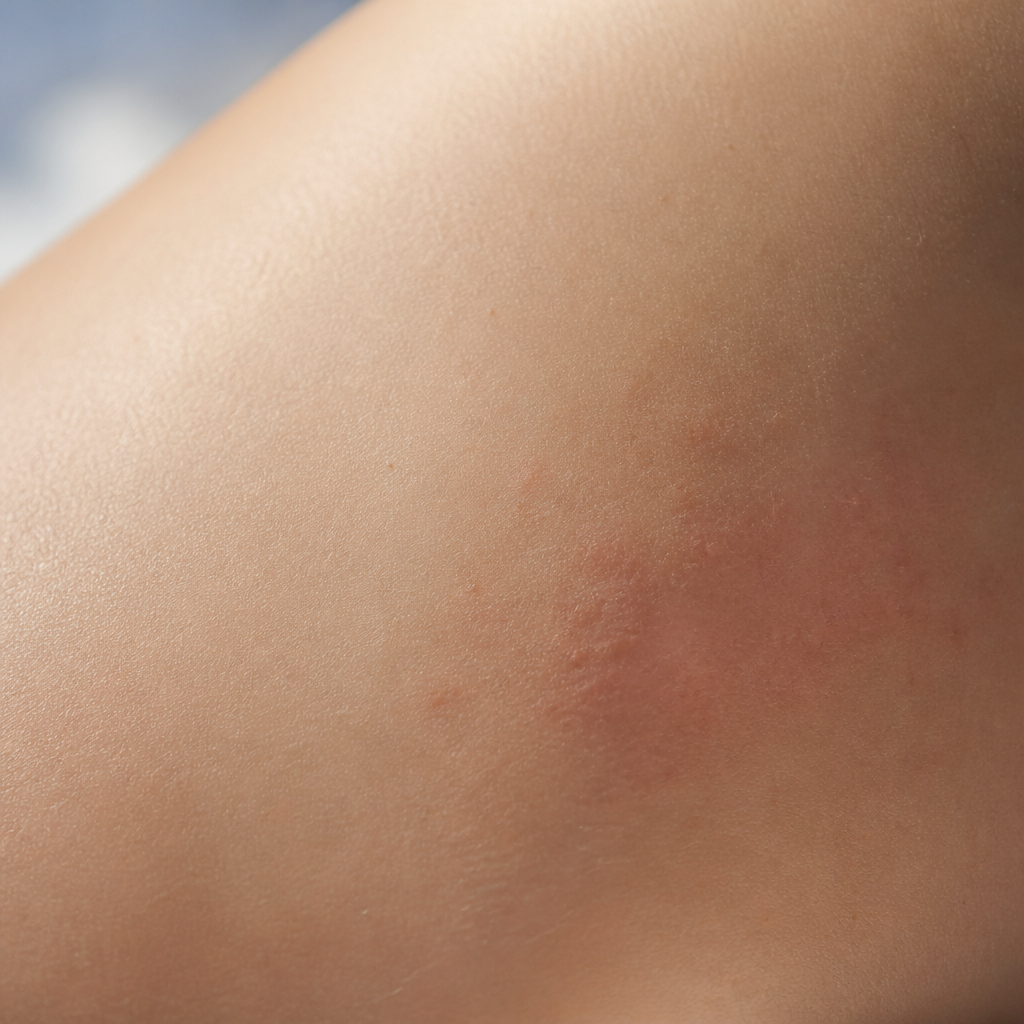
Waxing is known to cause ingrown hairs as a direct result of how it removes hair. The ripping action can break the hair shaft below the surface, causing the hair to become trapped within the pore rather than growing out cleanly. This leads to folliculitis, painful ingrown hairs, and in some cases infected spots, particularly in areas like the bikini line and underarms where skin friction is ongoing.
Repeated waxing over months and years means repeated skin trauma to the same areas. For clients with sensitive skin or conditions like keratosis pilaris, this cycle of removal and inflammation can worsen the skin’s appearance rather than improve it. The exfoliation that feels like a benefit in the short term becomes a liability when done to the same patch of skin twelve times a year.
What Laser Hair Removal Feels Like
Most clients describe laser as a sensation similar to a rubber band flicking against the skin, brief and localised. Modern clinical systems include cooling mechanisms that reduce surface discomfort significantly. The treatment causes temporary redness that typically subsides within a few hours, and there is no equivalent to the prolonged soreness that many people experience after a full-leg or Brazilian wax.
Crucially, the discomfort decreases with each session as hair density reduces. By the third or fourth session, many clients find the treatment barely noticeable in areas they initially found tender. Waxing, by contrast, remains equally uncomfortable every single time because the hair always grows back to the same density.
Pro tip: If pain is your main concern about laser, ask the clinic which cooling system their equipment uses. A well-equipped clinic using current technology, rather than older or cheaper devices, will make a significant difference to your experience during treatment.
Results and Timelines: What to Expect
One of the most common misconceptions about laser hair removal is that results are immediate and total. They are neither, and setting realistic expectations is part of what separates a good clinic from one that just tells you what you want to hear.
How Many Sessions You Actually Need
Most clients require a minimum of 6 to 8 sessions to achieve optimal hair reduction. Hormonal areas like the upper lip and chin often need more, sometimes 8 to 10 or beyond, because hormonal stimulation continues to activate dormant follicles. Larger areas like the back or chest can also run to 10 or more sessions. These sessions are typically spaced four to eight weeks apart to align with the natural hair growth cycle.
After completing the initial course, clients generally experience 70 to 90% permanent hair reduction. Maintenance sessions, usually one or two per year, address any regrowth, which is typically finer and lighter than the original hair. This is a very different picture from waxing, where every single session returns you to square one.
What Affects Your Results
Hair and skin contrast is the biggest factor in how effective laser hair removal will be. Darker hair on lighter skin responds most strongly because the laser targets melanin in the hair, and the contrast makes that targeting precise. Modern technology has significantly expanded the range of treatable skin tones compared to older systems, but a proper consultation and patch test, which is a legal requirement in the UK before any laser treatment, is the only way to determine what is achievable for your specific combination.
Hormonal conditions like PCOS can affect results by continuing to stimulate new hair growth even after existing follicles have been successfully treated. This does not make laser ineffective, but it does mean the ongoing maintenance picture looks different. A good clinic will discuss this with you before you commit to a course.
Who Is Each Method Right For?
Waxing is not without its uses. For someone who wants to try hair removal with no commitment, who is treating a very small area infrequently, or who falls outside the current optimal range for laser technology, waxing remains a practical option. It is also the only choice for anyone who cannot avoid sun exposure in the weeks around treatment, since laser requires sun-protected skin before and after each session.
Laser hair removal is the better investment for almost anyone who is a suitable candidate and wants long-term results. This includes people who are tired of the ingrown hair cycle, those who find regular waxing appointments genuinely disruptive to their schedule, and clients treating high-maintenance areas like the underarms, bikini line, or face, where hair grows densely and regrows quickly. At Faith Laser, treatments cover all of these areas with individually tailored packages, which means you are not buying sessions you do not need.
If you are based in Liverpool and weighing up your options, the combination of professional-grade technology, a relaxed clinical environment, and transparent pricing makes the conversation worth having before your next waxing appointment. A patch test consultation costs nothing and gives you specific information about what laser can achieve for your skin and hair type.
Side-by-Side Comparison
| Factor | Waxing | Laser Hair Removal |
|---|---|---|
| Upfront cost (UK) | Low per session (around £30) | Higher upfront; varies by area and clinic |
| 5-year total cost (one area) | Roughly £1,500 to £2,000+ | Lower once course is complete; minimal maintenance cost |
| Pain level | Moderate to high; consistent every session | Mild to moderate; decreases as hair reduces |
| Duration of results | 3 to 6 weeks per session | Months to years; 70 to 90% permanent reduction after full course |
| Skin health impact | Risk of ingrown hairs, folliculitis, skin tearing | Temporary redness only; no long-term negative skin effects reported |
| Suitable for all skin/hair types? | Yes, works on all skin and hair colours | Best on dark hair; modern technology covers wider skin tone range |
| Commitment required | Ongoing indefinitely | 6 to 10 sessions upfront, then occasional maintenance |
Frequently Asked Questions
Is laser hair removal worth the cost in the UK?
For most clients who are suitable candidates, yes. The upfront investment is higher than a single waxing session, but when you calculate the cumulative cost of waxing over two to five years, laser hair removal typically becomes the cheaper option once the break-even point is reached. Beyond money, the long-term reduction in regrowth and skin irritation makes it worth it for the vast majority of people who complete a full course.
How many laser hair removal sessions will I need?
Most clients need between 6 and 8 sessions to achieve significant permanent reduction. Areas driven by hormonal activity, like the upper lip, chin, or bikini line, sometimes require more. Sessions are usually spaced four to eight weeks apart, and your clinic should be able to give you a realistic estimate based on your specific hair and skin type at your initial consultation.
Does laser hair removal hurt more than waxing?
In most clients’ experience, no. Laser feels like a brief flick against the skin, while waxing involves sustained pulling of hair from the root across a wider area. Modern laser equipment includes cooling systems that further reduce discomfort, and the sensation decreases with each session as hair density reduces. Waxing remains equally uncomfortable every time because the hair always regrows fully between appointments.
Can I switch from waxing to laser hair removal?
Yes, but you need to stop waxing before starting laser. Waxing removes the hair from the root, which is exactly what the laser needs to be present in order to target the follicle effectively. Most clinics advise shaving rather than waxing for at least four to six weeks before beginning a laser course. Your practitioner will confirm the exact timeframe based on the area being treated.
Is laser hair removal safe for sensitive skin?
Professional laser hair removal performed with calibrated, medical-grade equipment is generally safer for sensitive skin than repeated waxing. Waxing strips away the surface of the skin with every session and is a direct cause of ingrown hairs and folliculitis. Laser targets the follicle below the surface without the mechanical trauma that waxing causes. Temporary redness is the most common side effect and typically resolves within a few hours. A patch test, legally required in the UK, should always be done before the first full session.
What areas can be treated with laser hair removal?
Laser hair removal can be used on virtually any body area where unwanted hair grows. Common treatment areas include underarms, legs, the bikini and intimate zones, the upper lip, chin, jawline, back, chest, and stomach. Clinics like Faith Laser in Liverpool offer treatments across all of these areas, with individual packages tailored to the specific zones you want to address.
Will I need maintenance sessions after completing a laser course?
Most clients find they need one or two maintenance sessions per year after completing their initial course, and some find they need none at all in certain areas. Any regrowth after a full course is typically finer and lighter than the original hair. This is a dramatically different picture from waxing, where full regrowth returns within three to six weeks regardless of how long you have been waxing.
Have you made the switch from waxing to laser, or are you still weighing up the decision? Share your experience or questions below and help others in Liverpool who are trying to make the same choice.
References
- Long-term cost analysis of laser hair removal versus waxing in the UK (2024)
- Honest breakdown of whether laser hair removal is worth it using UK prices
- Waxing vs laser hair removal: five-year cost comparison and benefits
- Laser hair removal vs waxing vs shaving: skin health and safety evidence
- UK guide to laser hair removal: skin types, session counts, and patch test requirements