Free Laser Consultation Liverpool: What to Expect
Most people put off booking a laser treatment not because of cost or commitment, but because they genuinely do not know what happens when they walk through the door. If you have been searching for a free laser consultation Liverpool and wondering whether it is just a sales pitch or something genuinely useful, the answer is: it depends entirely on the clinic. At Faith Laser in Liverpool, the free consultation is a structured clinical assessment, not a sales conversation. Here is exactly what happens, why each step matters, and what you should bring with you.
Table of Contents
- Quick Takeaways
- Why a Consultation Matters Before Laser Treatment
- What Happens Step by Step at Your Faith Laser Consultation
- The Patch Test: What It Is and Why the 48-Hour Rule Exists
- Laser Hair Removal vs. Tattoo Removal Consultations Compared
- How to Prepare for Your Faith Laser Consultation
- Frequently Asked Questions
- References
Quick Takeaways
| Key Insight | Explanation |
|---|---|
| The consultation is genuinely free | Faith Laser offers no-cost consultations for both laser hair removal and tattoo removal. There is no obligation to book. |
| A patch test is always required before treatment | The patch test is performed at the consultation and must be completed at least 48 hours before your first full session. This is non-negotiable for safety. |
| Skin and hair type are assessed clinically | Your Fitzpatrick skin type, hair colour, and hair thickness directly influence the laser settings used. This is why every treatment plan at Faith Laser is personalised. |
| Medical history matters more than people expect | Certain medications and conditions affect laser safety and results. Being honest during the consultation protects your skin and your outcome. |
| Tattoo ink colour and skin tone change the approach | Faith Laser uses 3D NanoSure Nano laser technology for tattoo removal. Different ink pigments require different laser parameters, determined at consultation. |
| You leave with a real treatment plan and realistic pricing | Session numbers, area pricing, and package options are all discussed. You will find current prices on the Faith Laser website before you even attend. |
| The technology used is assessed against your needs | Faith Laser uses Triplicity wavelength technology with Crystal Freeze cooling for hair removal. The consultation confirms which settings apply to your specific skin type. |
Why a Consultation Matters Before Laser Treatment
Laser treatment is not a one-size-fits-all procedure. The energy settings, treatment intervals, and number of sessions all change based on who you are, not just which area you want treated. Attending a laser hair removal consultation Liverpool at Faith Laser gives a qualified practitioner the information they need to build a plan that actually works for your skin and hair.
Skipping a proper consultation, or attending one at a provider who treats it as a formality, is a real risk. Without a clinical assessment, laser settings may be miscalibrated for your skin tone or hair colour, which increases the chance of burns, post-inflammatory hyperpigmentation, or simply poor results. A consultation done properly prevents all of that before it starts.
At Faith Laser, the consultation also serves as your chance to ask every question you have, without time pressure. Most people arrive with a list of concerns they have been sitting on for months. The practitioner addresses all of them directly.
What Happens Step by Step at Your Faith Laser Consultation
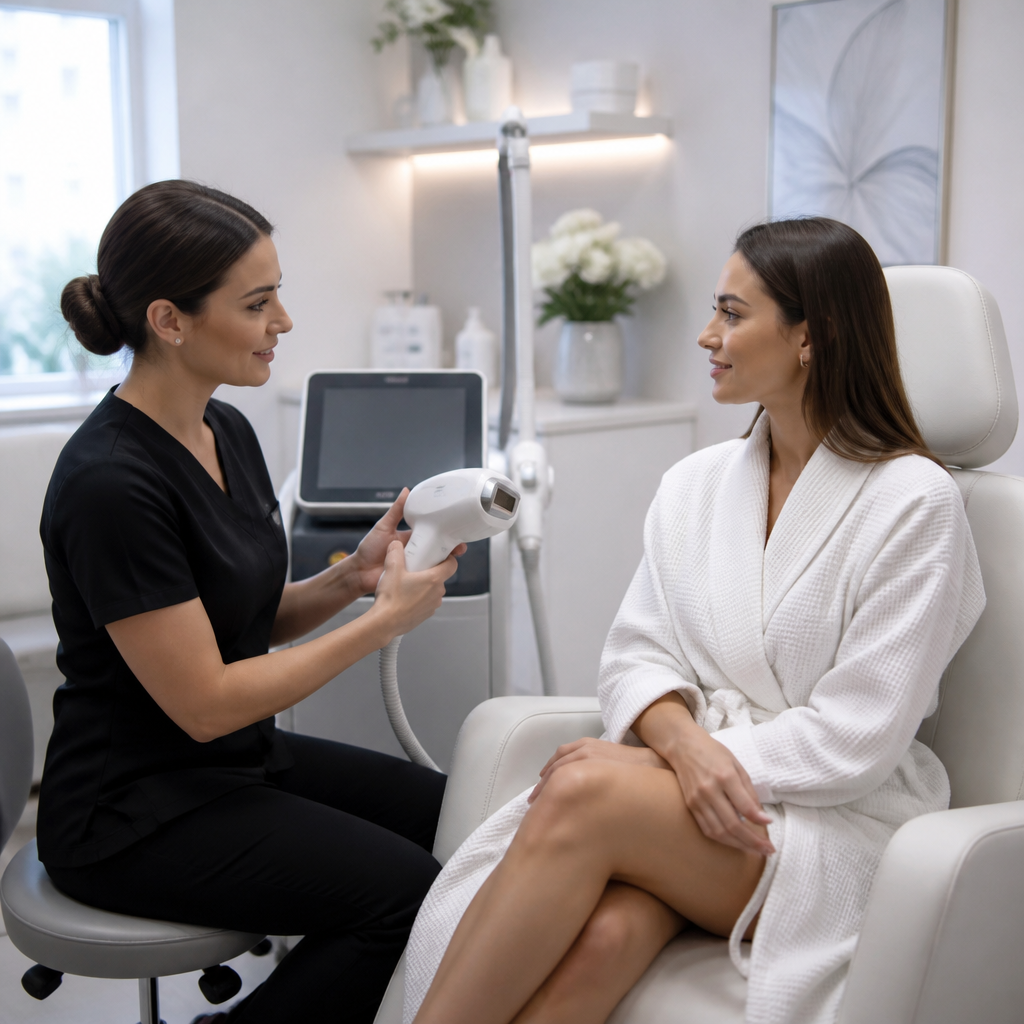
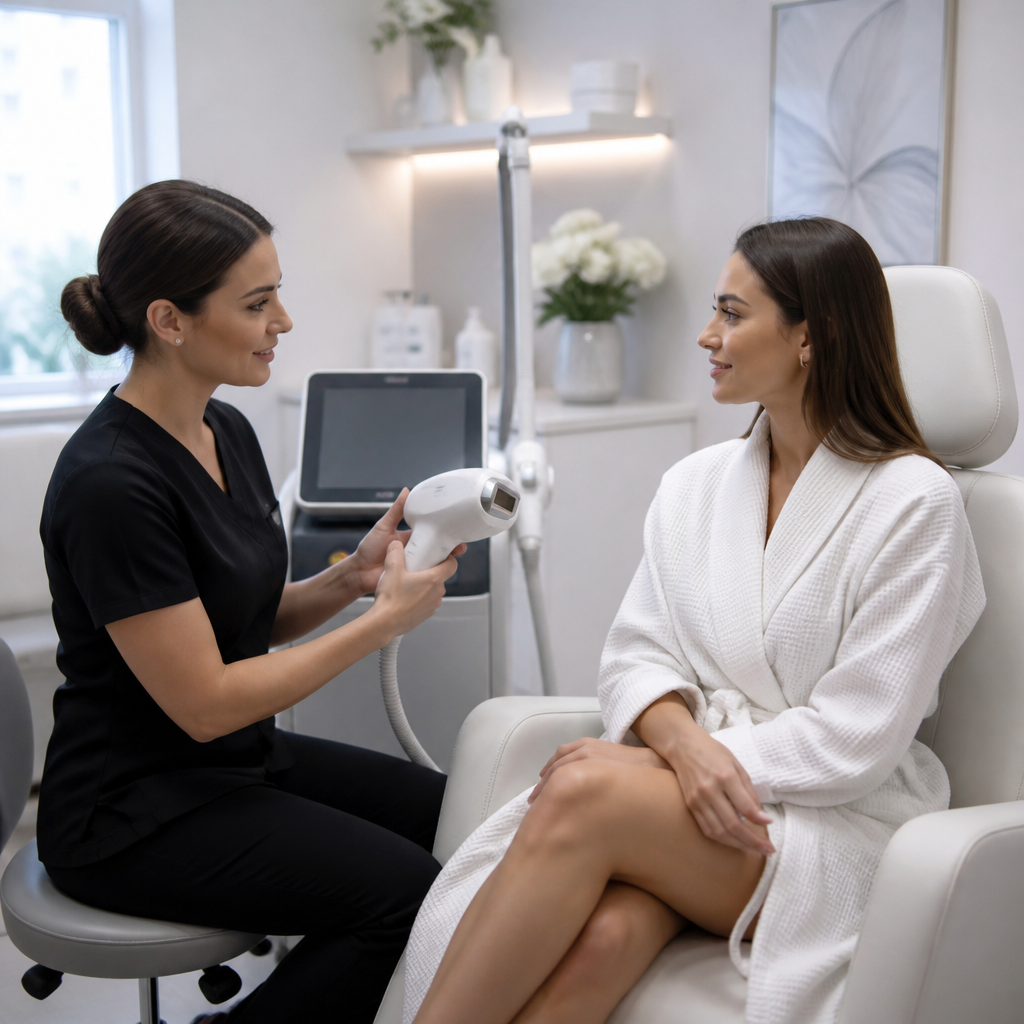
The Faith Laser consultation follows a structured clinical format. It typically runs between 30 and 60 minutes depending on the number of areas you want to discuss. Here is what actually happens during that appointment.
Step 1: Skin and Hair Assessment
Your practitioner will examine the areas you want treated. For laser hair removal, this means evaluating your Fitzpatrick skin type (a standard clinical scale from Type I through to Type VI), your hair colour, and the thickness of the hair follicle. These three factors together determine how the Triplicity wavelength technology needs to be configured to deliver effective results with minimal risk.
Darker hair absorbs laser energy more readily, which generally makes it more straightforward to treat. Lighter or finer hair requires different settings and sometimes different expectations about the final result. Your practitioner will be honest about what is and is not achievable for your specific combination, rather than overpromising and underdelivering.
Step 2: Medical History Review
You will be asked to complete a medical questionnaire. This covers current medications, any known skin conditions, a history of cosmetic treatments, and factors such as recent sun exposure or use of tanning products. Certain medications increase photosensitivity, which can affect how your skin responds to laser energy, and your practitioner needs to know about them before any treatment begins.
Hormonal changes, for example due to certain contraceptives or thyroid conditions, can also affect the consistency of laser hair removal results. Flagging these at the consultation means your treatment plan can account for them from the start.
Step 3: Treatment Plan and Realistic Expectations
Based on your skin and hair assessment and medical history, your practitioner will outline a recommended treatment plan. For laser hair removal, this includes the expected number of sessions, the interval between sessions, and the areas being treated. For tattoo removal using Faith Laser’s 3D NanoSure Nano laser technology, the plan will factor in ink colour, tattoo age, and skin tone, since each of these affects how effectively the laser can break down the pigment.
Faith Laser publishes its pricing transparently. There are no hidden costs introduced at the consultation. Packages and single-session pricing for every treatment area are available on the Faith Laser website, so you can review them before attending.
Pro tip: Write down any questions you have about expected results, downtime, or pain level before your consultation. Practitioners at Faith Laser are used to detailed questions and will give you straight answers, but having them written down means nothing important gets forgotten in the moment.
The Patch Test: What It Is and Why the 48-Hour Rule Exists
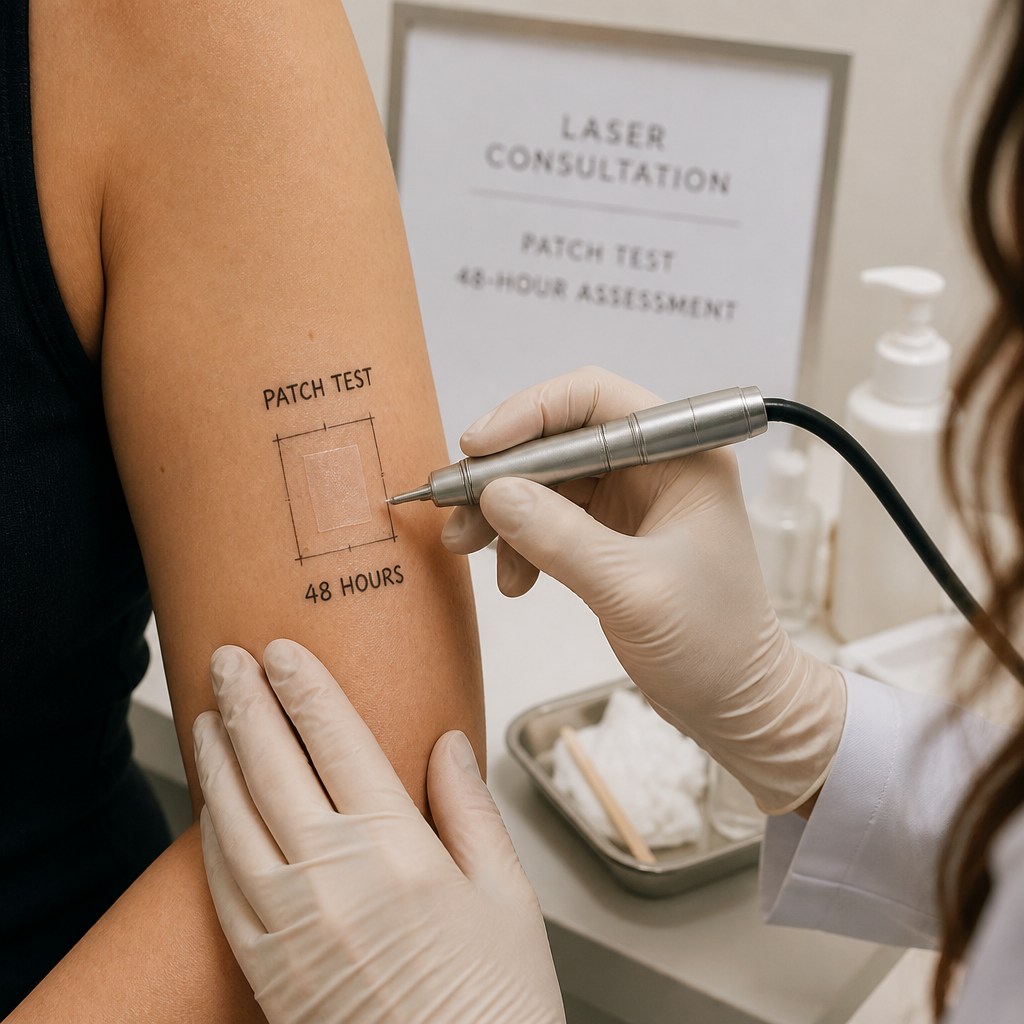
The patch test happens on the same day as your consultation at Faith Laser. It involves the practitioner applying the laser to a small, targeted area of skin at the settings they intend to use for your full treatment. It is not uncomfortable, and it takes only a few minutes.
The reason the 48-hour waiting period between the patch test and your first full treatment is non-negotiable is straightforward: some skin reactions take time to appear. Redness that fades within 30 minutes is normal. A reaction that appears 24 hours later and persists signals that the settings need to be adjusted before a full session is booked. Proceeding without that window means you would not know there was a problem until you were already mid-treatment.
The patch test is the single most protective step in the entire laser treatment process. It confirms the right settings for your specific skin before any full-area treatment begins, and it gives both the client and the practitioner the confidence to proceed safely.
For tattoo removal, the same principle applies. Different ink colours respond differently to the laser, and a patch test on a small section of the tattoo confirms that the laser is breaking down the pigment as expected, without causing scarring or excessive trauma to the surrounding skin. Faith Laser’s 3D NanoSure technology is specifically designed to minimise skin damage, but the patch test is the confirmation that it is performing correctly for your individual case.
Pro tip: Arrive at your consultation with the area you want treated shaved (for laser hair removal) but without any moisturiser, fake tan, or sun lotion applied to that area. This ensures the patch test can be performed accurately and without interference from topical products.
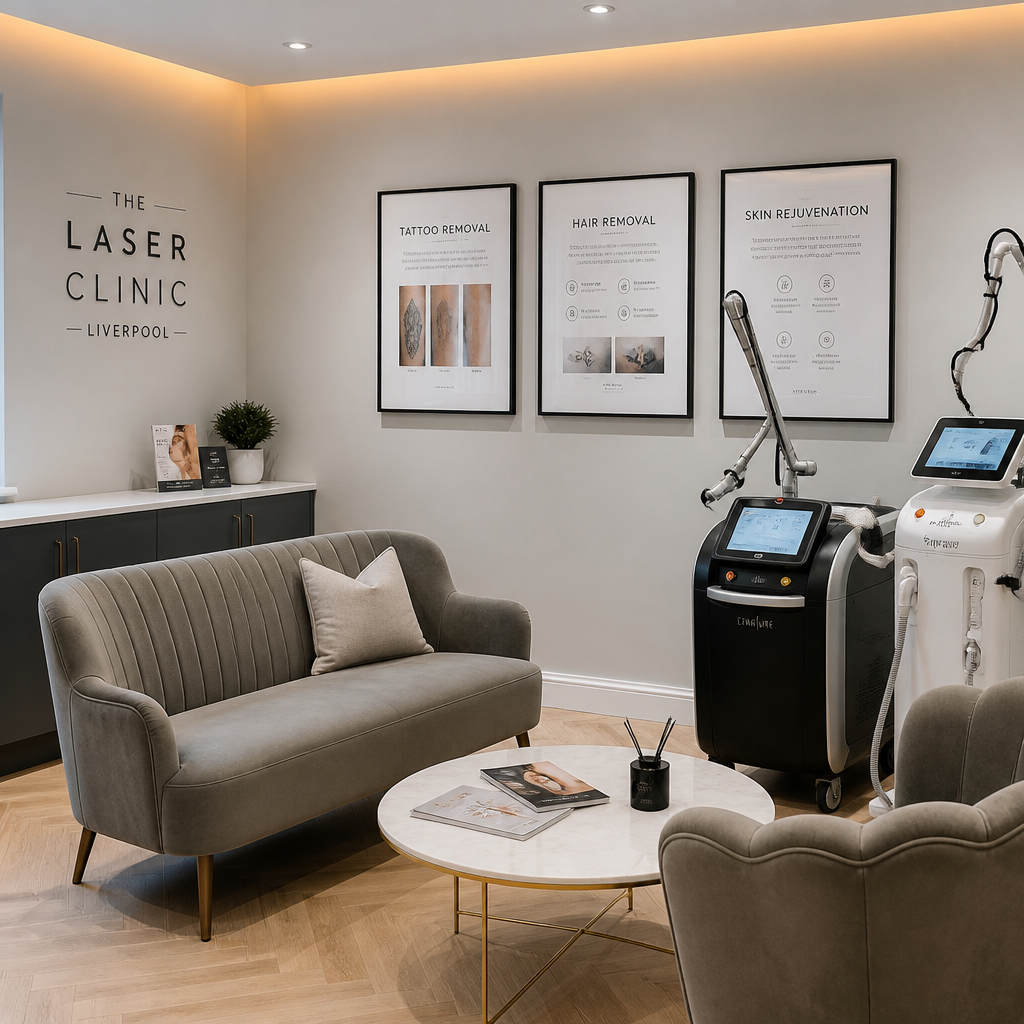
Laser Hair Removal vs. Tattoo Removal Consultations Compared
Both consultations at Faith Laser follow the same clinical structure, but the specific questions, assessments, and treatment considerations differ in important ways. Understanding this distinction helps you prepare the right information before attending.
| Factor | Laser Hair Removal Consultation | Tattoo Removal Consultation |
|---|---|---|
| Technology assessed | Triplicity wavelength with Crystal Freeze cooling system | 3D NanoSure Nano laser technology |
| Key variables evaluated | Fitzpatrick skin type, hair colour, hair thickness, area size | Ink colour, ink depth, tattoo age, skin tone |
| Patch test location | A small section of the area to be treated (e.g., a strip of the underarm or bikini line) | A small section of the tattoo itself |
| Session estimate at consultation | Typically 6 sessions discussed as a starting framework, spaced at intervals based on hair growth cycles | Variable, based on tattoo complexity. Faith Laser achieves complete removal in 98% of cases |
| Pricing discussed | Per-session and package pricing by area (face, underarms, legs, intimate zones, etc.) | Per-session and course-of-6 pricing by tattoo size (extra small through extra large) |
| Additional treatments available | SPMU removal also available for clients with permanent makeup | Laser pigmentation removal and laser mole removal also available |
How to Prepare for Your Faith Laser Consultation
Preparation for a consultation is simple, but getting it right means your patch test can happen on the same day rather than being rescheduled. Here is what to do in the days leading up to your appointment.
For Laser Hair Removal
Shave the area you want treated 24 to 48 hours before your consultation. Do not wax, pluck, or use depilatory creams in the weeks prior, as these remove the hair follicle from the skin, which is what the laser needs to target. Avoid sun exposure and self-tan products on the treatment area for at least two weeks before attending. If your skin is actively tanned at the time of consultation, the patch test may still be performed, but treatment settings will need to account for increased melanin levels.
For Tattoo Removal
Keep the tattoo area moisturised in the days before your consultation, and avoid sun exposure on that area. If you have had any previous laser attempts on the tattoo at another provider, bring any records you have of the settings used or the number of sessions completed. This helps your Faith Laser practitioner understand where you are in the removal process and calibrate the 3D NanoSure technology appropriately.
What to Bring
Bring a list of any current medications, including supplements and hormonal contraceptives. If you have known skin conditions such as eczema, psoriasis, or a history of keloid scarring, mention these immediately at the start of the consultation. None of these are automatic contraindications, but they are factors your practitioner needs to know to design a safe plan.
Faith Laser is located at 59 Crosby Road North, Liverpool, with contact available via phone at 0151 928 6087 or email at info@faithlaser.co.uk. Booking your free consultation can also be done directly through the Faith Laser website.
Frequently Asked Questions
Is the consultation at Faith Laser genuinely free with no obligation?
Yes. The consultation and patch test at Faith Laser are both free of charge. There is no requirement to book a course of treatment or pay a deposit to attend. The consultation exists to ensure the treatment is right for you, and you are under no pressure to commit during or after the appointment.
How long does the consultation and patch test take?
Most consultations run between 30 and 60 minutes. The patch test itself takes only a few minutes. The majority of the appointment is spent on the skin and hair assessment, medical history review, and discussing your treatment plan and realistic expectations for results.
Can I have my treatment on the same day as the consultation?
No. Faith Laser requires a minimum of 48 hours between the patch test and your first full treatment session. This waiting period is a clinical safety requirement, not an administrative inconvenience. It gives enough time to observe whether any delayed skin reactions occur before proceeding with a full-area treatment.
What if the consultation shows I am not suitable for laser treatment?
A practitioner who tells you that you are not currently suitable for treatment is doing their job properly. Contraindications such as certain medications, active skin conditions, or pregnancy may mean treatment needs to be postponed rather than cancelled permanently. Your practitioner will explain the reason clearly and advise when it may be appropriate to return.
Do I need separate consultations for laser hair removal and tattoo removal?
If you want both laser hair removal and tattoo removal, these can be discussed at the same consultation. The assessments are different because the technologies and variables involved differ significantly, but Faith Laser can cover both during a single visit and will perform patch tests for each treatment area or tattoo section as needed.
What areas can be covered in a laser hair removal consultation at Faith Laser?
All treatment areas can be discussed at the consultation, including the face (upper lip, chin, sideburns, hairline), underarms, bikini and Hollywood, legs, arms, and body areas. SPMU removal for permanent makeup is also available. There is no need to book separate consultations for multiple areas.
How do I book a free consultation at Faith Laser Liverpool?
You can book by visiting the Faith Laser website at faithlaser.co.uk, by calling the clinic on 0151 928 6087, or by emailing info@faithlaser.co.uk. The clinic is based at 59 Crosby Road North, Liverpool. Faith Laser also takes enquiries via its Instagram and Facebook pages for anyone who prefers to message first.
If you have attended a consultation at Faith Laser or have questions about what to expect before you book, share your experience or ask in the comments below.
We would love your feedback and any insights you would share with others. What perspective would you add?
References
- Why patch tests are essential for laser hair removal and tattoo removal, from Faith Laser Liverpool
- Faith Laser tattoo removal Liverpool: pricing, patch test requirements, and treatment information
- Faith Laser laser hair removal Liverpool: full pricing by treatment area
- Laser hair removal consultation guidance from the American Society of Plastic Surgeons
- What happens in a laser hair removal consultation and patch test: clinical guidance overview