Free Laser Consultation Liverpool: A First-Timer’s Guide
Most people who book a free laser consultation in Liverpool have no idea what actually happens in the room. They picture a hard sell, a lot of medical jargon, and maybe a laser pointed at them before they have agreed to anything. In practice, a well-run consultation is exactly the opposite: it is a structured, unhurried conversation with a trained practitioner who is assessing whether laser treatment is right for you, not just filling appointment slots. If you are considering laser hair removal, tattoo removal, or both at Faith Laser, this guide walks you through every step, so you can walk in prepared and walk out with a clear treatment plan.
Table of Contents
- What a Free Laser Consultation Actually Is
- Quick Takeaways
- Before You Arrive: How to Prepare
- The Medical History Review
- Skin and Hair Assessment: The Fitzpatrick Scale Explained
- The Patch Test: What It Is and Why It Matters
- Tattoo Removal Consultations: What Is Different
- Your Treatment Plan and Pricing
- Questions to Ask Before You Leave
- Frequently Asked Questions
- References
What a Free Laser Consultation Actually Is
A free laser consultation is a pre-treatment appointment, usually lasting 30 to 60 minutes, during which a qualified practitioner reviews your goals, assesses your skin and hair profile, and determines whether laser treatment is suitable for you. It is not a sales pitch dressed up as medical advice. At a reputable clinic like Faith Laser, the consultation exists first and foremost to protect you.
The word “free” sometimes makes people suspicious, as though a catch is hiding somewhere. There is no catch. The reason clinics offer this without charge is straightforward: treating someone whose skin type, medication, or medical history makes laser therapy unsuitable would cause harm and damage the clinic’s reputation. Screening costs the clinic time but saves everyone a much larger problem.
Pro tip: Book your consultation for a time when you are not rushing. If you feel pressured to decide mid-appointment, that is a red flag about the clinic, not a reason to skip the consultation entirely.
Quick Takeaways
| Key Insight | Explanation |
|---|---|
| Consultations are about safety, not selling | The practitioner is assessing whether laser treatment is medically appropriate for your skin type, hair colour, and health history before any commitment is made. |
| Your Fitzpatrick skin type determines laser settings | Practitioners use this six-point scale to identify your melanin levels and select the correct laser wavelength and energy output to avoid burns or pigmentation changes. |
| A patch test is not the same as the consultation | The consultation covers your history and suitability; the patch test then applies laser to a small skin area to check your physical reaction before a full session begins. |
| Stop waxing and plucking before your appointment | Laser targets the hair follicle. Removing the root by waxing or plucking at least four to six weeks beforehand means there is nothing for the laser to target effectively. |
| Tattoo removal consultations assess ink colour and skin type together | Different ink pigments absorb different laser wavelengths. A multi-colour tattoo may require a different approach than a single-colour one, and this is discussed at consultation. |
| Bring a list of your current medications | Some medications, including certain antibiotics and acne treatments, increase photosensitivity, which directly affects whether treatment can proceed safely. |
| You are not obligated to book on the day | A good practitioner will give you time to think. If you feel pressured to commit immediately, take that as useful information about how that clinic operates. |
Walking into your first consultation informed makes a genuine difference to the quality of the conversation you have with your practitioner. The more you share about your skin history, lifestyle, and treatment goals, the more precisely they can tailor a plan to your needs, rather than offering a generic package that may not suit you.
Before You Arrive: How to Prepare
Preparation is practical, not complicated. The main principle is that your skin should be in its natural state so the practitioner can assess it accurately.
What to do in the weeks before
Avoid tanning, whether from sun exposure or sunbeds, for several weeks before your consultation. Tanned skin contains more active melanin, which changes how the laser interacts with your skin and may affect the settings your practitioner selects. If you are coming in for laser hair removal, stop waxing, plucking, or using depilatory creams at least four to six weeks beforehand. Shaving is fine and does not remove the follicle, so the laser still has a viable target.
What to do on the day
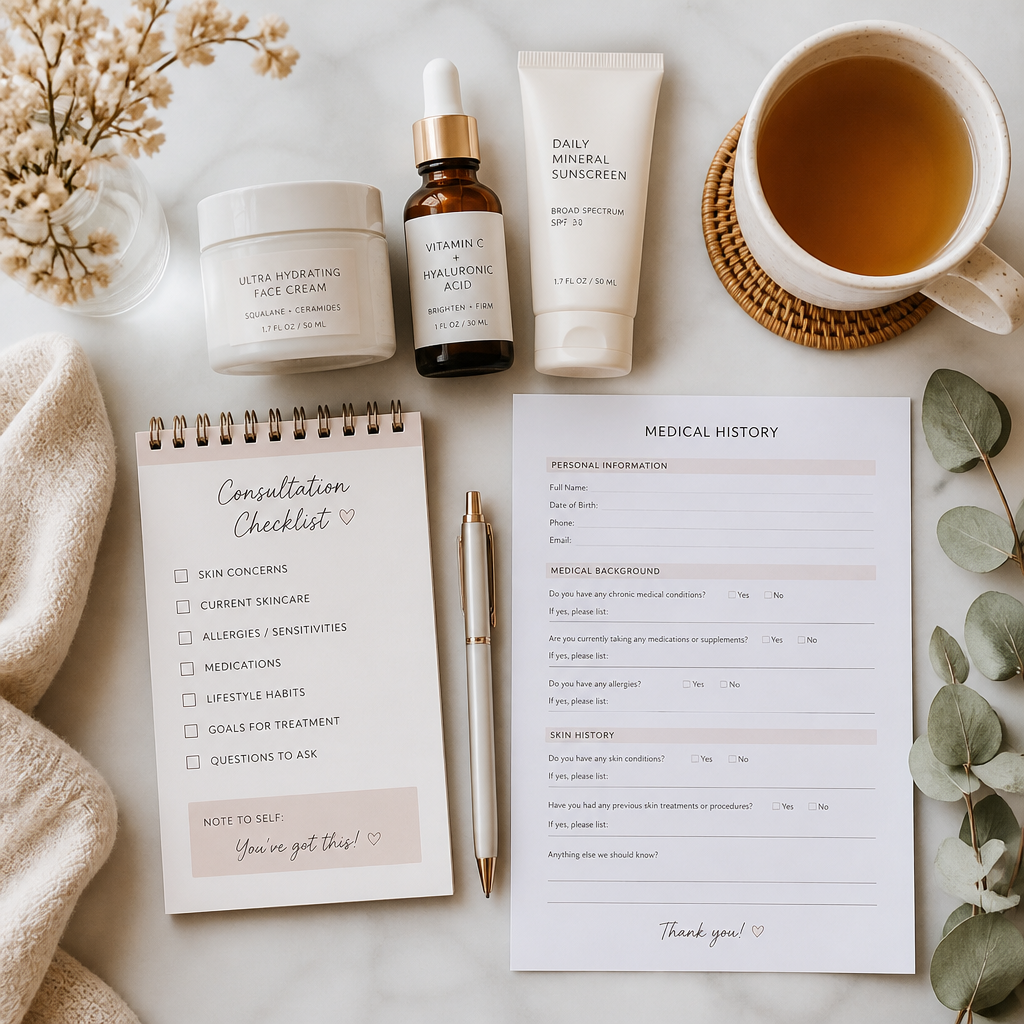
Arrive with the treatment area clean and free from moisturiser, self-tan, or make-up. If you are having a facial area assessed, skip foundation and skincare products on the relevant zones. Bring any prescribed or over-the-counter medications you take regularly, or at minimum a written list of them. Certain antibiotics, retinoids, and acne medications significantly increase photosensitivity, and your practitioner needs to know about these before they can safely plan your treatment.
Pro tip: Shave the area you want treated 24 to 48 hours before a laser hair removal consultation. This gives the practitioner a clear view of the hair growth pattern and follicle density without requiring a long root to be present.
The Medical History Review
The first part of most consultations involves paperwork or a verbal review of your medical history. This is not box-ticking. Certain conditions and medications are direct contraindications to laser treatment, meaning treatment either cannot proceed or must be adapted significantly.
Conditions your practitioner will ask about
Expect questions about active skin infections, a history of cold sores around the treatment area, recent cosmetic procedures such as dermal fillers or Botox, keloid scarring tendencies, and conditions that affect how your immune system or skin heals. If you have recently had surgery near the target area, that will also come up.
Pregnancy is another standard question. Most clinics, including Faith Laser, will not perform laser treatments during pregnancy as a precaution, even though direct evidence of harm is limited. The conservative approach is the right one here.
Why honesty matters more than you think
Some clients omit information they consider irrelevant, or worry that a health condition will disqualify them from treatment entirely. In practice, a disclosed condition usually leads to a modified plan rather than a flat refusal. Undisclosed information that surfaces after a reaction is a more serious problem. A practitioner who knows your full picture can make genuinely informed decisions. One who does not cannot protect you properly.
The consultation is where trust is built. A practitioner worth booking with will spend more time listening to your answers than talking about their packages.
Skin and Hair Assessment: The Fitzpatrick Scale Explained
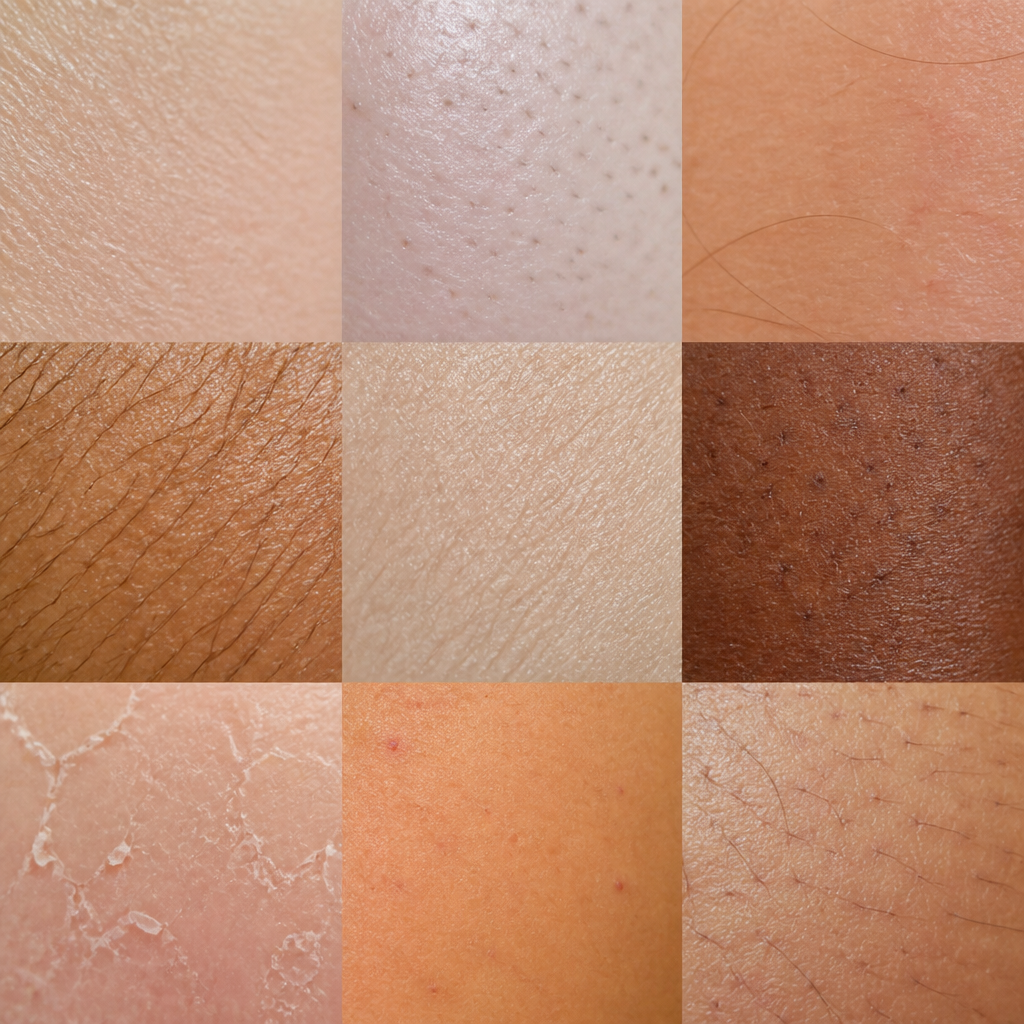
One of the most important clinical tools used at any laser consultation is the Fitzpatrick scale, a six-point classification system that describes how different skin types respond to ultraviolet light. Understanding where you sit on this scale is fundamental to safe laser treatment, because melanin, the pigment in your skin and hair, is what absorbs the laser energy.
Skin types I to III, which range from very fair to medium skin, are generally considered straightforward for most laser devices. Types IV to VI, covering olive through dark and deeply pigmented skin, require more careful selection of laser wavelength and energy settings. Higher melanin levels in the skin itself mean that standard settings carry a greater risk of burns, blistering, or post-inflammatory hyperpigmentation if not correctly adjusted.
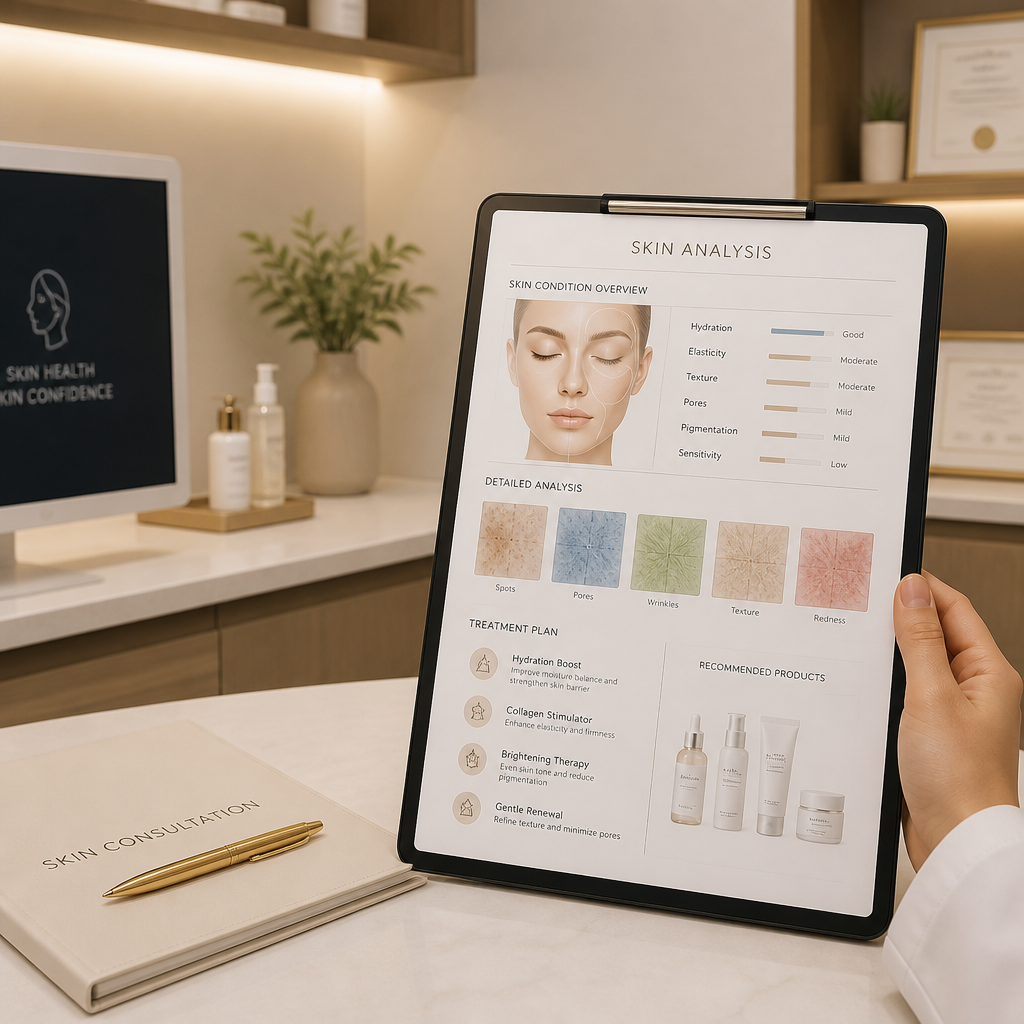
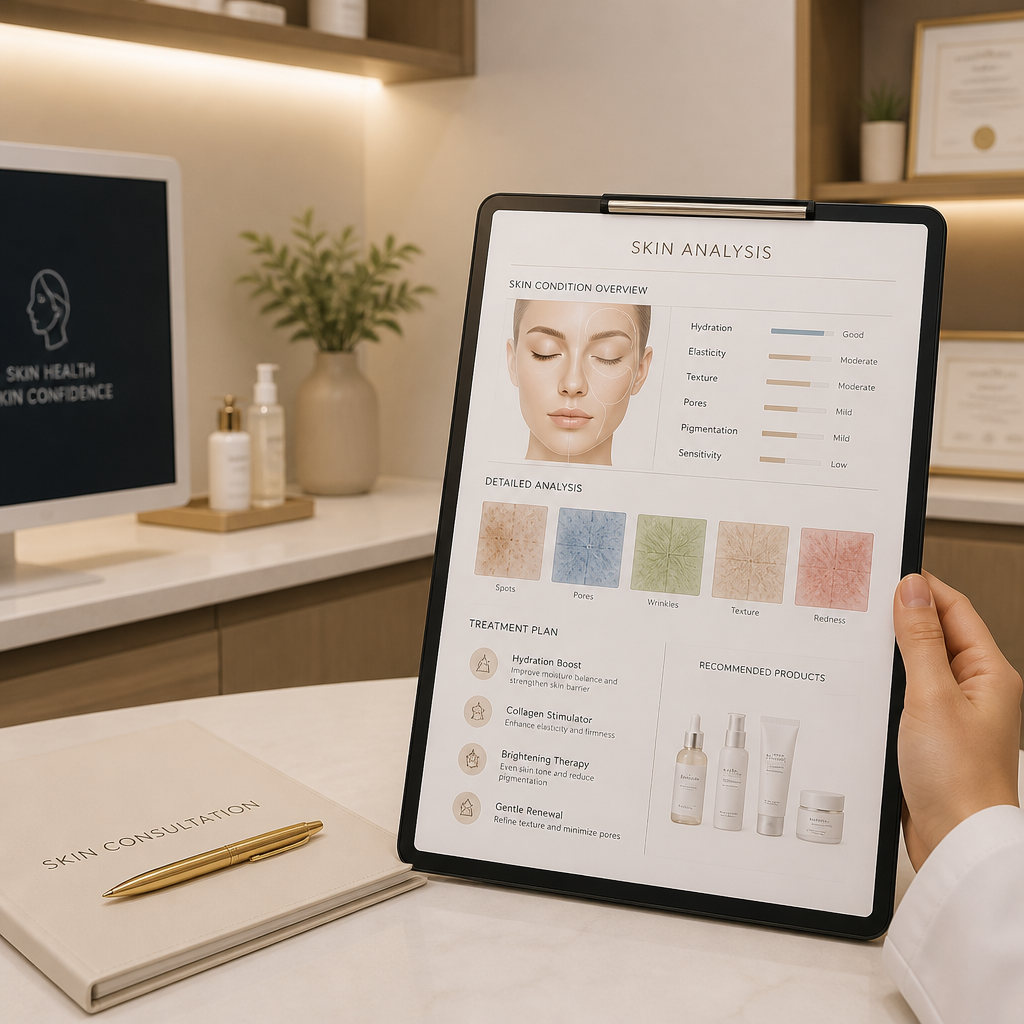
Your practitioner will assess your Fitzpatrick type through a brief questionnaire covering your natural skin colour, hair and eye colour, and how your skin historically reacts to sun exposure. They will also visually examine the treatment area. This assessment directly determines which laser parameters are safe and effective for you, which is why no two clients leave with identical settings even if they are being treated on the same area.
Hair colour also matters. Laser energy targets melanin in the follicle, which means it works best on dark hair against lighter skin. Very fair, grey, or white hair contains little melanin, making it harder to treat effectively. Your practitioner will be straightforward with you about this at consultation, which is far better than discovering it after several paid sessions.
The Patch Test: What It Is and Why It Matters
The patch test is distinct from the consultation itself. Once the consultation has established that treatment is suitable in principle, a patch test applies the laser to a small, defined area of your skin, typically a section around 10 by 5 centimetres in the target zone, to observe how your skin responds before committing to a full session.
What the patch test checks
The patch test allows the practitioner to confirm the appropriate energy settings for your specific skin and hair combination, to check for any immediate adverse reaction such as excessive redness or swelling, and to give you a first-hand experience of the sensation involved. Most people describe laser hair removal as feeling like a brief flick of a rubber band against the skin. Experiencing that in a controlled, small area before a full treatment removes the uncertainty.
How long before treatment can begin
After a patch test, clinics typically ask you to wait around one week before beginning a full treatment course. This allows time to observe any delayed skin reaction that did not appear immediately. If everything looks clear at your follow-up check, your first full session can be booked.
At Faith Laser, the consultation and patch test process is handled without rushing you. This is one area where a clinic’s approach tells you a great deal about how your ongoing treatment will be managed. If a clinic skips the patch test entirely, that is a serious concern regardless of how confident the practitioner sounds.
Tattoo Removal Consultations: What Is Different
If you are coming in to discuss tattoo removal rather than, or in addition to, laser hair removal, the consultation follows the same general structure but with additional assessment steps specific to your tattoo.
What the practitioner evaluates
The practitioner will assess the size, location, age, and colour composition of the tattoo. These factors collectively determine how many sessions are likely to be needed, which laser wavelengths are appropriate, and what realistic outcomes you can expect. A professionally applied black ink tattoo on the forearm of someone with light skin is a very different clinical picture from a multi-colour amateur tattoo on a darker skin type.
Older tattoos generally respond faster to removal than newer ones because the ink has already begun to fragment naturally over time. Tattoos with dense, layered ink take longer. Colours matter significantly: black and dark blue absorb the broadest range of laser wavelengths and tend to clear most reliably. Greens, yellows, and light blues are more resistant and may require specific wavelengths to target effectively.
Setting realistic expectations
A good practitioner will give you an honest estimate of the number of sessions required, not a one-size answer. Faith Laser uses advanced laser technology achieving up to 98% effectiveness for complete tattoo removal, but the number of sessions needed varies based on all the factors above. Understanding this at consultation prevents disappointment and allows you to plan your treatment schedule properly. Any clinic that promises full removal in a specific number of sessions before seeing your tattoo is overselling.
| Factor | Laser Hair Removal Consultation | Tattoo Removal Consultation |
|---|---|---|
| Primary assessment | Fitzpatrick skin type and hair colour/density | Ink colour, tattoo age, size, and skin type |
| Contraindication review | Medications, tanning history, active skin conditions | Same, plus keloid tendency and tattoo location near eyes |
| Patch test | Standard requirement before first full session | Standard requirement; tests reaction to specific wavelength |
| Session estimate | Typically 6 to 8 sessions spaced 4 to 6 weeks apart depending on area | Varies widely; discussed honestly based on individual tattoo assessment |
| Expected sensation | Brief, snapping warmth; most clients tolerate well | More intense than hair removal; cooling measures used during treatment |
Your Treatment Plan and Pricing
By the end of the consultation, you should leave with a written or clearly communicated treatment plan that covers the recommended number of sessions, the interval between them, any pre-treatment instructions, and the cost breakdown. Faith Laser offers affordable packages tailored to individual needs, which means pricing is discussed in direct relation to your specific treatment areas rather than presented as a fixed menu.
Be wary of any consultation that ends with a same-day pressure offer designed to push you into booking before you have had time to think. Genuine clinics want you to feel certain before you start, because a client who understood and chose the treatment is a much better outcome than one who felt pressured. If you want to go away, compare options, and return, a reputable clinic will respect that completely.
One comparison worth making before you commit: some Liverpool competitors have longer waiting times and less personalised appointment structures. Faith Laser’s approach centres on unhurried consultations and a relaxed clinical environment, which makes a meaningful difference if this is your first time at a laser clinic.
Questions to Ask Before You Leave
A common mistake first-timers make is leaving the consultation without asking the questions they actually had. The appointment can feel overwhelming with new information, so having a short list prepared in advance is worth doing.
The most useful questions to ask your practitioner include: How many sessions do you estimate for my specific skin and hair type? What can I realistically expect in terms of permanent reduction versus complete removal? What are the most common side effects for this treatment area, and how are they managed? What should I avoid between sessions? How will we adjust the plan if my skin reacts differently than expected?
These are not difficult or challenging questions. Any experienced practitioner will answer them directly and confidently. Vague or dismissive answers to straightforward safety questions tell you something important about how your ongoing care will be managed.
Pro tip: Write your questions down before the appointment. It sounds obvious, but the clinical environment and volume of information shared means most first-timers forget at least two things they intended to ask.
Frequently Asked Questions
How long does a free laser consultation at Faith Laser take?
Most consultations last between 30 and 60 minutes. The length depends on how many areas you want to discuss and the complexity of your medical history. If you are enquiring about both laser hair removal and tattoo removal, allow for the longer end of that window to ensure both assessments are thorough.
Do I need to do anything special to prepare my skin before the consultation?
Arrive with the treatment area clean and free from moisturiser, self-tan, and make-up. Avoid sun exposure and sunbeds in the weeks leading up to your appointment. If coming for a laser hair removal consultation, shave the target area 24 to 48 hours beforehand, and stop waxing or plucking at least four to six weeks in advance so the follicle is intact.
Will the patch test happen at the same appointment as the consultation?
This varies by clinic. At many clinics, the patch test happens during or immediately after the initial consultation, with the understanding that you will wait approximately one week before your first full treatment session. Your practitioner at Faith Laser will confirm the exact process during your booking.
Can I have laser treatment if I have dark skin?
Yes, in many cases. The Fitzpatrick scale assessment carried out during consultation allows your practitioner to identify the correct laser wavelength and settings for darker skin tones. Higher melanin content requires more careful parameter selection, not an automatic disqualification from treatment. Be straightforward with your practitioner about your skin’s history of reacting to UV exposure, as this informs a safer and more effective treatment plan.
What happens if the consultation reveals I am not suitable for laser treatment?
The practitioner will explain why and may suggest a review after a specific period, for example once a medication course has ended, or may point you toward an alternative approach better suited to your situation. A consultation that concludes with “not right now” is still a valuable appointment: it prevents you from undergoing a treatment that would not have worked safely for you at that point.
Is Faith Laser’s free consultation genuinely free with no obligation to book?
Yes. The consultation is offered at no charge and with no obligation to commit to a treatment course on the day. The purpose of the appointment is to assess suitability and build an honest treatment plan, not to secure a booking. You are free to take the information away, compare your options, and return when you feel ready.
If you have already been through a laser consultation and have questions about what yours covered, or if something felt off about how it was handled, share your experience in the comments below. Your account may help another first-timer know what to expect and what to look out for.
References
- How the Fitzpatrick scale is used in laser hair removal consultations and patch testing
- What to expect from a laser hair removal patch test before starting treatment
- How to prepare for your first laser tattoo removal session
- A complete guide to what happens during a laser hair removal consultation
- The Fitzpatrick skin type chart and its clinical applications for laser treatment