
Laser Hair Removal Between Sessions: Do’s and Don’ts
Most people who book laser hair removal in Liverpool expect the hard part to be the appointment itself. In practice, the weeks between sessions decide how smoothly treatment goes and how many sessions you end up needing. A few habits quietly undermine results, while others cost nothing and keep the skin calm. This guide covers what to do, what to avoid, and why the way you treat your skin between sessions matters as much as the laser itself.
Table of Contents
- Quick Takeaways
- What Happens to Your Skin After a Session
- The Do’s: Caring for Treated Skin Between Sessions
- The Don’ts: What to Avoid
- Shaving, Waxing, and Plucking Between Sessions
- Underarms, Bikini Line, and Facial Treatments
- Session Spacing and Hair Growth Cycles
- Skin Tone and Pigmentation Changes
- Frequently Asked Questions
- References
Quick Takeaways
| Key Insight | Explanation |
|---|---|
| Keep the area cool and calm for 48 hours | Redness and warmth are normal after a session, so use cool compresses in short spells and skip anything that heats or irritates the skin. |
| Shave between sessions, never wax or pluck | The laser targets the follicle, and removing hair by the root can disrupt the follicle that needs treating. |
| Stay out of the sun, sunbeds, and fake tans | Tanned or sun-stressed skin reacts less predictably to the laser and carries a higher risk of pigment changes. |
| Choose fragrance-free moisturiser | Fragranced lotions, menthol, and essential oils can sting freshly treated skin and slow recovery. |
| Book on schedule, not on impulse | Hair grows in cycles, so sessions usually sit several weeks apart, and booking early rarely speeds up results. |
| Skip hot baths and saunas for the first day | Heat widens blood vessels, which increases redness and makes the skin feel warm for longer. |
What Happens to Your Skin After a Session
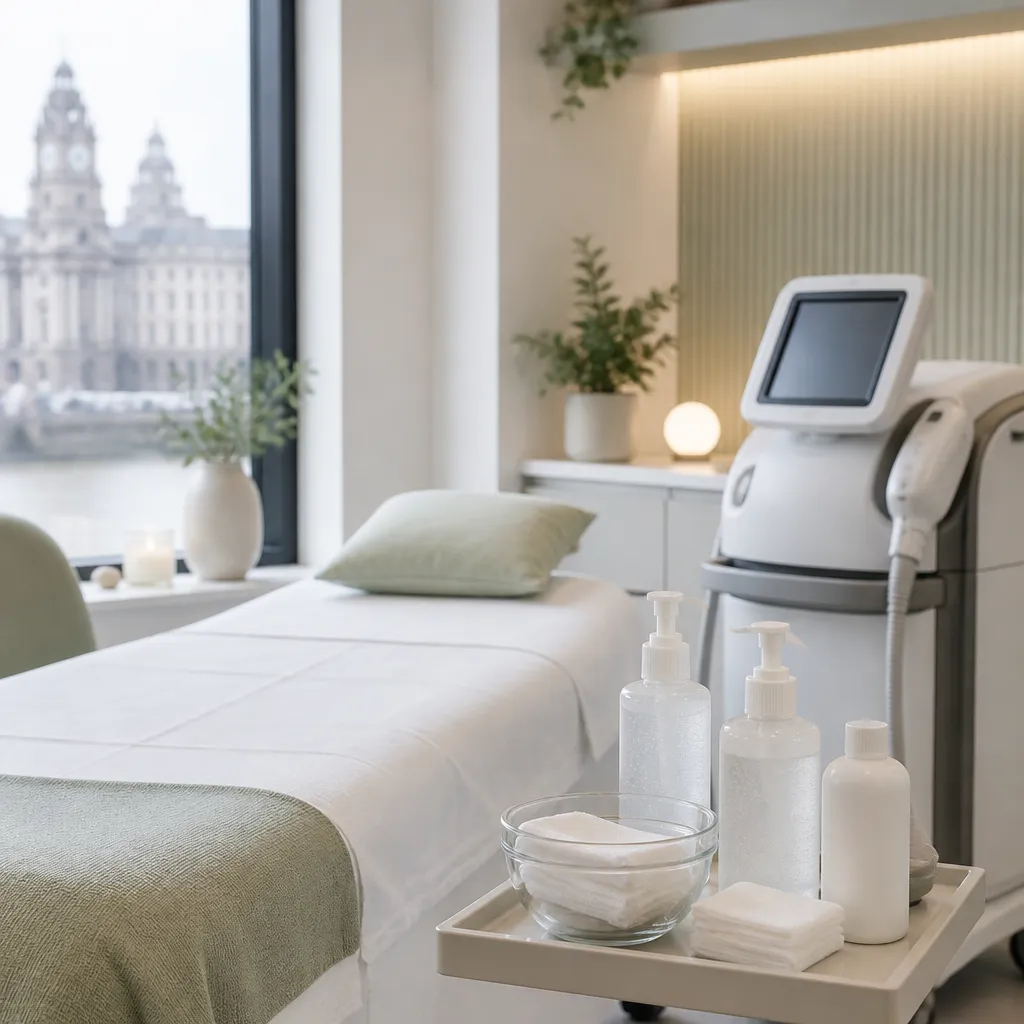
The laser sends energy down into the hair follicle, and that heat damages the follicle enough to slow or stop new hair growth. The skin above it often feels warm, looks pink, or feels tender for a few hours. For some people that lasts a couple of days, and it can feel much like a mild sunburn.
Small bumps around the follicles and light swelling are also common in the first day. These reactions are the skin settling as the follicles calm down, and they fade quickly for most people. What matters is how you treat the skin over the next 48 hours, because that window decides whether irritation settles or spirals.
In practice, the clients who recover fastest treat the area gently for two days and then return to normal routines. The clients who struggle are usually the ones who exfoliate, wax, or soak in a hot bath on the first evening. A simple rule covers most cases: if it would irritate sunburnt skin, leave it alone until the skin looks normal again.
The Do’s: Caring for Treated Skin Between Sessions
Most of the good habits here are simple and cheap. They work because they reduce heat, friction, and dryness, the three things that make treated skin feel worse than it needs to.
Cool compresses, used briefly
Wrap an ice pack or cool gel pack in a soft cloth and hold it on the area for short spells, five to ten minutes at a time. Never press ice directly onto the skin, and don’t leave it on until the skin turns numb or white. Pure aloe vera gel kept in the fridge is another good option, because it cools and hydrates without adding heat.
Fragrance-free moisturiser every day
Use a plain, fragrance-free moisturiser once or twice a day for the first week. Dry skin becomes tight and more reactive, and a good barrier cream helps it recover faster. Look for short ingredient lists, and avoid products with added fragrance, essential oils, or menthol, which can sting freshly treated skin.
Loose cotton over the treated area
Friction causes more irritation than most people expect. Tight waistbands, sports leggings, and synthetic gym kit rub the same patch of skin for hours. Choose loose cotton for the first two days, especially around the bikini line and underarms, where the skin is often most sensitive after a session.
Pro tip: Keep a small tub of fragrance-free moisturiser in your bag for the week after each session. Most irritation we see comes from dry skin that gets rubbed, not from the laser itself.
The Don’ts: What to Avoid
The don’ts matter more than the dos, because one careless week can irritate the skin enough to delay your next session. Most of these mistakes come from habits people don’t think about, like a hot shower after the gym or a quick fake tan before a night out.
Sun exposure, sunbeds, and self-tanners
Sun exposure is the biggest risk between sessions. UV makes skin more reactive, and a tan changes the skin’s pigment in a way that makes the laser less predictable. Sunbeds and sunless tanners carry the same problem, so avoid all three until your skin is back to its natural tone. If you go outside, wear SPF 30 or higher and cover the treated area with clothing where you can.
Hot baths, saunas, and hard workouts
For the first 24 hours, keep showers lukewarm and skip hot baths, saunas, and steam rooms. Heat widens blood vessels, which increases redness and can keep the skin feeling hot for longer. Once the first day has passed, normal exercise is fine, but shower soon afterwards and pat the skin dry rather than rubbing it.
Strong exfoliants and actives
Scrubs, acids, and retinol can be useful on untreated skin, but they are a poor choice on an area you have just had lasered. Hold off on strong exfoliants and actives for several days, then reintroduce them gently. Gentle exfoliation does have a place once the skin has settled, because it helps prevent ingrown hairs as the hair grows out.
Irritated skin doesn’t mean the treatment has failed. It usually means the skin needs two calm days before it can get back on track.
Shaving, Waxing, and Plucking Between Sessions
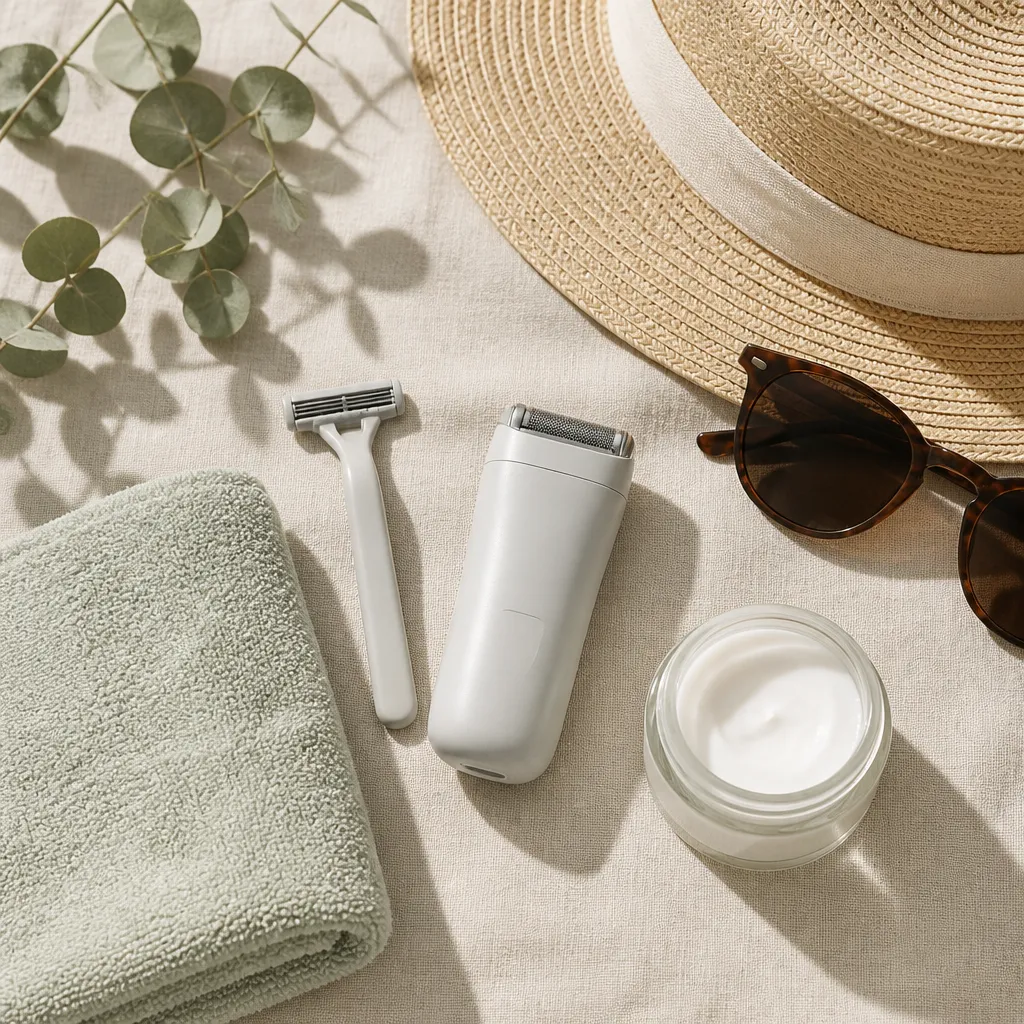
This is where clients most often go wrong. The laser works on hair that is still attached to the follicle, so removing hair from the root between sessions can take away the target the laser needs. Shaving is the only routine method that leaves the follicle intact.
Why shaving is the safe choice
Shave as often as you like between sessions. A sharp, clean razor cuts the hair at the surface and leaves the root ready for the next pulse. Use a fresh blade, shave in the direction of growth, and moisturise afterwards. Shave the day before your appointment rather than that morning, so the skin isn’t freshly irritated when the laser passes over it.
Why waxing and plucking undo progress
Waxing, sugaring, plucking, and epilating all remove hair from the root. Each one can disrupt the follicle you are treating, and repeated waxing can leave the skin more sensitive. Most providers ask clients to stop these methods for around four weeks before the first session, and the same logic applies between sessions. If you need a stray hair gone before an event, shave it instead.
| Method | Effect on Laser Results | Our Verdict |
|---|---|---|
| Shaving | Cuts the hair at the surface and leaves the follicle intact | Safe to use between sessions |
| Waxing and sugaring | Pulls hair from the root and can disrupt the follicle being treated | Avoid between sessions |
| Tweezing and epilating | Removes single hairs from the root and can irritate the follicle | Avoid, and shave instead |
Underarms, Bikini Line, and Facial Treatments
Some areas need more care because the skin is thinner, more sensitive, or more exposed to friction. The underarms, bikini line, and face are the three areas we get the most questions about, and each one has its own quirks.
Underarms and deodorant
After an underarm session, skip deodorant or antiperspirant for the first day if the skin feels tender. Many formulas contain alcohol or fragrance that can sting. When you restart, choose an unscented product and apply it to dry skin. Shave gently in the early sessions and avoid going over the same patch twice.
Bikini line and intimate areas
The bikini line is prone to friction, sweat, and ingrown hairs. Wear breathable cotton underwear, change out of sweaty gym kit quickly, and avoid scented wipes or intimate washes until the skin has settled. Gentle exfoliation once the skin has calmed helps prevent ingrown hairs as the hair regrows.
Facial treatments and makeup
After facial treatment, the skin is often more sensitive to sun, wind, and products. Use a mild cleanser, a fragrance-free moisturiser, and a mineral sunscreen during the day. Makeup is usually fine once the skin is no longer warm or visibly pink, but avoid heavy foundation and waterproof products on the first evening.
Pro tip: Book your session a few weeks before a holiday, not the week you leave. Treated skin needs several days to settle, and sun exposure abroad is one of the most common causes of avoidable irritation we see.
Session Spacing and Hair Growth Cycles
Hair grows in cycles, and the laser only works on hair in the active growth phase. That is why one session never clears an area, and why spacing matters. Most people need several sessions, spaced weeks apart, to catch follicles as they move into growth.
Why sessions sit several weeks apart
Many providers space sessions roughly four to six weeks apart, and the exact gap depends on the area and your hair’s growth pattern. Booking sooner doesn’t speed things up, because follicles that were resting at the last session are still resting. Booking too early also gives the skin less time to recover from the previous treatment.
Missing an appointment without panic
Life happens. If you miss an appointment by a week or two, rebook as soon as you can rather than starting over. Keep shaving in the meantime and avoid waxing so the follicles stay in a state the laser can work on. You can rebook through Faith Laser whenever suits you. A missed appointment usually costs a little time, not the results you have already gained.
Skin Tone and Pigmentation Changes
Pigmentation changes are the complication clients worry about most, and they are also the most avoidable. The laser targets pigment in the hair, and extra pigment in the skin, from a tan or a sunburn, can compete for that energy. This is why we ask clients to keep their skin at its natural tone.

Recognising what is normal and what is not
Pinkness and mild warmth for a few days are normal. Blistering, crusting, spreading pain, or dark patches that appear days later are not, and you should contact your clinic straight away. Don’t try home remedies for those signs, and avoid bleaching creams, which can make pigment changes worse.
Keeping your tone even over the long term
Pigment changes often fade if you protect the skin from the sun, but they can take months to settle. Use SPF every day on treated areas, and let any fake tan wear off before your next appointment. Clients who follow the sun rules consistently tend to have far fewer tone issues across a full course of sessions.
Frequently Asked Questions
Can I use deodorant after laser hair removal?
You can, but wait until the underarm skin feels normal, usually after the first day. Choose an unscented product, because alcohol and fragrance are the ingredients most likely to sting.
Can I shave between laser hair removal sessions?
Yes. Shaving is the safest routine method between sessions because it cuts the hair at the surface and leaves the follicle intact. Use a clean, sharp razor and moisturise afterwards.
Is it safe to go to the gym the day after treatment?
Usually yes, as long as the skin isn’t hot, sore, or visibly irritated. Shower soon after sweating, avoid rubbing the area with tight kit, and skip saunas and hot tubs for at least 24 hours.
Can I wear makeup after a facial laser session?
Light makeup is usually fine once the skin is no longer warm or pink. Avoid heavy foundation and waterproof products on the first evening, and always remove makeup with a gentle, fragrance-free cleanser.
What should I do if the treated skin blisters?
Contact your clinic straight away and don’t attempt to treat blisters at home. Avoid picking at the skin, keep the area clean and covered, and avoid sun exposure until you have been checked.
How soon after a session can I get a tan?
Wait until your skin has returned to its natural tone and any irritation has settled. Fake tans and sunbeds are best avoided altogether between sessions, because a tan changes how the laser interacts with your skin.
Which between-session habit did you find hardest to stick to, and how did your skin respond?