
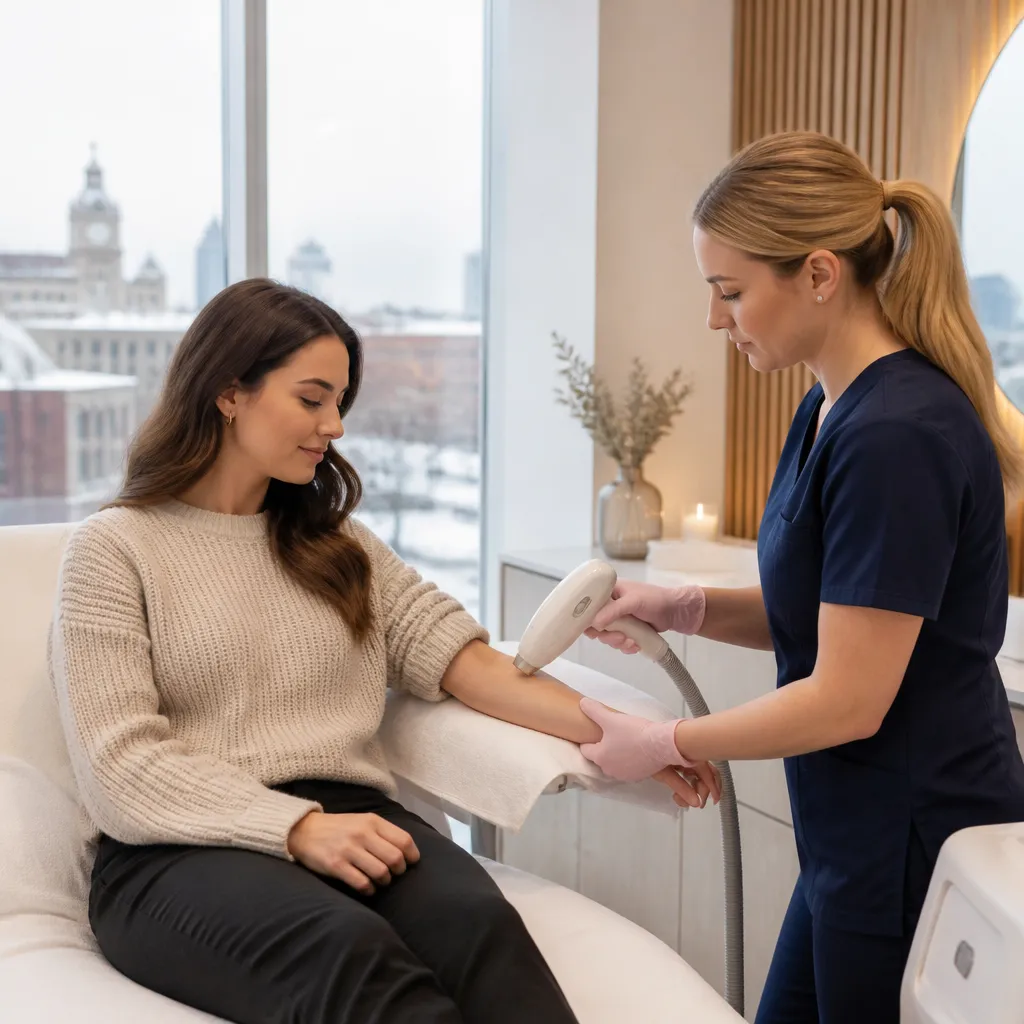
Laser Hair Removal Package Tips for Winter in Liverpool
Winter is the easiest season to get the most from a laser hair removal package, and most clients in Liverpool never plan for it. Fewer days in the sun mean your skin is less tanned between sessions, and covered skin hides the mild redness that can follow treatment. Still, a package only pays off if you keep to the schedule and look after your skin between visits. These are the laser hair removal package tips Liverpool clients wish they had heard at the start, covering timing, preparation, aftercare and the mistakes that quietly waste sessions.
Table of Contents
- Quick Takeaways
- Why Winter Suits Your Treatment
- Spacing Your Sessions Across the Winter
- Preparing Skin and Hair Before Each Visit
- Aftercare in Cold and Dry Weather
- Choosing a Booking Schedule
- Getting Full Value From Every Session
- Mistakes That Waste Sessions
- Frequently Asked Questions
- References
Quick Takeaways
| Key Insight | Explanation |
|---|---|
| Plan the full course on one calendar on day one | Mark every expected session date, then add holidays, work trips and family events so no appointment lands on a week you are away. |
| Stop waxing and plucking well before treatment | Published guidance advises stopping waxing, plucking and electrolysis at least four weeks before treatment, because the laser needs the hair root intact. |
| Shave the day before each appointment | Shaving on the day before leaves the root in place and removes the visible hair the device needs to be aimed away from the skin surface. |
| Avoid tanned skin in the weeks around each session | Sunbeds, self-tanners and strong sun exposure raise the risk of irritation and can make the treatment less effective. |
| Treat dry winter air as part of your aftercare | Central heating and cold outdoor air both dry the skin, so use a fragrance-free moisturiser on the treated area for the first few days. |
| Never shorten the gap between sessions to catch up | If you miss an appointment, rebook as soon as you can and let your clinician set the next interval rather than compressing the course. |
Why Winter Suits Your Treatment
Winter is when laser hair removal makes the most practical sense for most people in Liverpool. Damp, grey weather keeps skin covered, and fewer days in strong sun means your skin is less likely to be tanned when you arrive for a session.
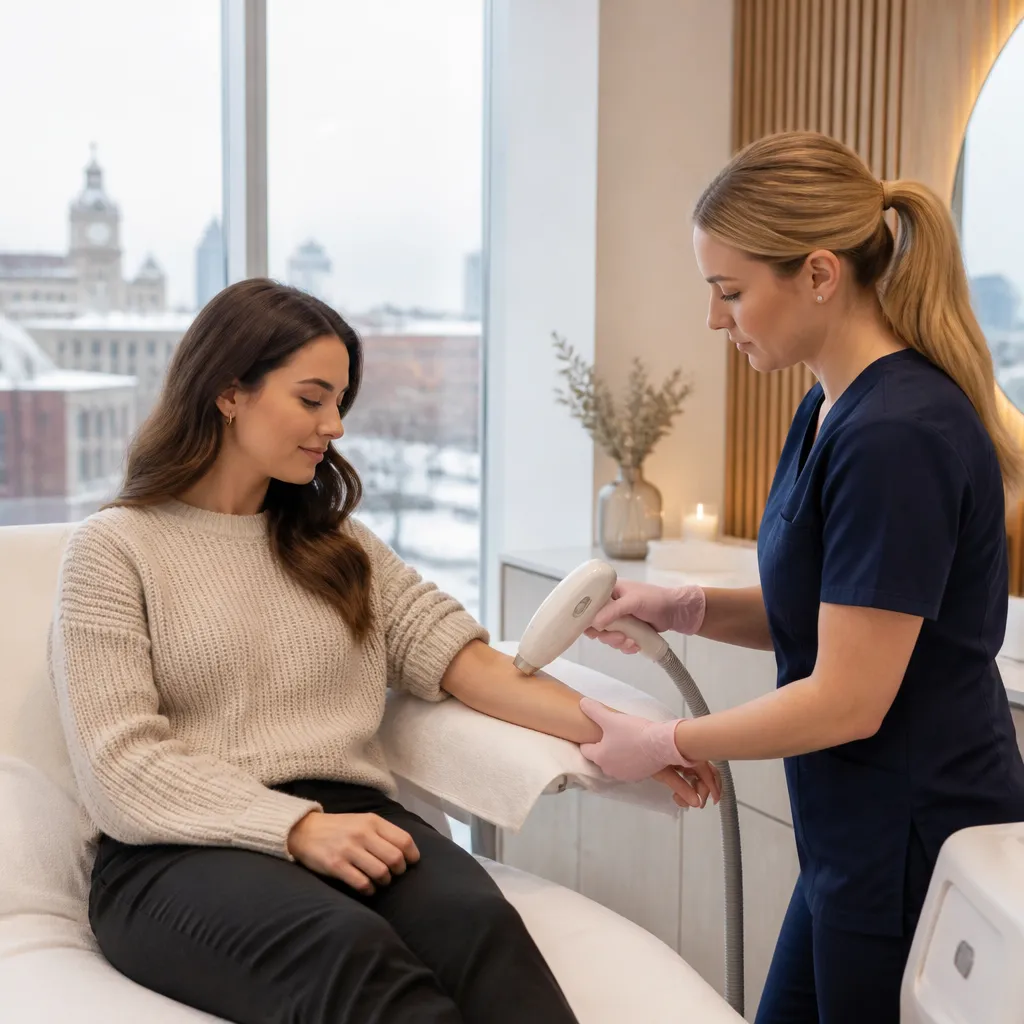
Tanning matters because it changes how the laser interacts with the skin. Practitioners generally prefer to treat skin that is not tanned, since darker skin raises the risk of irritation and can reduce how well the laser targets the hair. A package is built around a series of sessions, so one badly timed holiday can disrupt the whole schedule.
Sun Exposure and Your Treatment Window
Treat the weeks around each session as a sun-free period. Avoid sunbeds, avoid self-tanners applied shortly before a visit, and limit long spells in strong sun without protection. If you have been abroad, mention it at your consultation so the team can decide whether to move your appointment.
Why Covered Skin Makes Recovery Easier
Some redness and mild swelling are normal after a session, and they usually settle within a short time. In winter you can cover the treated area with tights, trousers or jumpers while it calms down. That makes it far easier to keep your routine and less likely that you will skip the next appointment because you feel self-conscious.
Winter is also when many people finally commit to a plan, because the new year tends to bring a fresh start. The problem is that January diaries fill quickly. Book your first session early enough to stay on schedule, rather than after the festive rush has taken the best slots. You can book a consultation with Faith Laser to set your timeline before the busiest weeks arrive.
Spacing Your Sessions Across the Winter
The biggest reason people feel their package underdelivered is poor spacing. Laser energy works on hair in its active growth phase, so sessions are planned around regrowth cycles rather than around what fits your diary best. Your clinician will set the intervals based on the area being treated, your hair and your skin type.
Building a Calendar Before You Book
Write your full course on one calendar on the day you start. Mark the expected session dates, then add events that could clash with them, such as Christmas travel, a wedding or a winter break. Many clients lose a session simply because it falls in a week when they are away, and a rebooked appointment can push the whole course back.
Pro tip: Ask for your next appointment before you leave the clinic. Holding a slot now is far easier than hunting for one in the middle of December.
What to Do If You Miss a Session
Missing one appointment does not end your package, but it does need action. Contact the clinic as soon as you know, rather than waiting until the due date has passed. Do not try to make up lost time by shortening the gap before your next session, because that is not a safe way to catch up and it can work against your results.
Preparing Skin and Hair Before Each Visit
Preparation is where many sessions are won or lost. Published guidance from the Mayo Clinic advises stopping waxing, plucking and electrolysis at least four weeks before treatment, and shaving the treatment area the day before your appointment. The reasoning is simple: waxing and plucking pull the hair out by the root, so there is nothing left in the follicle for the laser to target.
The Day-Before Shave
Shave the day before your appointment, not on the morning itself, and use a clean razor. Shaving leaves the root in place while clearing the visible hair from the skin surface, which is exactly what the device needs. Shaving the morning of a session can leave small nicks and irritated skin, which makes the treatment less comfortable and harder to judge.
Skin Care in the Days Before Your Session
Dry winter air strips moisture from the skin, so keep the area hydrated in the days leading up to your visit. Avoid applying strongly fragranced products or active exfoliants to the area in the 24 hours before treatment. Tell the team about any recent medication, new skincare or skin treatments, since some of these change how your skin responds on the day.
Most disappointing results trace back to something small done in the week before the appointment, not to the device itself.
Aftercare in Cold and Dry Weather
Winter aftercare differs from summer aftercare mainly because of dry air and central heating. Skin loses moisture faster in these conditions, and dry skin can feel tight or itchy after a session. That itch is what tempts people to scratch or rub the area, which is the last thing the skin needs.

Moisture and Heating
Use a fragrance-free moisturiser on the treated area for the first few days after each session, and keep it hydrated throughout the winter. Keep radiators and fan heaters from blowing directly onto your legs or face while you recover. Very hot, dry air tends to make freshly treated skin feel worse, so a cooler room is the better choice for a day or two.
Sun Protection in Winter
People often drop sun protection once the summer ends, but UV still reaches the skin on bright, cold days. Reflected light from snow or water can add to the exposure, and it is easy to underestimate on a crisp afternoon. Wear SPF on exposed areas, particularly the face, and keep treated skin covered on sunny days. This protects both your results and your skin tone.
Pro tip: Take a photo of the treated area at each session, in the same light and from the same angle. It is the simplest way to see progress across a winter-long course, and it gives your clinician a clear record to work from.
Choosing a Booking Schedule
There is no single correct way to book a package, but three approaches come up often. Each suits a different kind of client. The table below shows where each one tends to work and where it tends to fail, so you can choose the schedule that matches your life rather than the one that looks neatest on paper.
| Booking approach | Best suited to | Main drawback |
|---|---|---|
| Start in late autumn and book every session in advance | People who want a fixed plan and fewer decisions over the winter | Little flexibility if work or travel plans change after booking |
| Start in early winter and book one session at a time | People with variable work hours or frequent short trips | Easy to leave gaps that stretch the course and delay results |
| Start in January, after the festive period | People who want to avoid the busy Christmas and New Year weeks | Less time to complete the course before the warmer months |
Booking in Blocks Versus One at a Time
Booking the whole course at once keeps you on track, but only if the dates are realistic. If you book blindly, a fixed appointment can land on a day when you are working away. Booking one session at a time gives flexibility, but it demands discipline. Set a reminder for the next booking at the end of every visit so the course never drifts.
Matching Your Schedule to Your Goals
Your goals should shape your schedule. If you want the underarms or bikini area smooth for a specific event, work backwards from that date, but do not compress the course to meet it. Realistic expectations matter more than speed. A clinician should be able to tell you what a sensible timeline looks like for your hair and skin type.
Getting Full Value From Every Session
The value in a laser package comes from completing the course, not from buying it. Many people pay for a package, attend two or three sessions, then stop because the early changes feel slow or because life gets busy. Treat the package as one course with a clear end point, and plan around that finish line from the start.
Tracking Progress Honestly
Hair reduction is gradual. Expect fewer hairs and slower regrowth over time, not an overnight change. Keep a short note after each session listing the area treated, any settings your clinic shares with you, and any irritation you noticed afterwards. Patterns show up quickly in written notes that are hard to recall from memory weeks later.
Using Your Consultation Well
Use your consultation to ask specific questions. Ask how many sessions you realistically need for your hair colour and skin type, which areas usually respond fastest, and what to do if a session causes more irritation than expected. A good clinic will answer directly. Vague reassurance is a warning sign worth noticing.
Mistakes That Waste Sessions
Most wasted sessions come down to a handful of repeat errors. None of them are dramatic, which is why they often go unnoticed until the course is nearly finished. The good news is that each one is easy to avoid once you know what to look for.

Waxing Between Sessions
Waxing between sessions is one of the most common mistakes. Waxing and plucking remove the root, so the laser has nothing to treat in that area, and you may wait weeks for regrowth before the next session can do its job. If you need to tidy up between appointments, shave instead, because the same reasoning that applies before your first visit applies throughout the course.
Booking Over Tanned or Irritated Skin
Booking a session straight after a holiday, or while skin is still red from the previous treatment, is a mistake. Tell the team about any sunburn, tan or irritation before the appointment. They may postpone the session rather than risk a reaction, and that is the right call even though it feels frustrating.
Ignoring Dry Skin in Cold Weather
Dry, flaky skin from cold weather can make the treated area feel rough and make sessions less comfortable. Keep moisturising consistently, and mention it if the skin feels sore on the day. It is far easier to adjust the plan than to push through discomfort and hope for the best.
Frequently Asked Questions
Can I still book laser hair removal in winter if I have a summer holiday planned?
Yes, but plan the course so that no session falls in the weeks around a sunny trip. Tell your clinician about the holiday when you book, so they can work out where the appointments should sit around it.
How long should I wait between sessions?
The interval depends on the area being treated and the clinic’s protocol, so it is set at your consultation rather than chosen by you. Do not shorten the gap to catch up on missed appointments, because that can work against your results.
Can I shave before my appointment?
Yes, and you should. Shave the treatment area the day before your appointment. Avoid waxing, plucking or electrolysis for at least four weeks before treatment, since those methods remove the root the laser needs.
What should I do if my skin is red after a session in winter?
Mild redness and swelling are common and usually settle quickly. Apply a fragrance-free moisturiser, keep the area cool and covered, and avoid heat and sun. Contact the clinic if the redness is severe, painful or lasts longer than expected.
Is it worth buying a package if I am not sure I will finish it?
A package only saves money if you complete it, so be honest about your schedule before you commit. Ask at your consultation how the course is spaced, what happens if you miss an appointment, and whether the plan can be adjusted if your circumstances change.
Does sun protection still matter in winter?
Yes. UV still reaches the skin on bright, cold days, and reflected light can add to the exposure. Wear SPF on exposed areas and keep treated skin covered in strong sunshine to protect both your results and your skin tone.
Tell us about your own experience of getting through a winter course, or what made your schedule easier to keep, by getting in touch with our team.