Facial Laser Hair Removal Liverpool: Complete Guide
Unwanted facial hair is not a minor inconvenience. For many people living in Liverpool, it is a daily source of frustration: the endless shaving, the irritation from waxing strips, the shadow that reappears within hours. Facial laser hair removal in Liverpool is the only approach that addresses the root of the problem, literally. By targeting the hair follicle directly with concentrated light energy, laser treatment reduces hair growth over a series of sessions until the results become long-lasting. This guide covers everything you need to know before booking, from how the technology works to what to expect on your skin and timeline.
Table of Contents
- Quick Takeaways
- How Facial Laser Hair Removal Works
- Which Facial Areas Can Be Treated
- Upper Lip Laser Hair Removal: What to Expect
- Skin Types and Treatment Suitability
- How Many Sessions Do You Need
- Before and After Your Treatment
- Comparing Facial Hair Removal Methods
- Why Choose Faith Laser in Liverpool
- Frequently Asked Questions
- References
Quick Takeaways
| Key Insight | Explanation |
|---|---|
| Laser targets the follicle, not the skin | Light energy is absorbed by melanin in the hair root, generating heat that disrupts follicle function without damaging surrounding tissue. |
| Upper lip sessions take under a minute | Small facial zones like the upper lip are among the fastest areas to treat. A single session can be completed in well under five minutes. |
| Multiple sessions are non-negotiable | Hair grows in cycles, and lasers only affect follicles in the active growth phase. A course of sessions is needed to catch every follicle at the right time. |
| Skin type affects laser selection | The Fitzpatrick scale guides which laser wavelength is used. Clinics using advanced technology can treat a wide range of skin tones safely. |
| Shaving before a session is required; waxing is not | The follicle must be intact for the laser to work. Shaving leaves the root in place; waxing removes it, making treatment ineffective. |
| Hormonal conditions affect facial hair growth | Conditions such as PCOS can cause persistent facial hair. Laser treatment reduces hair significantly, though maintenance sessions may be needed over time. |
| Sun exposure before treatment increases risk | Tanned or sunburned skin absorbs laser energy differently, raising the risk of temporary pigmentation changes. Protect treated areas from direct sun. |
How Facial Laser Hair Removal Works
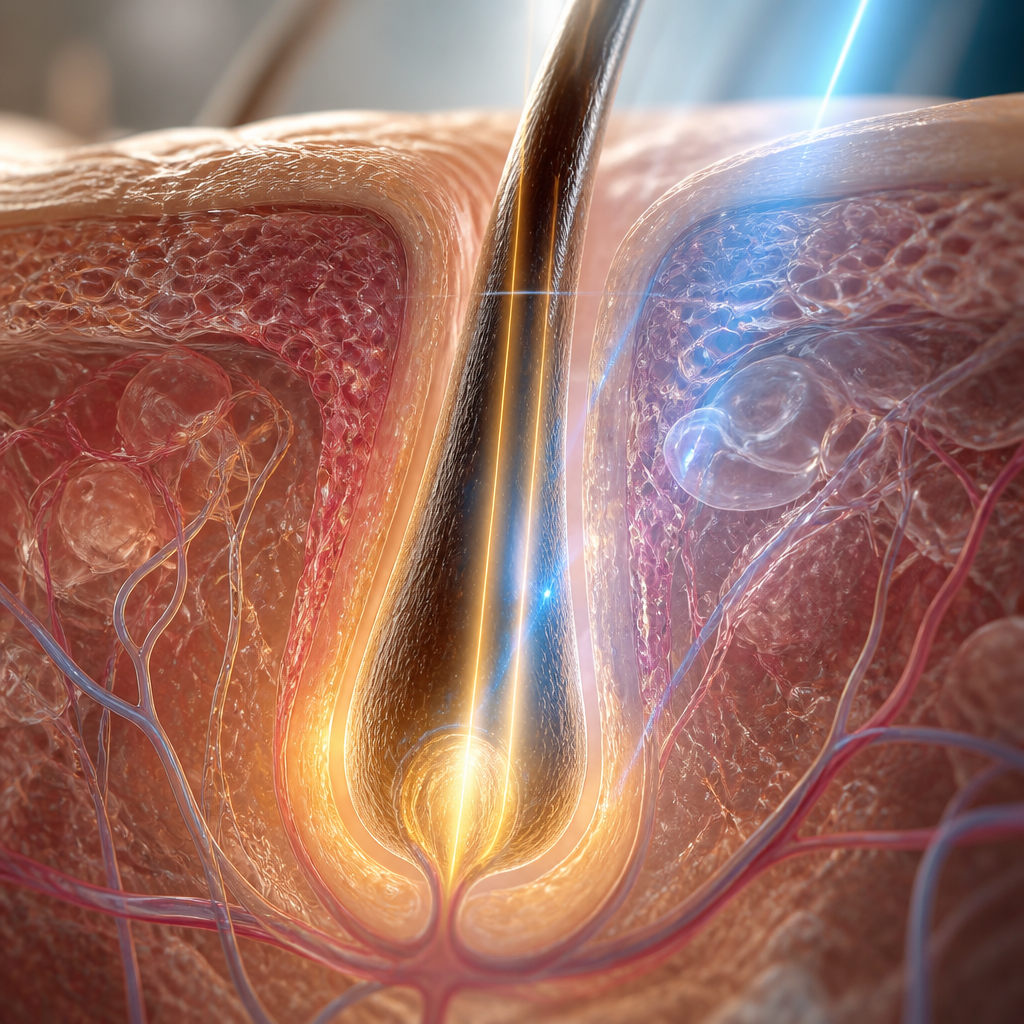
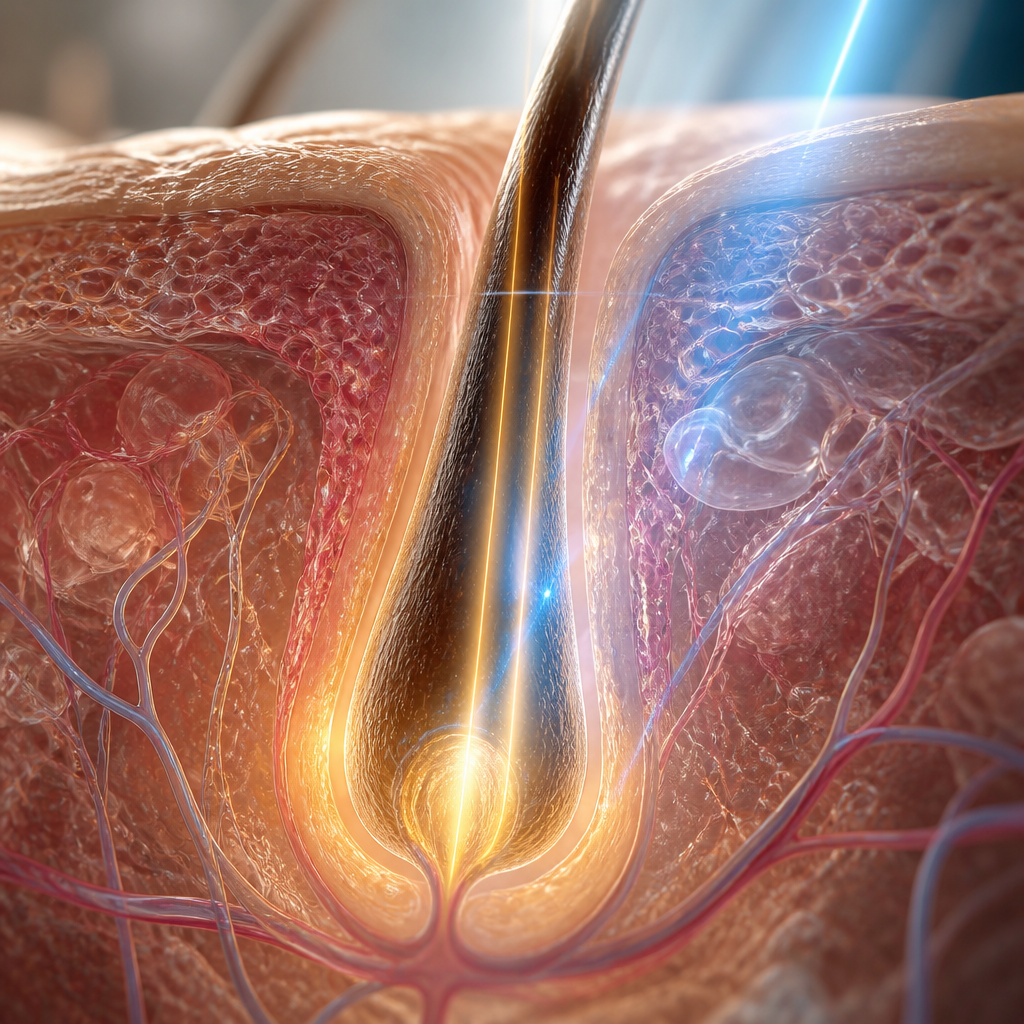
The science behind laser hair removal on the face is straightforward. A handheld device emits concentrated pulses of light that are absorbed by the melanin, the natural pigment, present in each hair shaft and root. That absorbed light converts to heat inside the follicle, damaging the structure that generates new hair growth. The surrounding skin is not the target; it is largely unaffected when the treatment is calibrated correctly.
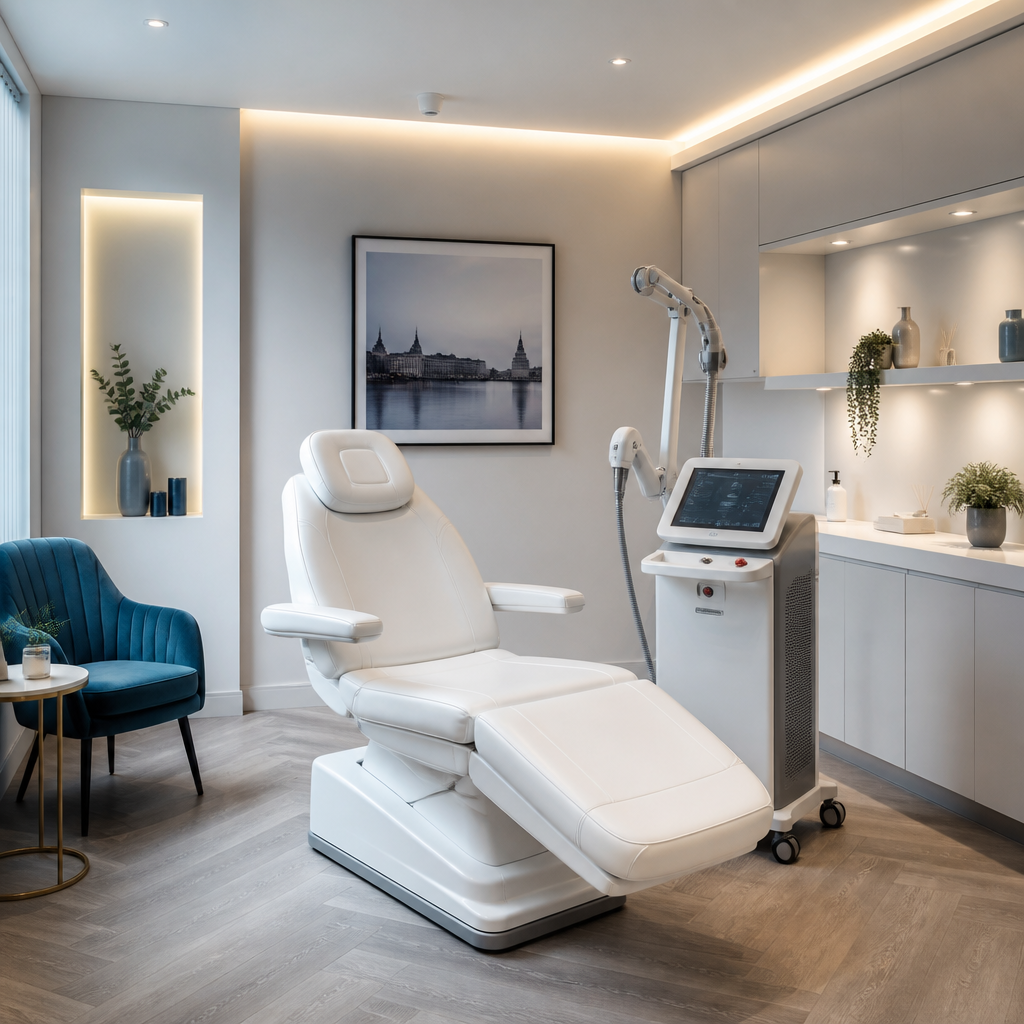
At Faith Laser in Liverpool, the AW3 Crystal Freeze system is used alongside the AW3 Schnelle laser platform. The Crystal Freeze cooling mechanism keeps the surface of the skin comfortable during each pulse, which matters particularly on the sensitive skin of the face. This combination makes sessions not only effective but noticeably more tolerable than older systems.
The most important factor in facial laser hair removal is not the speed of treatment but the precision of energy delivery. A well-calibrated laser protects the skin while eliminating the follicle. Anything less is a compromise.
Because only follicles in their active growth phase (called the anagen phase) respond fully to laser energy, a single session cannot clear all hair. The hair on your upper lip or chin does not all grow simultaneously. Some follicles are resting while others are active, which is exactly why a structured course of sessions is the professional standard, not a shortcut.
Which Facial Areas Can Be Treated
The face is not a single zone. Different areas have different hair densities, growth rates, and skin sensitivities. A reputable clinic will assess each area individually rather than applying a one-size approach to your face.
Common Facial Zones for Laser Treatment
The most frequently treated areas include the upper lip, chin, sideburns, cheeks, jawline, forehead, and the space between the eyebrows. Men also commonly seek treatment along the beard line to achieve a cleaner, more defined edge without daily shaving. Each of these zones responds well to laser treatment, though the follicle density and hair thickness vary, which affects the number of sessions needed.
The upper lip and chin are the two most requested facial zones among women in Liverpool. Hair in these areas is often fine but highly visible, and it grows back quickly after waxing or threading. Laser treatment offers a clear advantage here: with each session, the hair that returns is finer and sparser, until it stops returning altogether in many cases.
Areas Excluded from Facial Laser Treatment
The eyelid area and the skin directly over an eyebrow are not treated with laser, because the proximity to the eye introduces risks that no clinical benefit can justify. Eyebrows can be reshaped around the edges using laser, but the eyebrow itself is left alone. A good clinician explains this from the outset rather than improvising during your appointment.
Pro tip: If you are targeting more than one facial zone, ask your clinic to create a combined treatment plan from the start. Treating the upper lip and chin together at each session is more efficient and often more cost-effective than booking them as separate appointments.
Upper Lip Laser Hair Removal: What to Expect
Upper lip laser hair removal is one of the most requested and also one of the most straightforward facial treatments available. The area is small, which means each session takes less than a minute to complete the laser passes. The brief duration does not make it any less effective; it simply reflects how compact the treatment zone is.
During the session, most clients describe a sensation similar to the snap of a light elastic band against the skin. The Crystal Freeze cooling technology used at Faith Laser reduces the surface heat significantly, so the sensation is momentary rather than sustained. Clients with a low pain threshold typically find the upper lip manageable without any topical numbing, though numbing cream is an option worth discussing at your consultation if you are concerned.
What Happens in the Days After an Upper Lip Session
After treatment, you may notice mild redness or slight swelling around the follicles. This is a normal response and typically settles within a few hours to a couple of days. The treated hairs do not fall out immediately; they shed gradually over the following one to three weeks as the damaged follicles release them. What looks like stubble in the days after treatment is actually the old hair being pushed out, not new growth.
Avoid applying makeup or perfumed products directly to the treated upper lip area for at least 24 hours. Sun exposure should also be minimised, and if you need to be outside, a broad-spectrum SPF applied to the area is non-negotiable.
Pro tip: Book your upper lip laser sessions at regular intervals rather than waiting until hair regrowth becomes noticeable. The timing of sessions to the hair growth cycle matters more than visual cues. Your clinician will recommend the right spacing during your initial consultation.
Skin Types and Treatment Suitability
One of the most common concerns clients raise before booking is whether laser treatment will work on their skin. The honest answer requires understanding the Fitzpatrick scale, the classification system used by clinicians to match laser parameters to skin tone.
The scale runs from Type I (very fair skin that burns easily and never tans) through to Type VI (deeply pigmented skin). The reason this matters is that laser energy targets melanin. If the melanin concentration in the skin is very high, an incorrectly calibrated laser could affect the skin surface as well as the follicle. Modern laser systems, including those used at Faith Laser in Liverpool, can be adjusted to work safely across a broad range of skin tones and hair types.
The Honest Limitation: Very Fair or Grey Facial Hair
Laser hair removal works because the laser targets melanin in the hair root. Hair that has very little melanin, such as white, grey, or very light blonde hair, does not absorb laser energy effectively. If your unwanted facial hair is predominantly grey or white, electrolysis may serve you better for those specific hairs, and a good clinic will tell you this plainly rather than take your money for sessions unlikely to deliver results.
For the majority of clients with dark or medium brown facial hair, regardless of skin tone within the treatable range, laser delivers consistent results when the correct system and settings are used.
How Many Sessions Do You Need
This is the question every client asks, and any clinic giving a single-number answer without a consultation is not giving you a professional response. The number of sessions required depends on hair density, hair colour, skin type, hormonal factors, and the specific facial area being treated.
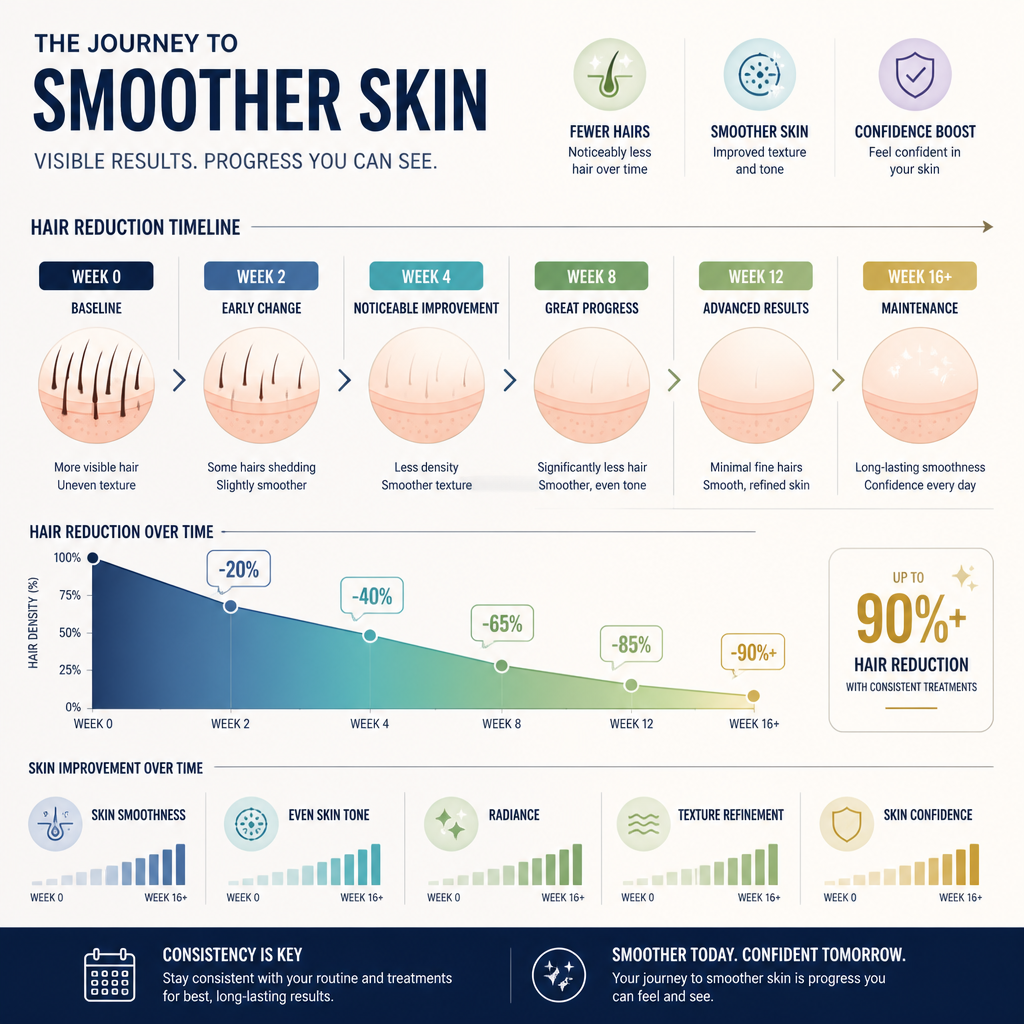
As a general clinical standard, most patients achieve significant permanent hair reduction over a course of sessions. Research and clinical practice consistently point to a range of approximately six to eight sessions for most facial areas, with some clients needing additional maintenance sessions, particularly if hormonal factors such as PCOS are driving ongoing hair growth stimulation.
Why Hormonal Conditions Change the Equation
Conditions that elevate androgen levels in the body can continuously stimulate new facial hair follicles. This does not mean laser treatment does not work for clients with these conditions. It means that while laser will reduce existing hair effectively, the hormonal signal may activate dormant follicles over time, making periodic top-up sessions a practical part of long-term management rather than a sign that the treatment failed.
A clinic worth trusting will explain this at the outset rather than promising permanent clearance without qualification. At Faith Laser, the consultation process is designed to give you a realistic picture of what your treatment plan looks like, based on your individual circumstances.
Before and After Your Treatment
Getting the best result from laser hair removal on the face in Liverpool is a joint effort between you and your clinic. The preparation steps matter and are not suggestions.
Before Your Session
Shave the treatment area the day before your appointment. Do not wax, thread, or use depilatory creams in the weeks before a session. The laser needs an intact follicle to work on; waxing removes the root entirely, leaving nothing for the laser to target. Avoid sun exposure, tanning beds, and self-tan products for at least two weeks before treatment, and keep any skincare with active ingredients like retinol or AHAs away from the facial treatment area in the 48 hours before your appointment.
After Your Session
Keep the treated area clean and avoid anything that applies friction or heat, including intense exercise, saunas, and steam rooms, for 24 to 48 hours. Use a gentle, fragrance-free moisturiser if the skin feels tight or sensitive. Sun protection is essential throughout your course of treatment. Treated follicles are temporarily more photosensitive, and unprotected sun exposure can cause temporary pigmentation changes on the face.
Pro tip: Take a photo of the treated area before your first session and after every third session. The gradual reduction in hair density can be difficult to notice session by session, but comparing your first photo to your sixth makes the progress undeniable and keeps you motivated to complete the course.
Comparing Facial Hair Removal Methods
Choosing the right method for unwanted facial hair means understanding what each option actually does, not just how it feels in the short term. The table below compares the three most commonly used approaches.
| Method | Duration of Results | Best Suited For |
|---|---|---|
| Laser Hair Removal | Long-lasting reduction, often permanent for many follicles after a full course | Clients with dark or medium-coloured facial hair across a range of skin tones who want lasting results |
| Electrolysis | Permanent removal follicle by follicle | Clients with grey, white, or very light hair where laser cannot target melanin effectively; smaller, precise areas |
| Waxing or Threading | Temporary, typically 2 to 4 weeks | Clients not ready for a commitment to a course of sessions; no permanent benefit and can cause ingrown hairs on facial skin |
The most common mistake people make is spending years on temporary methods before switching to laser. Every waxing appointment that removes the root temporarily is money and time spent on a cycle with no endpoint. A structured course of laser sessions has a finish line. Waxing does not.
Why Choose Faith Laser in Liverpool
Liverpool has no shortage of beauty clinics offering hair removal, and making the right choice matters when you are putting your face in someone’s hands. The difference at Faith Laser comes down to the equipment, the expertise, and the approach to client care.
Faith Laser uses the AW3 Crystal Freeze system, a clinically proven technology that combines effective laser energy delivery with an integrated cooling mechanism. This matters for facial treatments specifically because the face carries more nerve endings and thinner skin in some zones than body areas. The cooling system makes treatment comfortable enough that clients do not dread returning for the subsequent sessions that complete the result.
The clinic operates with affordable package pricing tailored to individual needs, which means you are not forced into a generic bundle that does not match your treatment area or expected session count. A free consultation is the starting point, where your skin type, hair characteristics, and treatment goals are assessed properly before any commitment is made.
Faith Laser’s focus is narrow: laser hair removal and tattoo removal. This is not a generalised beauty salon with a laser in the back room. The specialisation means the team’s knowledge is concentrated on getting laser results right, which is exactly what you want when the treatment area is your face.
If you are ready to move past temporary fixes and see what a personalised treatment plan looks like for your specific situation, book a free consultation at Faith Laser Liverpool and get an honest assessment before committing to anything.
Frequently Asked Questions
Is facial laser hair removal painful?
Most clients describe the sensation as a brief, warm snap similar to a light elastic band against the skin. The face is more sensitive than body areas, but modern laser systems with built-in cooling technology reduce discomfort considerably. Upper lip and chin treatments are short enough that even clients who are initially anxious find them very manageable once they experience the first session.
How many sessions will I need for my upper lip?
Most clients require somewhere between six and eight sessions to achieve a significant and lasting reduction in upper lip hair. This range exists because hair growth cycles vary between individuals, and factors like hormonal activity can influence the rate of progress. Your clinician will give you a more specific estimate after assessing your hair and skin at the initial consultation.
Can laser hair removal on the face cause scarring?
When performed correctly by a trained practitioner using properly calibrated equipment, scarring is not a realistic risk for facial laser hair removal. The risk of adverse effects increases significantly when treatment is performed by untrained operators or on inadequately assessed skin. This is one reason to choose a specialist clinic rather than a general beauty salon offering laser as a side service.
Does laser hair removal work on hormonal facial hair, such as hair caused by PCOS?
Yes, laser hair removal reduces existing facial hair effectively even when hormonal conditions are driving the growth. The important caveat is that elevated androgen levels may continue to stimulate new follicles over time, meaning maintenance sessions may be needed beyond the initial course. Many clients with PCOS find that laser treatment dramatically reduces the volume and visibility of facial hair and makes management far easier than any temporary method.
Can I wear makeup immediately after facial laser hair removal?
It is best to avoid applying makeup to the treated area for at least 24 hours after a session. The follicles are temporarily sensitised, and applying products with pigments, fragrances, or alcohol during that window can cause irritation. After the 24-hour period, most clients return to their normal skincare and makeup routine without any issue.
How long before my facial laser hair removal sessions do I need to avoid sun exposure?
Avoiding direct sun exposure and tanning for at least two weeks before your session is the standard recommendation. Tanned or sunburned facial skin changes how the laser energy is absorbed, increasing the risk of temporary pigmentation changes. Consistent sun protection throughout your course of treatment is just as important as the pre-session preparation.
How is laser hair removal on the face different from body laser hair removal?
The fundamental mechanism is the same, but the face requires more precise calibration due to the variety of skin thicknesses, contours, and sensitivity levels across different zones. Facial treatments are generally faster per session because the areas are smaller, but they demand greater technical care from the practitioner. Choosing a clinic that specifically handles facial laser treatment, rather than one that only routinely treats body areas, is the sensible decision.
Have you already tried laser hair removal on your face in Liverpool, or are you weighing it up for the first time? Share your experience or questions in the comments below.
References
- WebMD overview of laser hair removal: procedure, results, and what to expect
- American Academy of Dermatology: laser hair removal FAQs including session timing and aftercare
- Faith Laser Liverpool: AW3 Crystal Freeze hair removal system and service overview
- Faith Laser: comparison of laser hair removal and electrolysis for facial areas