Laser Hair Removal Liverpool: Your Complete 2026 Guide
If you are tired of booking waxing appointments every four weeks, or spending ten minutes every morning with a razor, you are not alone. Laser hair removal in Liverpool has become one of the most requested aesthetic treatments in the city, and for good reason: it targets the problem at its root rather than just delaying it. But with dozens of clinics in the area and wildly different price points, knowing what to expect before you book is essential. This guide covers everything, from how the technology actually works and how many sessions you genuinely need, to what Liverpool-specific pricing looks like and what separates a clinic worth trusting from one worth avoiding.
Table of Contents
- Quick Takeaways
- How Laser Hair Removal Works
- How Many Sessions Do You Actually Need
- Skin and Hair Type: Why It Matters More Than You Think
- Liverpool Pricing: What to Expect in 2026
- Preparing for Your Session
- Aftercare Rules That Actually Matter
- Choosing the Right Clinic in Liverpool
- Frequently Asked Questions
- References
Quick Takeaways
| Key Insight | Explanation |
|---|---|
| Sessions vary by area | Smaller areas like the upper lip may need 4-6 sessions; larger areas like full legs or the back can require 8-10 or more. |
| Not all lasers suit all skin types | Nd:YAG lasers are safer for darker skin tones. Confirming the technology used before booking is essential, not optional. |
| Liverpool prices are lower than London | Liverpool clinics typically charge £115-£240 for full legs per session, compared to £180-£400 in London, for equivalent treatment quality. |
| Shave 24-48 hours before your session | Shaving beforehand allows laser energy to reach the follicle base without burning surface hair. Never wax or pluck before a session. |
| Patch tests are not optional in the UK | A patch test should be performed 24-48 hours before your first treatment. Any clinic skipping this step is cutting corners on safety. |
| Sun exposure before and after disrupts results | Avoid direct sun and tanning beds for at least a month before and after treatment to protect treated skin and maintain effectiveness. |
| Package deals offer better value | Most clinics, including Faith Laser in Liverpool, offer six-session packages at a significantly lower cost per session than paying individually. |
How Laser Hair Removal Works
The science behind laser hair removal is straightforward, even if the technology is advanced. The laser emits light energy that is absorbed by the melanin, the pigment, inside the hair shaft. That energy converts to heat, which travels down to the follicle and damages the bulb that produces new hair growth. The clinical term for this process is photothermolysis.
The key reason you need multiple sessions is not because any single session fails. It is because not all your hair follicles are actively growing at the same time. Hair cycles through three phases: anagen (active growth), catagen (transition), and telogen (resting). The laser can only effectively target follicles in the anagen phase, so sessions spaced several weeks apart are needed to catch different follicles at their most vulnerable point.
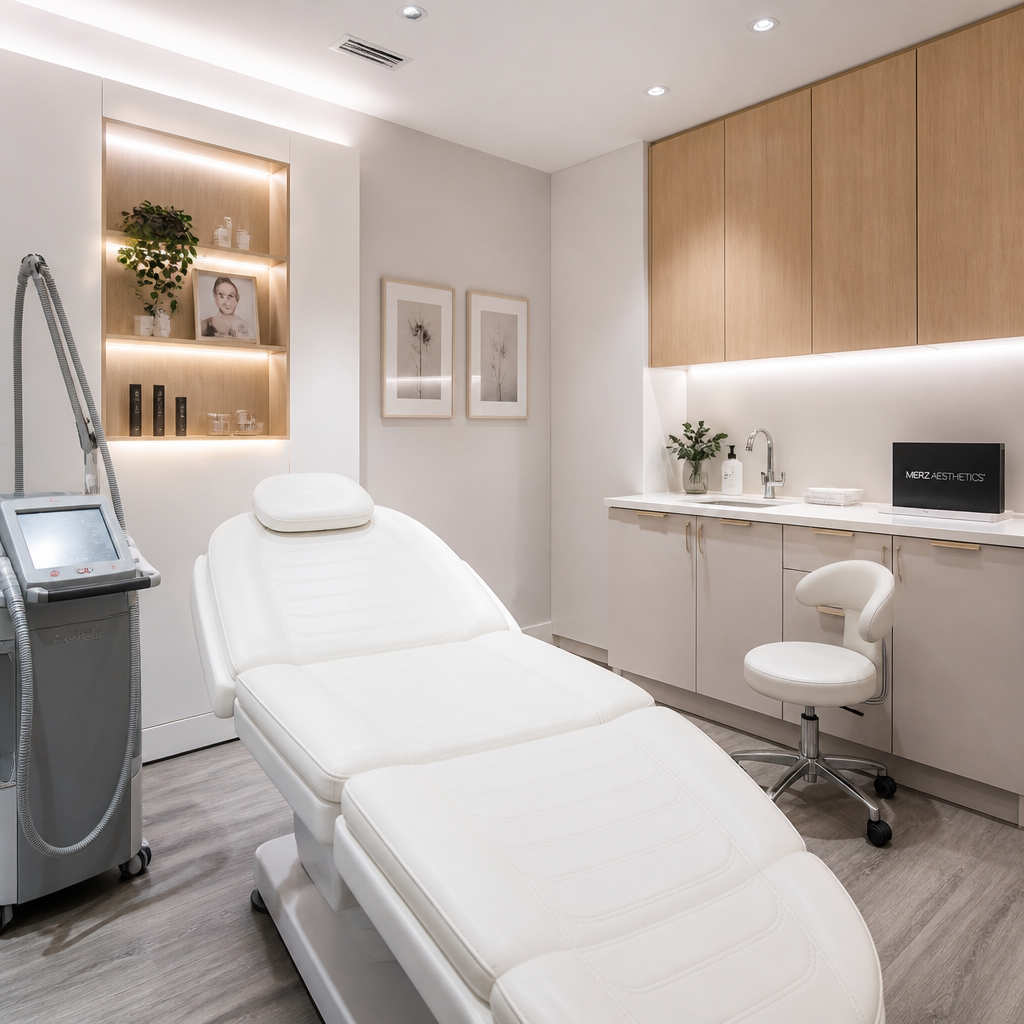
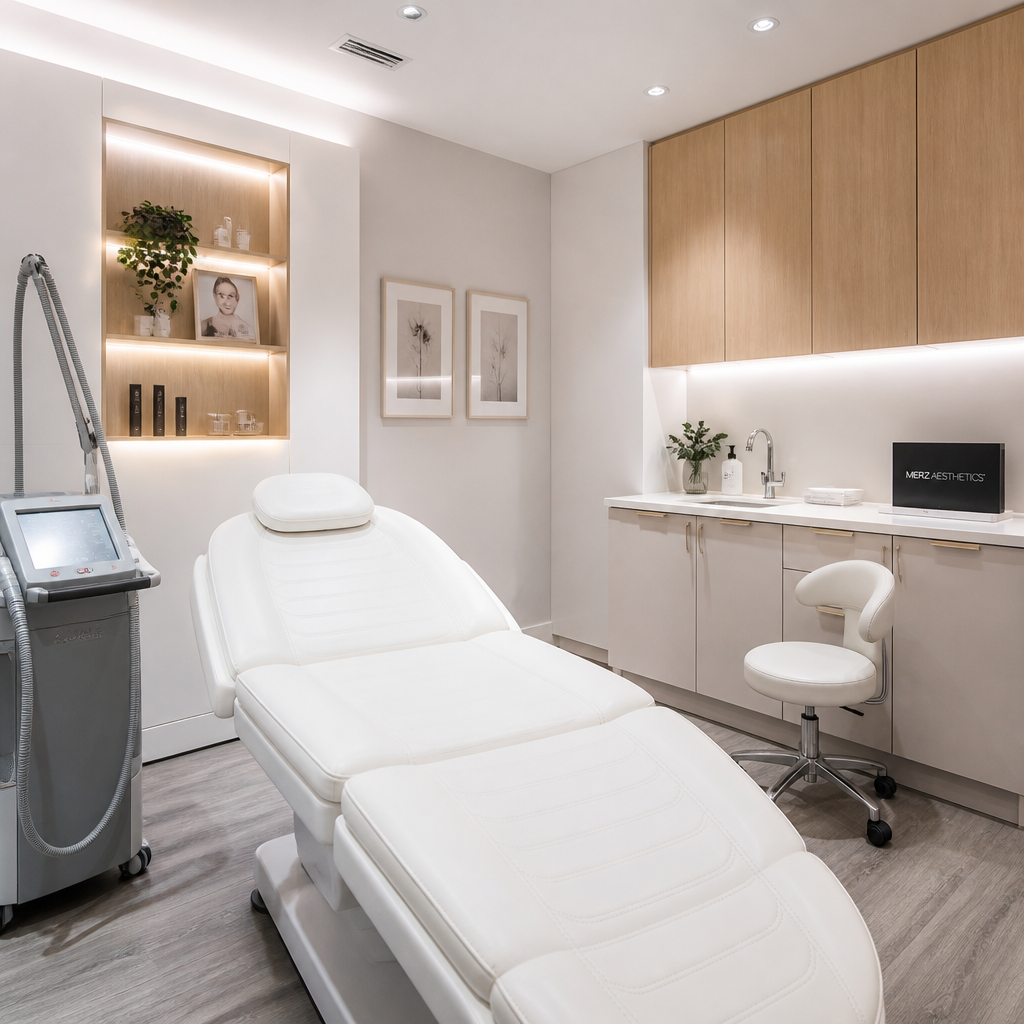
At Faith Laser in Liverpool, the clinic uses the AW3 Schnelle system with Crystal Freeze technology, which combines Triplicity wavelength laser delivery with an integrated cooling mechanism. The cooling component numbs the treatment area in real time, which significantly reduces discomfort without compromising the laser’s effectiveness on the follicle. This is a meaningful upgrade on older single-wavelength systems that often required clients to tolerate more heat during the pulse.
The sensation most people describe from laser hair removal is similar to the feeling of a rubber band being snapped against the skin. With modern cooling technology, most clients find this entirely manageable.
The practical takeaway: if a clinic cannot tell you exactly what laser system they use and why it suits your specific skin type, treat that as a red flag before booking.

How Many Sessions Do You Actually Need
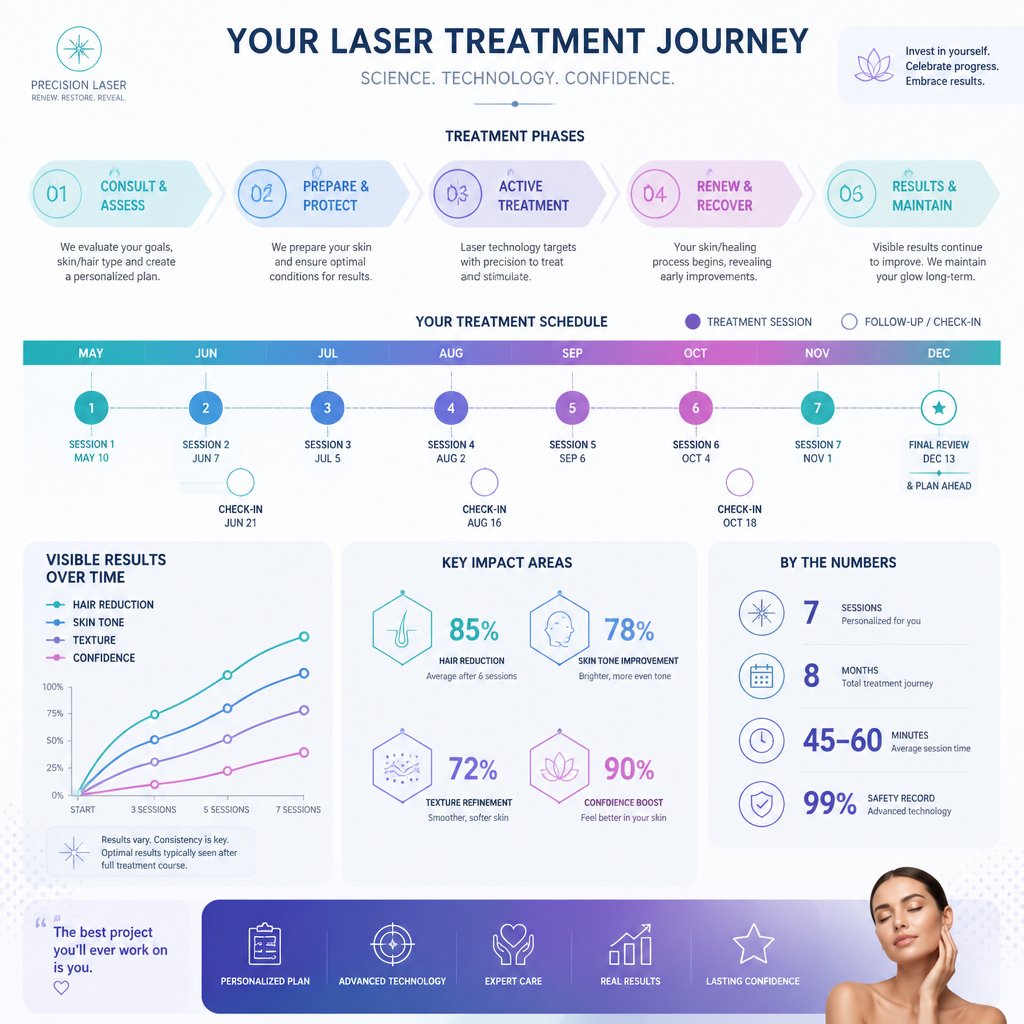
The honest answer is that it depends on the area being treated and your individual hair and skin profile, but there are reliable patterns you can plan around. Most people need a minimum of six to eight sessions to achieve a substantial reduction in hair growth. Smaller facial areas like the upper lip or chin may respond in four to six sessions; larger or hormonally driven areas can take eight to ten or more.
Sessions should be spaced four to six weeks apart. Going shorter than four weeks means you are retreating follicles that have not yet cycled back into the anagen phase, which wastes sessions. Spacing appointments much longer than six weeks loses the cumulative momentum that makes the programme effective.
Areas That Take Longer
Hormonal areas are consistently the most stubborn. The upper lip, chin, and jawline, especially in people with PCOS or other hormonal factors, cycle new follicles into the active growth phase faster than non-hormonal areas. Expect eight to ten sessions there as a realistic baseline, not a worst case. The back and chest on male clients similarly tend toward the ten-session end of the range due to the density and coarseness of hair.
Top-Up Treatments After Your Course
Completing a course does not mean zero maintenance forever. Many clients benefit from one or two top-up treatments per year to keep results consistent, particularly in areas affected by hormonal change. This is a normal and expected part of long-term hair management, not a sign that the initial treatment failed.
Pro tip: Book all your sessions in advance when you start your course. Clinics with popular time slots fill quickly, and maintaining the correct four-to-six-week interval between appointments is more important than most people realise for getting the results you paid for.
Skin and Hair Type: Why It Matters More Than You Think
Laser hair removal works on the contrast between the pigment in the hair and the pigment in the surrounding skin. The technology works best when there is a clear difference between the two, which is why dark hair on lighter skin responds fastest and most dramatically. Lighter or finer hair requires more sessions because the laser has less melanin to lock onto.
Laser treatment does not work on white or grey hair at all. If your hair is fully depigmented, laser is not the right tool, and any clinic that tells you otherwise is not being straight with you.
Darker Skin Tones: What You Need to Know
Clients with darker skin tones, Fitzpatrick types IV through VI, are fully treatable with the right laser. The Nd:YAG laser, which operates at 1064nm, is the clinically appropriate choice for deeper skin tones because it bypasses the surface melanin and targets the follicle more selectively, reducing the risk of burns or pigmentation changes. The AW3 system used at Faith Laser includes multi-wavelength capability, which means it can be calibrated for a wider range of skin types than older single-wavelength machines.
Always ask your clinic specifically which wavelength will be used on your skin type and why. A qualified technician should be able to answer this without hesitation.
Liverpool Pricing: What to Expect in 2026
One genuine advantage of choosing a Liverpool clinic over a London or South East provider is cost. Liverpool clinics typically charge from around £115 to £240 for full legs per session, and from £35 to £75 for underarms per session. London clinics charge 30 to 50 percent more for equivalent treatments, reflecting higher operating costs rather than superior technology or outcomes.
At Faith Laser specifically, pricing is structured per area with package discounts available for six-session courses. Facial treatments start from £27 per session for areas like the upper lip or chin, rising to £60 per session for a full face and neck. Individual session pricing covers everything from side burns and hairline shaping to full body treatment, and six-session packages offer clear savings over paying per visit.
Comparing Treatment Options: What Your Money Buys
| Treatment Approach | Typical Liverpool Price Range | What to Watch For |
|---|---|---|
| Individual session, small area (upper lip, chin) | £27-£50 per session | Good for testing a clinic before committing; less cost-effective long-term than a package |
| Six-session package, small area | £135-£250 total (Faith Laser pricing) | Locks in your price and ensures consistent interval scheduling; best value for most clients |
| Full legs, per session | £115-£240 per session (Liverpool market range) | Verify whether feet and toes are included; some clinics charge extra for these sub-areas |
The common mistake is choosing the cheapest per-session price without checking the technology being used or the qualifications of the technician. A lower price for an older IPL machine that requires twice as many sessions to achieve comparable results is not a saving at all.
Pro tip: When comparing clinics, ask whether the quoted price includes a patch test and consultation. A clinic that includes these at no extra cost is showing you something about how they operate.
Preparing for Your Session
Getting your preparation right makes a measurable difference to how effective each session is and how comfortable your skin feels afterward. The rules are specific, and following them is not optional if you want the results you are paying for.
What to Do Before Each Appointment
Shave the treatment area 24-48 hours before your appointment. This is not a preference, it is a functional requirement. Shaving leaves the hair shaft intact below the skin surface, allowing the laser energy to reach the follicle base directly. Surface hair that has not been shaved will absorb the energy before it reaches the root, reducing effectiveness and increasing the risk of skin irritation. Do not wax or pluck before your session: removing the hair from the root leaves nothing for the laser to follow.
Avoid direct sun exposure and tanning beds for at least two to four weeks before your appointment. Tanned skin has more surface melanin, which competes with the hair follicle for the laser energy. This reduces effectiveness and increases the risk of surface burns or pigmentation changes.
Stop using retinoids, chemical exfoliants, and topical acne treatments on the area one to two weeks before treatment. These products increase skin sensitivity and raise the risk of irritation during the session.
On the Day
Arrive with clean skin. No perfume, deodorant, or moisturiser on the treatment area. These can react with the laser and cause unnecessary irritation. Wear loose, comfortable clothing over areas being treated so that post-session sensitivity is not aggravated by tight fabric on the commute home.
Aftercare Rules That Actually Matter
The 24 to 48 hours after each session are when your skin is at its most reactive. Redness and mild sensitivity are normal and typically resolve within a day or two. What you do during that window directly affects how well your skin recovers and how effective the session is over the following weeks.
Avoid all heat sources for the first 24 hours: hot showers, saunas, steam rooms, and intense exercise that raises your core body temperature. Heat prolongs inflammation in already-stimulated follicles and can trigger pigmentation changes in sensitive skin.
Sun protection is non-negotiable. Avoid direct sun exposure for at least a month after treatment, and apply a high-factor SPF to any treated areas that will be exposed to daylight. This applies year-round in the UK, not just during summer.
Do not wax, pluck, or use depilatory creams between sessions. These methods remove the hair follicle that the next laser session needs to target. Shaving between appointments is fine and is the only recommended method for managing regrowth during your course.
Good aftercare is not an optional extra. It is as much a part of the treatment as the session itself. Skin that is well looked after between appointments responds better to the next session.
Choosing the Right Clinic in Liverpool
Liverpool has a growing number of clinics offering laser hair removal, and the quality gap between them is real. A few specific things to look for before you commit to a course.
Technology and Qualifications
Ask what laser system the clinic uses and confirm that the technician operating it is formally qualified. Laser hair removal in the UK sits in a regulatory grey area compared to some medical procedures, which means not every clinic is held to the same standard. A clinic that uses medically certified equipment, employs trained specialists, and performs patch tests before your first session is demonstrating baseline competence. One that cannot answer basic questions about its technology is not.
What Faith Laser Does Differently
Faith Laser is based in Liverpool and uses the AW3 system with Crystal Freeze technology, which combines three laser wavelengths in a single treatment to target a wider range of hair types and skin tones. The integrated cooling system addresses one of the most common complaints about laser treatment: the heat and discomfort during the pulse. For clients who have put off laser treatment because they found older systems too uncomfortable, this is worth knowing before you assume all clinics deliver the same experience.
The clinic also offers six-session package pricing across all treatment areas, which allows clients to plan and budget the full course upfront rather than committing session by session. For anyone considering tattoo removal alongside hair removal, Faith Laser also provides this using 3D NanoSure technology, which means both treatments can be managed at the same location without needing multiple providers.
Questions to Ask Before You Book
Ask what wavelength the laser operates at and whether it is appropriate for your skin type. Ask whether a patch test is included, how far in advance you need to book, and whether the quoted price covers the full area described or only part of it. These are not difficult questions, and how a clinic responds to them tells you a great deal about how it operates.
Frequently Asked Questions
Does laser hair removal work on all skin tones?
Modern laser systems can treat all skin tones safely when the correct wavelength is used. Nd:YAG lasers at 1064nm are the appropriate choice for darker skin types because they bypass surface melanin and target the follicle more precisely. The AW3 system used at Faith Laser includes multi-wavelength capability, making it suitable for a broader range of clients than older single-wavelength IPL or diode systems. What matters is that your clinic correctly identifies your skin type before selecting settings, not that you simply assume any machine will work.
How long do the results last?
Laser hair removal produces long-term reduction, not guaranteed permanent removal in every case. Most clients see a significant and lasting reduction in hair density and regrowth speed after completing a course. Some areas, particularly those influenced by hormones such as the chin or upper lip, may require occasional top-up sessions once or twice a year. Non-hormonal areas like the underarms or legs tend to maintain results for longer between top-ups. The expectation should be a dramatic improvement in hair growth rather than a guaranteed permanent result with zero maintenance.
Is laser hair removal painful?
The sensation varies depending on the area being treated and the laser technology being used. Most clients describe it as similar to a rubber band snapping against the skin. With modern cooling technology, such as the Crystal Freeze system used at Faith Laser, the discomfort is considerably reduced compared to older machines. Bony areas close to the surface, such as the ankles or upper lip, tend to feel more sensitive than fleshy areas like the thighs or underarms. Most people find it entirely tolerable, and any discomfort typically lasts only for the duration of the pulse itself.
Can I have laser hair removal if I have a tan?
You should not have laser hair removal on tanned skin, whether from sun exposure or a self-tanning product. Tanned skin has elevated surface melanin, which competes with the hair follicle for the laser energy. This reduces the effectiveness of the treatment and significantly increases the risk of burns or pigmentation changes. Most clinics require that you avoid sun exposure and tanning beds for two to four weeks before each session. If you arrive with visible tan, a reputable clinic will reschedule your appointment rather than proceed.
How much does laser hair removal cost in Liverpool?
Liverpool pricing is generally lower than London or the South East for equivalent treatment quality. In the Liverpool market, full leg treatments typically range from around £115 to £240 per session, and underarm treatments from around £35 to £75 per session. At Faith Laser, small facial areas start from £27 per session, with six-session packages offering a lower per-session cost than individual bookings. Paying for a package upfront is usually better value if you are committed to completing a full course, which most clients need to see the results they are looking for.
What areas can be treated with laser hair removal?
Almost any area of the body with unwanted hair can be treated. Commonly requested areas include the upper lip, chin, full face, neck, underarms, bikini line, intimate zones, arms, legs, back, and chest. At Faith Laser, the treatment menu covers all of these areas individually, with pricing structured per area and six-session packages available for each. The number of sessions needed varies by area, with the face and hormone-influenced zones typically requiring more sessions than areas like the legs or underarms.
Have you had laser hair removal in Liverpool, or are you still weighing up your options? Share what’s been holding you back or what helped you make the decision in the comments below.
References
- NHS Bristol Laser Centre: clinical guidance on laser hair removal sessions, skin types, and aftercare
- Salon Searcher 2026 UK laser hair removal pricing guide covering Liverpool, London, and regional cost comparisons
- Secret Spa guide to laser hair removal: how the treatment works, session intervals, and what to expect
- Healthline aftercare guidance for laser hair removal including sun exposure and shaving recommendations
- Salon Searcher: Fitzpatrick skin typing, patch test requirements, and session expectations for UK clients