Most people arrive at their first laser hair removal consultation hoping to hear one word: permanent. The honest answer is more specific than that, but it is also more reassuring than the sceptics suggest. Permanent laser hair removal, as the term is understood clinically, refers to a long-term, stable reduction in the number of hairs regrowing after a full treatment course. That is not a loophole or a marketing hedge. It is a description of what the technology actually does to a hair follicle at the biological level. Understanding that distinction is the difference between walking away disappointed and walking away delighted. At Faith Laser in Liverpool, we think clients deserve the unvarnished truth before they book a single session.
The word “permanent” carries a lot of weight. In the context of laser hair removal, it does not mean every single hair disappears forever the moment the last session ends. What it means, practically, is that hair follicles destroyed by laser energy cannot regenerate. A follicle that is fully disabled will never produce another hair. The challenge is that not every follicle is destroyed in every session, and some follicles that are only damaged rather than destroyed can recover partial function over time.
This is why many practitioners now prefer the term long-term hair reduction rather than permanent removal. Most clients experience a 70 to 90 percent reduction in treated areas, with results that last for months to years. Some areas, particularly those less influenced by hormones, can remain smooth for many years with no maintenance at all. That is a far better outcome than shaving every two days or waxing every four weeks for the rest of your life.
A hair follicle that has been destroyed by laser energy cannot grow back. What varies is how many follicles reach that state across a full treatment course, and that depends heavily on individual biology and treatment quality.
The practical takeaway: if you complete a full course of sessions with a qualified provider using the right technology for your skin and hair type, you will achieve a dramatic, lasting reduction. Whether that tips over into what feels like complete removal depends on the factors covered below.
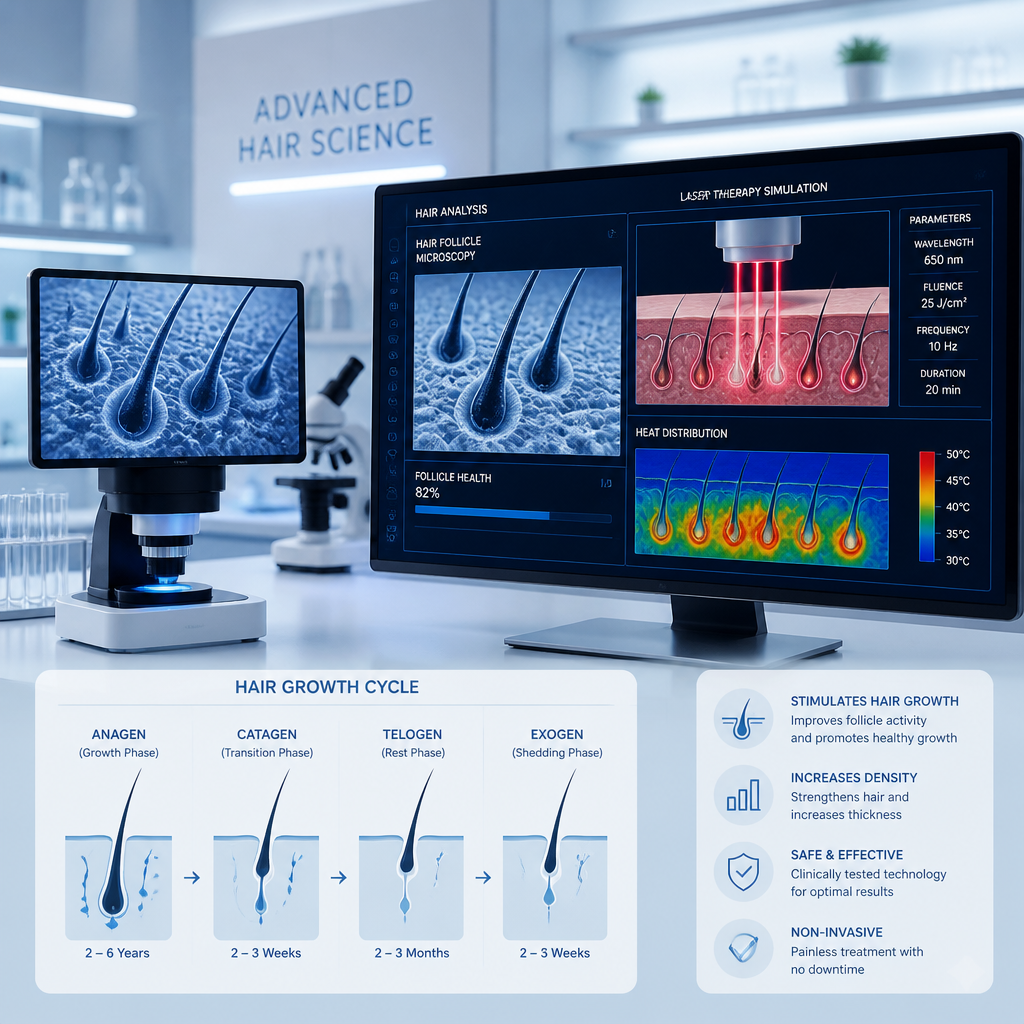
Laser hair removal works through a process called selective photothermolysis. The laser emits concentrated light that targets melanin, the pigment found in hair. That light travels down the hair shaft into the follicle, where it converts to heat. The heat damages the follicle itself, reducing or stopping its ability to produce new hair. Critically, the surrounding skin tissue is left unharmed because the light is tuned to target pigment specifically.
Hair does not grow continuously. Every follicle cycles through three main phases: anagen (active growth), catagen (transition), and telogen (resting). Laser treatment is most effective during the anagen phase, when the hair is physically attached to the follicle and contains the highest concentration of melanin. Hair in the catagen or telogen phase is a much poorer target for the laser’s energy.
At any given moment, only a proportion of your follicles are in the anagen phase. This is the core reason why a single session is never enough. Multiple sessions, spaced several weeks apart, give the laser the opportunity to catch each follicle during its active growth window. Skipping sessions or spacing them incorrectly means follicles cycle through anagen while you are between appointments, and the opportunity to target them is lost.
When the heat from the laser damages a follicle sufficiently, it can enter a premature catagen or telogen state, delaying future growth. If the damage is severe enough, the follicle is permanently disabled. If the damage is partial, the follicle may eventually recover and produce finer, lighter regrowth. This is why any hair that does return after a completed course tends to be noticeably softer and thinner than it was before treatment began.
Pro tip: Do not pluck, wax, or thread between sessions. These methods remove the hair shaft from the follicle, leaving the laser with no pigment trail to follow into the root. Shaving is fine because it leaves the follicle and shaft intact beneath the skin surface.
Two people sitting in the same treatment chair, on the same machine, in the same clinic can have meaningfully different outcomes. That is not a failing of the technology. It reflects the fact that several individual variables shape how well laser hair removal works and how long those results last.
The laser targets melanin. This means the greater the contrast between hair colour and skin tone, the more precisely the energy can be directed at the follicle without affecting surrounding skin. Dark, coarse hair on fair skin responds exceptionally well. Blonde, grey, and red hair contain less or different melanin and are harder to treat effectively. This is not a permanent barrier, but it does mean lighter hair types may require more sessions and may not achieve the same level of reduction.
Modern technology has changed the picture for people with darker skin tones. Nd:YAG lasers, which operate at longer wavelengths, penetrate deeper and bypass surface melanin more safely, making them well-suited to darker skin types. Choosing a clinic that has the right technology for your skin type is non-negotiable.
Hormones are the most common reason clients see some regrowth after a successful initial course. Conditions such as polycystic ovary syndrome, pregnancy, menopause, and certain medications can all stimulate hair follicles that were previously dormant or damaged, producing new growth that simply did not exist at the time of the original treatment. This is not the treatment failing. It is biology responding to a new hormonal signal. Occasional maintenance sessions address this without requiring a full course from scratch.
Body areas with lower hormonal sensitivity, such as the legs, underarms, and back, tend to maintain results for longer after a completed course. Areas like the face, particularly around the chin and upper lip in women, are more hormonally active and may benefit from a top-up session every year or two. Knowing this before you start helps you plan and budget realistically.
Pro tip: Avoid sun exposure for at least four weeks before and after each session. A tan raises melanin levels in the surface skin, which increases the risk of the laser targeting skin rather than follicle, reducing both safety and effectiveness.
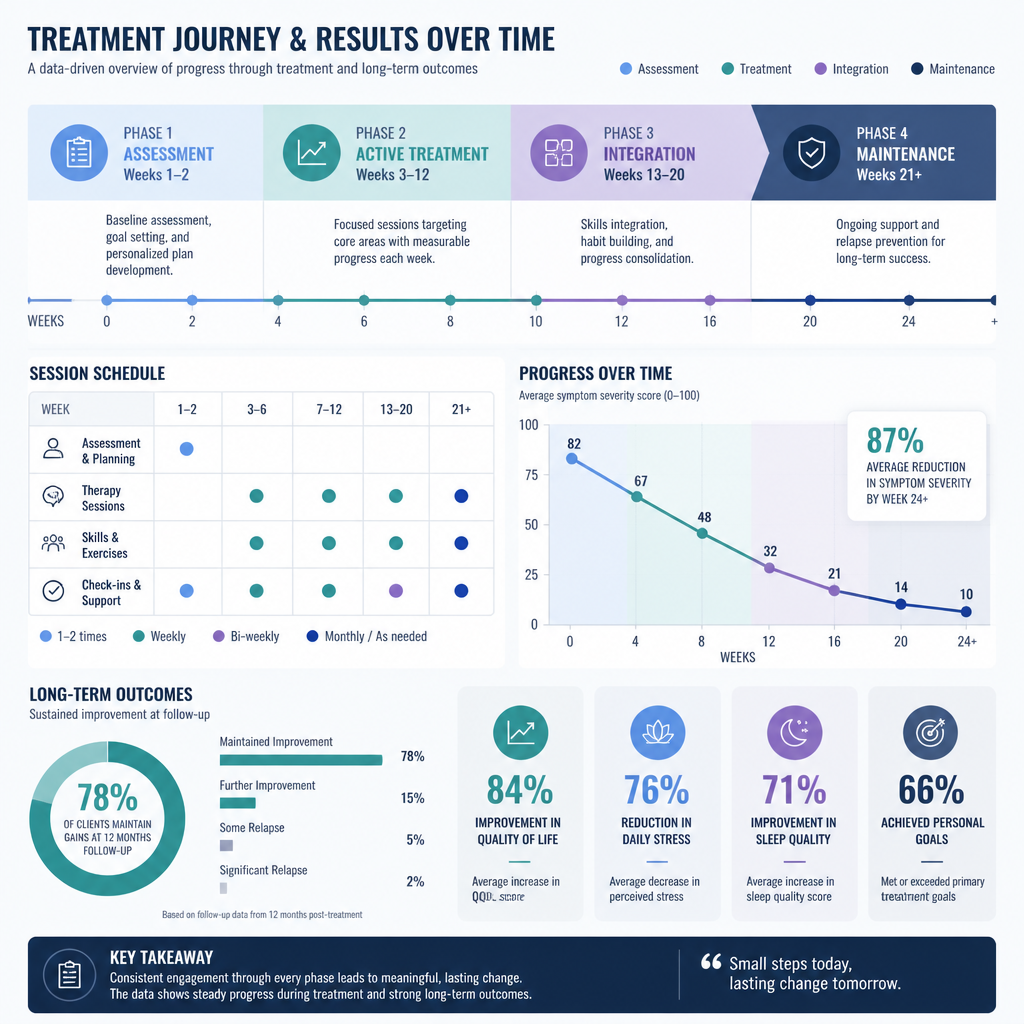
The honest answer is that most people need between 6 and 8 sessions to achieve significant, lasting hair reduction, with some areas or hair types requiring up to 10 to 12 treatments. Sessions are typically spaced 4 to 8 weeks apart depending on the body area, with facial areas often treated at shorter intervals than legs or back.
This is not a figure clinics invented to sell more appointments. It reflects the reality of the hair growth cycle. At any one session, only the follicles currently in the anagen phase are effectively targeted. By repeating treatment across multiple cycles, the laser progressively reduces the active follicle count until the remaining hair is sparse enough that most clients feel their results are complete.
Booking sessions too close together does not accelerate results. Follicles that have just been treated need time to shed the damaged hair and for the next wave of follicles to enter their active growth phase. Rushing the process means you are treating the same follicles twice while missing the ones you actually need to catch. Following the recommended intervals between sessions is not a scheduling preference. It is the treatment protocol working as it should.
At Faith Laser, your laser hair removal treatment plan is built around your specific hair type, skin tone, and target area rather than a one-size-fits-all booking calendar. That personalised approach is one of the clearest differences between a specialist clinic and a high-volume chain.
Clients frequently ask whether laser is genuinely better than IPL (Intense Pulsed Light) or whether waxing is simply easier. The comparison below cuts through the noise.
| Method | How It Works | Long-Term Outcome |
|---|---|---|
| Professional Laser | Single-wavelength light precisely targets melanin in the follicle via selective photothermolysis. Settings are adjustable for skin type and hair colour. | 70 to 90 percent permanent reduction after a full course. Destroyed follicles do not regrow. Any remaining hair is typically finer and lighter. |
| IPL (Intense Pulsed Light) | Broad-spectrum light across multiple wavelengths. Less targeted than laser, with more energy scattered across the skin surface. | Meaningful reduction for ideal candidates (dark hair, fair skin) but generally less effective per session than clinical laser. Often requires more sessions for comparable results. |
| Waxing / Shaving | Waxing removes hair from the root but leaves the follicle intact and able to regrow. Shaving cuts hair at skin level only. | Zero long-term reduction. Hair regrows at the same density and thickness. Requires repeat treatment every 2 to 6 weeks indefinitely. |
The key practical difference between laser and IPL is precision. A clinical laser emits a single, calibrated wavelength that can be tuned to your specific skin and hair profile. IPL scatters energy across a broader spectrum, which makes it less exact and, in practice, less effective for clients with darker skin tones or lighter hair. For the best long-term results, professional laser treatment from a qualified provider is the stronger option.
Faith Laser uses the AW3 Crystal Freeze system with Triplicity wavelength technology, which combines multiple clinically proven wavelengths to treat a wider range of skin tones and hair types safely. The integrated Crystal Freeze cooling system also makes sessions considerably more comfortable than older laser platforms.
After completing your initial series of sessions, most clients find that maintenance requirements are minimal rather than ongoing. Any regrowth that does appear is typically finer and lighter than the original hair, because the laser changes the nature of what the follicle can produce even when it recovers partial function.
How often maintenance is needed varies by person and body area. Hormone-sensitive areas, particularly facial hair in women, may benefit from a top-up session every one to two years. Leg and underarm treatments, for many clients, require no maintenance at all for several years after completing the initial course.
Compare that to waxing every four to six weeks, or shaving every two to three days. Even if you need one maintenance session per year, the time, cost, and skin irritation saved over a lifetime is significant. This is the practical case for laser that gets lost in debates about whether it is “truly permanent.”
If hormonal changes trigger new growth years after your initial course, a limited number of top-up sessions will address the new follicle activity without requiring you to start again from the beginning. A good clinic will factor your hormonal history into your original treatment plan so you go in with realistic expectations from the start. You can explore the full range of areas treated at Faith Laser’s Liverpool service page to understand what is covered and what a personalised course looks like.
Laser hair removal produces a long-term, stable reduction in hair growth rather than absolute, guaranteed lifelong removal for every follicle. Hair follicles that are fully destroyed by the laser cannot regrow. Most clients experience 70 to 90 percent permanent reduction after a completed course of sessions. Some follicles, particularly in hormonally active areas, may produce new growth over time, which is addressed with occasional maintenance sessions.
Most people need between 6 and 8 sessions, spaced 4 to 8 weeks apart depending on the treatment area, to achieve significant and lasting hair reduction. Some areas or hair types require up to 10 to 12 sessions. The reason for multiple sessions is the hair growth cycle: the laser is most effective during the anagen (active growth) phase, and not all follicles are in this phase at the same time.
Follicles that are fully disabled by the laser will not produce new hair. However, follicles that were only partially damaged may eventually recover and produce finer, lighter regrowth. Hormonal changes, such as pregnancy, menopause, or conditions like polycystic ovary syndrome, can also stimulate previously dormant follicles to become active again. This does not mean the treatment has failed. It means biology has introduced new follicle activity that was not present during the original course, which can be addressed with targeted top-up sessions.
Modern laser technology treats a wide range of skin tones safely. Nd:YAG lasers are specifically designed for darker skin types and are clinically proven to be effective without causing pigmentation damage. The most responsive combination remains dark, coarse hair on fair skin, because the contrast helps the laser pinpoint follicle melanin precisely. Blonde, grey, and red hair contain less melanin and respond less predictably, meaning more sessions may be needed and full elimination may be harder to achieve. A proper consultation and patch test before treatment is essential to establish what results are realistic for your specific profile.
Professional clinical lasers are significantly more powerful, more precise, and more adjustable than at-home IPL devices. At-home devices operate at lower energy levels for safety reasons, which limits how much follicle damage they can achieve per session. They can produce some reduction over many months but rarely match the results of a full professional course. For anyone seeking genuine long-term reduction, particularly on coarser hair or on skin tones that require careful calibration, professional treatment is the more effective and more reliable option.
Faith Laser uses the AW3 Crystal Freeze system with Triplicity wavelength technology, which allows treatment of a broader range of hair and skin types than single-wavelength platforms. The integrated cooling system makes sessions more comfortable without compromising effectiveness. Unlike high-volume chain clinics, Faith Laser builds personalised treatment plans rather than applying a standard protocol to every client. Every plan is tailored to your hair colour, skin tone, target area, and any relevant hormonal factors, which directly influences how effective and how lasting your results will be.
Have you had laser hair removal before, or are you still weighing up whether it is the right option for you? Share your experience or questions below. We read every comment and respond to them all.